
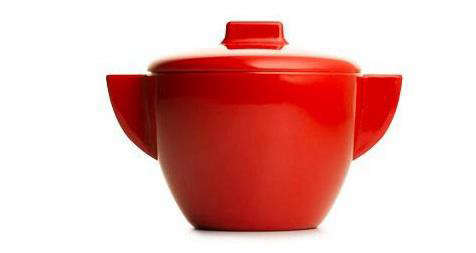
Editorial note: This article discusses the Red Sugar Bowl as a design-shopping and tabletop styling subject based on historical product context. Before publishing as a live shopping recommendation, verify current availability, price, and product specifications with the retailer.
A sugar bowl is a small object with a surprisingly big personality. It sits quietly next to the coffee cups, pretends it is only there for practical reasons, and then somehow becomes the thing guests notice first. The Red Sugar Bowl at Cooper Hewitt Museum Shop is exactly that kind of tabletop piece: compact, cheerful, useful, and just dramatic enough to make a breakfast tray feel like it has a design degree.
At first glance, a red sugar bowl sounds simple. It holds sugar. It has a lid. It may or may not come with a spoon. End of story, right? Not quite. When an everyday kitchen object appears in the orbit of Cooper Hewitt, Smithsonian Design Museum, it enters a larger conversation about how design shapes daily life. A sugar bowl is no longer just a container. It becomes a tiny case study in color, proportion, ritual, material, and the emotional power of objects we touch every morning before our brains fully come online.
The charm of the Red Sugar Bowl lies in that balance between everyday function and visual delight. It is the sort of piece that can sit on a marble counter, a farmhouse table, a modern coffee bar, or a slightly chaotic apartment shelf and still look intentional. That is the magic of good tabletop design: it does not shout, but it does not disappear either.
Why a Red Sugar Bowl Still Feels Fresh
Red is one of the boldest colors you can bring to a table. It is energetic, warm, and impossible to ignore. In a dining setup dominated by white plates, clear glass, stainless steel, and neutral linens, a red sugar bowl adds the visual equivalent of a friendly exclamation point. It says, “Yes, this table has coffee, but it also has opinions.”
Color has always played a major role in tabletop design. From bright midcentury ceramics to modern enamelware, red has been used to create contrast, signal warmth, and make utilitarian objects feel more joyful. A sugar bowl in red works especially well because it is small. The color delivers impact without taking over the whole table. A red dining table might feel like a commitment. A red sugar bowl feels like a wink.
For homeowners, renters, stylists, and design lovers, this is a smart way to experiment with color. Instead of repainting the kitchen or buying an entire dinnerware set, you can add one vivid accent piece. That single object can pull together red details from napkins, fruit, flowers, artwork, or even the label on a jam jar. Suddenly, the table looks styled rather than assembled during a caffeine emergency.
The Cooper Hewitt Connection: Everyday Objects With Design Weight
Cooper Hewitt is not just a museum of rare, untouchable things. Its larger design mission encourages people to look at the objects around them with sharper eyes. A chair, a spoon, a kettle, a textile, a poster, or a sugar bowl can reveal how people live, what they value, and how beauty sneaks into routine.
That context matters when discussing a tabletop item from the Cooper Hewitt Museum Shop. Museum shops are not ordinary gift shops with better lighting. At their best, they extend the museum experience into daily life. They allow visitors to take home objects that reflect design thinking, material awareness, craft traditions, or simply the pleasure of a well-made thing. The Red Sugar Bowl fits naturally into that idea because it turns an ordinary actionsweetening coffee or teainto a small design moment.
There is also something wonderfully democratic about a sugar bowl. You do not need a mansion, a professional kitchen, or a twenty-piece porcelain service to use one. It can live in a tiny studio apartment, on a shared office coffee station, or beside a weekend brunch spread. Good design becomes most meaningful when it is used, not when it is admired from a distance like a celebrity at a restaurant.
What Makes a Sugar Bowl Good Design?
A well-designed sugar bowl has to solve several problems at once. It needs to protect sugar from moisture. It should be easy to open. It should allow a spoon to fit naturally, or at least make serving simple. It needs to be stable enough not to tip when someone reaches for it before they are fully awake. And because it usually stays visible, it should look good doing all of this.
Shape matters. A rounded bowl feels soft and classic. A cylindrical form feels clean and modern. A squared form can look architectural. A lid with a small knob creates a sense of ceremony, even if the ceremony is just adding half a teaspoon of sugar to tea while wearing slippers.
Scale matters too. A sugar bowl should not be so large that it looks like it is storing emergency rations for a pancake festival. It should also not be so tiny that refilling it becomes a daily chore. The sweet spot is a compact vessel that feels generous without becoming bulky.
Then there is the question of color. A red sugar bowl immediately becomes a focal point. That means its proportions must be confident. A bright object with awkward form can look like a sale-bin accident. A bright object with balanced form looks curated, even when surrounded by toast crumbs.
How to Style the Red Sugar Bowl on Your Table
Pair It With White Dinnerware
The easiest styling move is to place a red sugar bowl beside white cups, white plates, or a simple white teapot. The contrast is crisp, clean, and classic. White gives red room to glow. This works beautifully for breakfast, afternoon tea, or a coffee service after dinner.
Use It as a Coffee Bar Accent
If you have a coffee corner, the Red Sugar Bowl can become its anchor piece. Place it beside a grinder, a stack of mugs, a small tray, and a jar of coffee beans. Add a folded linen napkin or a tiny vase with one stem of flowers. Suddenly, your coffee station looks less like a caffeine command center and more like a boutique hotel that trusts you with ceramics.
Let It Play With Other Reds
Red works best when it has a friend somewhere nearby. Try pairing the sugar bowl with red-striped napkins, a red-handled spoon, strawberries, cherries, pomegranates, or a small red print on the wall. The goal is not to match everything perfectly. In fact, perfect matching can feel stiff. A few related red notes create rhythm and warmth.
Mix It With Natural Materials
Wood, linen, stoneware, and woven trays soften the boldness of red. A red sugar bowl on a wooden breakfast tray feels cozy and grounded. On a linen table runner, it feels casual but considered. Next to handmade mugs, it adds a playful modern accent without making the table look overly polished.
Why Small Tabletop Objects Matter
Large design choices get most of the attention. People talk about sofas, countertops, pendant lights, dining tables, and paint colors. But the smaller objects are often what make a home feel personal. A sugar bowl, butter dish, salt cellar, spoon rest, or cream pitcher can reveal more about someone’s taste than an expensive chair ever could.
Small tabletop pieces also invite daily interaction. You touch them. You move them. You refill them. You wash them. You remember who gave them to you, where you bought them, or what morning ritual they belong to. That repeated use creates attachment. A red sugar bowl can become part of the emotional furniture of a kitchen.
This is why museum-shop objects can feel special. They often carry a story beyond the transaction. You may remember the museum visit, the exhibition, the city, the afternoon coffee afterward, or the person you were with. A sugar bowl from a design museum shop is both a useful object and a souvenir of attention: a reminder to notice form, color, and function in ordinary life.
The Red Sugar Bowl as a Gift
A red sugar bowl makes an excellent gift because it is specific without being too personal. It does not require knowing someone’s clothing size, wall dimensions, or complicated opinion about scented candles. It is practical, attractive, and easy to incorporate into many homes.
For a housewarming gift, pair it with a bag of good coffee, a box of tea, or a jar of raw sugar cubes. For a holiday gift, add striped napkins or a small dessert plate. For a wedding shower, combine it with a creamer or a pair of cups. It is the kind of object that says, “I wanted to give you something useful, but I refused to be boring about it.”
Because red carries a sense of celebration, the bowl also works well for festive tables. It can appear at Valentine’s Day brunch, Christmas breakfast, Fourth of July berry desserts, or any Sunday morning that needs a little optimism. Unlike seasonal décor, however, it does not have to disappear into a storage bin for eleven months of the year.
Practical Uses Beyond Sugar
Despite the name, a sugar bowl does not have to hold only sugar. This is where the object becomes even more useful. On a breakfast table, it can hold sugar cubes, brown sugar, cinnamon sugar, or small wrapped candies. On a dessert table, it can hold sprinkles, chocolate shavings, crushed nuts, or tiny spoons.
In a kitchen, it can become a small container for flaky salt, tea bags, espresso spoons, or toothpicks. On a desk, it can hold paper clips or pushpins. On a vanity, it can store cotton rounds or rings. Of course, once it leaves the sugar category, traditionalists may clutch their pearls. Let them. Good design can multitask.
The key is to respect the object’s finish and material. If it is ceramic, enamel, glass, or coated metal, care instructions matter. Avoid harsh scrubbers unless the manufacturer says they are safe. If the bowl has a lid, dry both pieces thoroughly before storing anything moisture-sensitive. Sugar is simple, but clumpy sugar has a personality no one asked for.
How It Fits Modern Tabletop Trends
Modern tabletop design has moved away from rigid matching sets. Today, many stylish tables combine vintage pieces, handmade ceramics, museum-shop finds, family heirlooms, and practical everyday basics. The result feels more collected and less like a department-store display from 1998.
A red sugar bowl fits this trend beautifully because it can act as the “bridge” piece. It brings color to neutrals. It adds polish to rustic settings. It gives modern tables a softer, more human touch. It can sit beside minimalist mugs or floral china and still make sense.
Another trend is the return of small rituals. People are paying more attention to coffee routines, tea setups, breakfast trays, and weekend hosting. A sugar bowl supports that shift. It slows the moment down. Instead of ripping open a paper packet, you lift a lid, use a spoon, and participate in a tiny act of hospitality. It is not difficult. It is not fancy. But it feels better.
Design Analysis: Color, Function, and Emotion
From a design perspective, the Red Sugar Bowl succeeds because it brings together three qualities that are easy to understand and hard to fake: usefulness, visual clarity, and emotional appeal.
Usefulness is obvious. It stores and serves sugar or small tabletop items. Visual clarity comes from the strong color and recognizable form. Emotional appeal comes from the way red changes the mood of the table. It feels warm, lively, and slightly nostalgic, especially for people who grew up around colorful kitchenware.
That emotional layer is important. People do not keep small household objects only because they work. They keep them because the objects make the room feel more like them. A plain container can hold sugar. A red sugar bowl can hold sugar and also make a gray Monday morning feel less like a paperwork conspiracy.
Buying Considerations Before You Choose One
If you are shopping for a red sugar bowl inspired by the Cooper Hewitt Museum Shop listing, check a few practical details before purchasing. First, confirm the dimensions. A sugar bowl can look larger online than it does in real life, especially when photographed alone. Second, check the material. Ceramic, porcelain, enamel, glass, and stainless steel each have different weights, finishes, and care needs.
Third, look at the lid. Does it sit securely? Is there a notch for a spoon? Fourth, consider whether a spoon is included. A matching spoon can make the piece feel complete, but it is not essential if you already have small serving spoons. Finally, verify whether it is food-safe, dishwasher-safe, and suitable for daily use.
For collectors and design lovers, the story behind the object may matter as much as the object itself. Museum-shop pieces often rotate, sell out, or change over time. If you find a piece you love, do not assume it will be available forever. Tabletop regret is real, and it usually arrives right after the item disappears.
Experience Notes: Living With a Red Sugar Bowl on the Table
The best way to understand a red sugar bowl is not to analyze it from across the room. It is to live with it for a while. Put it on the table on a normal weekday morning, not just when guests come over. Fill it with sugar cubes or raw sugar. Set it beside the mugs. Then watch what happens.
At first, it may feel slightly too intentional, like wearing a blazer to make toast. But after a few days, the bowl becomes part of the rhythm of the kitchen. You reach for it without thinking. You notice how the red looks in morning light. You move it from counter to tray to table. It begins to do what good tabletop objects always do: make routine feel cared for.
One of the nicest experiences is using it during weekend coffee. Imagine a small breakfast spread: toast, butter, jam, fruit, coffee, and the red sugar bowl sitting in the middle like the tiny mayor of brunch. It gives the table a center. Even if the meal is simple, the arrangement feels complete. Nobody needs to know the croissants came from a bag. The sugar bowl is doing public relations.
It also changes how guests interact with the table. People tend to notice colorful objects. Someone may ask where it came from. Someone else may lift the lid just to see what is inside. A small object becomes a conversation starter, which is one of the underrated pleasures of tabletop design. The best pieces do not only decorate a table; they invite people into a moment.
A red sugar bowl can also make solo routines feel warmer. Not every beautiful table is set for a crowd. Sometimes the table is one mug, one plate, one spoon, and five quiet minutes before the day begins. In that setting, a cheerful sugar bowl is not about impressing anyone. It is about treating your own daily rituals as worthy of attention.
Over time, you may find new uses for it. During the holidays, it might hold peppermints. In summer, it may hold sugar for iced tea. At a dessert night, it can hold sprinkles or shaved chocolate. On a work-from-home desk, it may temporarily become a container for paper clips, because domestic objects are adaptable and humans are chaotic.
The main experience is simple: the object makes the table feel more alive. It proves that design does not have to be huge, expensive, or complicated to matter. Sometimes it is a small red bowl with a lid, sitting near the coffee, quietly improving the morning.
Conclusion: A Small Tabletop Piece With Big Design Energy
The Red Sugar Bowl at Cooper Hewitt Museum Shop is a reminder that tabletop design does not need to be grand to be meaningful. A small object can bring color, function, memory, and personality into the home. It can make coffee feel more considered, brunch feel more cheerful, and a kitchen shelf feel more collected.
Whether you approach it as a design object, a practical sugar container, a gift idea, or a styling accent, the appeal is clear. Red brings warmth. The bowl form brings usefulness. The museum-shop context brings a sense of story. Together, those qualities turn a humble sugar bowl into something worth noticing.
And really, that is the point of good design. It helps us pay attention. It improves small routines. It makes ordinary objects a little more delightful. If your table needs one bold detail that works harder than its size suggests, a red sugar bowl is a sweet place to start.












