
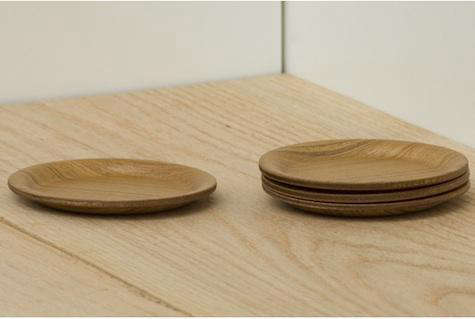
Some home accessories shout. Others quietly do their job, look beautiful doing it, and never ask for applause. Teak coasters belong firmly in the second camp. They are the tabletop equivalent of a well-cut white shirt: simple, useful, warm, and somehow always appropriate. The teak coasters associated with OK Store and Gallery capture that kind of everyday design magicsmall enough to fit under a coffee cup, but thoughtful enough to change how a table feels.
At first glance, a coaster may seem like the least dramatic object in the room. It is not a sculptural lamp. It does not swivel, recline, or come with a mysterious Allen wrench. Yet a good coaster does something essential: it protects the furniture you paid for, supports the ritual of drinking and gathering, and adds a quiet design detail to the tabletop. When made from teak, it also brings natural grain, durability, and an understated warmth that works with almost any interior style.
The original appeal of the OK Store and Gallery teak coasters lies in their restraint. These are not novelty coasters shaped like pizza slices or printed with jokes your uncle would forward in a group chat. They are simple, organic, and practical. That is exactly why they deserve attention. In a world crowded with over-designed objects, a modest teak coaster can feel refreshingly grown-up.
Why Teak Coasters Make Sense for the Modern Tabletop
Teak has long been valued in furniture, boatbuilding, outdoor design, and tableware because it is strong, dense, and naturally rich in oils. Those natural oils help the wood resist moisture better than many other hardwoods, making teak a smart material for an object that spends its life under sweating glasses, warm mugs, and the occasional “Oops, I definitely meant to do that” spill.
For tabletop use, this matters. A coaster must be more than decorative. It has to handle condensation, protect finishes, avoid sliding around, and still look good after repeated use. Teak checks many of those boxes. Its grain is usually warm and golden-brown, sometimes with darker streaks that make each piece feel individual. Over time, it can develop a softer patina, giving the coaster more character instead of making it look tired.
Small Object, Big Table Manners
A teak coaster is a tiny act of hospitality. Place one under a guest’s drink and you are saying, without making a speech, “Relax, enjoy yourself, and please do not leave a ghostly water ring on my table.” It gives people permission to settle in. Nobody has to hover awkwardly with a glass in hand or hunt for a napkin to use as emergency furniture insurance.
In practical terms, coasters help guard against moisture rings, heat marks, and scratches. Wood tables, lacquered surfaces, painted furniture, marble tops, and vintage sideboards all benefit from a small protective layer. Even a casual iced tea can create condensation that travels down the glass and pools beneath it. A coaster catches the problem before the tabletop becomes a crime scene for beverages.
The OK Store and Gallery Point of View
OK Store and Gallery has been known for a carefully edited approach to design objectsitems that feel useful, tactile, and considered rather than trendy for trendiness’ sake. The teak coasters fit beautifully into that philosophy. They are the kind of item that looks almost too simple until you start using it every day. Then the simplicity becomes the point.
The design language feels connected to Japanese-inspired minimalism: clean form, natural material, and no unnecessary decoration. A teak coaster does not need a logo screaming from the surface. Its best feature is the wood itself. Grain, tone, weight, and proportion do the talking. That quiet confidence is what makes the piece flexible. It can sit beside a ceramic mug, a handblown tumbler, a wine glass, or a tiny espresso cup without looking out of place.
The original product listing placed these teak coasters at an accessible price, proving that good design does not always need to arrive with a dramatic price tag and a velvet rope. A small object can still carry the spirit of a well-curated shop: thoughtful, practical, and charmingly unbothered by hype.
How Teak Coasters Fit Different Interior Styles
One reason teak coasters work so well is that they do not demand a specific decorating identity. They are not aggressively rustic, overly polished, or locked into one era. Instead, they bridge several styles with ease.
Minimalist Interiors
In a minimalist space, teak adds warmth without clutter. Place a set of teak coasters on a pale oak coffee table with a white ceramic vase and a linen-covered book. The result feels calm, not empty. The wood grain provides just enough visual texture to keep the table from feeling sterile.
Midcentury Modern Rooms
Teak and midcentury design are longtime friends. Pair teak coasters with a walnut credenza, a low-slung sofa, and amber glassware, and they look completely at home. Their warm tone echoes the furniture without turning the room into a wood museum. Add a brass tray or a matte black lamp for contrast.
Coastal and Organic Modern Spaces
For coastal interiors, teak coasters bring natural texture without resorting to seashell overload. They work well with woven placemats, stoneware plates, linen napkins, and clear glass. In organic modern rooms, they add an earthy detail that feels polished but relaxed.
Eclectic Homes
In an eclectic home, teak coasters can act as the calm friend in a lively group chat. They balance patterned textiles, colorful ceramics, vintage finds, and art books. Because the material is natural and the form is simple, they do not compete with stronger decorative pieces.
Function: What a Good Teak Coaster Should Do
A coaster has one job, but the best ones do it with style. A well-designed teak coaster should feel stable under a glass, be smooth enough not to scratch surfaces, and have enough substance that it does not cling to the bottom of a wet cup and go for an unexpected ride.
Thickness matters. A coaster that is too thin may warp or feel flimsy. One that is too thick can look chunky and awkward. The sweet spot is a balanced profile: sturdy enough to protect, slim enough to stack neatly. Edges should be finished cleanly, and the surface should feel pleasant to touch. Since people handle coasters constantly, tactility is part of the design experience.
Absorption is another consideration. Teak is naturally moisture-resistant, but that does not mean it absorbs condensation like cork or felt. For very icy drinks, a teak coaster may hold droplets on the surface rather than soaking them in. That is not a flaw; it simply means users should wipe it dry after heavy condensation. Think of teak as handsome and resilient, not magically thirsty.
How to Style Teak Coasters on a Table
Styling teak coasters is easy because they already have a built-in sense of balance. The goal is not to overthink them. Let the material do the work.
On a Coffee Table
Stack four teak coasters beside a low bowl, a candle, and one or two books. Avoid covering every inch of the table. Negative space is not wasted space; it is what keeps your coffee table from looking like a yard sale with better lighting.
On a Dining Table
For casual dinners, place one coaster above each plate setting for water glasses or cocktails. Teak pairs beautifully with off-white stoneware, matte black flatware, and napkins in muted colors like oatmeal, olive, charcoal, or rust. It also softens glossy dinnerware, making the setting feel less formal and more inviting.
On a Bar Cart
A small stack of teak coasters on a bar cart instantly makes the setup feel intentional. Put them next to tumblers, a mixing glass, and a small dish of citrus. Even if the most advanced drink you make is sparkling water with lime, the cart will look like it has a plan.
On a Desk or Nightstand
Teak coasters are not only for entertaining. Use one under a morning coffee on a desk or a glass of water on a nightstand. This is where their everyday value becomes obvious. They protect the surface, reduce visual mess, and add a small touch of warmth to functional spaces.
Care and Maintenance for Teak Coasters
Teak is low-maintenance, but low-maintenance does not mean “ignore forever and hope for the best.” To keep teak coasters looking good, wipe them with a damp cloth after use, especially if they have been exposed to sticky drinks, citrus, wine, coffee, or tea. Dry them immediately with a soft cloth. Avoid soaking them in water or putting them in the dishwasher. A dishwasher is where wooden tableware goes to have an identity crisis.
For deeper cleaning, use mild soap and water sparingly, then dry thoroughly. If the wood begins to look dull, a small amount of food-safe mineral oil or teak oil can help revive the surface. Apply lightly with a lint-free cloth, let it absorb, and buff away excess. The goal is a refreshed sheen, not a greasy coaster that tries to escape your hand.
If a coaster develops a light stain or scuff, fine-grit sanding may help, followed by oiling. Always sand with the grain, not against it. For everyday users, though, the best care routine is simple: wipe, dry, stack, repeat.
Why Natural Materials Still Matter
In a market filled with plastic, resin, silicone, and synthetic finishes, teak offers something more tactile and enduring. Natural materials age in a way that manufactured materials often cannot. A teak coaster may darken, soften, or develop tiny signs of use. Instead of looking ruined, it begins to look lived with.
This is part of the charm. The best tabletop accessories do not create a showroom atmosphere. They support real life: morning coffee, late-night tea, weekend cocktails, family dinners, solo lunches, and the occasional snack eaten directly over the sink because adulthood is complicated.
Choosing wood also invites a more thoughtful approach to sourcing. Teak is a valuable hardwood, so responsible sourcing matters. When buying teak products today, shoppers should look for transparent information about origin, reclaimed wood, plantation-grown wood, or credible certification. A beautiful coaster is even better when it comes with a cleaner conscience.
Teak Coasters as Small Gifts
Teak coasters make excellent gifts because they are useful, attractive, and do not require knowing someone’s exact sofa dimensions. They work for housewarmings, host gifts, birthdays, office gifts, and holiday exchanges. Pair them with a bag of good coffee, a bottle of sparkling lemonade, handmade mugs, or linen cocktail napkins. Suddenly, a small present feels curated rather than last-minute.
They are especially good for design-minded friends who appreciate objects that are quiet but well made. The gift says, “I noticed you like beautiful everyday things,” which is far better than saying, “I panicked in the checkout line and bought a novelty mug.”
Buying Tips: What to Look for in Teak Coasters
When shopping for teak coasters, begin with the finish. The surface should be smooth, with no rough patches or splinters. The edges should feel comfortable in the hand. If the coaster is made from solid teak, check that it is not overly thin, since very thin wood can be more vulnerable to movement over time.
Next, consider shape. Round coasters feel classic and casual. Square coasters look more architectural and modern. Organic shapes can be beautiful, especially when they highlight the natural edge or grain of the wood. Choose the shape that works best with your glassware and table style.
Finally, think about storage. Stackable coasters are practical for small spaces. A holder can be helpful but is not always necessary. A neat stack on a tray often looks just as good.
Common Mistakes to Avoid
The first mistake is assuming teak is completely waterproof. It is water-resistant, not invincible. Wipe it dry after use and avoid long soaking. The second mistake is using harsh cleaners. Strong chemicals can damage the finish and make the wood look tired. The third mistake is buying coasters only for guests. Use them daily. Your table deserves protection even when the only guest is your laptop and a suspiciously large iced coffee.
Another common mistake is ignoring the underside. A coaster should not scratch the surface it is meant to protect. If the underside feels rough, add small felt pads or choose a better-finished set. Design is not only about what you see; it is also about what quietly works.
Experience Notes: Living With Teak Coasters at Home
After using teak coasters in different rooms, their greatest strength becomes clear: they disappear into daily life in the best possible way. On a coffee table, they make every drink feel slightly more intentional. A plain glass of water looks better. A ceramic mug feels more grounded. Even a takeout iced coffee, still wearing its plastic lid like a tiny helmet, seems less chaotic when placed on warm wood.
One of the nicest experiences is how teak changes the mood of a table without making it feel decorated. A marble coaster can feel formal. A cork coaster can feel practical. A printed coaster can be fun, but sometimes too loud. Teak sits in the middle. It is handsome, quiet, and adaptable. In the morning, it works under coffee beside a notebook. At lunch, it supports sparkling water next to a salad bowl. In the evening, it looks right under a lowball glass or a cup of herbal tea.
In a small apartment, teak coasters are especially helpful because every surface has multiple jobs. The coffee table may also be a dining table, desk, snack station, puzzle zone, and emotional support furniture. A stack of coasters keeps the table ready for all of it. They are small enough not to crowd the surface, yet useful enough that you reach for them constantly.
They also make hosting easier. Put a stack of teak coasters where guests can see them, and people usually use them without being asked. That saves the host from delivering the awkward coaster reminder speech, which is never as casual as intended. Nobody wants to say, “Please use a coaster,” while sounding like a museum guard protecting a priceless artifact. Visible coasters solve the problem politely.
The tactile quality is another pleasure. Teak feels warmer than stone and more substantial than paper or cork. When the finish is smooth, picking up a coaster becomes a tiny sensory moment. That may sound dramatic for a tabletop accessory, but good design often lives in these small interactions. The weight of a cup, the feel of the wood, the way the grain catches light near a windowthese details make ordinary routines more enjoyable.
There is also something satisfying about watching teak age. A coaster that develops a slightly deeper tone or a softer finish does not lose value; it gains personality. Small signs of use remind you that the object is part of the home, not just a prop for a photo. Of course, care still matters. Wiping the coaster dry, oiling it occasionally, and avoiding the dishwasher will keep it looking handsome for years.
The best experience with teak coasters is realizing that they are not trying to impress anyone. They simply work. They protect the table, flatter the drinkware, and add natural texture to the room. That is the beauty of a well-chosen everyday object: it improves the background of life. No drama, no blinking lights, no app download required. Just a small square or circle of teak doing its job with quiet confidence.
Conclusion: A Small Tabletop Upgrade With Lasting Appeal
Teak coasters at OK Store and Gallery represent the best kind of home accessory: useful, beautiful, and modest. They remind us that good design does not always need to be large, expensive, or complicated. Sometimes it is a small piece of warm wood placed under a glass at exactly the right moment.
For anyone building a more thoughtful tabletop, teak coasters are an easy place to start. They protect furniture, suit many decor styles, and bring natural texture into daily routines. Whether used on a dining table, desk, nightstand, coffee table, or bar cart, they offer a simple upgrade that feels both practical and quietly refined.
In the end, the charm of teak coasters is not only that they prevent water rings. It is that they make ordinary moments feel considered. A coaster may be small, but when it is well made, it earns its place on the table.












