
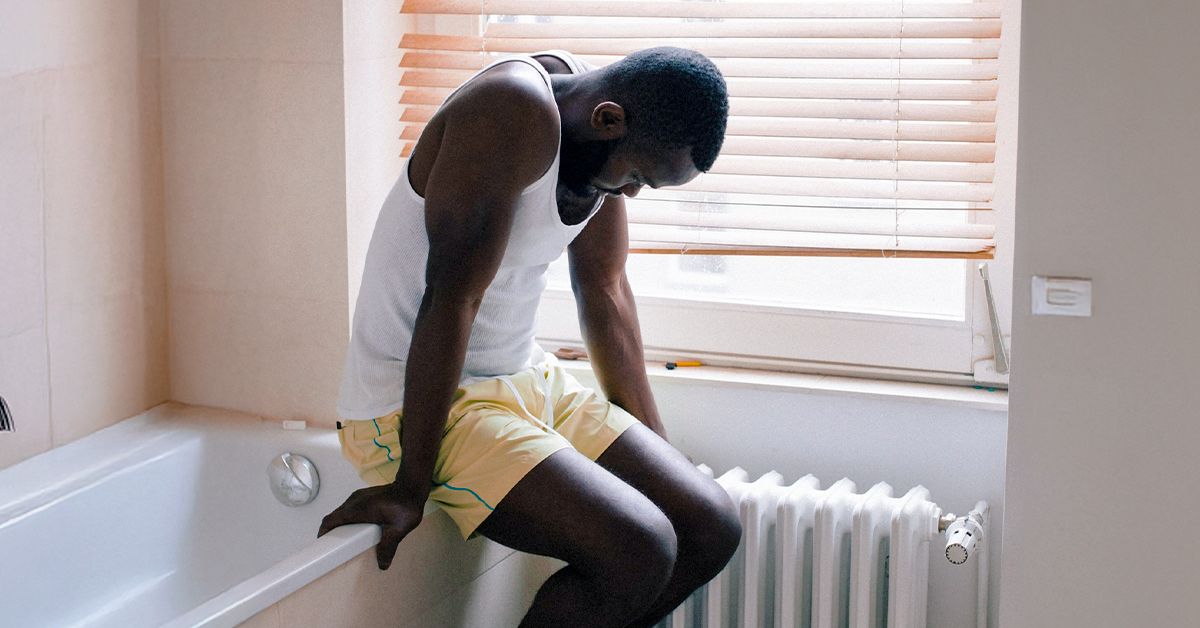
Medical note: This article is for educational purposes only and should not replace professional medical care. Sudden, severe testicle pain can be a medical emergency. When in doubt, do not “wait and see” while Googling in pajama pantsget medical help right away.
Introduction: Why Testicle Pain Deserves Attention
Testicle pain is one of those symptoms that can make even the calmest person sit up very straight and reconsider every life choice from the last 48 hours. The pain may feel sharp, dull, aching, heavy, burning, or like someone delivered a very unfair surprise kick. It may affect one testicle or both, stay in the scrotum, or seem to travel from the groin, lower belly, or back.
The good news is that many causes of testicular pain are treatable. The not-so-fun news is that some causes, especially testicular torsion, need emergency treatment to prevent permanent damage. That is why understanding the difference between mild discomfort, persistent scrotal pain, and true red-flag symptoms matters.
This guide explains the most common causes of testicle pain, how doctors diagnose the problem, treatment options, home-care steps, and when to worry. The goal is not to turn you into a urologist overnight. The goal is to help you know when to use an ice pack, when to call your doctor, and when to head straight to the emergency room.
What Is Testicle Pain?
Testicle pain means discomfort in or around one or both testicles. The pain may come from the testicle itself, the epididymis, the scrotal skin, nearby blood vessels, the groin, the urinary tract, or even the abdomen. Sometimes pain that feels like it is in the testicle is actually referred pain, meaning the original problem starts somewhere else, such as with a kidney stone or inguinal hernia.
Testicular pain can be classified in several ways:
- Acute testicle pain: Starts suddenly and may be severe.
- Chronic testicle pain: Lasts for weeks or months, often defined as pain continuing for at least three months.
- Intermittent pain: Comes and goes, sometimes during exercise, sex, sitting, lifting, or urination.
- Localized pain: Feels limited to one testicle or one side of the scrotum.
- Referred pain: Feels like testicle pain but begins in the back, abdomen, kidney, groin, hip, or pelvis.
Common Causes of Testicle Pain
1. Testicular Torsion: The Emergency Cause
Testicular torsion happens when a testicle twists on the spermatic cord, cutting off or reducing blood flow. This is a medical emergency. It often causes sudden, severe pain on one side, swelling, nausea, vomiting, and a testicle that may sit higher than usual. It is more common in teenagers and young adults, but it can happen at any age.
Do not try to “walk it off.” Testicular torsion is not a sprained ankle with an attitude problem. The longer blood flow is blocked, the greater the risk of losing the testicle. Emergency surgery is usually needed to untwist and secure the testicle.
2. Epididymitis
Epididymitis is inflammation of the epididymis, the coiled tube behind the testicle that stores and carries sperm. It often causes gradual pain, swelling, tenderness, warmth, and sometimes burning during urination or discharge from the penis.
In younger sexually active men, epididymitis is often linked to sexually transmitted infections such as chlamydia or gonorrhea. In older men, urinary tract bacteria, prostate problems, or recent urinary procedures may be involved. Treatment usually depends on the cause and may include antibiotics, rest, scrotal support, and anti-inflammatory medicine.
3. Orchitis
Orchitis means inflammation of one or both testicles. It may be caused by bacteria or viruses, including the mumps virus. Symptoms can include testicle pain, swelling, fever, nausea, and tenderness. Sometimes orchitis occurs together with epididymitis, a condition called epididymo-orchitis.
Bacterial orchitis may need antibiotics. Viral orchitis is usually treated with supportive care such as rest, fluids, pain relievers, and scrotal support. If swelling is significant or symptoms worsen, medical evaluation is important.
4. Injury or Trauma
A direct hit to the testicles can cause immediate pain, nausea, and a brief desire to communicate only through dramatic silence. Most minor injuries improve with rest, ice, and support. However, severe trauma can cause bleeding, rupture, or torsion-like symptoms.
Seek urgent care if pain is severe, swelling grows quickly, bruising spreads, nausea or vomiting continues, or the testicle looks abnormal after an injury.
5. Inguinal Hernia
An inguinal hernia occurs when tissue, often part of the intestine, pushes through a weak spot in the groin. It may create a bulge that becomes more obvious when standing, coughing, lifting, or straining. Some hernias cause groin pressure, burning, heaviness, or pain that travels into the scrotum.
A hernia that becomes trapped can be dangerous. Red flags include severe pain, redness, vomiting, fever, or a bulge that cannot be pushed back in. That situation needs emergency medical care.
6. Varicocele
A varicocele is an enlargement of veins inside the scrotum. It is often compared to varicose veins in the legs. Many varicoceles cause no symptoms, but some create a dull ache, heaviness, or discomfort that worsens after standing or physical activity and improves when lying down.
Varicoceles are also associated with fertility problems in some men. Treatment may not be needed unless there is pain, testicular shrinkage, or fertility concern. When treatment is needed, procedures can close or redirect the affected veins.
7. Hydrocele
A hydrocele is a fluid collection around the testicle. It often causes painless swelling, but larger hydroceles may create heaviness or aching. In adults, a new hydrocele should be evaluated to rule out infection, injury, hernia, or other scrotal conditions.
Small hydroceles may simply be monitored. Larger or uncomfortable hydroceles may require surgery.
8. Spermatocele
A spermatocele is a fluid-filled cyst that usually forms near the epididymis. Many are painless and discovered during self-exam or a routine medical visit. Larger spermatoceles may cause dull testicular pain, swelling, or a heavy feeling in the scrotum.
Most do not need treatment. If a spermatocele becomes large or painful, a urologist may discuss surgical options.
9. Kidney Stones
A kidney stone may cause pain that starts in the back or side and travels toward the lower abdomen, groin, or testicle. The pain may come in waves and may be accompanied by nausea, vomiting, blood in the urine, frequent urination, or burning during urination.
This is a classic example of referred pain. The testicle may feel like the victim, but the stone may be the villain hiding upstream.
10. Testicular Cancer
Testicular cancer does not usually cause sudden severe pain. More often, it appears as a painless lump, swelling, firmness, or a feeling of heaviness in the scrotum. Some men notice a dull ache in the lower belly, groin, or testicle.
Any new lump, change in testicle size, or persistent swelling should be checked by a healthcare professional. Testicular cancer is often highly treatable, especially when found early.
When to Worry About Testicle Pain
Some symptoms should never be ignored. Get emergency medical care if you have:
- Sudden, severe testicle pain
- Pain with nausea or vomiting
- Rapid scrotal swelling
- A testicle sitting higher than usual or at an unusual angle
- Fever, chills, or feeling very ill
- Blood in the urine
- Pain after a serious injury
- A groin bulge with severe pain, redness, or vomiting
- Testicle pain that suddenly goes away after being severe, because intermittent torsion can untwist temporarily
Make a medical appointment soon if pain is mild but lasts more than a few days, swelling does not improve, you feel a lump, urination is painful, or the discomfort keeps returning.
How Doctors Diagnose Testicle Pain
A healthcare professional will usually begin with questions about when the pain started, whether it was sudden or gradual, where it is located, what makes it better or worse, and whether you have urinary symptoms, fever, injury, recent sex, or a new lump.
The physical exam may include checking the abdomen, groin, scrotum, and testicles. Depending on the situation, tests may include:
- Urinalysis: Looks for infection, blood, or signs of kidney stones.
- STI testing: May be recommended if infection is possible.
- Scrotal ultrasound: Uses sound waves to check blood flow, swelling, masses, cysts, and fluid collections.
- Blood tests: May be used if infection, inflammation, or cancer markers are suspected.
- Imaging for kidney stones or hernia: May be ordered when symptoms point outside the scrotum.
If torsion is strongly suspected, doctors may move directly to urgent surgical treatment instead of waiting for imaging, because saving time can save the testicle.
Treatment for Testicle Pain
Emergency Treatment
Testicular torsion usually requires emergency surgery. The surgeon untwists the testicle and secures it to reduce the risk of future torsion. Often, the other testicle is also secured because the same anatomy may be present on both sides.
Antibiotics for Infection
If epididymitis, orchitis, or a urinary infection is caused by bacteria, antibiotics may be prescribed. It is important to finish the full course, even if symptoms improve quickly. Sexual partners may also need testing or treatment if an STI is involved.
Pain Relief and Supportive Care
For minor injuries, inflammation, or mild discomfort, a clinician may recommend rest, scrotal support, ice packs wrapped in cloth, and over-the-counter pain relievers such as acetaminophen or nonsteroidal anti-inflammatory drugs. Always follow label directions and avoid medications that are unsafe for you.
Surgery or Procedures
Some causes need procedural treatment. Hernias may require surgical repair. Painful varicoceles may be treated with surgery or embolization. Large hydroceles or spermatoceles may be removed if they cause discomfort. Testicular cancer treatment depends on the type and stage and may include surgery, surveillance, chemotherapy, or radiation.
What You Can Do at Home for Mild Discomfort
Home care may help only when symptoms are mild, there are no red flags, and a serious cause has been ruled out or seems unlikely. Helpful steps may include:
- Resting and avoiding heavy lifting
- Wearing supportive underwear or an athletic supporter
- Using a cold pack wrapped in a towel for short periods
- Taking approved over-the-counter pain medicine
- Drinking water if kidney stone symptoms are suspected, unless a doctor has restricted fluids
- Avoiding sex until infection is ruled out or treated
Do not massage the testicle, try to “untwist” it yourself, or ignore worsening pain. The testicles are not a DIY project.
Prevention Tips
Not every cause of testicle pain can be prevented, but some risks can be reduced.
- Wear athletic protection during contact sports.
- Practice safer sex and use condoms to reduce STI risk.
- Get urinary symptoms treated early.
- Stay hydrated, especially if you are prone to kidney stones.
- Avoid heavy lifting without proper technique.
- Perform regular testicular self-checks and report new lumps or swelling.
- Keep vaccinations current, including mumps protection when appropriate.
Practical Experiences and Real-Life Scenarios
The following examples are composite experiences based on common patterns people report in clinics and emergency settings. They are not personal medical advice, but they can help make the topic easier to understand.
The “I Thought It Was Nothing” Scenario
A college student wakes up with sudden, intense pain in one testicle. He feels nauseated and notices the testicle sits higher than usual. At first, he assumes he slept strangely. After all, people blame sleep posture for everything from neck pain to questionable hair decisions. But the pain does not fade. His roommate drives him to the emergency room, where doctors suspect testicular torsion. He goes to surgery quickly and recovers well.
The lesson: sudden severe testicle pain is not a symptom to negotiate with. Fast action matters.
The Gradual Ache After Urination Burns
A man in his late 20s notices mild burning when urinating, then a slow ache behind one testicle. Over two days, the scrotum becomes tender and slightly swollen. He feels embarrassed and considers ignoring it. Eventually, he visits a clinic. Testing suggests epididymitis related to an STI. He receives antibiotics, avoids sex until treatment is complete, and contacts his partner for testing.
The lesson: infections are common, treatable, and much easier to handle early. Embarrassment is not a treatment plan.
The Gym-Lifting Groin Bulge
A weekend weightlifter feels pressure in the groin after deadlifts. Later, he notices a small bulge that appears when standing and improves when lying down. The discomfort sometimes travels toward the scrotum. A doctor diagnoses an inguinal hernia and discusses surgical repair. He is told to seek urgent care if the bulge becomes very painful, red, firm, or associated with vomiting.
The lesson: not all testicle pain starts in the testicle. Groin structures can send pain downward.
The Dull Heavy Feeling After Long Days
A man who stands all day for work feels a dull, dragging ache on the left side of the scrotum. It is worse by evening and better when he lies down. An exam and ultrasound show a varicocele. Because the pain is mild, he starts with scrotal support and anti-inflammatory medicine when appropriate. Later, if pain or fertility concerns become significant, he may consider a procedure.
The lesson: chronic heaviness can be less urgent than sudden pain, but it still deserves evaluation if it persists.
The Lump Found in the Shower
A man notices a firm area on one testicle during a shower. It does not hurt, so he nearly ignores it. Fortunately, he schedules a medical visit. An ultrasound is ordered to evaluate the lump. Many lumps are benign, but painless does not automatically mean harmless.
The lesson: testicular cancer often presents without major pain. New lumps, swelling, or firmness should always be checked.
The Kidney Stone Impersonator
A man develops sharp pain in his side that moves toward the groin and testicle. He also feels nauseated and notices pinkish urine. At the ER, testing points to a kidney stone. The testicle was not the source of the problem; it was merely receiving very unpleasant forwarded messages from the urinary tract.
The lesson: testicle pain plus back or flank pain, waves of severe discomfort, nausea, or blood in the urine may point to a kidney stone or urinary problem.
Conclusion
Testicle pain can range from a minor, short-lived ache to a true medical emergency. The most important rule is simple: sudden, severe testicle pain needs urgent evaluation. Testicular torsion, infection, injury, hernia complications, kidney stones, and testicular cancer all require different forms of care, and guessing at home can delay the right treatment.
If the pain is mild, supportive care may help, but persistent discomfort, swelling, urinary symptoms, fever, or any new lump should be checked. Your future self will appreciate the caution. And frankly, so will your testiclesthey are small, important, and not known for sending subtle calendar invites.













