
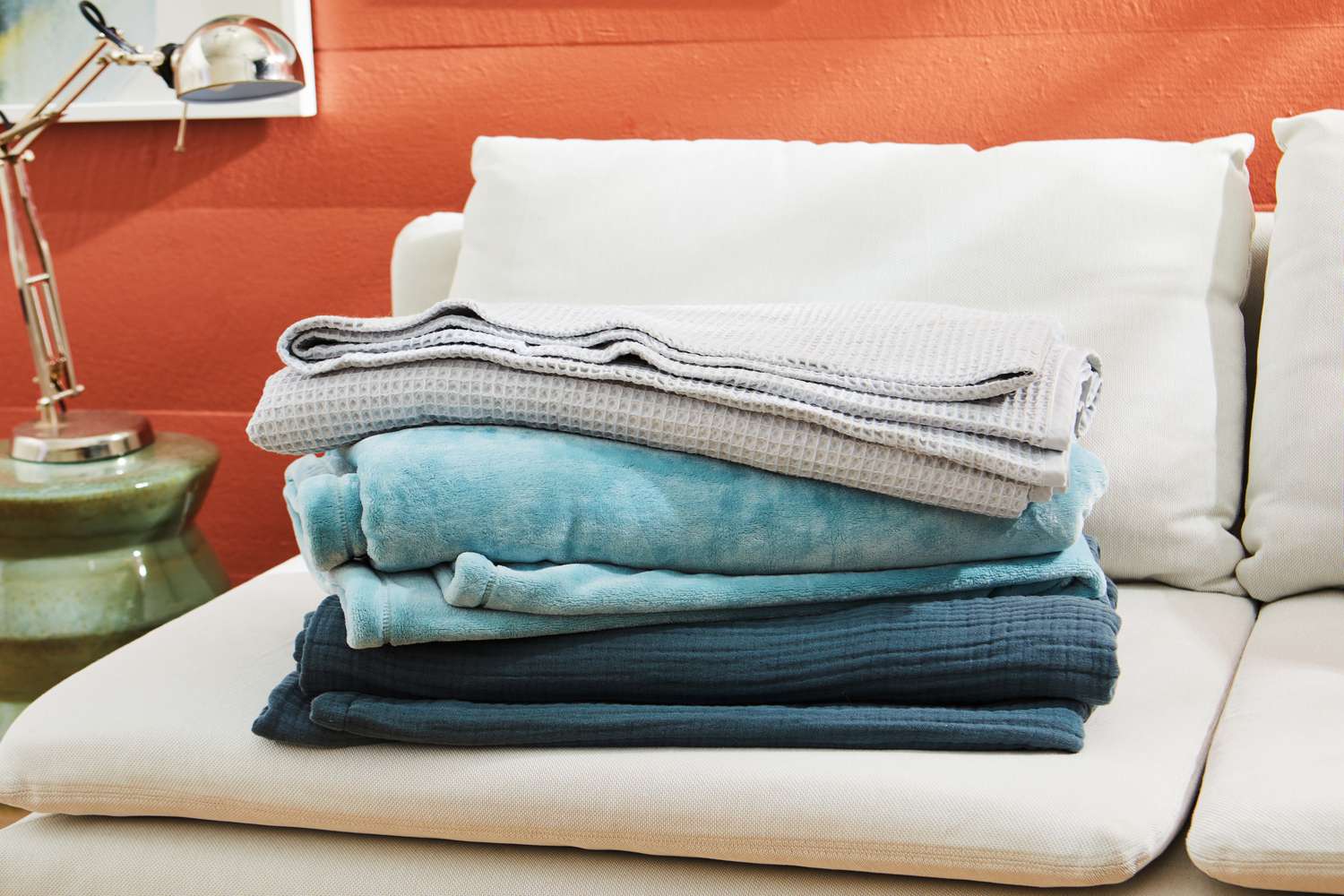
There are two types of people in this world: people who own one blanket and people who have a “blanket system.” One for the couch. One for the bed. One for guests. One that mysteriously belongs to the dog now. And one fancy throw that nobody is allowed to spill coffee on, even though it lives dangerously close to the coffee table.
When Real Simple editors rounded up their favorite throw blankets, the message was clear: the best blankets are not just warm. They are soft, stylish, easy to use, and dependable enough to survive real life. That means movie nights, accidental naps, chilly mornings, pet hair, laundry day, and the occasional “I was only going to sit down for five minutes” situation.
This guide takes inspiration from editor-loved picks such as chenille throws, rib-knit blankets, ultra-soft microfiber options, faux fur styles, and cooling eucalyptus blankets. It also adds practical buying advice based on common blanket materials, testing criteria, care rules, and real-world comfort needs. Whether you want a cozy throw blanket for the sofa, a breathable blanket for hot sleepers, or a luxurious layer that makes your bedroom look like a boutique hotel, this article will help you choose wisely.
What Makes a Blanket Truly Great?
A great blanket has to do more than look cute folded over the arm of a chair. It should feel good against the skin, match your warmth needs, hold up after washing, and fit the way you actually live. A delicate cashmere throw might be dreamy, but if your household includes toddlers, pets, popcorn, or all three, you may want something more forgiving. Beauty matters, but so does survival.
The best blankets usually balance four qualities: softness, warmth, breathability, and durability. Softness is the first thing most people notice. Warmth depends on fiber, weave, loft, and thickness. Breathability matters because nobody wants to wake up feeling like a baked potato. Durability determines whether the blanket still looks good after months of use, washing, folding, dragging, and being claimed by a cat with strong opinions.
Best Overall: A Soft Chenille Throw for Everyday Comfort
Real Simple editors praised the appeal of a luxe chenille throw, especially for its buttery feel, stylish texture, and easy everyday use. Chenille is popular because it has a plush, velvety hand without always feeling overly heavy. A good chenille blanket works beautifully on a couch, reading chair, or at the foot of a bed.
The biggest advantage of a chenille throw is versatility. It is cozy enough for chilly evenings yet not so bulky that it turns your living room into a storage puzzle. Many chenille throws also come in neutral or softly speckled colors, which makes them easy to blend into modern, farmhouse, coastal, or minimalist interiors.
Who should choose chenille?
Choose a chenille blanket if you want one blanket that can do almost everything: couch naps, guest layering, decorative styling, and daily lounging. It is especially good for people who want softness without the heavy, furry feel of faux fur or sherpa.
The only caution is care. Some chenille blankets are machine washable, while others may require gentle handling. Always check the label before tossing it into the washer with jeans, towels, and whatever else is staging a laundry rebellion.
Best Knit Blanket: Ribbed Texture With Breathable Warmth
Knit blankets are the sweater of the blanket world. They feel familiar, relaxed, and effortlessly cozy. Real Simple editors highlighted an oversized rib-knit throw as a great option because it feels soft and warm while still allowing airflow. That breathability makes knit throws especially useful for people who want comfort but do not want to overheat.
A rib-knit blanket can also be more flexible than a tightly woven blanket. It stretches slightly, drapes nicely, and looks casual in the best way. Place one over a sofa, and suddenly the room says, “Yes, I read books here,” even if the book has been face-down on the side table for three weeks.
What to know before buying a knit throw
Knit blankets can snag more easily than smoother weaves, especially in homes with pets, jewelry, or furniture with rough edges. If you have a cat who treats textiles like a climbing wall, choose a tighter knit or a less delicate texture. Also pay attention to size. A 60-by-80-inch oversized throw is much more shareable than a standard 50-by-60-inch version.
Softest Pick: Microfiber and CozyChic-Style Throws
For pure softness, microfiber throws are hard to beat. Real Simple editors noted strong affection for ultra-soft, lightweight microfiber throws, and other home testers often describe this category as cloud-like, fuzzy, and easy to love. These blankets are usually made from polyester microfiber, which gives them that plush, almost velvety feel.
Microfiber is a practical choice because it is generally machine washable, lightweight, and warm enough for year-round lounging. It is the kind of blanket people reach for without thinking. That is both a compliment and a warning: buy one good microfiber throw and your other blankets may develop an inferiority complex.
Best for comfort seekers
This type of blanket is best for people who prioritize softness above all else. It is excellent for movie nights, reading, naps, guest rooms, and gifting. However, microfiber can attract pet hair and lint, depending on the surface texture. If you have a golden retriever, a black sweater, and a white microfiber throw, congratulations: you have invented a full-time lint-rolling hobby.
Best Faux Fur Blanket: Luxury Without the Drama
Faux fur throws are for people who believe a blanket should make a statement. They are plush, glamorous, and wonderfully warm. Real Simple editors included a faux fur pick with a rich, rippled texture and a reversible design, making it both decorative and functional.
The main reason to choose faux fur is coziness with visual impact. A faux fur blanket can instantly make a bedroom or living room feel more polished. It looks expensive, even when it is simply waiting for someone to wrap up like a glamorous burrito.
When faux fur works best
Faux fur is ideal for winter, cold climates, drafty homes, and anyone who likes a heavier blanket. It can feel almost weighted because of its density. That comforting heft is lovely on freezing nights, but it may be too warm for hot sleepers or summer use.
Care is also important. Some faux fur blankets can be machine washed on cold and air-dried, while others are better dry-cleaned. High heat can damage fibers, flatten the texture, or create matting. Treat faux fur gently and it will reward you by continuing to look like it belongs in a cozy cabin with excellent lighting.
Best Cooling Blanket: Eucalyptus, Cotton, and Breathable Weaves
Not everyone wants maximum warmth. Some people want a blanket that feels cozy without turning the bed into a sauna. Real Simple editors highlighted a eucalyptus throw as a cooling option, noting its lightweight feel and temperature-regulating comfort. This category is especially helpful for hot sleepers, warmer climates, and anyone who likes a blanket even in summer.
Cooling blankets often use breathable materials such as eucalyptus-derived lyocell, cotton, bamboo viscose, linen blends, or open-weave constructions. The goal is airflow. A cooling blanket should provide a comforting layer without trapping too much heat.
Best for hot sleepers
Choose a cooling blanket if you regularly kick off covers at night, sleep in a warm room, or live somewhere humid. Look for words like lightweight, breathable, moisture-wicking, gauze, waffle, or open weave. Cotton waffle blankets are especially useful because the pocketed texture can trap a little warmth while still feeling airy.
Best Budget Blanket: Fleece and Sherpa Options
A great blanket does not have to cost a fortune. Fleece and sherpa blankets remain popular because they are soft, warm, lightweight, and widely available. Many budget-friendly fleece throws come in multiple sizes and colors, making them easy to use on beds, couches, dorm chairs, and guest rooms.
Polyester fleece is typically easy to care for and dries faster than many natural fibers. It is also naturally cozy, which explains why so many families have at least one fleece blanket that has been washed approximately 9,000 times and still refuses to retire.
What to watch for
The downside of budget fleece is that it may pill, shed, or lose softness over time. Washing it properly helps. Use cold water, a gentle cycle, and a small amount of detergent. Avoid high heat in the dryer because heat can damage synthetic fibers and make the texture less plush.
Best Natural Fiber Blanket: Cotton and Wool
If you prefer natural materials, cotton and wool are two of the most reliable choices. Cotton blankets are breathable, easy to layer, and generally easier to wash than wool. They work well in warm weather and can also serve as a middle layer in winter. Organic cotton is a popular option for shoppers who care about fiber sourcing and a softer environmental footprint.
Wool is warmer, more insulating, and naturally moisture-managing. It can provide serious warmth without needing to be extremely thick. That is why a thinner wool blanket may feel warmer than a thicker cotton blanket. The trade-off is that wool can feel scratchy to some people and often requires more careful cleaning.
Cotton vs. wool: which is better?
Choose cotton if you want breathability, easy layering, and a casual all-season feel. Choose wool if you want warmth, durability, and better insulation in cold weather. For sensitive skin, look for softer wool types such as merino or wool blends, or place the wool blanket over a top sheet rather than directly against the skin.
Best Weighted Blanket: Comforting Pressure for Restless Nights
Weighted blankets are designed to provide gentle, even pressure. Many people find that sensation calming, especially while relaxing, reading, or winding down before sleep. They are usually filled with glass beads, plastic pellets, or heavy yarn, and they come in different weights.
The general shopping rule is to choose a weighted blanket that feels comforting, not crushing. The blanket should be easy to move under and should not make you feel trapped. Hot sleepers should look for breathable cotton covers, open-knit designs, or cooling weighted options rather than thick fleece covers.
Care tip for weighted blankets
Weighted blankets can be trickier to wash than regular throws. Check the care label carefully. Some have removable covers that make cleaning much easier. Very heavy blankets may need a commercial washer or spot cleaning, because a home washing machine is not always built for that kind of load.
How to Choose the Best Blanket for Your Home
Start by deciding where the blanket will live. A couch throw has different needs than a bed blanket. A couch blanket should be easy to grab, attractive enough to leave out, and durable enough for snacks, pets, and guests. A bed blanket should match your sleep temperature, bed size, and layering style.
Next, think about warmth. If you run cold, look at fleece, faux fur, wool, sherpa, or heavier knit blankets. If you run hot, focus on cotton, linen, eucalyptus, bamboo-derived fabrics, gauze, or waffle weaves. If you want one blanket for all seasons, choose medium-weight cotton, chenille, or a breathable knit.
Size matters more than people realize. A standard throw is often around 50 by 60 inches, which is fine for solo lounging. Oversized throws around 60 by 80 inches are better for sharing or full-body coverage. For beds, choose a blanket that matches your mattress size and allows enough drape on the sides.
Blanket Care: Keep It Soft, Fluffy, and Not Weird
The fastest way to ruin a good blanket is to ignore the care label. The second fastest way is to wash everything on hot and hope for the best. Different materials need different treatment.
Fleece and microfiber usually prefer cold water, gentle cycles, mild detergent, and low or no heat. Too much detergent can cling to fibers and make the blanket feel less soft. Faux fur should be washed gently and air-dried when possible. Cotton is usually easier to launder, though some cotton blankets may shrink slightly. Wool should be washed only when the label allows it, often with cold water and wool-safe detergent.
For electric blankets, safety matters as much as softness. Look for third-party safety certification, follow the manufacturer’s instructions, avoid using damaged cords, and do not pile heavy bedding on top while the blanket is operating. A heated blanket should feel cozy, not risky. That is a life rule as much as a bedding rule.
Editor-Inspired Buying Recommendations by Lifestyle
For the person who naps accidentally
Choose a microfiber or chenille throw. It should be soft, washable, and light enough that a quick couch sit-down can become a surprise two-hour nap without regret.
For the stylish decorator
Choose faux fur, textured chenille, or a chunky knit throw. These blankets add visual interest even when nobody is using them.
For the hot sleeper
Choose eucalyptus, cotton gauze, linen blend, or waffle weave. Avoid heavy sherpa and dense faux fur unless you enjoy waking up like toast.
For the pet household
Choose machine-washable fleece, microfiber with a tighter texture, or durable cotton. Avoid delicate knits that snag easily and high-pile fabrics that trap fur.
For the cold-climate home
Choose wool, sherpa, heavy fleece, faux fur, or a layered system. One breathable base blanket plus one warm throw often works better than one giant blanket that takes up half the closet.
Personal Experience: What Living With Good Blankets Teaches You
The funny thing about blankets is that you do not realize how opinionated you are until you buy the wrong one. A blanket can look perfect online, arrive beautifully folded, and then reveal itself as too scratchy, too hot, too small, too slippery, or somehow both too thin and too bulky. Blanket shopping sounds simple until your body files a formal complaint.
In everyday use, the best blankets become part of a routine. A soft throw on the couch turns a normal evening into a small ritual. You make tea, turn on a show, pull the blanket over your legs, and suddenly the day feels less loud. A breathable bed blanket can make sleep more comfortable because it gives you coverage without overheating. A warm winter blanket can make a cold bedroom feel peaceful instead of punishing.
From experience, the most-used blanket in a home is rarely the most expensive one. It is usually the one that feels good, washes easily, and does not require a lecture before use. A luxury faux fur throw may be gorgeous, but if everyone is afraid to touch it, it becomes home decor with trust issues. Meanwhile, the simple cotton or microfiber blanket gets used every night because it is friendly, forgiving, and always available.
Texture also matters more than expected. Some people love the fluffy hug of fleece. Others prefer the dry, breathable feel of cotton. Some want the weight of faux fur; others feel trapped under anything heavy. That is why editor recommendations are useful but personal preference still wins. The best blanket according to experts should still be the best blanket according to your skin, your thermostat, and your laundry habits.
Pets add another layer of reality. A blanket may be marketed for humans, but the family dog will conduct independent testing within 11 seconds. High-pile fabrics can trap fur, open knits can snag, and delicate weaves may not survive enthusiastic paws. In a pet-friendly home, durability and washability are not bonus features; they are survival tools.
Another lesson: one blanket cannot always do every job. A cooling summer throw, a cozy winter blanket, and a decorative living-room layer may all earn their place. That does not mean you need a mountain of blankets. It means you should buy intentionally. Instead of collecting random throws because they were on sale, choose blankets by purpose: one breathable, one warm, one decorative, and one guest-friendly.
Finally, a good blanket changes how a space feels. Draped over a chair, it softens a room. Folded at the end of a bed, it adds structure. Wrapped around your shoulders, it becomes emotional support fabric. The best blankets are not just products; they are comfort tools. They help us rest, recover, decorate, and occasionally hide from responsibilities for a perfectly reasonable amount of time.
Conclusion: The Best Blanket Is the One You Keep Reaching For
The best blankets, according to Real Simple editors and other bedding testers, share a simple formula: they feel wonderful, look good, and work in real homes. Chenille throws offer everyday elegance. Rib-knit blankets provide breathable coziness. Microfiber throws win on softness. Faux fur brings winter luxury. Eucalyptus and cotton blankets help hot sleepers stay comfortable. Fleece and sherpa options deliver budget-friendly warmth.
Before buying, think about your climate, sleep temperature, cleaning routine, pets, decor style, and preferred texture. A blanket should not just impress you on day one. It should still make you happy after months of use, several washes, and at least one accidental nap that begins with “I’m just resting my eyes.”
Note: Product availability, prices, colors, and care instructions may change over time. Always check the current product label and retailer details before purchasing or washing a blanket.













