
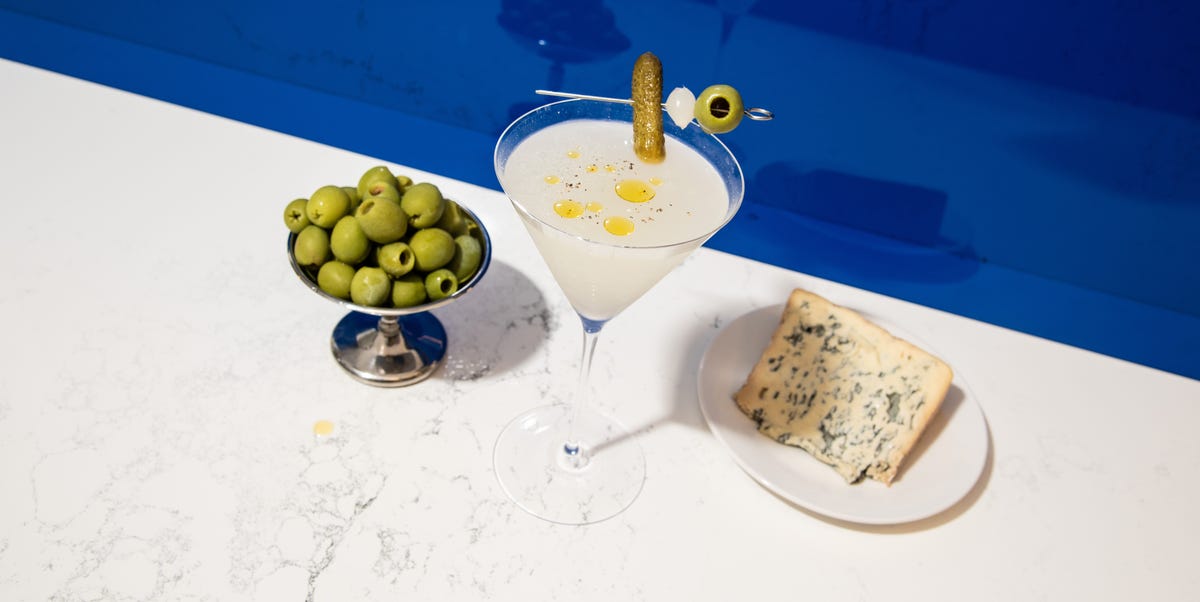
Some cocktails whisper. Some cocktails wear a tuxedo and quote Hemingway. And then there is the “Dirtiest, Filthiest” Martini, a briny, icy, olive-loaded little troublemaker that enters the room like it owns the lease. It is not here to be delicate. It is here to be savory, salty, chilled to the bone, and unapologetically dramatic.
A classic dirty martini is usually made with gin or vodka, dry vermouth, and olive brine. The “filthy” version simply turns up the volume: more brine, bolder olives, a colder glass, and sometimes a garnish situation that looks less like a cocktail pick and more like a tiny Mediterranean snack bar. Done well, it is elegant. Done badly, it tastes like someone rinsed a gym sock in pickle juice. We are aiming for elegancewith just enough chaos to keep things interesting.
This guide covers what makes a dirty martini truly dirty, how to build the ultimate extra dirty martini recipe, whether gin or vodka deserves the starring role, how much olive brine is too much, and how to serve the drink without accidentally creating a salt lick in a coupe glass.
What Is a Dirty Martini?
A dirty martini is a martini variation made by adding olive brine, also called olive juice, to the traditional mixture of spirit and dry vermouth. The “dirty” part refers to the cloudy, savory, slightly greenish tint the brine gives the drink. The flavor moves away from the crisp, botanical bite of a classic martini and toward something more saline, rounded, and snack-like.
The standard dirty martini usually includes gin or vodka, dry vermouth, a measured splash of olive brine, and a garnish of green olives. The extra dirty martini adds more brine. The filthy martini goes further still: bigger brine presence, more olives, and sometimes stuffed olives, blue cheese olives, pepperoncini brine, caper brine, or a small amount of pickle brine for a sharper savory edge.
In other words, the dirty martini is the cocktail world’s answer to the person who says, “I love olives,” and means it with frightening sincerity.
A Quick History of the Dirty Martini
The martini itself has a long, glamorous, slightly foggy history. Like many classic cocktails, its exact origin is debated, but by the late nineteenth and early twentieth centuries, martinis had become a fixture of American drinking culture. Early martinis were often wetter than many modern versions, meaning they included more vermouth than the ultra-dry martinis many drinkers order today.
The dirty martini is commonly traced to the early 1900s, when bartenders began experimenting with olives and olive brine. One popular story credits bartender John E. O’Connor at New York’s Waldorf Astoria with serving a martini that incorporated muddled olives. Whether he single-handedly invented the dirty martini or simply helped popularize one of its early forms, the idea stuck. Once drinkers discovered that olive brine could soften the alcohol’s sharpness while adding savory depth, the drink earned a permanent seat at the bar.
Over the decades, the dirty martini has moved in and out of fashion, but it never truly disappeared. Today, it is having a loud, briny revival. Modern bars often treat “dirty” as a customizable scale rather than a fixed recipe. Some guests want just a whisper of brine. Others want the drink so salty it could legally qualify as emotional support for a bowl of chips.
Why the “Dirtiest, Filthiest” Martini Works
The secret to a great filthy martini is balance. That may sound strange for a cocktail that proudly uses the word “filthy,” but it is true. The best version should taste cold, savory, polished, and intentional. It should not taste like you poured vodka into an olive jar during a power outage.
Salt Makes the Cocktail Feel Fuller
Olive brine adds salinity, and salt has a powerful effect on flavor. It can make a drink feel fuller, rounder, and less harsh. In a martini, which is mostly spirit, that matters. Brine softens the burn while adding a savory note that makes each sip feel more substantial.
Olive Brine Adds Umami
Good olive brine is not just salty. It can be tangy, herbal, slightly bitter, and deeply savory. That umami character is what separates a memorable dirty martini from a glass of cold alcohol with “olive vibes.” Better brine equals a better drink.
The Garnish Is Part of the Experience
With a classic martini, the garnish may be a graceful lemon twist or a single olive. With a filthy martini, the garnish is practically a supporting actor. Three olives are traditional. Stuffed olives add personality. Blue cheese olives bring funk. Garlic-stuffed olives bring confidence. A cocktail onion or pepperoncini says, “I have stopped pretending this is a minimalist beverage.”
The Best Spirits for a Dirty Martini: Gin or Vodka?
The gin-versus-vodka debate is where polite cocktail conversation occasionally turns into a tiny courtroom drama. Both work, but they create different drinks.
Gin Dirty Martini
Gin brings botanicals: juniper, citrus peel, coriander, herbs, spices, and floral notes depending on the bottle. In a dirty martini, gin can create a more complex drink because the brine has something aromatic to play against. London Dry gin is a classic choice because its crisp juniper backbone can stand up to olive brine without disappearing.
Choose gin if you want your martini to taste layered, herbal, and old-school. It is the version that feels like it should be served in a dim bar with a bartender who knows everyone’s secrets and says very little.
Vodka Dirty Martini
Vodka creates a cleaner, smoother, more direct dirty martini. Because vodka has a more neutral profile, the olive brine becomes the star. This is why many extra dirty martini fans prefer vodka: it lets the salty, savory flavor dominate without botanical interference.
Choose vodka if you want your drink icy, silky, briny, and straightforward. It is less “botanical garden after dark” and more “luxury freezer with olives.”
The “Dirtiest, Filthiest” Martini Recipe
This recipe is designed for people who actually want a dirty martini, not a martini that once made eye contact with an olive. It is bold, but still balanced.
Ingredients
- 2 1/2 ounces gin or vodka
- 1/2 ounce dry vermouth
- 3/4 ounce olive brine
- 1/4 ounce pepperoncini brine or caper brine, optional
- Ice
- 3 green olives for garnish
- Optional garnish: blue cheese-stuffed olive, garlic-stuffed olive, cocktail onion, or pepperoncini
Instructions
- Chill a martini glass or coupe in the freezer for at least 10 minutes.
- Add gin or vodka, dry vermouth, olive brine, and optional pepperoncini or caper brine to a mixing glass or shaker.
- Fill with plenty of ice.
- Stir for 20 to 30 seconds for a silky texture, or shake for 10 to 15 seconds if you prefer a colder, slightly cloudier drink.
- Strain into the chilled glass.
- Garnish with three olives, or build a dramatic savory skewer if your heart says “snack.”
- Serve immediately while very cold.
How Dirty Is Too Dirty?
The answer depends on your palate. A lightly dirty martini may use only a teaspoon or two of olive brine. A standard dirty martini often lands around 1/4 to 1/2 ounce. An extra dirty martini usually moves closer to 3/4 ounce or 1 ounce. A truly filthy martini can go beyond that, but caution is wise. Olive brine is powerful. Too much can flatten the drink and bury the spirit and vermouth under a salty tidal wave.
A helpful rule is to think in levels:
- Lightly dirty: 1 teaspoon to 1/4 ounce brine
- Dirty: 1/4 to 1/2 ounce brine
- Extra dirty: 3/4 to 1 ounce brine
- Filthy: 1 ounce or more, often with bold garnishes or mixed brines
For most home bartenders, 3/4 ounce of olive brine is the sweet spot for a “dirtiest, filthiest” martini that still tastes like a cocktail. More than 1 ounce can be fun, but it should be intentional, not an accident caused by slippery enthusiasm.
Stirred or Shaken?
Traditionally, spirit-forward cocktails like martinis are stirred. Stirring chills and dilutes the drink while keeping the texture smooth and clear. Shaking makes the drink colder faster, adds tiny air bubbles, and produces a cloudier appearance. For a dirty martini, either approach can work because olive brine already clouds the drink.
Choose stirred if you want a sleek, elegant dirty martini with a refined texture. Choose shaken if you want it extra cold, slightly frothy, and more assertive. The filthy martini is not a fragile flower. It can survive a shake.
Choosing the Right Olive Brine
The brine is the soul of a dirty martini. If the brine tastes flat, metallic, or harsh, the cocktail will too. The easiest upgrade is to buy good olives packed in flavorful brine. Castelvetrano olives are buttery and mild, Spanish queen olives are classic and firm, and pimento-stuffed olives bring the familiar steakhouse personality many people expect.
For a bolder drink, try brines from garlic-stuffed olives, blue cheese-stuffed olives, jalapeño-stuffed olives, or herb-marinated olives. Just remember that stuffed olives can add strong flavors quickly. Blue cheese brine can be delicious, but it also has a tendency to walk into the room before the rest of the drink has introduced itself.
Can You Make Your Own Martini Brine?
Yes. Homemade olive brine lets you control salt, acidity, herbs, and aromatics. A simple version can include water, salt, a splash of vinegar, a small amount of dry vermouth, lemon peel, peppercorns, and green olives. Let it sit in the refrigerator so the flavors mingle. The result can be brighter and cleaner than the liquid from a random supermarket olive jar.
For the filthiest martini, consider a custom brine with green olives, a strip of lemon peel, cracked pepper, a bay leaf, and a small splash of pepperoncini liquid. This adds savory flavor without relying only on salt.
The Vermouth Question
Some dirty martini drinkers skip vermouth entirely, especially in vodka versions. That creates a very clean, brine-forward drink, but it can also feel one-dimensional. Dry vermouth adds herbal complexity, acidity, and structure. Even a small amount can make the martini taste more complete.
For a filthy martini, 1/2 ounce of dry vermouth is enough to support the drink without stealing attention from the brine. If you prefer a drier profile, reduce it to 1/4 ounce. If you love a wetter, more classic martini style, increase it to 3/4 ounce and reduce the brine slightly.
One important tip: keep vermouth in the refrigerator after opening. Vermouth is wine-based, so it oxidizes over time. Old vermouth can make a martini taste dull, sour, or dusty. No one wants a dusty filthy martini. That sounds like something found behind a haunted minibar.
Best Garnishes for a Filthy Martini
The garnish is where the “dirtiest, filthiest” martini earns its title. A single olive is polite. Three olives are classic. A loaded skewer is a statement.
Classic Green Olives
Firm green olives are the safest and most traditional choice. They bring salt, texture, and a clean olive flavor without overwhelming the drink.
Blue Cheese-Stuffed Olives
Blue cheese-stuffed olives add creamy funk and a steakhouse feel. They are fantastic with vodka dirty martinis, especially when the drink is very cold.
Garlic-Stuffed Olives
Garlic-stuffed olives add boldness and aroma. Use them when you want the drink to lean savory and fearless. Maybe do not schedule a first kiss immediately afterward.
Pickled Extras
Try cocktail onions, caper berries, pepperoncini, or cornichons for a playful variation. These garnishes push the drink toward “pickle martini” territory, but in the right mood, that is not a flaw. It is a lifestyle choice.
Common Mistakes to Avoid
Using Warm Glassware
A dirty martini must be cold. Not cool. Not “the glass was near the fridge.” Cold. Chill the glass, use plenty of ice, and serve the drink immediately.
Using Bad Brine
If you would not happily eat the olives, do not use their brine. The brine should taste savory, fresh, and cleannot stale, muddy, or tinny.
Overdoing the Brine Without Adjusting the Drink
Adding more brine changes the structure. If you use a full ounce of brine, consider a slightly stronger spirit pour or a firm vermouth backbone. Otherwise, the drink may taste watery and salty instead of bold and balanced.
Forgetting Dilution
Martinis need dilution. Stirring or shaking with ice is not just about temperature; it softens the alcohol and integrates the ingredients. A martini mixed without proper dilution can taste sharp and unfinished.
Food Pairings for the Dirtiest Martini
A filthy martini loves salty, fatty, savory foods. It is excellent with oysters, shrimp cocktail, potato chips, deviled eggs, fried olives, cheese boards, charcuterie, smoked almonds, and steakhouse appetizers. It also pairs beautifully with foods that have acidity, such as pickled vegetables or lemony seafood.
For a casual night, serve it with kettle chips and olives. For a fancier spread, pair it with smoked salmon, whipped feta, marinated artichokes, and warm bread. For peak drama, serve it before a steak dinner and pretend you are the mysterious person at the end of the bar who definitely has a fascinating backstory.
Variations Worth Trying
The Blue Cheese Filthy Martini
Use vodka, 3/4 ounce olive brine, 1/2 ounce dry vermouth, and blue cheese-stuffed olives. This version is creamy, salty, and bold without needing any extra ingredients.
The Pepperoncini Dirty Martini
Replace 1/4 ounce of olive brine with pepperoncini brine. The result is tangier, brighter, and slightly spicy. It is perfect for people who think olives are great but could use a little mischief.
The Caper-Brine Martini
Add a teaspoon of caper brine to the standard recipe. Caper brine brings a sharper, more Mediterranean flavor and works especially well with gin.
The Freezer Dirty Martini
Batch the spirit, vermouth, brine, and a little water in advance, then chill it in the freezer. This makes serving effortless and keeps the drink extremely cold. Do not freeze the garnishes in the mixture; add them fresh when serving.
How to Batch a Dirty Martini for a Party
Batching martinis is convenient because the drink contains no juice that must be squeezed at the last second. For eight servings, combine 20 ounces vodka or gin, 4 ounces dry vermouth, 6 ounces olive brine, and 4 ounces filtered water in a sealed bottle or pitcher. Chill thoroughly in the refrigerator or freezer. When ready to serve, pour about 4 ounces into each chilled glass and garnish with olives.
The added water replaces the dilution you would normally get from stirring with ice. Without it, the batch can taste too strong. With it, the drink becomes smooth, cold, and dangerously easy to pour. Label the bottle clearly unless you want someone mistaking it for a very confusing salad dressing.
Experience Notes: Living With the “Dirtiest, Filthiest” Martini
The first time you make a truly filthy martini at home, you learn two things immediately. First, the freezer is your best friend. Second, there is a big difference between “I enjoy olive brine” and “I have built a small inland sea in a cocktail glass.” The drink rewards confidence, but it punishes recklessness. A measured pour of brine tastes intentional; a random glug from the jar tastes like the olives staged a coup.
One of the most satisfying parts of the dirty martini experience is the ritual. You chill the glass until it looks frosty. You hear the ice crackle in the mixing glass. You pour the spirit, then the vermouth, then the brine, and suddenly the whole kitchen smells faintly like a very glamorous deli. Stirring feels elegant. Shaking feels theatrical. Either way, when the drink lands in the glass, pale and cloudy with olives resting on the rim, it has presence. It looks like a cocktail that has opinions.
In social settings, the filthy martini is a conversation starter. People rarely respond neutrally. Someone will say, “That looks amazing.” Someone else will make a face like you offered them seawater in formalwear. Then the olive people gather. They always do. They discuss brine levels, stuffed olives, vodka versus gin, and whether blue cheese belongs in a drink. The answer is yes for some people, absolutely not for others, and “please stop yelling near the cheese board” for everyone else.
The best home version often comes from small adjustments over time. Maybe your first one uses too much brine, so the next one gets a touch more vermouth. Maybe gin feels too busy, so you switch to vodka. Maybe vodka feels too quiet, so you return to gin with a brinier olive. Maybe you discover that one teaspoon of pepperoncini brine turns the whole drink electric. That is the fun of it. A dirty martini is not just a recipe; it is a preference test in a chilled glass.
It also teaches restraint, oddly enough. Because the drink is strong and salty, it is meant to be sipped slowly. One excellent filthy martini is charming. Three can turn the evening into a documentary with missing footage. The smartest way to enjoy it is with food, water, and a little respect for the fact that the glass may look elegant, but it contains mostly spirit. Serve it with snacks, take your time, and let the olives do their tiny salty victory lap at the end.
After enough experiments, the “perfect” filthy martini becomes personal. Mine would be vodka when I want clean brine intensity, gin when I want complexity, always a chilled glass, never dusty vermouth, and usually three olives because one looks lonely and two feels suspicious. A small splash of pepperoncini brine is welcome. Blue cheese olives are invited only when the mood is dramatic. The goal is a drink that tastes cold, savory, balanced, and just filthy enough to make a classic martini raise one eyebrow.
Conclusion
The “Dirtiest, Filthiest” Martini is not just a dirty martini with extra olive juice. It is a carefully balanced savory cocktail built around cold temperature, quality brine, the right spirit, fresh vermouth, and a garnish that knows how to make an entrance. Whether you prefer gin or vodka, stirred or shaken, classic olives or a full pickled parade, the key is control. Add enough brine to make the drink bold, but not so much that it becomes a dare.
Start with a reliable ratio: 2 1/2 ounces gin or vodka, 1/2 ounce dry vermouth, and 3/4 ounce olive brine. Chill everything, taste thoughtfully, and adjust from there. The best filthy martini should be icy, savory, salty, smooth, and slightly outrageousin the most charming way possible.
Note: This article is intended for readers of legal drinking age. Please enjoy cocktails responsibly.














