
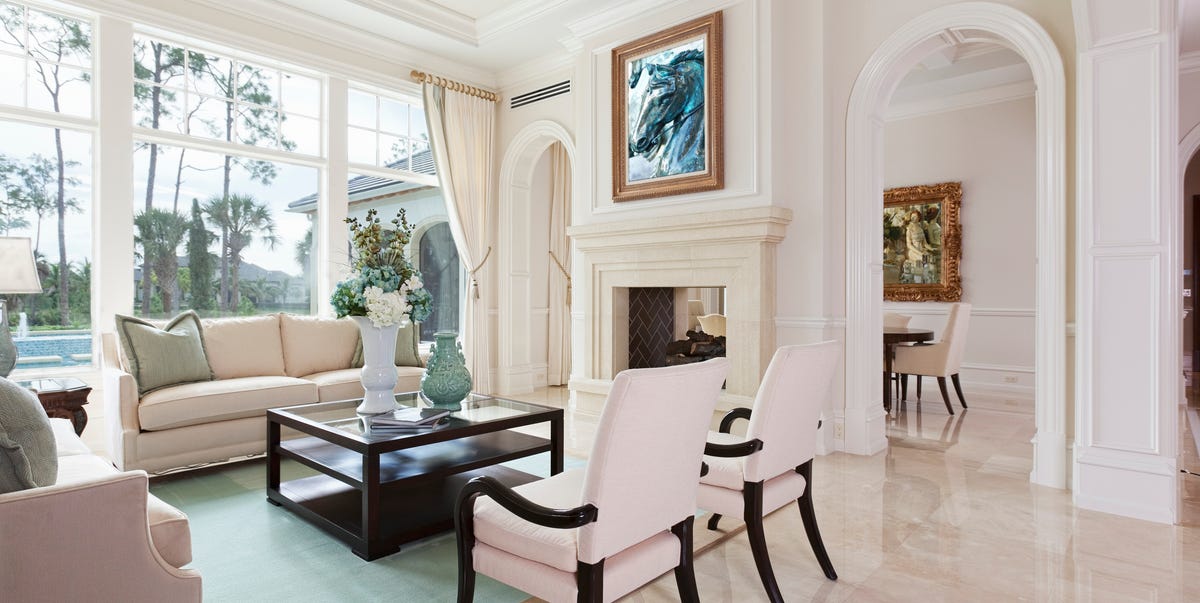
For decades, the formal living room was the architecturalce field that seemed to whisper, “Please admire from the hallway.”
That version of the formal living room is rapidly losing its appeal. Many designers and homeowners are replacing rigid, rarely used sitting rooms with spaces that are polished enough for guests but comfortable enough for Tuesday night. The new goal is not to eliminate elegance. It is to create an elegant living room that actually participates in family life.
Today’s best living rooms may function as reading lounges, homework stations, game rooms, cocktail spaces, media zones, or quiet retreats. They still look sophisticated, but nobody panics when someone arrives carrying coffee.
Why the Traditional Formal Living Room Is Falling Out of Favor
A classic formal living room was usually positioned near the front entrance and reserved for receiving visitors. Its layout tended to be symmetrical, its furniture coordinated, and its purpose surprisingly narrow. It was designed to make an excellent first impression, even if the household spent most of its time somewhere else.
That arrangement made sense when homes had clearly separated rooms and social customs were more structured. Modern routines are different. Families stream movies, work remotely, play games, entertain casually, and move between activities throughout the day. A room that performs only one ceremonial duty can feel like an expensive employee who shows up twice a year and still demands the corner office.
Unused Square Footage Has Become Harder to Justify
Housing costs have made homeowners more conscious of how every room functions. A beautifully decorated space that remains empty most of the week may look impressive, but it does not provide much practical value.
People increasingly expect rooms to earn their place. A living room might need to accommodate morning coffee, afternoon emails, children’s activities, evening conversation, and weekend guests. This demand for versatility is one of the biggest reasons multifunctional living room design has replaced the untouchable parlor.
Entertaining Has Become More Relaxed
Modern hosts are less likely to stage a formal reception in a room where nobody knows whether they are allowed to sit. Guests tend to gather wherever the atmosphere feels naturaloften near comfortable seating, food, music, or an easy route to the kitchen.
A successful entertaining space now encourages people to settle in rather than remain perfectly upright. Chairs are arranged for conversation, tables are within reach, and upholstery is chosen to survive both red wine and the friend who tells stories using enthusiastic hand gestures.
Comfort Is No Longer Considered the Enemy of Style
Older formal rooms often treated comfort as a suspicious modern invention. Contemporary interiors take a different approach. Deep seats, supportive cushions, soft rugs, layered lighting, and practical fabrics can all exist alongside antiques, tailored drapery, architectural molding, and serious artwork.
This combination has created a new form of casual luxury interior design: rooms that feel thoughtful and elevated without becoming stiff.
What Is Replacing the Formal Living Room?
The replacement is not necessarily a family room filled with reclining furniture and tangled charging cables. Designers are creating what might be called the elevated everyday living rooma flexible, attractive space that looks finished but remains genuinely usable.
Conversation-Focused Layouts
Instead of lining furniture along the walls or pointing every seat toward a television, modern layouts bring people closer together. Sofas and chairs may face one another around a central table, while a second pair of chairs creates a smaller conversation zone near a window or fireplace.
Furniture does not need to be perfectly symmetrical. Slightly varied heights, shapes, and materials can make a room feel collected rather than staged. The important question is not whether every chair matches. It is whether everyone can speak without performing a vocal warm-up first.
Flexible Activity Zones
A large living room can support several purposes without looking like a furniture warehouse. An area rug may define the main seating arrangement. A game table can occupy an underused corner. A console can double as a writing desk, while a window seat becomes a reading nook.
These zones allow several people to use the room at once. One person can work on a laptop while another reads, listens to music, or completes a puzzle. The room remains visually cohesive because colors, materials, and lighting connect the different areas.
Personal, Collected Interiors
Matching furniture suites are giving way to combinations of vintage, contemporary, custom, and inherited pieces. A traditional wingback chair might sit beside a sculptural modern table. An antique cabinet may hold a television. A tailored sofa can be softened with an old quilt or playful pillows.
This approach gives the living room a sense of history. It also prevents the space from resembling a furniture showroom where every item was purchased during the same highly efficient Saturday afternoon.
How to Modernize a Formal Living Room
1. Decide What the Room Should Do
Before buying furniture, identify how the room could improve daily life. Does the household need a quiet place to read? A space for board games? A more attractive home office? A screen-free conversation room? A music lounge?
Choose two or three compatible functions rather than attempting to include everything. A living room can be a library and cocktail lounge. It may struggle to become a library, gym, playroom, office, cinema, craft studio, and indoor pickleball court.
2. Bring the Seating Closer Together
One of the fastest ways to make a formal room feel friendlier is to reduce the distance between seats. Float the sofa away from the wall when space allows, and angle chairs toward the main conversation area.
A generous rug can visually anchor the group. Ideally, at least the front legs of the major seating pieces should rest on it. A rug that floats alone beneath the coffee table can make the furniture look as though it is avoiding commitment.
3. Replace the Matching Set
A coordinated sofa, loveseat, chair, coffee table, and end-table package can make a room feel dated. Modern living rooms benefit from controlled variety.
Keep one or two existing pieces and introduce contrast. Pair a rectangular sofa with rounded chairs, polished wood with woven texture, or traditional upholstery with a clean-lined table. Repeating one color or finish in several places will create unity without requiring identical furniture.
4. Choose Durable, Comfortable Upholstery
Performance fabrics have made it easier to combine practicality with sophistication. Many stain-resistant textiles now resemble linen, velvet, bouclé, or wool rather than outdoor furniture that wandered inside by mistake.
Households with children or pets may benefit from tightly woven fabrics, removable cushion covers, patterned upholstery, or medium-toned colors that disguise minor marks. Leather can also develop an attractive patina, provided scratches are viewed as character rather than a personal betrayal.
5. Add Movable Furniture
Lightweight chairs, nesting tables, stools, poufs, and upholstered ottomans allow the layout to change when guests arrive. A game table can become a drinks station. An ottoman may serve as a coffee table, footrest, or emergency seating.
Modular furniture is particularly useful in open or unusually shaped spaces. The goal is to create a room that can adapt without requiring a complete furniture-removal operation every time someone hosts a birthday party.
6. Layer the Lighting
A single ceiling fixture rarely produces a welcoming atmosphere. Combine overhead lighting with sconces, table lamps, floor lamps, and focused light for artwork or bookshelves.
Install dimmers whenever possible. Bright light may be helpful for cleaning or locating a missing earring, but evening conversation generally improves when the room does not resemble a dental office.
7. Integrate Technology Discreetly
A modern living room can include a television without allowing it to dominate the design. Place it within built-ins, position it in a secondary zone, conceal it behind doors, or select a display that resembles framed art when it is not being used.
Provide concealed storage for remotes, controllers, cords, and chargers. Technology should support the room’s function without turning every surface into a small electronics department.
8. Preserve the Best Formal Features
Do not remove architectural details simply because the room feels too formal. Crown molding, ceiling medallions, fireplaces, paneling, tall windows, and original flooring can give a modernized space extraordinary character.
The better strategy is often to balance those elements with relaxed furnishings. A grand fireplace can coexist with a deep sofa. Ornate molding can frame contemporary art. A crystal chandelier can hang above a casual game table. Contrast frequently feels fresher than total stylistic obedience.
Smart New Uses for an Underused Formal Living Room
A Library or Reading Lounge
Add built-in or freestanding bookshelves, comfortable chairs, warm lamps, and a small table for drinks. Darker paint or patterned wallpaper can create a cozy atmosphere, especially in a room separated from the main family area.
A Listening Room
Vinyl collections, quality speakers, acoustic textiles, and comfortable seating can turn a neglected room into a place for focused listening. Unlike a conventional media room, a listening room can remain visually elegant and largely screen-free.
A Game and Puzzle Room
A round table makes the room useful for cards, chess, mahjong, puzzles, or homework. Closed cabinetry can conceal supplies when they are not needed, preserving the room’s polished appearance.
A Hybrid Home Office
A writing desk or attractive console can fit behind a sofa or between built-ins. Choose a chair that works as both office seating and an extra guest chair. Closed storage keeps paperwork from becoming the room’s primary decorative theme.
A Cocktail and Conversation Lounge
A compact bar cabinet, comfortable chairs, low lighting, and a small music system can transform the space into an inviting evening retreat. This is formal living with a pulseelegant enough for guests but enjoyable even when the guest list consists of two people and a bowl of popcorn.
Design Mistakes That Can Keep the Room Feeling Stiff
Avoid filling the space with furniture that looks impressive but feels uncomfortable. Guests should not need excellent posture and a signed waiver to sit down.
Do not cover every surface with decorative objects. Coffee tables and side tables need enough open space for practical use. A few substantial accessories generally look more sophisticated than dozens of tiny items arranged like contestants in a ceramic figurine convention.
Be careful with overly perfect symmetry. Matching lamps or chairs can create balance, but repeating everything may remove personality. Combine structure with small variations in art, textiles, side tables, or seating.
Finally, do not design the room exclusively for hypothetical guests. The homeowners should be its most frequent visitors. A beautiful room that supports real routines will remain relevant longer than a room created to impress people who may appear twice during the holiday season.
Does the Formal Living Room Still Have a Place?
Yesprovided it is genuinely used. Some households entertain frequently, prefer screen-free spaces, or enjoy having a quiet room separated from the kitchen and television. Traditional homes may also benefit from preserving their original room divisions rather than forcing every floor plan into an open-concept template.
The key difference is intention. A contemporary formal living room can still feature fine upholstery, antiques, chandeliers, symmetry, and tailored window treatments. It simply needs warmth, flexibility, and a reason for people to enter.
In other words, formality itself is not dead. Pointless formality is having a difficult week.
Experience Notes: What Happens When a Formal Room Starts Working for a Living
Across many formal living room redesigns, the most noticeable change is not visual. It is behavioral. Before the makeover, household members often walk past the room several times a day without entering. After a desk, game table, bookshelf, or pair of genuinely comfortable chairs is introduced, the same room begins attracting people almost immediately.
The Layout Often Matters More Than New Furniture
A common experience involves homeowners assuming that every piece must be replaced. In practice, moving the furniture can produce the most dramatic improvement. Sofas that once hugged opposite walls are brought closer together. Chairs are turned inward instead of facing the doorway. A rug is repositioned to connect the seating rather than merely decorate the center of the floor.
Suddenly, conversation feels natural. Guests no longer sit in a straight line as though waiting for a job interview. The room becomes intimate even though its dimensions have not changed.
One Useful Addition Can Change the Entire Room
A small round table is frequently the turning point. It may begin as a place for chess or coffee, then become a homework station, gift-wrapping surface, puzzle table, or overflow dining area. Because it gives people a clear activity, it removes the uncertainty that often surrounds a formal room.
Bookshelves can have a similar effect. Once favorite books, photographs, and collected objects appear, the room stops feeling like a staged property listing. It begins telling the household’s story.
Comfort Encourages Better Habits
Homeowners sometimes discover that a redesigned sitting room becomes their favorite place to disconnect from screens. Comfortable chairs near a lamp encourage reading. A music system creates an evening ritual. A desk by a window offers a calmer alternative to working at the kitchen counter while someone noisily unloads the dishwasher.
The room does not need constant activity. Its value may come from providing a quieter pace than the rest of the house. The crucial difference is that the quiet is intentional, not the result of everyone being afraid to touch the sofa.
Durability Reduces Everyday Anxiety
Replacing delicate upholstery with a performance fabric often changes how people interact with the space. Parents stop redirecting children toward another room. Pet owners stop guarding the furniture like museum security. Guests relax because setting down a drink no longer feels like a high-stakes engineering decision.
Interestingly, the room may look more luxurious after becoming practical. Richly textured performance velvet, washable rugs, patterned textiles, and aged wood can add depth while disguising normal wear. A room that develops character tends to feel more inviting than one preserved in perfect but lifeless condition.
The Best Result Is Usually a Balance
Successful updates rarely erase every traditional element. Instead, they keep the beautiful architecture, favorite antiques, or elegant lighting and combine them with relaxed seating, personal objects, and flexible functions.
This balance allows homeowners to enjoy the sense of occasion that a formal room can provide without maintaining a decorative quarantine zone. The finished space still feels special, but it is special in the way a favorite restaurant is special: attractive, memorable, and clearly designed for people to use.
Conclusion: The Living Room Has to Live
The decline of the traditional formal living room reflects a larger change in interior design. Homeowners are no longer satisfied with rooms that photograph beautifully but contribute little to everyday life. They want spaces that support conversation, relaxation, work, play, and spontaneous entertaining.
That does not require abandoning elegance. Traditional details, refined furniture, valuable art, and luxurious materials can remain. The difference is that they are now mixed with comfortable seating, practical textiles, movable pieces, layered lighting, and personal collections.
The modern living room should be impressive because it worksnot because nobody is allowed inside. If a room can host a holiday cocktail one evening and a family puzzle the next morning, it has achieved something far more valuable than formality. It has become part of the home.













