Central Park has hosted sheep, Shakespeare, marathon runners, protest marches, jazz bands, picnics, roller skaters, tourists with maps held upside down, and at least one squirrel who clearly believes he owns Manhattan. But in the fall of 1917, New Yorkers saw something so strange that even the city’s professional eyebrow-raisers had to pause: a captured German U-boat sitting in Central Park.
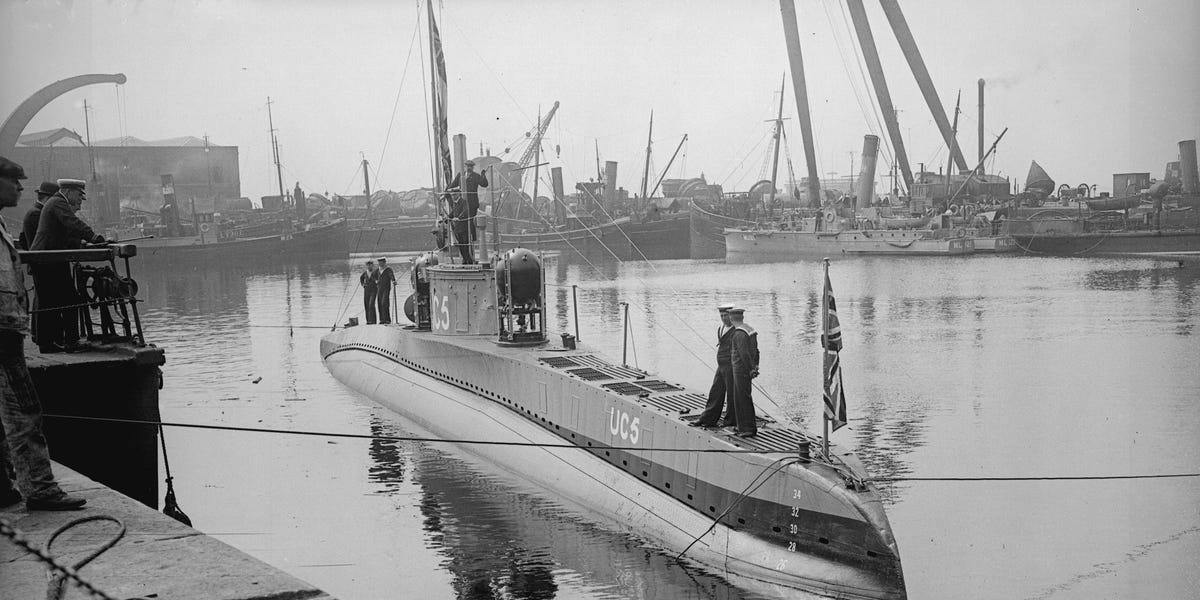
Yes, a real German submarine. Not a parade float, not a theatrical prop, and not an overambitious children’s playground. The vessel was SM UC-5, a World War I German minelaying submarine that had once prowled the waters near Britain and France. After being captured by the British, shipped across the Atlantic, and hauled through New York City, it was reassembled in Central Park’s Sheep Meadow as part of a bold Liberty Bond campaign.
The result was history, marketing, wartime propaganda, and circus-level spectacle welded together like the hull of a very confused submarine. For a brief moment, the U-boat went from enemy weapon to patriotic sales booth. Its unofficial new name said it all: “U-Buy-A-Bond.” Subtle? Absolutely not. Effective? Very much so.
How Did a German U-Boat End Up in Central Park?
The short answer is: war bonds, wartime psychology, and the American government’s excellent understanding that people will stop for anything if it is large, weird, and parked where it should not be.
In 1917, the United States had recently entered World War I. The war was expensive, and the federal government needed a mountain of money to pay for troops, ships, weapons, food, transportation, and everything else required to fight across an ocean. Liberty Bonds became one of the main ways to raise that money. Americans were asked to lend money to the government by buying bonds, with patriotism serving as both the moral argument and the marketing slogan.
But selling bonds was not as simple as putting up a sign that said, “Please finance global conflict, thanks.” Many ordinary Americans had never purchased securities before. Bonds sounded abstract. A captured enemy submarine, however, was extremely concrete. It was steel, rivets, danger, drama, and a giant visual reminder that the war was not merely a newspaper headline from Europe.
So British authorities loaned the captured UC-5 to the United States to support the Second Liberty Loan drive. The submarine was brought to New York, cut into sections for transport, moved through city streets, and set up in Central Park as a public attraction. To tour it, visitors generally had to show proof that they had purchased Liberty Bonds. It was history’s most aggressive pop-up exhibit.
Meet SM UC-5: Small Submarine, Big Reputation
SM UC-5 was not the giant cinematic U-boat many people imagine from World War II movies. It belonged to the earlier era of World War I submarines, when undersea warfare was still evolving fast and terrifying everyone even faster.
UC-5 was a Type UC I minelaying submarine built for the Imperial German Navy. It was launched in June 1915 and commissioned shortly afterward. At roughly 112 feet long, it was smaller than later U-boats, but it packed a nasty bite. Unlike torpedo-focused submarines, UC-5 specialized in laying underwater mines near busy shipping routes, harbors, and coastal approaches.
That made it dangerous in a particularly sneaky way. A torpedo attack announced itself with violence. A mine could sit silently in the water, waiting for an unlucky ship to pass over it. UC-5 carried mines in vertical tubes and deployed them where Allied ships least wanted surprises. Imagine the ocean deciding to leave a landmine in the middle of your commute.
During its career, UC-5 completed 29 patrols and was credited with sinking or damaging numerous vessels. Its work in the English Channel made it a serious threat to Allied shipping. The boat helped demonstrate why submarine minelayers were such a major headache for Britain: they forced enormous minesweeping efforts and made routine maritime movement feel like a dice roll.
The Capture: When the Hunter Became the Trophy
UC-5’s fighting career ended on April 27, 1916, when it ran aground on Shipwash Shoal in the North Sea, near the British coast. Stranded and unable to escape, the German crew attempted to scuttle the submarine. In plain English, they tried to wreck it before the British could take it.
That plan did not fully work. British forces captured the crew and salvaged the submarine. The recovery was dangerous, partly because the vessel still contained explosive hazards. Yet the British managed to raise and preserve UC-5 well enough to turn it into a war prize.
Before crossing the Atlantic, the submarine was displayed in Britain, where it served as a physical symbol of naval success. To the public, UC-5 was proof that the feared U-boat menace could be beaten. To military officials and propagandists, it was even more useful: a captured enemy machine that could be placed in front of civilians and made to tell a political story without speaking a word.
That story changed slightly when the United States entered the war. In America, UC-5 would no longer simply say, “The enemy can be defeated.” It would say, “The enemy can be defeated, and you can help by buying a bond today.”
New York City Turns a Submarine Into a Sales Pitch
By October 1917, New York was deep into Liberty Loan fever. The city saw parades, speeches, patriotic posters, celebrity appearances, military displays, and public events designed to make bond-buying feel urgent and honorable. The captured German U-boat was the star attraction because, frankly, it is hard to compete with a submarine in a meadow.
Photographs from the period show sections of UC-5 being unloaded, hauled, and prepared for display. Teams of horses helped pull parts of the submarine through the city. Workers reassembled the vessel in Central Park’s Sheep Meadow, the broad lawn now known more for sunbathers and Frisbees than captured military hardware.
The location mattered. Central Park was not a remote military yard. It was New York’s shared backyard, a democratic stage where rich and poor, immigrants and native-born citizens, soldiers and civilians could all gather. Dropping a German submarine into that space transformed the park into a theater of war finance.
And the boat’s nickname, “U-Buy-A-Bond,” was wartime advertising with a wink. It was corny, yes, but powerfully memorable. The pun turned an enemy U-boat into a call to action. Today, it sounds like something a dad would say while grilling hot dogs. In 1917, it helped sell the idea that buying a Liberty Bond was a direct blow against Germany.
Why the Display Worked So Well
The UC-5 exhibit worked because it made a distant war feel immediate. World War I was being fought thousands of miles away, mostly in Europe. For many Americans, the conflict could feel abstract: maps, casualty lists, speeches, and newspaper columns. A captured submarine changed that emotional distance.
Visitors could see the cramped interior and imagine the crew operating in darkness beneath the waves. They could touch or stand near the metal shell that had once carried mines. They could picture ships threatened by unseen explosives. The machine made the war physical.
It also simplified a complicated conflict into a clear moral image. Here was the enemy’s weapon, captured and humiliated. Here were American flags. Here was the government asking citizens to help finish the job. The message did not need a 40-page policy brief. It needed a ticket line.
The display also tapped into New York’s appetite for spectacle. This was a city that loved parades, headlines, engineering marvels, and anything that could make a crowd say, “You have got to come see this.” A German U-boat in Central Park had all the ingredients: danger, novelty, patriotism, and just enough absurdity to become unforgettable.
Sheep Meadow: From Pasture to Propaganda Stage
Sheep Meadow already had a curious identity before UC-5 arrived. In the 19th century, the lawn actually had sheep grazing on it, which is how it got its name. Central Park’s designers wanted pastoral beauty, not military drilling, and sheep were apparently the 1860s version of landscape maintenance with charm.
By World War I, however, the meadow had become a flexible civic space. It could host large public gatherings, patriotic ceremonies, and demonstrations. In 1917, the same lawn associated with peaceful leisure became a stage for wartime persuasion.
That contrast is what makes the UC-5 story so memorable. Central Park was designed as a refuge from the pressure of the city. Yet for a moment, it displayed one of the most feared weapons of modern naval warfare. The submarine looked wildly out of place, and that was exactly the point. It interrupted normal life and demanded attention.
Liberty Bonds and the Art of Selling Patriotism
The Liberty Bond campaigns were among the most ambitious public finance drives in American history. The government used posters, speeches, newspaper ads, community committees, rallies, movie stars, and military trophies to encourage participation. Buying a bond was framed not merely as an investment but as a patriotic duty.
The UC-5 display fit perfectly into this strategy. It gave people a reward for buying bonds: access, excitement, and a story to tell. A person could say, “I bought a Liberty Bond and toured a captured German submarine in Central Park.” That is a much better dinner-table anecdote than, “I reviewed a Treasury instrument with modest interest.”
Modern marketers would recognize the technique immediately. The campaign created urgency, social proof, emotional symbolism, and an unforgettable experience. It turned finance into participation. It turned participation into identity. It turned a submarine into a billboard with ballast tanks.
What Happened to UC-5 After Central Park?
UC-5 did not stay in Central Park forever. After its New York appearance, it continued to be used as a traveling exhibit, appearing in other cities as part of war-bond promotion. Like many wartime artifacts used for propaganda, its symbolic value eventually faded after the war ended.
The submarine’s final fate is generally understood to have been scrapping in the United States after World War I. That may sound anticlimactic, but it is also fitting. UC-5 began as a machine built for stealth and destruction, became a captured trophy, then a public attraction, then a fundraising tool, and finally scrap metal. Few vessels have had a stranger career path. It is the naval equivalent of going from villain to museum guest to coupon code.
Why This Story Still Fascinates People
The story of the German U-boat in Central Park endures because it feels impossible at first. Central Park and submarine warfare belong to two completely different mental folders. One contains lawns, benches, carriage rides, and hot pretzels. The other contains mines, periscopes, naval patrols, and the North Sea. Put them together and the brain asks for a receipt.
But the episode also reveals something deeper about wartime America. It shows how governments communicate urgency, how public spaces become political stages, and how objects can be transformed by context. In the North Sea, UC-5 was a threat. In London, it was a prize. In Central Park, it became a sales pitch. Meaning changed depending on where the submarine was parked.
That is why the image remains powerful. It captures a moment when modern war entered everyday civic life in theatrical form. New Yorkers did not need to imagine the submarine menace. They could walk into the park and see one, sitting on the grass like the world’s least relaxing picnic guest.
Lessons From the U-Boat in the Park
1. History Is Often Weirder Than Fiction
If a novelist invented a scene in which horses dragged pieces of a German submarine into Central Park so citizens could buy war bonds, an editor might say, “Could we make this more believable?” Yet it happened. Real history frequently has better plot twists than fiction because real people are astonishingly creative when money, fear, and patriotism are involved.
2. Public Spaces Shape Public Memory
Central Park gave the UC-5 display its emotional force. Had the submarine been placed inside a warehouse, it would have been interesting. In Sheep Meadow, it became unforgettable. The setting made the message public, communal, and impossible to ignore.
3. Propaganda Works Best When It Becomes an Experience
The Liberty Bond campaign did not rely only on posters or speeches. It created experiences people could physically enter. The UC-5 exhibit turned spectators into participants and made bond-buying feel like a ticket into history.
Experience Section: Walking the Story Today
To experience this story today, start with a walk through Central Park’s Sheep Meadow and try to mentally remove the modern scene. Ignore the yoga mats, the iced coffees, the skyline selfies, and the deeply confident pigeons. Imagine instead the autumn of 1917: crowds pressing toward the lawn, flags moving in the wind, military bands or parade noise in the distance, and a captured German submarine sitting where people now stretch out in the sun.
The exercise is surprisingly powerful because Sheep Meadow is so peaceful now. Its calm makes the contrast sharper. You stand in a place designed for rest and realize it once held a machine designed for underwater warfare. That tension is the heart of the story. Central Park did not become a battlefield, but for a short time it became a stage where Americans were asked to feel the war personally.
If you are writing, teaching, or simply telling this story to friends, the best way to make it memorable is to focus on the sensory details. Picture the submarine sections arriving in the city. Picture horses straining against heavy loads. Picture workers assembling steel in a park better known for grass and trees. Picture New Yorkers lining up not just to see a curiosity, but to prove they had bought into the national cause, literally and financially.
The UC-5 story also offers a useful way to think about museums and public history. Not every historic object stays in a museum. Sometimes the city itself becomes the museum, and the exhibit appears temporarily in a place where nobody expects it. That surprise can make people care. A submarine in a naval yard is logical. A submarine in Central Park is unforgettable.
There is also a modern lesson for anyone interested in communication. The Liberty Bond organizers understood something that still matters: people respond to stories they can see. Numbers matter, but objects make numbers emotional. A government could announce that millions or billions of dollars were needed for the war, but many citizens would shrug. Place a captured enemy submarine in the park, and suddenly the war has a shape.
For travelers in New York, this story adds a hidden layer to a familiar landmark. Sheep Meadow is not only a lawn; it is a memory field. It has held sheep, crowds, concerts, protests, patriotic rallies, and one extremely misplaced submarine. The next time you pass through, look toward the open grass and imagine UC-5 resting there under American flags. It is one of those strange historical moments that makes New York feel less like a city and more like a stage where the impossible keeps wandering in, asking where to park.
Conclusion
The one time a German U-boat wound up in New York City’s Central Park was more than a bizarre footnote. It was a perfect snapshot of World War I America: anxious, inventive, patriotic, theatrical, and very good at turning spectacle into persuasion. SM UC-5 had once been a hidden danger beneath European waters. In New York, it became a public object lesson in enemy threat, Allied success, and national duty.
Today, the story sounds almost comic because the image is so unlikely. Yet behind the oddity was a serious purpose. The captured U-boat helped sell Liberty Bonds, reminded Americans why the war mattered, and transformed Central Park into a temporary stage for global conflict. For a brief season in 1917, Sheep Meadow was not just a place for leisure. It was home to one of the strangest visitors in New York history: a German submarine with a new job, a new audience, and one very unsubtle messageU-Buy-A-Bond.