
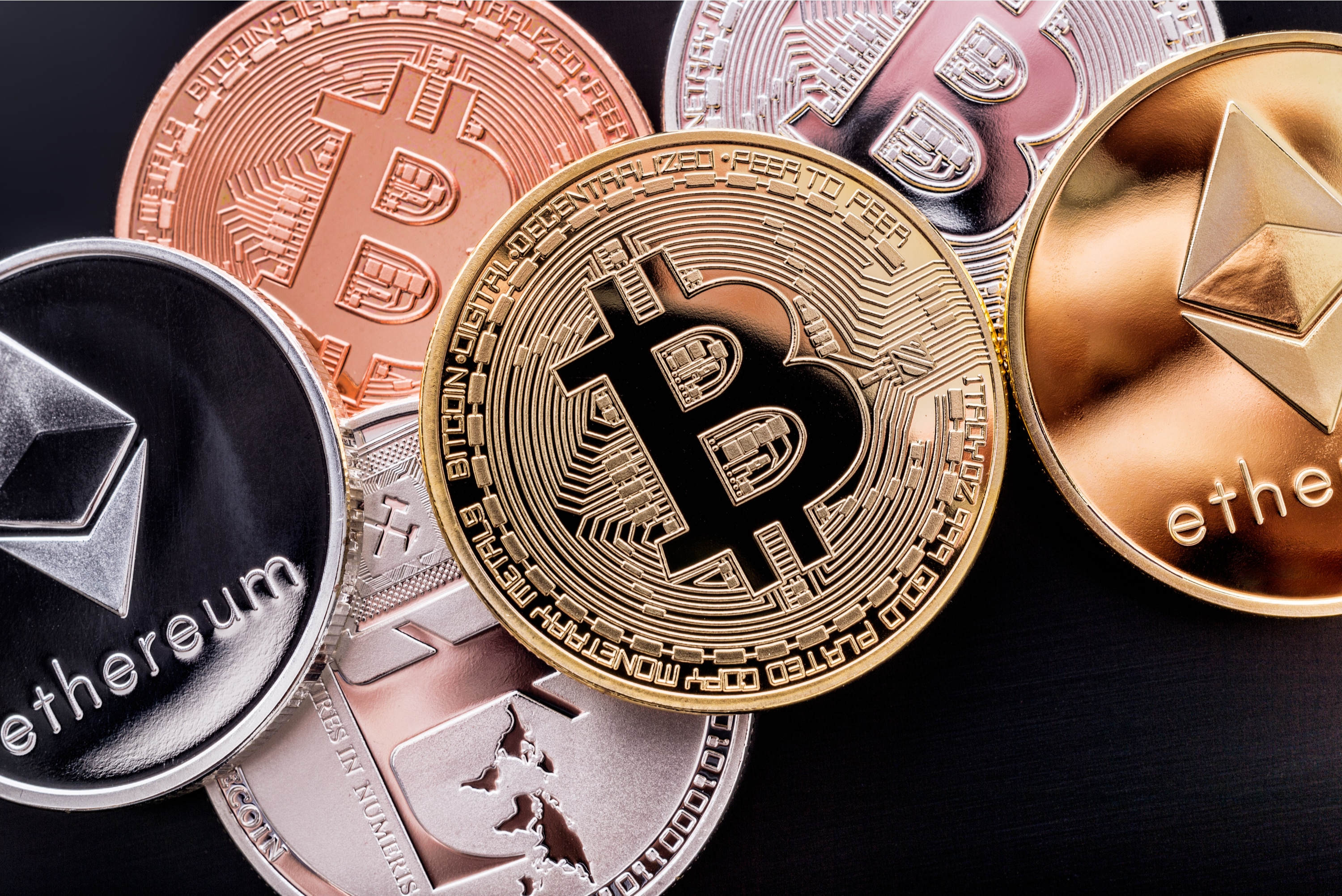
Cryptocurrency is the financial world’s version of hot sauce: a little can spice up the meal, but too much can leave you sweating, regretting your life choices, and reaching for water. For some investors, crypto represents innovation, upside, and a chance to own a piece of a new digital economy. For others, it is a volatile, confusing, scam-magnet that behaves like a roller coaster designed by caffeine.
Both sides have a point.
As a digital investment, cryptocurrency sits in an unusual spot. It is not a stock, so it does not give you ownership in a company or a stream of earnings. It is not a bond, so it does not promise regular interest payments. And it is not cash in a savings account, which means it does not come with the familiar protections many investors assume they have. Instead, crypto is a speculative digital asset class built on blockchain technology, powered by market sentiment, supply-and-demand dynamics, network effects, and plenty of debate.
That does not make cryptocurrency automatically good or bad. It makes it something investors need to understand before they buy it with one tap and a dream.
This guide breaks down the biggest cryptocurrency pros and cons, explains how crypto compares with traditional investing, and helps you decide whether digital assets deserve a tiny seat at your portfolio table or should stay outside ringing the bell.
What Makes Cryptocurrency Different From Traditional Investments?
Before weighing the pros and cons of cryptocurrency, it helps to understand why digital assets feel so different from stocks, bonds, mutual funds, and cash. Crypto is built around decentralized ledger technology, often called blockchain. Instead of a bank or brokerage keeping the master record, the transaction history is maintained across a distributed network.
That structure is part of the appeal. Supporters like the idea of an asset that can move online without relying on a traditional financial middleman. Critics point out that “less middleman” can quickly become “less protection,” especially when something goes wrong.
Another key difference is valuation. Stocks can be analyzed through earnings, revenue, cash flow, margins, and dividends. Bonds can be evaluated by yield, credit quality, and maturity. Cryptocurrency often relies more heavily on adoption trends, scarcity narratives, use cases, network growth, liquidity, and market psychology. In plain English: price can move a lot, and sometimes the explanation is “because the internet got excited.”
The Pros of Cryptocurrency as a Digital Investment
1. High Upside Potential
The biggest reason investors are drawn to cryptocurrency is simple: upside. Crypto has a history of dramatic price appreciation over certain periods, and that possibility continues to attract speculative capital. Investors who got in early on major coins like Bitcoin or Ethereum saw returns that traditional assets rarely produce in such a short time.
Of course, past gains are not a magic crystal ball. Still, the appeal is obvious. Crypto offers the possibility of outsized returns, which is why many growth-oriented investors keep watching it, even when it makes them nervous.
2. Easy Access for Everyday Investors
One reason cryptocurrency grew so quickly is accessibility. You do not need to be a hedge fund manager or wear a navy blazer while saying words like “macro regime.” In many cases, investors can open an account on a crypto platform, fund it with a bank transfer, and start buying fractions of major cryptocurrencies with relatively small amounts of money.
That low barrier to entry makes crypto more approachable than many alternative investments. You can start small, learn gradually, and avoid the old-school gatekeeping that makes some parts of finance feel like a private club with terrible snacks.
3. Potential Diversification Benefits
Some investors view cryptocurrency as a possible diversifier. The argument is not that crypto is safe. It is not. The argument is that a small allocation may behave differently from traditional assets at certain times and could potentially improve long-term return potential in a carefully managed portfolio.
That said, this point comes with an asterisk the size of Texas: crypto’s correlation with other risk assets can shift, and diversification does not erase risk. At best, crypto may function as a small speculative sleeve inside a broader investment strategy, not as a replacement for a diversified portfolio.
4. Innovation and Long-Term Digital Economy Exposure
Cryptocurrency is also a bet on digital infrastructure. Many investors are not just buying coins; they are buying into a broader belief that blockchain-based systems, tokenization, decentralized finance, and digitally native ownership models could play a larger role in the future economy.
That future may end up smaller than the loudest crypto fans predict. But it may also turn out larger than skeptics expect. Investors who want exposure to emerging financial technology sometimes see crypto as a way to participate in that evolution.
5. Limited Supply Can Appeal to Inflation Worriers
Certain cryptocurrencies, especially Bitcoin, attract investors who like the idea of limited supply. The thesis is straightforward: if an asset has a capped or constrained issuance model, it may hold appeal in a world where people worry about currency debasement, money printing, and long-term inflation.
That narrative helps explain why Bitcoin is sometimes called “digital gold.” It sounds cool, looks great in headlines, and has a certain apocalyptic charm. But it is still a theory, not a guarantee. Crypto has not consistently behaved like a stable inflation hedge in all market environments.
6. 24/7 Trading and High Portability
Unlike the stock market, the crypto market does not really sleep. Investors can buy or sell at virtually any hour, which can be convenient for people who want constant access. Crypto is also portable by design. Digital assets can be transferred online, sometimes across borders, without the same friction associated with traditional systems.
For global, digitally fluent investors, that portability is part of the attraction. Money that moves like the internet is an appealing concept.
7. Growing Mainstream Awareness
Crypto has moved far beyond the fringe. Today, many investors know what Bitcoin is, large financial institutions discuss digital assets openly, and mainstream brokerages and finance platforms publish regular crypto education. That does not mean the risk disappeared. It does mean the market is more visible, more analyzed, and better understood than it was in its earliest wild-west phase.
The Cons of Cryptocurrency as a Digital Investment
1. Extreme Volatility
This is the big one. Cryptocurrency can be breathtakingly volatile. Prices may jump on optimism, headlines, product launches, regulation rumors, social media chatter, exchange activity, or plain old speculative frenzy. They can also fall with equal enthusiasm.
That volatility is not just emotionally uncomfortable. It can wreck a portfolio if your allocation is too large, your time horizon is too short, or your risk tolerance is more “cozy cardigan” than “casino in a thunderstorm.” Many investors discover they loved crypto in theory but hated it once the price started doing gymnastics.
2. It Can Be Hard to Value Rationally
Traditional investments offer clearer valuation frameworks. Cryptocurrency often does not. Many coins do not produce cash flow, and thousands of tokens compete for attention with wildly different use cases, tokenomics, and levels of credibility.
That makes it harder to separate a promising digital asset from a shiny speculation machine with excellent marketing. Investors can end up relying on hype, community enthusiasm, or momentum rather than fundamentals. That is a dangerous way to allocate real money.
3. Regulatory Uncertainty Is Still Real
Crypto regulation in the United States continues to evolve. That matters because rule changes can affect exchanges, custody, taxes, trading access, lending products, disclosures, and how certain digital assets are classified. Investors do not need to memorize every legal development, but they should understand that regulation can reshape the market quickly.
In practical terms, that means a coin, platform, or product that looks fine today may face new compliance pressure tomorrow. Regulatory uncertainty is not a side note in crypto. It is part of the investment landscape.
4. Security Risks Often Sit With the User
People love saying blockchain is secure, and in many respects the underlying networks are robust. The trouble usually appears at the edges: hacked accounts, weak passwords, phishing attacks, fake apps, compromised exchanges, lost recovery phrases, and plain human error.
With crypto, the investor often carries more responsibility than with a traditional brokerage account. If you make a mistake, there may be no “undo” button, no helpful branch manager, and no magical customer-service wizard who can reverse the transaction. Self-custody can offer control, but control and responsibility are roommates.
5. Fraud and Scams Are Everywhere
Crypto scams are not a niche problem. Fake investment opportunities, impersonation schemes, romance scams, social media pitches, bogus giveaways, and fraudulent “urgent” transfers continue to trap consumers. The speed and irreversibility of crypto transactions make digital assets attractive to scammers.
If someone guarantees sky-high returns, claims a celebrity endorsed the opportunity, or pressures you to act immediately, that is not a once-in-a-lifetime opportunity. That is your cue to run like your Wi-Fi bill depends on it.
6. Crypto Does Not Come With Familiar Insurance Protections
This is one of the most misunderstood risks. Cryptocurrency itself is not insured the way bank deposits are insured. If you hold cash in a traditional insured bank account, you may have deposit protection up to applicable limits. Crypto assets do not work like that.
Likewise, investors should not assume the same protections that exist in parts of the securities world apply to all digital assets. That matters because many people treat a sleek app interface like proof of safety. It is not. Nice design is not insurance.
7. Taxes Can Be Annoyingly Complicated
For U.S. tax purposes, digital assets are generally treated as property, not currency. That means taxable events can arise from sales, trades, and sometimes other transactions investors may not realize create reporting obligations. If you are swapping one token for another, spending crypto, or actively trading, recordkeeping can get messy fast.
Crypto may feel futuristic, but the tax paperwork can feel very old-fashioned: spreadsheets, cost basis, transaction history, and the sudden realization that “I was just experimenting” is not a tax strategy.
8. Environmental Concerns Still Matter
Some cryptocurrency networks, particularly proof-of-work systems, have drawn criticism for heavy energy use. Not every blockchain operates the same way, and some networks are more energy-efficient than others. Still, the environmental debate remains part of crypto’s public image and long-term investment discussion.
For investors who care about sustainability, this issue can be a meaningful drawback rather than a footnote.
Who Should Consider Crypto?
Cryptocurrency may make sense for investors who have a strong stomach, a long time horizon, and a fully funded core portfolio built around more traditional assets first. In that context, crypto can function as a speculative satellite position rather than the center of the financial universe.
A cautious approach often makes the most sense. Think small allocation, clear rules, secure storage, and realistic expectations. Crypto may belong in the “high-risk, high-reward” corner of a portfolio, not in the rent-money bucket.
Who Should Probably Skip It?
Crypto may be a poor fit for investors who need stability, are close to a major financial goal, dislike uncertainty, or lose sleep when markets wobble. It is also a questionable choice for anyone who has not yet built an emergency fund, paid down toxic debt, or started a diversified long-term investing plan.
If your portfolio basics are not in place, crypto is probably not the next move. It is the side quest.
Final Verdict: Is Cryptocurrency a Good Digital Investment?
The honest answer is: it depends on the investor, the allocation size, and the reason for buying it.
The pros of cryptocurrency are real. It offers high upside potential, broad accessibility, innovation exposure, portability, and the possibility of diversification when used carefully. But the cons are just as real, and often louder: extreme volatility, scam risk, difficult valuation, tax complexity, evolving regulation, custody challenges, and fewer protections than many investors expect.
For disciplined investors, cryptocurrency may deserve a small, intentional role as a speculative digital investment. For everyone else, it may be smarter to admire the technology from a safe distance and keep your long-term wealth-building plan rooted in assets you understand.
In other words: crypto is not automatically foolish, and it is not automatically genius. It is simply risky. Treat it that way, and you will already be investing more intelligently than a surprising number of people online.
Real-World Experiences With Cryptocurrency as a Digital Investment
For many investors, the crypto experience starts the same way: curiosity mixed with fear of missing out. A friend mentions Bitcoin at dinner. A headline says digital assets are changing finance forever. A social media post makes it sound as though everyone except you got rich before breakfast. So you open an app, buy a small amount, and immediately begin checking the price far more often than any emotionally healthy person should.
Then comes the first lesson: crypto does not move like a calm, mature asset. It moves like it drank three energy drinks and read breaking news. New investors often feel thrilled on the way up and deeply philosophical on the way down. A 10% drop in a single day can feel shocking to someone used to index funds. A 20% drop can trigger existential questions. A 30% rebound can make that same investor feel like a market wizard by lunchtime.
Another common experience is confusion. Plenty of people buy crypto before they fully understand wallets, private keys, blockchain networks, gas fees, or the difference between owning an asset directly and owning exposure through another product. That is not unusual. In fact, it is one of the defining traits of the crypto market: people often invest first and study later. Sometimes that works out. Sometimes it produces the financial equivalent of assembling furniture without reading the instructions.
Security is another area where experience teaches quickly. Investors who have only used traditional brokerage accounts are often surprised by how much personal responsibility crypto can require. Lose a password, click the wrong link, send funds to the wrong address, or fall for a fake customer-service message, and the mistake may not be reversible. That realization tends to separate casual curiosity from serious investing in a hurry.
Then there is the emotional side. Some investors genuinely enjoy the fast pace, constant innovation, and global, always-open nature of crypto markets. They like researching projects, following regulation, learning about custody, and sizing positions carefully. Others discover that crypto turns them into stress goblins who stare at charts at 2 a.m. and pretend that is “strategy.”
Over time, the most successful real-world crypto experiences tend to share a few traits. Investors usually keep their positions relatively small, avoid money they cannot afford to lose, stay skeptical of hype, protect their accounts carefully, and understand that crypto is speculative by nature. The rough experiences, on the other hand, often involve oversized bets, blind trust in influencers, sloppy security, or the belief that volatility only happens to other people.
That may be the most honest takeaway of all. Cryptocurrency can be exciting, profitable, frustrating, educational, and nerve-rattling, sometimes all before lunch. As a digital investment, it is rarely boring. The challenge is making sure the experience becomes a lesson in disciplined risk-taking, not a story that begins with “So there I was, buying a meme coin because a stranger on the internet seemed confident.”













