
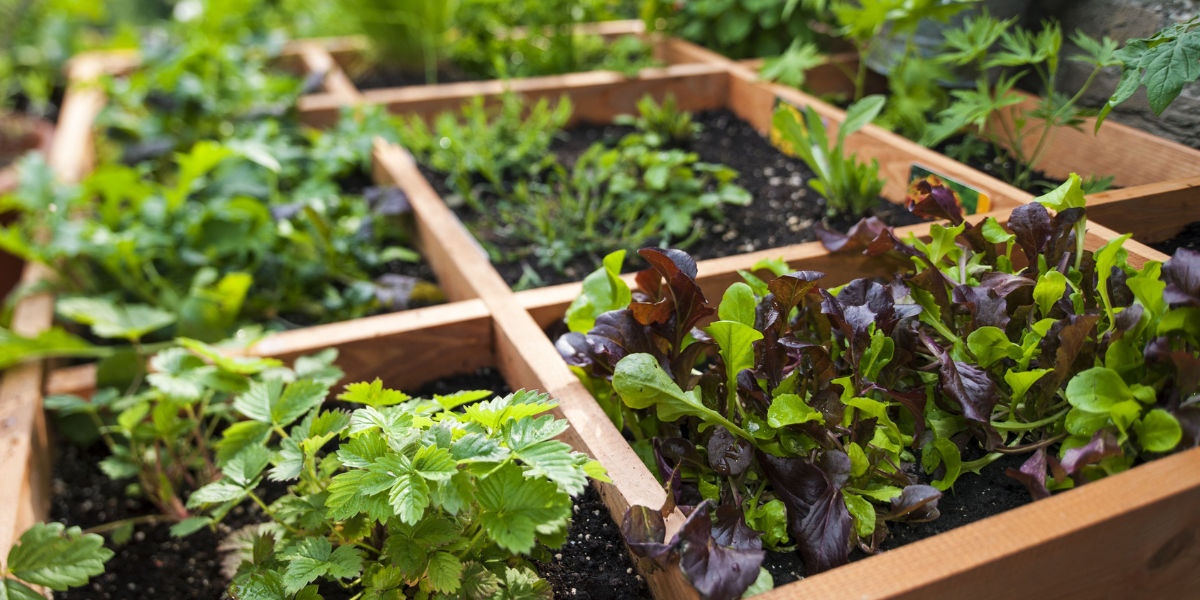
If your dream garden is bigger than your backyard, your budget, or your patience, square foot gardening might be your new favorite obsession. This method turns gardening into a tidy, productive, low-drama system that helps you grow more food in less space. Instead of long rows and mystery spacing, you build a raised bed, divide it into one-foot squares, and plant each square based on how large the crop becomes at maturity. It is organized, beginner-friendly, and oddly satisfying in the same way color-coded closets are satisfying.
Square foot gardening is especially popular with home gardeners because it saves space, reduces weeds, cuts down on wasted water, and makes planning much easier. It also helps you avoid the classic beginner mistake of planting everything everywhere and hoping the tomatoes and cucumbers will sort out their feelings on their own. They will not.
In this ultimate square foot gardening guide, you will learn how the method works, how to build the right raised bed, how to choose the best soil mix, what to plant in each square, how to water and maintain your garden, and how to avoid the most common mistakes. Whether you have a tiny suburban yard, a sunny patio, or one brave patch of ground that gets decent light, this guide will help you build a productive edible garden that makes sense.
What Is Square Foot Gardening?
Square foot gardening is an intensive gardening method that uses raised beds divided into one-foot sections. Each square acts like a mini planting zone. Instead of sowing long rows with wide walking paths between them, you make every inch of growing space count. The idea is simple: plant by the square, not by the row.
The method became famous because it made vegetable gardening feel less overwhelming. A 4-by-4-foot bed gives you 16 squares to work with. A 4-by-8-foot bed gives you 32. That means you can map your crops clearly, rotate them more easily, and keep the entire bed within arm’s reach so you never step on the soil and compact it. Your plants love that. Your knees do, too.
Why Square Foot Gardening Works So Well
The biggest advantage of square foot gardening is efficiency. Traditional row gardening often wastes space on paths, wide row spacing, and overplanting. A square foot garden packs crops closely but intentionally, which means you can harvest a surprising amount from a relatively small area.
It also keeps the garden easier to manage. Weeds have less room to move in, mulch goes farther, watering is more targeted, and planning is much more straightforward. If you have ever looked at a seed packet and thought, “That spacing chart feels like a personal attack,” square foot gardening simplifies the decision. Big crops get one square. Smaller crops share a square. Tiny root crops can be planted densely in one block. It is garden math, but the friendly kind.
Another benefit is accessibility. Raised beds can be built at a comfortable height, and the organized grid makes it easier for beginners, kids, and busy gardeners to stay on top of planting and harvesting. It is also a smart method for gardeners working with poor native soil, limited space, or a strong desire to be extremely organized with vegetables.
How to Build the Ideal Square Foot Garden Bed
Choose the Right Size
The most common square foot garden beds are 4 by 4 feet or 4 by 8 feet. That width matters. A bed that is about 4 feet wide lets you reach the center from either side without stepping into it. Length is flexible, but beginners usually do best with one or two manageable beds instead of building a backyard farming empire on day one.
Pick the Right Depth
A bed depth of about 6 to 12 inches works for many crops, but deeper beds are better for root development and moisture stability. Shallow-rooted greens can get by in less depth, while tomatoes, peppers, and squash appreciate more room. If your bed sits on hard surfaces rather than open ground, depth matters even more.
Add a Grid
This is the signature move. Divide the bed into one-foot squares using string, wooden slats, bamboo, or weather-resistant strips. The grid should stay visible through the growing season because it is not just decorative. It is your map, your spacing guide, and your reminder that yes, you really did decide to plant nine bush beans in one square on purpose.
Use Safe, Durable Materials
Cedar and untreated rot-resistant wood are common choices for raised beds. Stone, brick, and composite materials can work, too. The frame does not need to be fancy. It just needs to hold soil, define space, and survive weather without turning your garden into a splinter-based obstacle course.
Best Location for Square Foot Gardening
Most vegetables need at least 6 hours of direct sun daily, and fruiting crops such as tomatoes, peppers, cucumbers, and squash usually perform best with 8 to 10 hours. Choose a location with good drainage and easy access to water. Hauling watering cans across the yard sounds romantic for about two days.
Avoid spots near large trees or shrubs. Those roots are greedy, fast, and completely uninterested in sharing water or nutrients with your basil. Good airflow matters, too, because crowded, damp foliage is an engraved invitation for disease.
The Best Soil for Square Foot Gardening
One reason square foot gardening is so popular is that you are not stuck with poor native soil. You can fill the bed with a high-quality growing mix that drains well, holds moisture, and contains plenty of organic matter. In practical terms, that means using a loose, fertile blend built around compost and quality growing media rather than heavy, compacted dirt from the yard.
The goal is to create soil that stays fluffy enough for roots to move through easily but rich enough to feed hungry crops. Compost is the star here. It improves structure, boosts water-holding capacity, supports soil life, and keeps the bed productive. Refreshing the bed with compost between seasons is one of the easiest ways to keep yields strong.
If your raised bed sits over contaminated or questionable ground, imported soil and compost are especially useful. And if you live somewhere with clay soil that turns into a brick when dry and pudding when wet, congratulations: raised beds are your shortcut to sanity.
How Plant Spacing Works in Square Foot Gardening
The rule is simple: plant according to mature size. Large crops get fewer plants per square. Small crops get more. This keeps your garden productive without crossing into jungle territory.
| Plants Per Square | Typical Crops |
|---|---|
| 1 | Tomato, pepper, eggplant, broccoli, cabbage |
| 4 | Lettuce heads, Swiss chard, basil, large marigolds |
| 9 | Bush beans, spinach, beets, peas |
| 16 | Radishes, carrots, onions, small salad greens |
These numbers are not random. They are based on how much room plants need for airflow, root expansion, and healthy growth. Leaf lettuce might thrive with several plants in one square, while a single tomato needs one square plus a support system and a steady supply of water. A zucchini can technically fit in one square, but it often behaves like it paid rent for the whole bed, so many gardeners train or guide it carefully.
What to Plant in a Square Foot Garden
Best Crops for Beginners
Some crops are especially well-suited to square foot gardening because they grow quickly, stay relatively tidy, and reward even modest effort. Great choices include lettuce, spinach, radishes, carrots, bush beans, beets, onions, kale, basil, peppers, and compact tomatoes. These crops are productive, forgiving, and less likely to turn your garden plan into a sprawling vine festival.
Use Vertical Space
One of the smartest ways to maximize a square foot garden is to grow up, not just out. Trellises are perfect for pole beans, cucumbers, peas, and some smaller squash varieties. Vertical growing improves airflow, saves room, and keeps fruit cleaner. It also makes your garden look wildly competent, which is always a bonus.
Practice Succession Planting
When one crop finishes, plant another in the same square. That is succession planting, and it is one of the secrets to getting more harvest from a small bed. For example, start with spring spinach or radishes, then follow with bush beans or basil, and finish with fall greens. One square can do multiple jobs in one season if you plan ahead.
A Simple Square Foot Gardening Plan for Beginners
Imagine a 4-by-4-foot bed with 16 squares. You could plant 1 tomato, 1 pepper, 1 cucumber on a trellis, 1 basil square, 1 square of bush beans, 1 square of spinach, 1 square of carrots, 1 square of radishes, 1 square of beets, 1 square of scallions, 1 square of leaf lettuce, and a few herb or flower squares for pollinators and pest balance. Suddenly, a small bed becomes a real kitchen garden.
The secret is balance. Combine quick crops with longer-season crops. Put tall plants on the north side so they do not shade shorter ones. Mix edible plants with useful flowers such as marigolds or nasturtiums if you enjoy a garden that is both productive and not visually boring.
How to Water, Feed, and Maintain the Garden
Water Consistently
Raised beds dry out faster than in-ground gardens, especially in warm weather. Consistent moisture is important for crops like tomatoes, cucumbers, lettuce, and carrots. Drip irrigation or soaker hoses are ideal because they deliver water directly to the soil without soaking the walkways or wetting foliage more than necessary.
If you water by hand, aim for deep, steady watering rather than random splashes that barely dampen the surface. In general, vegetables often need about an inch of water per week, but hot weather, wind, soil type, and crop stage can change that. The best rule is to check the soil with your finger and water before plants wilt into theatrical despair.
Mulch Matters
Mulch helps conserve moisture, suppress weeds, and reduce mud splash on leaves. Straw, shredded leaves, or other clean organic mulches work well once seedlings are established. Think of mulch as a sweater for your soil, except much more useful in July.
Feed the Soil
Because square foot gardening is intensive, the soil works hard. Add compost between plantings and at the start of each new season. Fast-growing vegetables can deplete nutrients quickly, so regular organic matter is what keeps the bed from losing steam halfway through summer.
Common Square Foot Gardening Mistakes to Avoid
Planting without checking mature size. Seedlings look adorable and harmless. Mature squash does not. Always space for the adult version of the plant.
Using poor soil. If the soil is compacted, low in organic matter, or drains badly, your yields will suffer. This method depends on healthy growing media.
Ignoring crop rotation. Do not grow the same plant family in the same square year after year. Rotating crops helps reduce pest and disease buildup.
Skipping supports. Cucumbers, peas, and pole beans need vertical help. Tomatoes often do, too. Waiting until plants flop everywhere is not a strategy.
Trying to grow everything at once. A small, well-managed bed will outperform a chaotic oversized plan. Start with crops you actually eat and build from there.
Real-World Experiences With Square Foot Gardening
One of the reasons square foot gardening has such a loyal following is that the method feels practical almost immediately. Gardeners often describe the first season as a revelation. Instead of staring at a big patch of ground and guessing where things should go, they have a visible plan. The grid removes decision fatigue. A square is either planted, ready to plant, or ready to be replanted. That clarity is a huge confidence boost for beginners.
Many first-time gardeners also notice that maintenance feels far less intimidating. Weeding a traditional row garden can feel like a long-term commitment with no parole date. Weeding a few raised squares is much faster. Because the bed is organized and dense with intentional plantings, there is less empty ground available for weeds to colonize. That means gardeners spend more time harvesting and less time negotiating with crabgrass like it is a hostile business partner.
Experienced gardeners often appreciate square foot gardening for a different reason: it makes experimentation easier. You can test a new lettuce variety in one square, compare two types of carrots in side-by-side blocks, or devote a single square to succession sowing every two weeks. It turns the garden into a manageable system where small changes are easy to track. If something fails, it is disappointing, but it is usually one square of disappointment, not an entire bed of regret.
Another common experience is learning just how productive a small garden can be. Gardeners are frequently surprised by how much salad, basil, beans, and radishes can come from a well-planned 4-by-4 bed. The opposite lesson arrives with sprawling crops. Nearly every square foot gardener eventually has a cucumber, squash, or tomato that decides the grid is more of a suggestion than a rule. This is not failure. It is a rite of passage. After one season, most gardeners become much better at choosing compact varieties, pruning when appropriate, and using trellises early rather than after the vines stage a takeover.
Square foot gardening also tends to change how people think about seasonal planting. Once gardeners see that one harvested square can be replanted quickly with another crop, the bed starts to feel dynamic instead of static. Spring spinach turns into summer beans. Summer basil gives way to fall greens. Empty space stops looking like “the season is over” and starts looking like an opportunity. That shift in mindset is often what turns casual gardeners into very enthusiastic seed-packet collectors.
Perhaps the most meaningful experience, though, is that square foot gardening makes success feel reachable. People with limited mobility, tiny yards, poor soil, or minimal time often discover that they can still grow a useful amount of food. The method lowers the barrier to entry without dumbing anything down. It is structured enough to help beginners and flexible enough to keep experienced gardeners interested. And once you have stepped outside to snip herbs, pick lettuce, and pull a handful of radishes from a bed that once looked too small to matter, you start to understand the real appeal. It is not just efficient. It makes homegrown food feel doable.
Conclusion
The best thing about square foot gardening is that it makes growing food feel manageable. You do not need a huge yard, endless free time, or a mysterious gardening gene passed down from a tomato-whispering ancestor. You need a sunny spot, a raised bed, healthy soil, and a plan. From there, the grid does a lot of the heavy lifting.
If you want a productive vegetable garden that is organized, space-saving, and beginner-friendly, square foot gardening is one of the smartest methods you can choose. Start small, grow what you love to eat, keep notes, rotate crops, and remember this: every expert gardener has, at some point, planted something in the wrong square and pretended it was intentional. You are in excellent company.














