Some people collect vinyl records. Some collect houseplants, vintage mugs, or passwords they swear they will organize someday. I collect blogs.
Not literally, of course. There is no climate-controlled room filled with carefully labeled websites. Instead, there is a slightly unruly folder of bookmarks containing recipes, essays, travel advice, home tours, financial wisdom, fitness guidance, and enough delightful internet oddities to postpone folding the laundry indefinitely.
The best blogs are more than streams of information. They have recognizable voices, useful archives, strong editorial points of view, and a sense that an actual personor a thoughtful team of peopleis waiting on the other side of the screen. These favorite blogs cover very different subjects, but they all make the web feel more personal, curious, and worth exploring.
What makes a blog worth reading?
A memorable blog does not need to publish every fifteen minutes or chase every trending topic. It needs a reason to exist. Maybe it helps readers cook dinner without turning the kitchen into a disaster zone. Maybe it explains a complicated idea with cartoons. Maybe it makes an ordinary apartment feel full of possibility.
My favorite blogs generally share five qualities: a distinctive voice, practical value, trustworthy information, thoughtful organization, and enough personality to keep the content from sounding as though it was assembled by a committee of office printers.
A voice you can recognize
Good blog writing feels specific. You can often identify the author without seeing the byline. The jokes, sentence rhythms, observations, and recurring interests create a familiar reading experience. It is the digital equivalent of recognizing a friend’s footsteps in the hallwayexcept the friend has arrived with a recipe for chocolate cake.
Information that remains useful
Social media posts can disappear beneath newer content within hours. A well-maintained blog archive works differently. A recipe from ten years ago can still rescue dinner. A guide to simplifying a room can still inspire a weekend project. Evergreen content gives blogs a long memory, which is increasingly valuable on a fast-moving web.
A clear editorial point of view
The best blogs do not try to be everything for everyone. They know what they care about and how they want to discuss it. That focus is why readers return. We are not merely searching for facts; we are choosing a trusted filter for those facts.
Favorite food blogs that make dinner less dramatic
Smitten Kitchen
Smitten Kitchen has long been one of my first stops when I want food that feels special without requiring tweezers, smoke machines, or a private shipment of hand-polished salt. Created by Deb Perelman, the site describes its approach as fearless cooking from a tiny New York City kitchen. Its recipe collection emphasizes accessible ingredients, practical explanations, comfort food, baking projects, and dishes designed for actual home kitchens.
What makes the blog especially appealing is the combination of precision and personality. The instructions anticipate common mistakes, while the introductions provide context without sounding like a culinary lecture. Even ambitious recipes feel possible because the writing acknowledges that pans stick, schedules collapse, and occasionally the first pancake comes out looking like a small edible map of Delaware.
The Kitchn
The Kitchn is broader and more team-driven, covering recipes, groceries, kitchen organization, product testing, cleaning, and cooking techniques. Founded in 2005, it uses recipe developers, testers, and editors to create approachable content for everyday home cooks. Its editorial process includes testing recipes for accuracy and usability, which helps explain why its instructions tend to be practical rather than merely photogenic.
I particularly enjoy The Kitchn when I need a straightforward answer: how to store an ingredient, what to make with a package of chicken thighs, or whether a viral kitchen gadget deserves counter space. It is the friend who arrives early, rolls up their sleeves, and quietly prevents the potatoes from burning.
The Pioneer Woman
Ree Drummond began The Pioneer Woman in 2006 as a blog about family life on an Oklahoma cattle ranch. It later developed into a major lifestyle brand while retaining its emphasis on comforting recipes, family stories, country life, and warm humor.
The recipes tend to be generous, familiar, and designed to feed people who arrive hungry. This is not the place for a single decorative pea resting thoughtfully in the center of a twelve-inch plate. It is the place for casseroles, hearty breakfasts, holiday dishes, and desserts that understand butter is not a personality flaw.
Favorite blogs for homes, crafts, and creative projects
Apartment Therapy
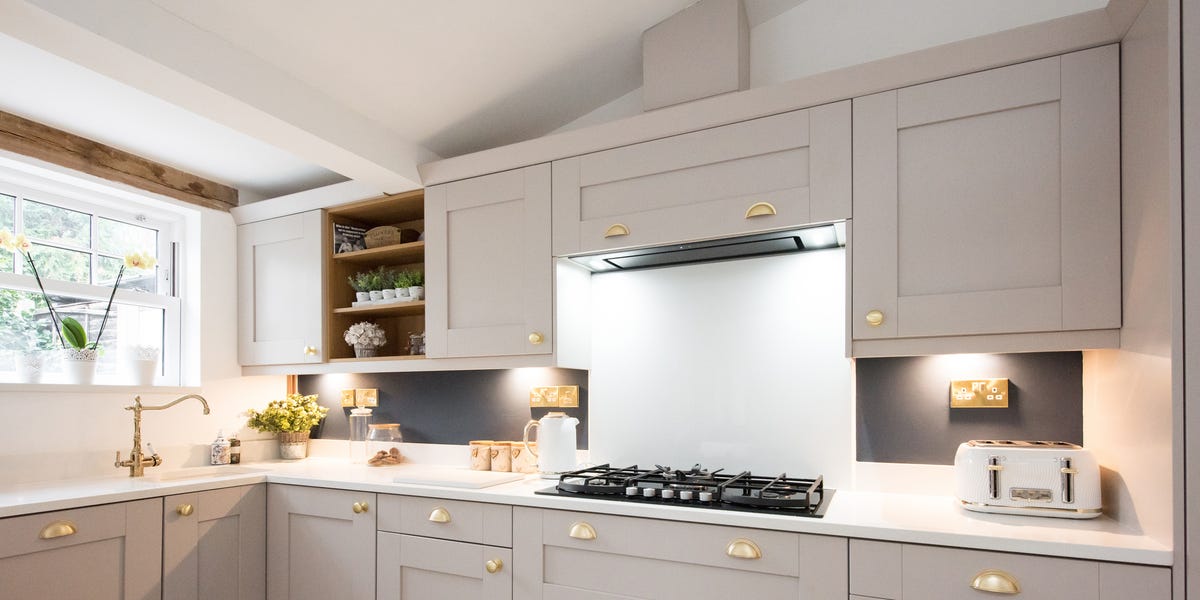
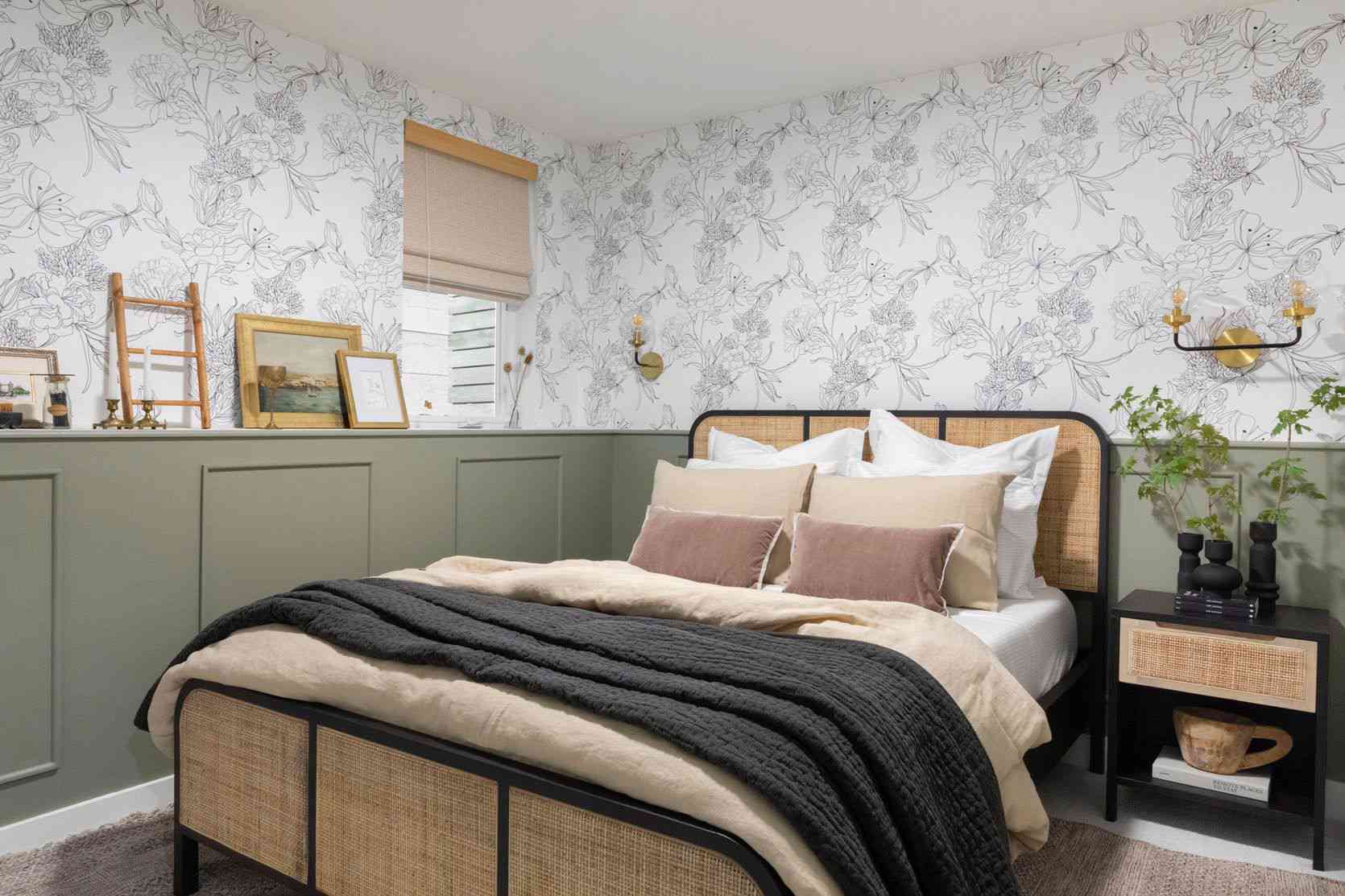
Apartment Therapy celebrates real homes rather than flawless showrooms. Its house tours, before-and-after projects, organization advice, renter-friendly ideas, and small-space solutions demonstrate how design can work within normal budgets and imperfect floor plans. The site emphasizes real homes and the people who make them personal.
Its greatest strength is possibility. A narrow rental kitchen, awkward living room, or tiny bedroom stops feeling like a design sentence and starts feeling like a puzzle. The featured homes often contain secondhand furniture, clever storage, bold paint, family objects, and evidence that human beings actually live there.
A Beautiful Mess
Founded by sisters Elsie Larson and Emma Chapman, A Beautiful Mess has spent more than fifteen years sharing crafts, recipes, home projects, photography ideas, and creative lifestyle content. Its guiding spirit is neatly summarized by the phrase “Stay Home and Make Something.”
The site is cheerful without pretending every project is effortless. It encourages readers to experiment with paint, resin, textiles, seasonal decorations, homemade gifts, and room makeovers. Some projects may leave glitter in places glitter was never invited to visit, but that is the traditional price of creativity.
Favorite lifestyle and humor blogs
Cup of Jo
Cup of Jo began in 2007 and has grown into a daily lifestyle publication covering culture, style, food, relationships, travel, and parenting. Its deeply engaged comment section is a major part of the experience, which is why the site describes its appeal as coming for the blog and staying for the comments.
The writing is conversational, observant, and emotionally intelligent. A post about a sandwich may sit beside an essay about grief, friendship, marriage, books, or raising children. That range works because the editorial tone remains warm and curious. It feels like an ongoing conversation around a very large kitchen table where someone has remembered to bring snacks.
The Bloggess
Jenny Lawson’s The Bloggess is a reminder that humor can be strange, vulnerable, dark, and deeply comforting at the same time. Lawson is a longtime blogger, columnist, and bestselling author whose work blends personal stories, absurd observations, books, community, and candid discussions of difficult experiences.
The Bloggess does not sand away life’s weird edges. It decorates them, gives them an inappropriate hat, and invites them into the family photograph. The result is writing that can make readers laugh while also helping them feel less isolated.
Favorite blogs for ideas, culture, and curiosity
The Marginalian
Created by Maria Popova, The Marginalian is a one-person exploration of meaning across literature, science, philosophy, art, poetry, history, and children’s books. The site has been independent, advertising-free, and human-written since 2006.
Reading it feels less like scrolling through content and more like entering an unusually well-read person’s study. Essays connect thinkers and artists across centuries, showing how questions about love, creativity, time, loss, and purpose continue to echo. It is best enjoyed slowly, preferably with tea and no intention of checking notifications every eleven seconds.
Wait But Why
Wait But Why is known for extremely detailed explanations, informal drawings, thought experiments, and deep dives into subjects ranging from procrastination to technology and society. Creator Tim Urban has described the site’s articles as long and deliberately deep, often following a question far beyond the point where a more sensible writer might have stopped.
The simple illustrations are part of the charm. Complicated ideas become approachable when explained by stick figures with emotional problems. The blog proves that intellectual ambition and silliness can coexist quite happily.
Kottke.org
Founded by Jason Kottke in 1998, Kottke.org is one of the oldest continuously operating blogs on the web. Its enormous archive covers art, technology, science, design, architecture, photography, music, cities, food, sports, culture, and carefully selected current events.
Kottke.org is valuable because it curates rather than overwhelms. A brief post may point toward a documentary, an interactive project, a historical discovery, or a remarkable piece of design. It feels like receiving links from the internet’s most observant friendthe one who reads everything and somehow never sends a blurry chain message from an uncle.
Seth’s Blog
Seth Godin publishes short observations on marketing, creativity, leadership, work, decision-making, and change. His blog appears daily and has accumulated close to 10,000 posts.
Many entries are only a few paragraphs long, but the best ones continue working in the mind after the browser closes. The format shows that useful business writing does not always require a forty-page report, twelve pie charts, and a meeting to explain why the meeting happened.
Favorite blogs for healthier habits and practical growth
Nerd Fitness
Nerd Fitness began in 2009 and combines exercise, nutrition, coaching, and habit-building with references to games, fantasy stories, superheroes, and popular culture. Its community is designed for everyone from complete beginners to experienced athletes.
The blog’s playful framing makes fitness feel less like punishment and more like character development. Workouts become quests, progress becomes leveling up, and setbacks are treated as part of the game rather than proof that someone should surrender to the couch forever.
Zen Habits
Leo Babauta’s Zen Habits focuses on mindfulness, simplicity, intentional work, habit change, and reducing unnecessary complexity. Its central mission is to help readers clear mental and physical clutter so they can pay attention to what matters.
The calm tone is part of its appeal. Instead of shouting about becoming a completely new person before breakfast, Zen Habits encourages gradual awareness and deliberate practice. It is a useful antidote to productivity advice that makes checking email sound like preparation for an Olympic event.
Favorite blogs for travel and personal finance
Nomadic Matt
Matt Kepnes launched Nomadic Matt in 2008 to help people travel more affordably and confidently. The site offers destination guides, budgeting advice, accommodation tips, safety information, trip-planning resources, and lessons drawn from extensive firsthand travel.
I appreciate that the advice generally focuses on the practical mechanics behind a trip. Inspiration is wonderful, but travelers also need to know what things cost, how to avoid common scams, where to sleep, and why packing seven pairs of shoes may be an act of hostility toward their future shoulders.
The Financial Diet
The Financial Diet began in late 2014 as founder Chelsea Fagan’s personal budgeting blog. It developed into a broader media company focused on helping young women discuss money, careers, spending, saving, debt, and the many emotional issues connected to personal finance.
Its strength is treating money as part of real life rather than an isolated spreadsheet exercise. Financial decisions intersect with relationships, housing, work, food, identity, and social pressure. The blog makes those conversations accessible without suggesting that every financial problem can be solved by giving up one small coffee and immediately purchasing a duplex.
How to build a personal blog-reading list
A useful collection of favorite blogs should reflect your actual interests rather than someone else’s idea of a perfectly informed person. You do not need fifty subscriptions. Start with a few sites that reliably improve your day.
Choose different kinds of value
Include one blog that helps you do something practical, one that stretches your thinking, and one that simply makes you happy. For example, a food blog can solve dinner, an essay blog can introduce unfamiliar ideas, and a humor blog can rescue a miserable Tuesday afternoon.
Use RSS feeds or newsletters
Instead of depending entirely on social algorithms, subscribe through email or an RSS reader. This allows new posts to arrive in one organized place. You decide what to read and when to read it, rather than letting a platform interrupt you with seventeen unrelated videos and a suspicious advertisement for industrial socks.
Review your subscriptions occasionally
Tastes change. A blog that was useful during a home renovation may become less relevant afterward. Another may suddenly feel essential because you started cooking, traveling, exercising, or learning about money. A reading list should evolve with your life.
Follow writers, not only topics
A subject may bring you to a blog, but voice is usually what keeps you there. When you find a writer whose perspective you trust, explore the archive. The most rewarding post may not be the one that appeared in search results.
A reader’s experience: rediscovering the slower internet
My favorite blog-reading ritual usually begins with good intentions and ends with twelve open tabs. I sit down planning to find a dinner recipe. Twenty minutes later, I have learned how someone transformed a cramped studio apartment, why procrastination behaves like an unruly creature, and which overnight train may save the cost of a hotel room.
This is not efficient research, but it is excellent wandering.
One evening, I opened Smitten Kitchen because I needed a reliable dessert for a family gathering. The recipe looked manageable, and the commentary answered questions I had not yet realized I would ask. Could the batter be prepared early? Would a different pan work? Was the finished cake supposed to look slightly rustic, or had I created a delicious structural emergency?
The cake survived. More importantly, the experience reminded me why a good blog is different from a bare recipe database. The writer’s voice stayed beside me through the process. It made the instructions feel tested, understood, and human.
On another afternoon, Apartment Therapy persuaded me to reconsider a neglected corner of my home. The space had previously served as an unofficial museum of cables, unopened mail, and objects awaiting decisions. After reading several small-space features, I moved a lamp, added a narrow shelf, and removed items that had apparently been waiting since the invention of electricity to become useful.
The result was not magazine-perfect. It was better: the corner finally worked.
Long-form blogs create a different kind of experience. Reading The Marginalian or Wait But Why requires slowing down. These are not sites I visit while standing in a grocery line. I save their essays for a quiet morning, open a notebook, and occasionally pause because one paragraph has sent my brain into a philosophical side quest.
Kottke.org offers the opposite pleasure. Its concise recommendations create paths into subjects I might never have searched for independently. A post about photography leads to architecture, which leads to urban history, which leads to a short film about an artist building sculptures out of discarded machinery. The original plan to spend five minutes online quietly packs a bag and leaves town.
Humor blogs serve another purpose. The Bloggess can turn embarrassment, anxiety, strange conversations, and ordinary chaos into stories that feel communal. Laughter does not erase difficulty, but it changes the emotional temperature. It reminds readers that being confused, overwhelmed, or gloriously odd does not disqualify anyone from belonging.
Practical blogs also influence decisions beyond the screen. Nomadic Matt has encouraged me to research transportation costs before becoming emotionally attached to a destination. The Financial Diet has made everyday spending feel worthy of honest discussion. Nerd Fitness has reinforced the idea that a small, repeatable workout is more useful than an heroic plan abandoned after three days.
Over time, these reading habits have changed how I use the internet. I search less frantically. I return to trusted archives. I save useful posts instead of assuming I will remember them through a feat of supernatural concentration. I also leave more room for curiositythe kind that has no immediate commercial goal.
That may be what I value most about blogs. They preserve the feeling that the web is not only a marketplace or a performance stage. It can still be a workshop, a kitchen table, a reading room, a travel notebook, or a funny conversation between people who may never meet.
Conclusion: the blogs we return to become part of our lives
These favorite blogs are not identical, and that is precisely the point. Some help readers make dinner. Some encourage stronger habits, smarter spending, better trips, or more thoughtful homes. Others simply offer a fascinating idea or a laugh when one is badly needed.
A truly good blog earns loyalty through consistency, usefulness, and voice. It does not merely answer a question. It creates a relationship between writer and reader, built one recipe, essay, joke, photograph, or practical guide at a time.
The internet will continue changing, as it always does. Platforms will rise, redesign themselves, add mysterious buttons, and eventually ask us to subscribe to features nobody remembers requesting. Yet blogs remain valuable because they offer something refreshingly direct: a person or editorial team with something meaningful to share.
And that is why these are a few of my favorite blogsnot because they publish the most content, but because they make reading online feel useful, surprising, and human.
SEO Information