
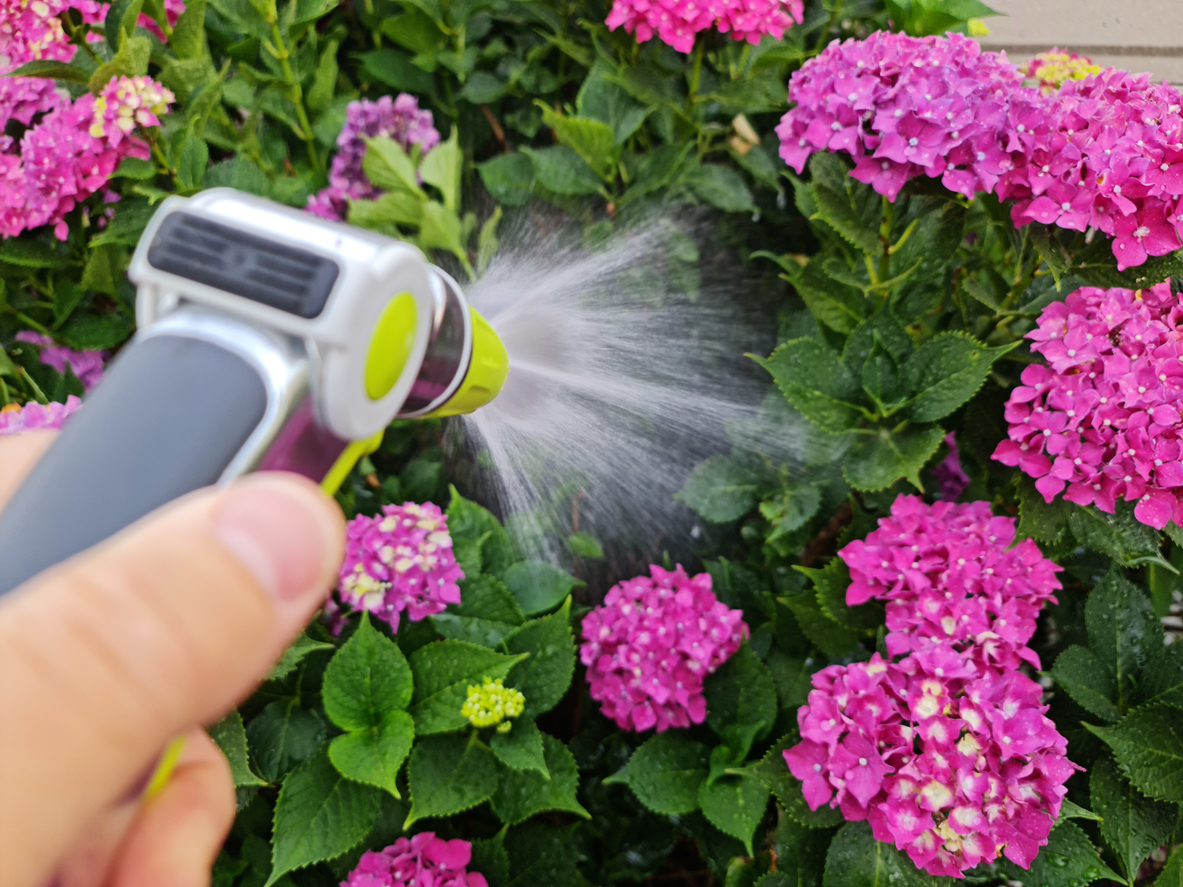
Editor’s Note: This independently written guide explores the same practical gardening question many homeowners ask every summer: when is the best time to water outdoor plants? It is written for readers who want healthier flowers, vegetables, shrubs, lawns, and container gardens without wasting water or turning their yard into a mosquito spa.
Watering plants sounds simple. You grab a hose, point it at something green, and hope your hydrangeas stop looking like they just received disappointing news. But the timing of outdoor watering can make a huge difference. The best time to water plants outdoors is usually early in the morning, ideally between about 5 a.m. and 9 a.m. At that time, temperatures are cooler, wind is usually calmer, and water has a better chance of soaking into the soil before the sun starts working its evaporative magic.
Morning watering also gives leaves time to dry during the day. That matters because damp foliage that sits wet overnight can encourage fungal diseases on many garden plants. If you have ever seen powdery mildew on squash, black spot on roses, or mysterious leaf spots that appear after humid weather, you already know that wet leaves can become a five-star resort for plant problems.
The short answer is easy: water early. The better answer is more nuanced. Different plants, soils, climates, containers, and irrigation methods all affect how much water your landscape needs and when it should receive it. A tomato in a raised bed does not drink like a mature oak tree. A container basil plant on a sunny patio can dry out faster than your patience during a hardware store checkout line. So let’s break down the smartest way to water outdoor plants without overdoing it, underdoing it, or soaking the sidewalk like it’s part of the garden.
Why Early Morning Is the Best Time to Water Outdoor Plants
Early morning watering gives plants a head start before the hottest part of the day. When water is applied while the soil is still cool, more of it can move down into the root zone instead of disappearing into the air. This is especially important during summer, when afternoon heat can cause rapid evaporation from both soil and leaf surfaces.
Watering in the morning also helps plants manage heat stress. Roots take up moisture, stems and leaves maintain better internal water balance, and the plant is better prepared for intense sunlight later in the day. Think of it as sending your garden into summer with a full water bottle instead of a vague promise that you will “get to it later.”
For gardens watered with sprinklers, morning is even more valuable. Sprinklers often wet leaves, and wet foliage needs time to dry. When leaves dry quickly after morning watering, the risk of many fungal problems is reduced. The goal is not to keep the plant looking freshly misted all day. The goal is to deliver water where it counts: the roots.
Is Evening Watering Ever Okay?
Evening watering is not automatically a gardening crime. In hot, dry weather, watering in the early evening can be better than letting thirsty plants suffer until morning. If a plant is wilting badly and the soil is dry, water it. Plants do not care that your schedule is trying to be perfect; they care that their roots are not living in dust.
However, evening watering should be done carefully. Aim water at the soil, not the leaves. Use a watering can, drip irrigation, or a soaker hose instead of blasting foliage with a sprinkler. Try to water early enough in the evening that any wet leaves can dry before nightfall. If you water late at night and leave plants damp until morning, you may invite fungal disease, especially in dense plantings or humid regions.
Evening watering can also be useful before an extreme heat day, especially for shallow-rooted plants, new transplants, annuals, and containers. A deep soak the night before a heat wave can reduce stress. Still, for routine watering, morning remains the gold standard.
The Worst Time to Water Plants Outdoors
The worst time to water most outdoor plants is during the hottest part of the afternoon. Midday watering wastes more water because heat and sunlight increase evaporation. Wind can also blow sprinkler water away from the intended area, which is how your driveway ends up hydrated while your petunias remain personally offended.
There is also a practical problem: water applied too quickly during hot weather may not soak deeply. A quick afternoon sprinkle can dampen the soil surface without reaching the roots. That encourages shallow rooting, which makes plants less resilient during dry spells. In other words, frequent shallow watering trains plants to be needy. Deep, less frequent watering encourages stronger root systems.
That said, emergency watering is different. If a plant is severely wilted, newly planted, or in a container that has dried out completely, do not wait for the “perfect” time. Water the soil slowly and thoroughly. A living plant watered at noon is better than a crispy plant watered according to schedule.
How Often Should You Water Outdoor Plants?
There is no single schedule that works for every garden. A common general guideline for vegetable gardens and many landscape plants is about 1 inch of water per week from rain or irrigation during the growing season. But that number is only a starting point, not a commandment carved into a garden stone.
Sandy soil drains quickly and may need watering more often. Clay soil holds moisture longer but can become compacted or waterlogged if overwatered. Loamy soil with plenty of organic matter usually offers the best balance because it holds moisture while still allowing oxygen to reach roots.
The best test is simple: check the soil. For many vegetables and annuals, if the soil is dry about 2 inches below the surface, it is probably time to water. For established trees and shrubs, check deeper, around 6 inches or more in the root zone. If the soil is cool and moist below the surface, skip watering. Plants can drown in good intentions.
Water Deeply, Not Dramatically
A gentle, deep soak is usually better than a fast blast from the hose. Water needs time to move into the root zone. If it runs off the surface, pools around stems, or streams into the street, you are not watering efficiently. You are simply relocating your water bill.
Deep watering encourages deeper roots. Deep roots help plants access moisture during dry periods and make them more stable in heat. Shallow watering, on the other hand, keeps roots near the surface, where soil dries out fastest.
Try the cycle-and-soak method
If your soil is compacted, sloped, or heavy with clay, water may run off before it soaks in. The cycle-and-soak method helps solve this problem. Instead of running sprinklers for one long session, water for a shorter period, pause to let moisture absorb, and then water again. For example, run a sprinkler for 10 minutes, wait 20 to 30 minutes, and run it again. This gives the soil time to accept water instead of rejecting it like an overbooked calendar.
Water the Soil, Not the Leaves
Plants drink through their roots, not through their leaves. Yes, foliage can absorb tiny amounts of moisture, but root-zone watering is far more effective. Aim water at the base of plants and avoid splashing soil onto leaves, especially with vegetables such as tomatoes, peppers, cucumbers, and squash.
Soil splash can move disease organisms from the ground onto foliage. Wet leaves can also encourage fungal and bacterial issues. This is why drip irrigation and soaker hoses are so helpful. They deliver moisture slowly and directly where plants need it, while keeping leaves drier.
If you hand-water, remove the spray nozzle or use a gentle shower setting. Water slowly around the base of the plant until moisture has soaked down several inches. If you are watering containers, continue until water runs from the drainage holes, then stop. Do not let pots sit in standing water unless the plant specifically prefers boggy conditions.
Best Watering Time for Different Outdoor Plants
Vegetable gardens
Vegetables generally prefer consistent moisture. Tomatoes, cucumbers, peppers, beans, lettuce, and squash can become stressed when soil swings from bone-dry to soggy. Water vegetables in the early morning and aim for the soil, not the leaves. Raised beds may dry faster than in-ground beds, so check them frequently in hot weather.
Flower beds
Annual flowers often need more frequent watering than established perennials because many annuals have shallower roots and grow quickly. Morning watering helps flowers stay perky through the afternoon. Mulch around flower beds to reduce evaporation, suppress weeds, and keep soil temperatures steadier.
Container plants
Outdoor containers dry out quickly because potting mix has limited volume and the sides of containers heat up in the sun. In hot weather, pots may need water daily, and small containers may need it twice a day. Morning is best, but check containers again in the late afternoon during heat waves. A wilted potted plant is not being dramatic; it may truly be out of water.
Trees and shrubs
Established trees and shrubs usually need less frequent but deeper watering. Focus on the root zone under the canopy rather than right against the trunk. Young trees and newly planted shrubs need more attention during their first year or two while roots expand into surrounding soil. A slow trickle from a hose or drip line is often better than a quick surface spray.
Lawns
Lawns are typically best watered early in the morning, when evaporation is lower and wind is calmer. Deep, infrequent watering supports stronger roots. Many lawns do not need daily irrigation. In fact, watering every day can encourage shallow roots and disease. During drought, some turfgrasses naturally go dormant and turn brown, then recover when rain returns.
Signs Your Plants Need Water
Plants usually give clues when they are thirsty. Leaves may wilt, curl, turn dull, or feel limp. Soil may pull away from the sides of containers. Footprints may remain visible in dry lawns. New plants may droop quickly because their roots are not established.
However, wilting does not always mean “add water immediately.” Some plants wilt temporarily during extreme afternoon heat even when soil moisture is adequate. If the plant perks up by evening, it may simply be reacting to heat. Before watering, check the soil. If the soil is moist below the surface, wait. Overwatering can cause yellowing leaves, root rot, fungus gnats, and weak growth.
How Mulch Makes Watering Easier
Mulch is one of the most useful tools in outdoor watering. A 2- to 3-inch layer of organic mulch, such as shredded bark, straw, pine needles, compost, or chopped leaves, helps reduce evaporation and keeps soil cooler. It also slows weed growth, and weeds are rude little freeloaders that steal water from your favorite plants.
Keep mulch a few inches away from plant stems and tree trunks to prevent rot and pest problems. Around trees, avoid the dreaded “mulch volcano.” A donut-shaped mulch ring is helpful; a mulch mountain piled against bark is not.
Smart Tools That Improve Outdoor Watering
You do not need a futuristic garden robot to water well, but a few simple tools can help. A rain gauge shows how much rain your garden actually received. A soil moisture meter can help beginners avoid guessing. Hose timers make morning watering easier if you are not interested in waking up at dawn to negotiate with mosquitoes.
For in-ground irrigation, smart controllers and rain sensors can reduce waste by adjusting watering based on weather or soil moisture. Drip irrigation systems are excellent for vegetable gardens, foundation plantings, and shrub beds because they deliver water slowly and directly to roots.
Common Outdoor Watering Mistakes
Watering on a fixed schedule
Watering every Monday, Wednesday, and Friday may sound organized, but plants do not use calendars. They respond to rainfall, temperature, wind, soil type, root depth, and growth stage. Check soil moisture before watering.
Watering too lightly
A quick sprinkle may make leaves look refreshed, but it often fails to reach roots. Water slowly enough to soak the root zone.
Ignoring rainfall
If it rained an inch this week, many garden beds may not need supplemental watering. Overwatering after rain is like ordering dessert after Thanksgiving dinner: possible, but not wise.
Spraying pavement
Adjust sprinklers so they water plants, not sidewalks, fences, patios, cars, mailboxes, or passing squirrels. Outdoor water is too valuable to waste on concrete.
Forgetting new plants
Newly planted trees, shrubs, perennials, and annuals need careful watering while roots establish. Even drought-tolerant plants need regular moisture at first.
Practical Watering Examples
Example 1: A tomato bed in July. Check the soil in the morning. If it is dry 2 inches down, water slowly at the base of each plant. Add straw or shredded leaves as mulch to reduce moisture swings. Avoid spraying the leaves, especially if your area is humid.
Example 2: A hanging basket on a sunny porch. Water early in the morning until water drains from the bottom. On very hot afternoons, check again. If the basket feels light and the soil is dry, water again gently.
Example 3: A young maple tree planted this spring. Water deeply once or twice a week depending on rainfall and soil moisture. Place the hose near the root zone and let it run slowly. Mulch around the tree, but keep mulch away from the trunk.
Example 4: A lawn during a dry spell. Water early in the morning and apply enough to moisten the root zone. If water runs off, use cycle-and-soak. Do not water every day unless you are establishing new seed and following seed-specific care instructions.
My Experience: What Actually Works in a Real Outdoor Garden
After years of watching outdoor plants behave like tiny green divas, one lesson stands above the rest: timing matters, but consistency matters too. The best watering routine is not the fanciest one. It is the one that matches the plants, the soil, and the weather.
In a mixed garden with vegetables, herbs, shrubs, containers, and a small patch of lawn, early morning watering has always produced the best results. The garden looks calmer afterward. Leaves dry by midday. The soil absorbs moisture before the afternoon sun gets aggressive. Plants that receive a steady morning soak usually handle hot days better than plants watered lightly in the evening or randomly during lunch breaks.
One of the biggest changes came from switching from overhead watering to targeted watering. At first, spraying everything with a hose felt efficient because every leaf looked shiny and happy. Unfortunately, shiny leaves are not the same as watered roots. Tomatoes developed more leaf issues, mulch splashed around, and some areas stayed dry under dense foliage. Once watering shifted to the base of plants, the garden improved. The soil stayed evenly moist, leaves stayed cleaner, and the plants seemed sturdier.
Containers taught another lesson: never assume yesterday’s watering still counts. A large in-ground perennial may be fine for days after a deep watering, but a black plastic pot in full sun can dry out with shocking speed. Basil, petunias, mint, and tomatoes in containers are especially quick to complain. The best trick is to lift the container slightly. If it feels light, check the soil. If the top inch is dry and the plant looks tired, water thoroughly until excess drains out.
Mulch has also been a quiet hero. A bare garden bed dries out faster, grows more weeds, and forms a crust after hard watering. A mulched bed stays cooler and more forgiving. Straw around vegetables, bark around shrubs, and shredded leaves around perennials all reduce how often watering is needed. The garden also looks more finished, which is a nice bonus if your yard occasionally looks like a botanical experiment supervised by raccoons.
The most surprising lesson is that overwatering can look a lot like underwatering. Yellow leaves, drooping stems, and poor growth can happen when roots are too wet and oxygen-starved. That is why checking soil is better than guessing. The finger test, a trowel test, or a moisture meter can prevent many mistakes. If the soil is moist below the surface, wait. Plants need water, but roots also need air.
During heat waves, flexibility is key. Morning watering remains the main routine, but vulnerable plants may need extra help. Containers can be moved into afternoon shade. New transplants may need a second soil-level drink. Vegetable beds may benefit from deeper watering before the hottest day arrives. The rule is not “never water outside the morning.” The rule is “make morning your default, then respond to real plant stress.”
For busy gardeners, a simple hose timer can be life-changing. Set it for early morning, attach it to a soaker hose, and the garden gets watered while you are still negotiating with your alarm clock. Just remember to adjust the schedule after rain. Automatic watering is helpful, but automatic overwatering is still overwatering with better branding.
The best outdoor watering habit is observation. Walk the garden. Look at the leaves. Feel the soil. Notice which beds dry first, which containers wilt fastest, and where sprinklers miss. After a few weeks, your garden tells you what it needs. Thankfully, it does this silently, which is more than can be said for most household appliances.
Conclusion
The best time to water plants outdoors is early in the morning, especially between 5 a.m. and 9 a.m. Morning watering reduces evaporation, gives roots time to absorb moisture, and allows wet leaves to dry before night. For most outdoor plants, watering deeply and less frequently is better than sprinkling lightly every day.
Still, the smartest gardeners pay attention to soil moisture, weather, plant type, and season. Water the soil, not the leaves. Use mulch to conserve moisture. Choose drip irrigation or soaker hoses when possible. Avoid watering pavement, and do not let a fixed schedule override what your plants and soil are telling you.
In short, water early, water deeply, and water with purpose. Your plants will be healthier, your water bill may be friendlier, and your garden will stop giving you that crispy, judgmental look.











