Note: This is an independent educational guide inspired by widely reported sleep-health guidance, including principles discussed by Harvard Health. It is not published by or affiliated with Harvard Health.
There is a special kind of afternoon tiredness that makes your inbox look like it was written in ancient runes. Your coffee has stopped being charming, your brain is buffering, and even simple decisionssuch as whether to answer an email now or stare at the wall for six minutesfeel unnecessarily dramatic.
Enter the power nap: a short, intentional rest designed to improve alertness without turning your day into a surprise overnight stay on the couch. Done well, a power nap can help you reset your focus, lift your mood, reduce fatigue, and make the second half of the day feel less like a marathon in office shoes.
Done poorly, however, it can leave you waking up disoriented, mildly offended by daylight, and somehow later to bed that night. The difference is not luck. It is timing, duration, environment, and knowing when a nap is helpful versus when it is covering up a bigger sleep problem.
What Is a Power Nap?
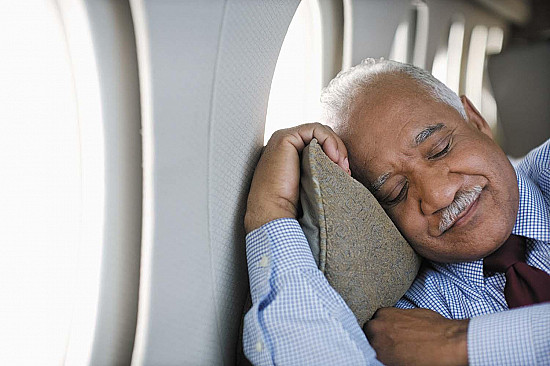
A power nap is usually a brief daytime sleep period lasting about 10 to 30 minutes. The goal is to rest long enough to get a mental and physical recharge while avoiding the deeper stages of sleep that can make waking up feel like being launched from another dimension.
Most sleep experts place the sweet spot around 15 to 20 minutes, although some people do well with up to 30 minutes. This range typically lets you get some lighter sleep without drifting too far into deep, slow-wave sleep. That matters because waking suddenly from deeper sleep can trigger sleep inertiathe sluggish, foggy, “Why is my phone in the refrigerator?” feeling that can follow a long nap.
A power nap is not a replacement for a full night of sleep. Think of it as a useful pit stop, not a new engine. If you regularly rely on naps because you are getting too little sleep at night, the real fix may be earlier bedtime habits, better sleep quality, or a conversation with a health professional.
Why a Short Nap Can Make You Feel Better
Your energy naturally dips in the early afternoon. This is partly related to your internal body clock and is not always proof that your lunch was too large or that pasta has personally betrayed you. A short nap during this window may help restore alertness when your attention starts to wander.
Research and sleep-health guidance commonly link short daytime naps with benefits such as improved attention, faster reaction time, better mood, reduced fatigue, and stronger short-term work performance. For students, a well-timed nap can make it easier to return to reading or problem-solving. For office workers, it may reduce the temptation to send a message that begins with, “Per my last 47 emails…”
The benefit is not only mental. Taking a break from constant stimulation can lower the sense of overwhelm that builds during a busy day. A quiet 20-minute reset may help you return to tasks with more patience, especially when the alternative is trying to power through while your brain waves a tiny white flag.
The Best Power Nap Length: Short, Sweet, and Strategic
The 10-Minute Nap
A 10-minute nap can be useful when time is tight. It may improve alertness without requiring much recovery time afterward. This is a practical option before a meeting, during a break, or when you feel tired but do not have enough room in your schedule for a longer rest.
The 15- to 20-Minute Nap
For many adults, this is the classic power nap. It is long enough to provide a genuine refresh but short enough to reduce the likelihood of waking from deep sleep. Set an alarm for 20 minutes, not “whenever my body feels spiritually complete.” Your body may have excellent intentions, but it is not always a reliable project manager.
The 30-Minute Nap
A 30-minute nap can still work, especially after a rough night, but it is closer to the line where grogginess becomes more likely. Some people wake refreshed; others wake feeling like they have been rebooted with an outdated operating system. Experiment carefully and notice how you feel afterward.
Longer Naps
Naps lasting more than 30 to 60 minutes can sometimes be helpful in specific situations, such as night-shift schedules, acute sleep loss, illness recovery, or certain medical needs. But for many people with standard daytime schedules, long or late naps can interfere with nighttime sleep and create a frustrating cycle: poor sleep at night, long nap in the day, worse sleep at night, repeat until your bed starts receiving mixed reviews.
When Should You Take a Power Nap?
For most people, the best time for a power nap is in the early afternoon, often between about 1:00 p.m. and 3:00 p.m. This is when many adults naturally experience a dip in alertness.
Try to avoid napping late in the day, especially if you already have trouble falling asleep at night. A nap after 3:00 p.m. may reduce your sleep drivethe natural pressure that helps you fall asleep at bedtime. If your usual bedtime is early, your ideal nap window may be even earlier.
Timing matters as much as duration. A perfect 20-minute nap at 5:30 p.m. can still interfere with a normal bedtime. Meanwhile, a simple 15-minute nap at 1:30 p.m. may help you feel sharper without upsetting your nighttime routine.
How to Create the Perfect Power Nap Setup
You do not need a luxury sleep pod, a cloud-shaped mattress, or a soundtrack of distant whales negotiating a contract. A simple, comfortable environment is enough.
Find a Quiet, Safe Place
Choose a place where you can relax without worrying that someone will need you every two minutes. A bedroom, quiet office wellness room, recliner, parked car in a safe location, or calm corner of your home can work. Avoid napping in situations where you must stay alert, such as while driving, supervising children, or waiting for food to cook on the stove.
Make It Darker and Cooler
A dark, quiet, cool environment can make it easier to fall asleep. Try an eye mask, earplugs, a light blanket, or a fan for gentle background noise. Even if you do not fully fall asleep, resting quietly with your eyes closed can still provide a useful mental break.
Set an Alarm Before You Lie Down
This is one of the most important power nap tips. Set an alarm for 20 to 30 minutes before you get comfortable. Build in a few extra minutes if you usually need time to fall asleep. For example, if you want roughly 20 minutes of actual rest and you tend to drift off slowly, set an alarm for 25 minutes.
Place your phone or alarm across the room if you are prone to hitting snooze repeatedly. The snooze button is not evil, but it is a talented little lawyer that can argue your nap into becoming a two-hour legal proceeding.
The Coffee Nap: Helpful Hack or Caffeinated Chaos?
A coffee nap combines caffeine with a short nap. The usual approach is to drink coffee or tea quickly, then immediately lie down for a 15- to 20-minute nap. Because caffeine generally takes some time to take effect, you may wake as the stimulating effects begin.
Some people find this strategy helpful before a demanding drive, study session, or late work period. However, it is not right for everyone. If caffeine makes you anxious, raises your heart rate, worsens reflux, or disrupts your nighttime sleep, skip it. A power nap should help you feel steadiernot transform you into a highly motivated squirrel with a calendar.
Also consider the timing. Caffeine late in the afternoon can linger long enough to make it harder to sleep at night. A coffee nap may be better earlier in the day, particularly for people who are sensitive to caffeine.
How to Wake Up Without Feeling Like a Zombie
Even a well-timed nap can leave you a little slow for several minutes. Give yourself a gentle transition instead of expecting instant peak performance the second your alarm rings.
- Stand up and stretch your arms, shoulders, and legs.
- Drink a glass of water.
- Open curtains or step into bright daylight.
- Wash your face with cool water if it helps you feel alert.
- Walk for a few minutes before returning to complicated work.
- Give yourself 10 to 15 minutes before driving, operating machinery, or making major decisions.
Light exposure is especially useful because daylight helps signal to your brain that it is time to be awake. A short walk outside after a nap can be one of the simplest ways to shake off lingering grogginess.
Common Power Nap Mistakes to Avoid
Turning a Nap Into an Afternoon Sleep Marathon
The most common mistake is napping too long. A “quick rest” can easily become a 90-minute detour if you do not use an alarm. Longer naps may increase the chance of sleep inertia and can reduce your ability to fall asleep later that night.
Napping Too Late
A nap near bedtime can steal from your nighttime sleep. If you struggle with insomnia or often lie awake at night, move your nap earlier, shorten it, or consider skipping it for a few days to see whether your sleep improves.
Using Naps to Ignore Chronic Exhaustion
Feeling sleepy sometimes is normal. Feeling overwhelmingly sleepy every day is different. If you regularly need long naps, fall asleep unintentionally, snore loudly, wake up gasping, have morning headaches, or remain exhausted despite enough time in bed, talk with a healthcare professional. Persistent daytime sleepiness can be associated with poor sleep quality, medication effects, sleep disorders, depression, medical conditions, or other concerns that deserve proper attention.
Napping in an Unsafe Situation
Do not treat a power nap as permission to drive while dangerously sleepy. If you feel drowsy behind the wheel, pull over somewhere safe and rest if possible, or arrange another way to get home. A short nap can be a useful emergency fatigue-management tool, but it is never a substitute for being adequately rested.
Power Naps for Different Lifestyles
For Office Workers
If your workplace allows it, schedule a nap during lunch or an early-afternoon break. Even 15 minutes in a quiet room may help. Keep the process simple: set an alarm, use headphones or an eye mask, and avoid scrolling social media until the last possible second. Your brain cannot fully downshift if it is still watching videos of strangers organizing refrigerators.
For Students
Use a short nap after classes or before an evening study session, but avoid sleeping too close to bedtime. A 20-minute nap may be more helpful than trying to memorize notes while your eyes close every seven seconds.
For Parents
Parents of young children may not control nap timing with military precision. Take short rest opportunities when they appear, but try not to rely on long daytime sleep if it will worsen nighttime sleep. When possible, share responsibilities and prioritize a consistent nighttime sleep routine.
For Shift Workers
Shift workers have different sleep needs and may benefit from planned naps before or during work breaks. The timing and length can depend on shift hours, commute safety, workplace policies, and individual sleep patterns. Because shift work can significantly disrupt the body clock, a clinician or sleep specialist may help develop a safer, more personalized sleep strategy.
A Simple Power Nap Routine You Can Use Today
- Choose an early-afternoon time, ideally before 3:00 p.m.
- Set an alarm for 20 to 25 minutes.
- Find a quiet, safe, dim place to rest.
- Put your phone on silent, except for the alarm.
- Relax your jaw, shoulders, and hands.
- Do not force sleep; quiet rest still counts.
- When you wake, drink water, get light exposure, and move for a few minutes.
- Notice how the nap affects your alertness and bedtime over the next few days.
The best nap schedule is personal. One person may feel fantastic after 15 minutes, while another needs 25. The key is to experiment without turning your afternoon into a full sleep laboratory. Keep a simple note for one week: nap time, nap length, how you felt afterward, and whether it changed your nighttime sleep. Patterns usually become obvious quickly.
Real-World Experiences: What Learning to Power Nap Often Looks Like
Mastering the power nap is rarely as graceful as people imagine. The first few attempts may involve lying still for 20 minutes while mentally reviewing every awkward thing you said in 2014. That is normal. A power nap is partly a sleep skill, but it is also a permission-to-pause skill. Many people are so used to being stimulated, busy, reachable, and mildly over-caffeinated that quiet rest feels unfamiliar at first.
One common experience is discovering that you do not actually need to fall fully asleep for a nap break to help. Some people lie down, close their eyes, breathe slowly, and remain aware of background sounds. They may assume the nap “did not work” because they did not remember drifting off. Yet they often stand up feeling calmer, less irritable, and more capable of focusing. Quiet rest can still interrupt the stress spiral of a packed day.
Another familiar experience is the accidental long nap. It often starts with excellent intentions: “I will rest for 20 minutes.” Then the alarm is placed too close, snoozed twice, negotiated with three times, and somehow ignored entirely. The result is waking up an hour later with a dry mouth, rumpled hair, and a temporary inability to understand what day it is. That awkward post-nap fog is usually a useful lesson: the alarm matters, and a longer nap is not automatically a better nap.
Many remote workers notice that their best power nap is not in bed. Bed can send a strong message to the brain that the day is over, especially for people who struggle with insomnia. A recliner, sofa, yoga mat, or even a supportive chair with an eye mask may work better. The goal is comfort without creating a full bedtime ritual at 2:00 p.m. In other words, you are taking a tactical pause, not moving in.
Students often learn that a power nap works best when it replaces unproductive studying rather than becoming procrastination in pajamas. If you have read the same paragraph five times and none of it has entered your brain, a 20-minute nap may be more useful than another hour of staring at the page. The important part is setting a boundary: nap, wake up, drink water, then return to one clearly defined task. A nap is helpful when it supports your plan, not when it becomes the plan.
Parents, caregivers, and shift workers often have a different relationship with naps because their schedules are less predictable. For them, the perfect early-afternoon nap may be impossible. A short rest after a night shift, a brief quiet break while another adult takes over, or a planned nap before a demanding overnight work period can still be meaningful. The experience is less about chasing the ideal textbook nap and more about finding the safest, most realistic recovery moment available.
Some people also learn that a coffee nap is not their friend. They enjoy the quick boost at first, then find themselves staring at the ceiling at midnight, wondering why their body is suddenly hosting a panel discussion. Others find it helpful when used early and occasionally. This is a good reminder that sleep strategies are individual. Your caffeine sensitivity, work schedule, health conditions, medications, and bedtime all matter.
The most successful nappers tend to develop a repeatable ritual. They nap in roughly the same window, use the same alarm sound, keep the room dim, and give themselves a few minutes to wake up afterward. Over time, the body begins to recognize the pattern. Falling asleep may become easier, and waking may feel less jarring. Consistency does not make every nap perfect, but it reduces the odds of turning a useful rest break into a three-act drama.
Perhaps the biggest lesson from real-world power napping is that the goal is not to become someone who can sleep anywhere, anytime, under any conditions. The goal is to use brief rest intelligently. A good power nap should leave you more alert, more patient, and more able to finish the daywithout stealing from the sleep you need tonight.
Final Thoughts
A power nap is one of the simplest energy tools available: short, low-cost, and surprisingly effective when used well. Keep it brief, take it early, set an alarm, and give yourself a few minutes to wake fully. Most importantly, protect your nighttime sleep. A nap can improve a tired afternoon, but a consistent sleep routine is what keeps your whole week from running on fumes.