
When antidepressants do not work, the experience can feel like trying every key on a giant key ring while the door stubbornly refuses to open. One medication helps a little, another brings side effects, a third does nothing except make the pharmacy receipt longer. For people living with treatment-resistant depression, that cycle can be exhausting, expensive, and emotionally draining.
That is why transcranial magnetic stimulation, better known as TMS, has become such an important option in modern mental health care. TMS is not a new-age helmet, a sci-fi mood zapper, or a magical reset button. It is a noninvasive medical treatment that uses targeted magnetic pulses to stimulate brain regions involved in mood regulation. Harvard Health and other leading medical sources have highlighted TMS as a promising therapy for people whose depression has not improved enough with medication.
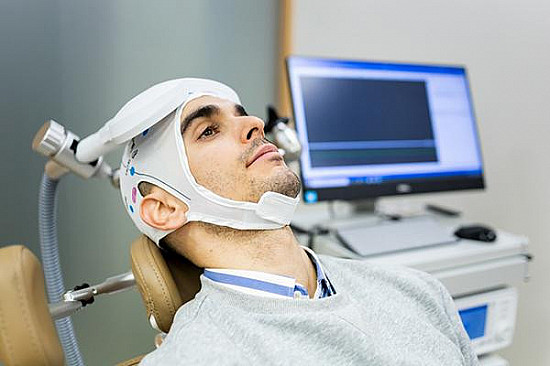
The big idea is simple: if depression is partly connected to underactive brain circuits, TMS aims to wake those circuits up. No surgery. No anesthesia. No hospital gown with the dignity of a paper napkin. Patients sit in a chair, stay awake, and receive repeated magnetic pulses through a coil placed near the scalp.
What Is TMS Treatment?
Transcranial magnetic stimulation is a form of brain stimulation therapy. During a session, a trained clinician places an electromagnetic coil against the patient’s head, usually near the left front part of the brain known as the dorsolateral prefrontal cortex. This area is involved in mood, decision-making, motivation, and emotional regulation.
The magnetic pulses pass painlessly through the skull and create small electrical currents in targeted brain tissue. These currents are not like the dramatic lightning bolts shown in cartoons. They are carefully controlled pulses designed to influence neural activity over time. Think of it less as “rebooting the brain” and more as helping a quiet orchestra section remember when to come in.
TMS is most commonly used for major depressive disorder, especially when a person has not responded well to antidepressant medications. Many insurance plans require patients to have tried several antidepressants before covering TMS. In real life, many people arrive at a TMS clinic after years of medication changes, dosage adjustments, therapy appointments, and the familiar phrase: “Let’s give it a few more weeks.”
Why Depression Drugs Sometimes Fail
Antidepressants help many people, and they remain a first-line treatment for depression. Selective serotonin reuptake inhibitors, serotonin-norepinephrine reuptake inhibitors, atypical antidepressants, and other medication classes can reduce symptoms and restore daily functioning. But depression is not one single problem with one single switch. It is a complex condition involving genetics, stress, sleep, inflammation, trauma, brain circuitry, hormones, and life circumstances.
That complexity explains why one person may feel better on the first prescription while another person tries four medications and still feels stuck. Some people experience partial improvement: they can get out of bed, go to work, and answer emails, but joy still feels like a rumor from another ZIP code. Others stop medication because of side effects such as fatigue, nausea, weight changes, emotional blunting, or sexual side effects.
Treatment-resistant depression is often defined as depression that does not improve enough after at least two adequate treatment attempts. That does not mean the person is “too depressed to treat.” It means the treatment plan needs a different tool. TMS is one of those tools.
How TMS May Help When Antidepressants Do Not
Antidepressant medications work throughout the body and brain. TMS is different because it is targeted. It focuses on brain networks involved in mood regulation, particularly circuits connecting the prefrontal cortex with deeper emotional-processing regions.
In depression, these networks may become less active, less flexible, or poorly synchronized. TMS delivers repeated stimulation over multiple sessions, which may encourage healthier activity patterns. The treatment does not add chemicals to the bloodstream, so it does not cause many of the systemic side effects associated with medication.
Harvard Health has reported that many people receiving TMS after unsuccessful medication trials experience significant symptom improvement. Response is commonly measured as a 50% or greater reduction in depression symptoms, while remission means symptoms become absent or nearly absent. Results vary, but the possibility of meaningful improvement matters deeply for people who have felt out of options.
What Happens During a TMS Session?
A typical TMS treatment begins with a mapping session. The clinician identifies the correct stimulation location and determines the patient’s motor threshold, which is the amount of magnetic energy needed to produce a small movement in the hand or fingers. This helps personalize the dose.
After mapping, the patient sits in a comfortable chair. The coil is positioned against the scalp. The machine makes clicking sounds, and the patient may feel tapping or knocking sensations on the head. Some describe it as a tiny woodpecker with excellent medical credentials. Ear protection may be offered because the machine can be loud.
Sessions usually last from a few minutes to under an hour, depending on the protocol. Traditional TMS schedules often involve treatment five days a week for four to six weeks, followed by tapering or maintenance sessions when appropriate. Newer accelerated protocols may shorten the overall treatment period, but availability and insurance coverage can vary.
Does TMS Hurt?
Most people tolerate TMS well. The first few sessions can feel strange because the tapping sensation is unfamiliar. Some patients experience scalp discomfort, mild headache, facial twitching, or temporary lightheadedness. These effects often improve as the body adjusts.
Unlike electroconvulsive therapy, TMS does not require anesthesia and does not intentionally cause a seizure. Patients can usually drive themselves home afterward and return to normal activities. There is no recovery room, no groggy post-procedure fog, and no need to block off the rest of the day unless the patient simply wants a quiet afternoon.
Serious side effects are rare, but they can occur. People with certain implanted metal devices, seizure disorders, or specific neurological conditions may not be good candidates. A careful screening process is essential before treatment begins.
TMS vs. Antidepressants: Not Enemies, Just Different Tools
It is tempting to frame TMS as “better than medication,” but that is too simple. Antidepressants and TMS can both be useful. Some patients use TMS after medications fail. Others continue medication while receiving TMS. Some combine TMS with psychotherapy, lifestyle changes, sleep improvement, and structured support.
The best depression treatment plan often looks less like a single silver bullet and more like a well-packed toolbox. Medication may help with mood chemistry. Therapy may help with thought patterns, trauma, relationships, and coping skills. TMS may help regulate brain circuits. Exercise, nutrition, sunlight, social connection, and sleep may support the entire system.
When these tools work together, the goal is not just fewer symptoms. The goal is a life that feels more livable: more energy, clearer thinking, better emotional range, and the ability to participate in everyday moments without dragging an invisible backpack full of bricks.
Who May Be a Good Candidate for TMS?
TMS may be considered for adults with major depressive disorder who have not responded adequately to antidepressant medications. It may also be discussed when medications cause side effects that are difficult to tolerate. A psychiatrist or qualified mental health clinician evaluates the patient’s history, diagnosis, medication trials, medical conditions, and safety factors.
A good candidate is usually someone who can commit to repeated appointments. This practical detail matters. TMS is not a one-and-done treatment. The brain learns through repetition, and the schedule can be demanding. Patients who live far from a clinic or have rigid work hours may need help planning transportation and timing.
TMS may not be suitable for people with certain implanted devices, metal objects near the head, unstable medical conditions, or a history that increases seizure risk. It is also not a replacement for urgent mental health care when someone is in immediate danger or unable to stay safe. In those cases, immediate professional help is essential.
How Effective Is TMS for Treatment-Resistant Depression?
Effectiveness depends on the person, the severity of depression, the treatment protocol, accuracy of targeting, and whether other mental health conditions are present. However, clinical experience and research show that TMS can help a meaningful percentage of people with treatment-resistant depression.
Some patients notice small changes after a few weeks: getting out of bed feels less impossible, concentration improves, or the emotional “gray filter” begins to lift. Others improve closer to the end of the treatment course. Some do not respond, which is frustrating but medically honest. No depression treatment works for everyone, and any clinic promising guaranteed results should be treated with the same suspicion as a diet ad that says you can lose weight by blinking.
For responders, the change can be significant. A person may still need therapy, medication, maintenance TMS, or ongoing support, but the improvement can create enough momentum to rebuild routines, relationships, and confidence.
What Are the Main Benefits of TMS?
1. It Is Noninvasive
TMS does not involve surgery, implanted electrodes, or anesthesia. Patients remain awake and alert during treatment.
2. It Has Fewer Whole-Body Side Effects
Because TMS does not circulate through the bloodstream, it generally avoids many medication-related side effects such as stomach upset, sedation, weight changes, and sexual dysfunction.
3. It Can Be Used After Medication Failure
TMS is especially valuable for people who have tried multiple antidepressants without enough relief. It gives clinicians another path when the usual medication ladder has become discouraging.
4. It Allows Normal Daily Activity
Most patients can return to work, school, errands, or family responsibilities after a session. That convenience makes TMS easier to fit into life than treatments requiring sedation or recovery time.
What Are the Limitations?
TMS is not perfect. The schedule is time-intensive, and not every clinic offers advanced targeting or multiple protocol options. Insurance coverage can be complicated. Some plans require documentation of failed medication trials, psychotherapy attempts, diagnosis history, and symptom severity scores.
Cost can be a barrier without insurance. Even with coverage, copays may add up because treatment involves many sessions. Patients should ask clinics to verify benefits before starting. Nobody wants a surprise bill large enough to cause a brand-new diagnosis: invoice-induced despair.
Another limitation is delayed response. TMS usually does not work overnight. Some people improve gradually. Others need a full course before results are clear. Patience is difficult when depression has already taken so much, but realistic expectations help patients avoid disappointment too early in the process.
TMS, ECT, and Ketamine: How Do They Compare?
TMS is one of several options for treatment-resistant depression. Electroconvulsive therapy, or ECT, is often considered one of the most effective treatments for severe depression, especially when symptoms are life-threatening or extremely disabling. However, ECT requires anesthesia and can involve memory-related side effects, so some patients prefer to try TMS first when clinically appropriate.
Ketamine and esketamine treatments work through different brain pathways and may act more quickly for some patients. Esketamine is administered under medical supervision because of safety and monitoring requirements. These treatments may be considered when standard antidepressants fail, but they are not interchangeable with TMS.
The choice depends on diagnosis, urgency, medical history, patient preference, cost, access, and clinician judgment. In other words, the “best” treatment is not the trendiest one. It is the one that matches the patient’s actual situation.
The Future of TMS: Faster, Smarter, More Personalized
The field of TMS is moving toward more personalized care. Researchers are studying ways to use brain imaging, individual circuit mapping, accelerated schedules, and improved targeting to increase response rates. Stanford’s accelerated neuromodulation work has attracted attention because it compresses treatment into a shorter time frame while using individualized targeting.
Deep TMS, theta burst stimulation, neuronavigation, and maintenance protocols are also changing the conversation. The future may involve matching patients to specific stimulation patterns the way clinicians now match medications to symptoms and side effect profiles.
This matters because depression is not one disease with one setting. Two people can both have major depression but have different symptom patterns, brain network activity, trauma histories, sleep issues, and inflammatory profiles. Personalized TMS aims to move beyond “close enough” targeting toward a more precise approach.
Patient Experience: What TMS Can Feel Like in Real Life
For many patients, the hardest part of TMS is not the magnetic pulse. It is the decision to try another treatment after so many disappointments. By the time someone is referred for TMS, they may already feel like a professional medication tester with zero interest in earning the title. Hope can feel risky when previous treatments have failed.
A common experience begins with cautious skepticism. The patient sits in the treatment chair, hears the clicking sound, feels the tapping on the scalp, and thinks, “This is supposed to help my depression?” That reaction is normal. TMS does not look dramatic. There is no cinematic transformation, no glowing machine, no instant mood confetti. It is repetitive, clinical, and almost boringwhich, in medicine, is often a good sign.
The first week may be mostly about adjustment. The scalp may feel tender. The clicking may be annoying. The schedule may feel inconvenient. A patient might leave the clinic and wonder whether anything happened at all. Then, somewhere in week two, three, or four, small changes may appear. The laundry pile looks slightly less like a mountain range. A text message feels easier to answer. Food tastes more interesting. The idea of taking a short walk no longer seems like an Olympic event.
These changes can be subtle at first. Families sometimes notice before the patient does. A spouse may say, “You laughed today.” A friend may notice more eye contact. A coworker may see better focus. Depression often leaves quietly before it leaves loudly.
Some patients also experience emotional uncertainty during improvement. Feeling better after a long depressive episode can be surprisingly unfamiliar. People may ask, “Is this real?” or “Will it last?” That is why follow-up care matters. TMS can open a window, but patients still benefit from therapy, routines, social support, medication review, and relapse-prevention planning.
There are also patients who do not respond. Their experience deserves honesty and respect. A lack of response does not mean they failed TMS. It means TMS was not the right match, or not enough by itself, or not delivered in the most effective protocol for their brain. Other treatments may still help.
The best clinics prepare patients for both possibilities. They track symptoms with rating scales, ask about sleep and energy, adjust comfort settings, screen for side effects, and coordinate with the patient’s psychiatrist. Good care is not just a machine making clicking sounds. It is a team helping a person find a way forward.
For people who do respond, TMS can feel like getting mental breathing room. Not instant happiness, not a personality transplant, not a sudden desire to alphabetize the spice cabinet. More often, it feels like the return of capacity: the ability to shower without negotiating with yourself for an hour, answer a call, plan dinner, finish work, enjoy music, or imagine next month without dread.
That is the real promise of TMS when depression drugs fail. It gives some patients another chance at momentum. And when someone has spent years stuck in neutral, momentum is not a small thing. It is the beginning of movement, and movement can become recovery.
Conclusion
TMS treatment may succeed when depression drugs fail because it approaches depression from a different angle. Instead of changing brain chemistry throughout the body, it targets mood-related brain circuits with repeated magnetic stimulation. For people with treatment-resistant depression, that difference can matter.
TMS is not a miracle cure, and it is not the right choice for everyone. It requires time, screening, consistency, and realistic expectations. But for many patients who have tried antidepressants without enough relief, TMS offers a scientifically grounded, noninvasive option with a generally favorable side effect profile.
The most important message is this: failed medications do not mean failed treatment. Depression care has more doors than it used to. TMS is one of them, and for some patients, it may be the door that finally opens.














