
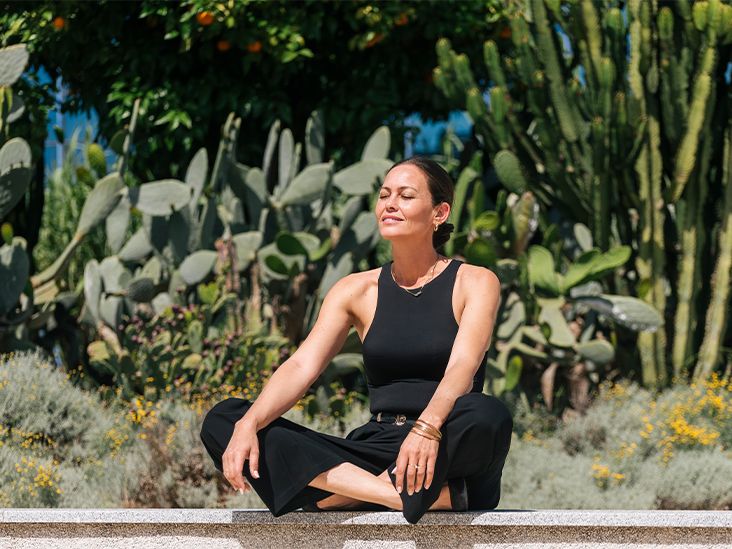
Transcendental Meditation, often called TM, is one of those wellness practices that sounds mysterious until someone explains it plainly. No incense required. No mountain cave. No need to sit like a human pretzel while pretending your knees are not filing a complaint. At its core, Transcendental Meditation is a simple, structured meditation technique practiced while sitting comfortably with the eyes closed, usually for about 20 minutes twice a day.
The practice uses a silent mantra, taught by a certified TM teacher, as a gentle tool to help the mind settle inward. Unlike some forms of meditation that ask you to concentrate on the breath, scan the body, or carefully observe thoughts, TM is usually described as effortless. That word matters. The goal is not to wrestle the brain into silence. The brain is not a naughty puppy. It thinks because that is its job. TM gives it a softer direction.
Interest in Transcendental Meditation has grown because many people are looking for practical ways to manage stress, support mental clarity, sleep better, and improve general well-being. Research on meditation as a whole suggests potential benefits for stress, anxiety, blood pressure, emotional balance, and heart health. TM has been studied in specific areas too, especially stress reduction and blood pressure. Still, it is best understood as a supportive wellness practice, not a magic button or replacement for medical care.
What Is Transcendental Meditation?
Transcendental Meditation is a mantra-based meditation technique introduced widely in the 20th century by Maharishi Mahesh Yogi. The word “transcendental” points to the idea of going beyond ordinary surface-level thinking into a quieter state of awareness. In everyday language, that means the mind may gradually settle down, like a snow globe after the shaking stops.
During TM, a person sits comfortably, closes the eyes, and silently uses a personal mantra. The mantra is not meant to be analyzed, chanted aloud, or turned into a motivational slogan for a coffee mug. It is used quietly and easily. Thoughts may come and go. Sounds may happen. The neighbor’s leaf blower may decide this is its big solo. The practice is not about blocking life out; it is about allowing the mind and body to experience deep rest while staying awake.
How TM Differs From Mindfulness Meditation
Mindfulness meditation usually trains awareness of the present moment. A person may notice the breath, body sensations, emotions, or thoughts without judgment. Transcendental Meditation works differently. TM does not typically ask the practitioner to monitor thoughts or focus intensely. Instead, the mantra is used gently, and the process is designed to feel natural rather than effortful.
Both mindfulness and TM can be useful, but they are not identical. Think of mindfulness as sitting by a window and observing the weather. TM is more like letting yourself drift into a quieter room inside the same house. Neither approach is “better” for everyone. The right meditation style is usually the one a person can practice consistently without turning it into another stressful item on the to-do list.
Potential Benefits of Transcendental Meditation
Many people come to TM because they feel overstimulated, overbooked, and slightly overcaffeinated. Modern life is excellent at producing notifications and less excellent at producing calm. Transcendental Meditation may help create a predictable pause in the day, which can support both mental and physical well-being.
1. Stress Reduction
Stress is one of the biggest reasons people explore meditation. TM gives the nervous system a regular opportunity to shift away from constant alert mode. Practicing twice daily can become a reset ritual: one session to begin the day with more steadiness, and another to help release the emotional lint collected during the afternoon.
Research on meditation generally suggests that meditative practices may help reduce stress and improve emotional health. For many practitioners, the biggest benefit is not that problems vanish. Bills still exist. Emails still reproduce overnight. But the internal reaction to those problems may become less explosive, less tangled, and easier to manage.
2. Anxiety Support
Transcendental Meditation may also support people dealing with anxious thoughts. Anxiety often feels like the mind has hired a tiny disaster screenwriter who works overtime. A regular meditation practice can help create space between a thought and the reaction to that thought.
TM is not a replacement for therapy, medication, or professional care when those are needed. However, it may be a helpful part of a broader anxiety-management plan. People with significant mental health concerns should talk with a qualified healthcare professional before beginning any intensive meditation routine, especially if meditation brings up distressing feelings.
3. Blood Pressure and Heart Health
One of the most discussed areas of TM research is blood pressure. Some studies and reviews have found that TM may help lower blood pressure modestly in certain groups. The American Heart Association has discussed meditation, including Transcendental Meditation, as a possible supportive approach for cardiovascular wellness. That does not mean TM replaces blood pressure medication, healthy eating, exercise, or medical guidance. It means meditation may be one useful piece of the heart-health puzzle.
For example, someone with high stress and borderline blood pressure might benefit from combining medical advice, regular movement, better sleep, a lower-sodium diet, and meditation. TM is not the whole orchestra. It is one instrument, and ideally it plays in tune with the rest of the lifestyle band.
4. Better Sleep Habits
TM is not technically a sleep exercise, and practitioners are usually encouraged to meditate while alert rather than using it as a nap with better branding. Still, many people report that regular meditation helps them unwind more easily. By lowering the day’s stress load, meditation may support healthier sleep patterns.
The key is consistency. A single meditation session may feel relaxing, but long-term benefits usually come from making practice routine. Much like brushing your teeth, it works best when you do it regularly rather than dramatically once per month while promising to become a new person.
5. Focus and Mental Clarity
People often expect meditation to make the mind blank. In reality, a blank mind is not the goal. A clearer mind is more realistic. TM may help some practitioners feel less mentally cluttered, especially when practiced before work, school, creative tasks, or decision-making.
Imagine trying to find your keys in a room where every drawer is open, the laundry is on the chair, and someone has released confetti. That is the mind under pressure. Meditation may not clean the whole room instantly, but it can turn down the chaos enough for you to find the keys.
How to Practice Transcendental Meditation
Traditional TM instruction is taught by certified teachers. The official course usually includes personal instruction, a mantra, and follow-up support. This is one reason TM differs from many free meditation videos online. The method is standardized and teacher-led rather than simply downloaded from a random corner of the internet titled “Become Enlightened by Tuesday.”
The Basic Structure
A typical TM routine includes two sessions per day, each lasting about 20 minutes. Practitioners sit comfortably with the eyes closed. The mantra is used silently and easily. When thoughts arise, there is no need to fight them. The practitioner returns to the mantra in a relaxed way.
After the meditation period, it is common to rest quietly for a couple of minutes before jumping back into activity. This short transition can help the body and mind re-enter the day smoothly. Going straight from deep quiet to answering a work message can feel like being gently placed into a hammock and then launched into a spreadsheet cannon.
Can You Learn TM by Yourself?
You can learn many forms of mantra meditation on your own, but official Transcendental Meditation is taught through certified instruction. That matters because TM has specific teaching procedures, a personalized mantra, and follow-up guidance. If someone wants the formal TM technique, the best route is to contact an official TM center or certified teacher.
However, if cost or access is a concern, there are other evidence-informed meditation options. Mindfulness-based programs, guided meditation apps, community classes, breathing practices, and simple relaxation techniques can still offer meaningful benefits. The wellness world is not a locked VIP room. There are many doors into calmer living.
What to Expect During TM
New meditators often wonder, “Am I doing this right?” That question is so common it could probably get its own folding chair at every meditation class. In TM, experiences can vary from session to session. One day may feel peaceful. Another may feel busy. Another may feel like your brain opened 37 browser tabs and forgot which one is playing music.
That does not necessarily mean failure. Meditation is not judged by whether every session feels blissful. The practice is the practice. Thoughts, restlessness, boredom, relaxation, and calm can all appear. Over time, many people notice changes outside meditation: more patience, quicker recovery from stress, better sleep routines, or a little more breathing room between stimulus and reaction.
Who Might Benefit From Transcendental Meditation?
TM may appeal to people who want a structured, simple, nonreligious meditation practice. It can be especially attractive to busy professionals, students, caregivers, creatives, and anyone whose mind tends to sprint when asked to “just relax.” Because TM is practiced sitting comfortably, it does not require athletic flexibility or special equipment.
It may also suit people who find breath-focused meditation frustrating. Some people become more anxious when paying close attention to breathing. Others simply get bored counting inhales. TM’s mantra-based approach gives the mind a different kind of anchor.
Safety, Limits, and Realistic Expectations
Transcendental Meditation is generally considered low risk for many people, but “low risk” does not mean “perfect for absolutely everyone in every situation.” Some people may feel uncomfortable sitting quietly with their thoughts. Others may experience emotional material surfacing during meditation. Anyone with a history of trauma, panic, severe depression, psychosis, or other significant mental health concerns should consider speaking with a healthcare professional before beginning.
It is also important to keep expectations grounded. TM may support stress management, but it will not make you immune to traffic, taxes, group projects, or people who reply-all unnecessarily. The benefit is often subtler: a steadier baseline, a calmer nervous system, and a better relationship with your own thoughts.
Resources for Learning More
Good resources for Transcendental Meditation include official TM centers, certified TM teachers, academic medical centers, government health information from the National Institutes of Health, and reputable health organizations that explain meditation research in plain language. When reading about TM online, look for balanced information. Be cautious with claims that sound too shiny, such as “guaranteed enlightenment” or “cures everything except your Wi-Fi.”
Helpful questions to ask before choosing a class include: Who teaches the program? What training do they have? What does the course include? Is follow-up support available? What are the costs? Are there scholarships or reduced rates? A trustworthy program should be clear about these details.
Practical Tips for Making TM a Habit
Start With a Realistic Schedule
The classic TM recommendation is 20 minutes twice daily, but building consistency is easier when the practice is attached to existing routines. Many people meditate before breakfast and again in the late afternoon or early evening. Avoid placing the second session too close to bedtime if it makes you sleepy or disrupts your wind-down routine.
Create a Comfortable Spot
You do not need a meditation room with Himalayan salt lamps and suspiciously perfect plants. A chair, couch, or quiet corner can work. The best meditation spot is the one you will actually use. Comfort beats aesthetics every time.
Do Not Chase a Perfect Session
A common beginner mistake is trying to force peace. That is like yelling, “RELAX!” at a cat. It rarely works and may damage the furniture. TM emphasizes effortlessness. Let the practice be simple. Some sessions will feel deep; others will feel ordinary. Both count.
Common Myths About Transcendental Meditation
Myth: You Must Stop Thinking
Nope. Thoughts happen. The goal is not to delete the mind’s operating system. In TM, thoughts can arise naturally, and the practitioner gently returns to the mantra without frustration.
Myth: TM Is a Religion
TM is often taught as a secular meditation technique. People from many backgrounds practice it. That said, it has roots connected to ancient Vedic traditions, so some people may want to learn more about its history before deciding whether it fits their personal beliefs.
Myth: Benefits Should Appear Immediately
Some people feel calmer after the first session. Others need weeks or months to notice changes. Meditation is more like planting a garden than flipping a switch. Water it regularly, keep expectations sane, and do not dig up the seeds every afternoon to see if they are working.
Experiences Related to Transcendental Meditation
People who stick with Transcendental Meditation often describe the experience less as a dramatic transformation and more as a quiet upgrade to daily life. One common story is the “morning buffer.” A person wakes up, reaches for the phone, sees messages, news, reminders, and suddenly the day has already grabbed the steering wheel. With TM, the morning can begin differently. Sitting for 20 minutes before diving into the digital jungle may create a sense of inner order. The inbox is still there afterward, of course, grinning like a raccoon in a trash can, but the practitioner may feel less immediately swallowed by it.
Another frequent experience is improved emotional recovery. A stressful meeting, family argument, or school deadline can still create tension. TM does not wrap the practitioner in bubble wrap. But some people notice they return to balance more quickly. Instead of replaying a tense conversation for six hours, they may catch the mental loop earlier. They may pause before reacting. That tiny pause can be powerful. It is the difference between sending the sharp email and saving it as a draft until your wiser self returns from lunch.
Creative people sometimes report that TM gives their ideas more room to move. This does not mean every meditation session ends with a screenplay, business plan, or perfectly organized sock drawer. More often, the benefit is indirect. When the nervous system is less overloaded, the mind may connect ideas more easily. Writers, designers, musicians, entrepreneurs, and students may find that meditation helps them move from mental traffic jam to open road.
Some beginners also experience impatience. This is normal. Sitting quietly can reveal just how addicted the mind is to stimulation. The first week may include thoughts like, “Is it over?” “Am I relaxed yet?” “Why is my foot suddenly the main character?” These moments are not signs of failure. They are signs of noticing. Over time, the practice can become less awkward, like learning to drive a car without staring at every pedal.
There are also practical challenges. Twice-daily meditation sounds simple until life starts throwing confetti grenades: work runs late, children need help, dinner burns, or the dog eats something mysterious and expensive. Successful practitioners often solve this by treating TM like a non-negotiable appointment. Not a luxury. Not a reward for finishing everything. A scheduled reset. Even when sessions are not perfect, the habit itself becomes meaningful.
The most relatable experience may be discovering that calm is not always dramatic. It may show up as speaking more kindly, sleeping a little easier, needing fewer emergency snacks after stressful calls, or noticing beauty in ordinary moments. TM does not have to turn life into a slow-motion wellness commercial. Sometimes the win is simply feeling like yourself again, with fewer mental pop-up ads.
Conclusion
Transcendental Meditation is a simple, structured, mantra-based practice designed to help the mind settle into quieter awareness. Practiced for about 20 minutes twice a day, it may support stress reduction, emotional balance, sleep habits, focus, and cardiovascular wellness. Research is promising in some areas, especially stress and blood pressure, but TM should be viewed as a supportive practice rather than a cure-all.
For people who want a meditation method that does not require intense concentration or complicated instructions, TM can be appealing. The best results usually come from proper instruction, realistic expectations, and steady practice. In a world that often treats busyness like a competitive sport, taking two quiet pauses a day may be less of a luxury and more of a survival skill with better posture.













