Somewhere along the way, home design got a little bossy. Suddenly, every room needed a neutral palette, matching metals, perfect symmetry, properly sized everything, and a personality so quiet you could hear a beige pillow sigh. But the best homes do not feel like they were assembled by a committee of anxious measuring tapes. They feel alive. They have opinions. They contain one weird lamp, at least two sentimental objects, and maybe a chair nobody understands but everyone wants to sit in.
That is why I am happily retiring a few old decorating commandments. Not all rules are bad, of course. Scale matters. Lighting matters. A rug the size of a postage stamp still deserves a gentle intervention. But design taboos can become creative handcuffs when they stop us from building rooms that feel personal, layered, and genuinely useful.
This guide explores unconventional interior design through 11 so-called design taboos worth embracing. Think of it as permission to mix patterns, paint small rooms dark, let vintage flirt with modern, and decorate like your home has a pulse instead of a showroom barcode.
Why Design Taboos Are Ready for a Makeover
Interior design “rules” usually begin as helpful guidelines. The 60-30-10 color rule can create balance. Matching furniture sets can make shopping easier. Symmetry can calm a room. But when these ideas become strict laws, they flatten personality. A home that follows every rule can still feel strangely unfinished because the most important design ingredient is missing: you.
The modern approach to rule-breaking decor is not chaos. It is intention. The goal is not to throw eleven clashing ideas into a room and hope the curtains negotiate peace. The goal is to understand what each taboo was trying to prevent, then break it with enough confidence that the result feels collected, not confused.
11 Design Taboos I’m Embracing
1. Painting Small Rooms Dark
The old advice says small rooms must be white, pale, and bright so they look bigger. I say small rooms already know they are small. Let them become dramatic. A deep navy powder room, forest green office, charcoal bedroom, or chocolate-brown reading nook can feel cozy, sophisticated, and deliciously moody.
The trick is commitment. Paint the trim, ceiling, or built-ins in related tones so the room feels wrapped rather than chopped into pieces. Add warm lighting, reflective accents, and textured fabrics to keep the space from feeling flat. Instead of apologizing for limited square footage, dark paint turns the room into a jewel box. Tiny? Yes. Forgettable? Absolutely not.
2. Mixing Metals Like a Rebel With a Hardware Catalog
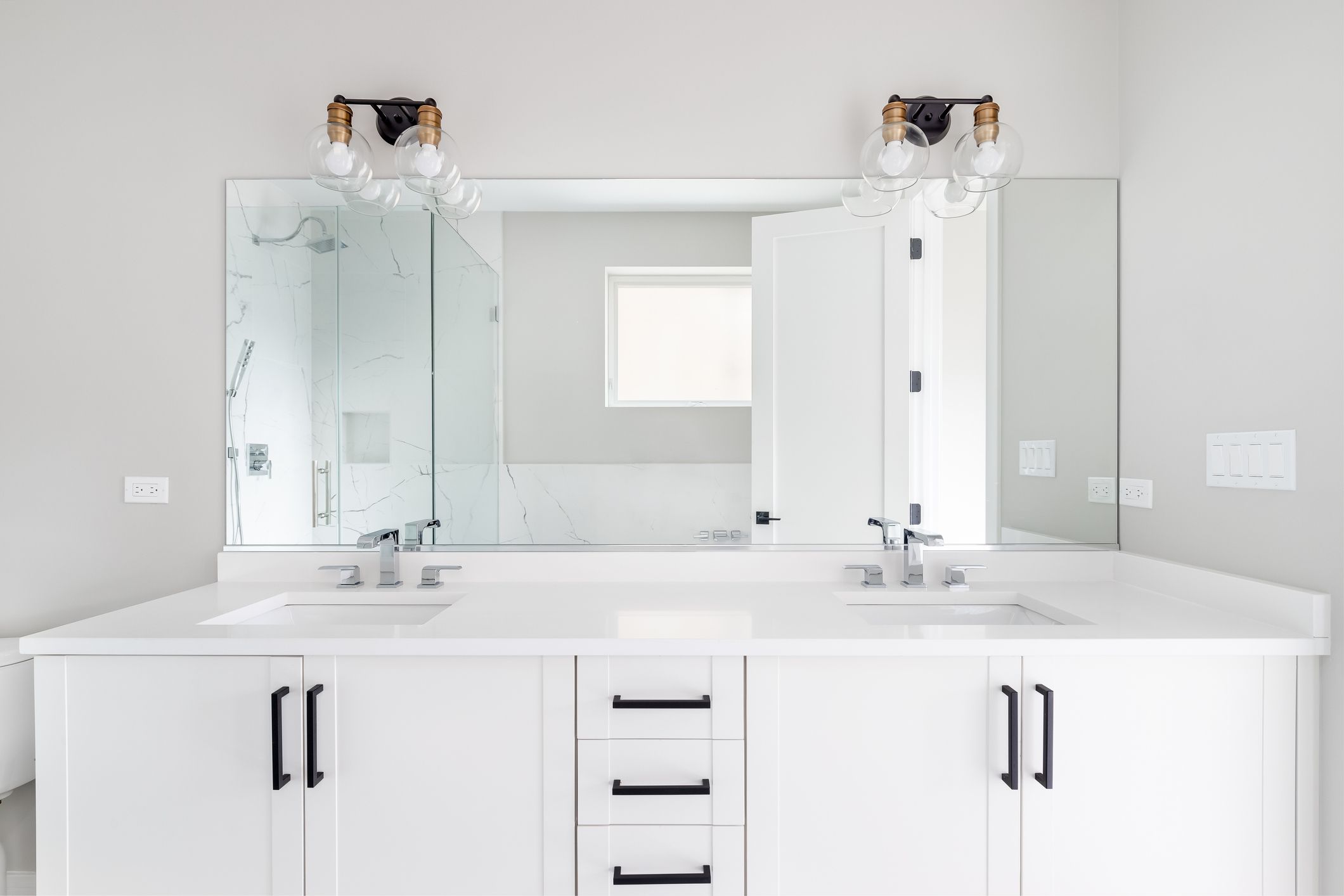
Once upon a time, all hardware in a room had to match: chrome with chrome, brass with brass, black with black. But a room full of one metal finish can look stiff, like it got dressed by a faucet showroom. Mixing metals adds depth, especially in kitchens, bathrooms, and living rooms where fixtures, frames, lamps, and furniture legs all join the conversation.
To make mixed metals feel intentional, choose one dominant finish and one or two supporting accents. For example, use aged brass as the main metal, then add matte black lighting and a touch of polished nickel. Warm metals such as brass and copper pair beautifully together, while chrome and stainless steel bring a cooler edge. Spread each finish around the room so no single piece looks like it wandered in by mistake.
3. Letting Patterns Party Together
Pattern mixing is often treated like advanced calculus with throw pillows. Florals, stripes, plaids, geometrics, and animal prints supposedly cannot share a room without causing visual drama. But when done well, mixed patterns create rhythm, personality, and a collected-over-time look that plain solids rarely achieve.
The secret is scale. Pair a large floral with a small stripe, a medium plaid, or a quiet geometric. Keep a shared color running through the mix so the patterns feel related, like cousins at a stylish family reunion. Start small with pillows, curtains, or a lampshade. Once your confidence grows, wallpaper and patterned upholstery may begin looking less like risks and more like excellent life decisions.
4. Using Oversized Furniture in Small Spaces
Another classic small-space taboo: only use small furniture. Unfortunately, too many tiny pieces can make a room feel nervous and cluttered, as if the furniture is afraid to take up emotional space. One generously scaled sofa, substantial armchair, or large mirror can actually ground a compact room.
The key is proportion, not miniaturization. Choose fewer pieces with stronger presence. A small living room may function better with one comfortable sofa and a round side table than with a loveseat, two chairs, three skinny tables, and a floor lamp trapped in the corner like it owes rent. Bigger pieces can make a room feel confident, provided the traffic flow still works.
5. Mixing Design Styles Without Apologizing
Modern farmhouse, midcentury modern, traditional, coastal, industrial, boho, minimalistdesign labels are useful until they start acting like border patrol. A home does not need to pick one style and remain loyal forever. In fact, the most memorable rooms often mix eras and influences: a sleek sofa with an antique table, a traditional rug under modern art, or a rustic bench in a polished entryway.
To make mixed styles work, create a common thread. That thread might be a color palette, wood tone, repeated shape, or mood. Maybe every piece has clean lines. Maybe the palette is earthy and warm. Maybe all the objects feel handmade. When the room has a shared language, the individual accents can have different accentsdesign pun fully intended.
6. Hanging Art That Does Not Match the Sofa
Art does not need to match the throw pillows. There, I said it, and somewhere a sample swatch just fainted. Matching art too closely to the room can make it feel like decoration instead of expression. Art should add tension, surprise, humor, memory, or contrast.
A traditional room can look sharper with abstract art. A minimalist space can gain warmth from a vintage portrait. A colorful room can handle black-and-white photography. The goal is not to coordinate every shade but to create a visual relationship. If the art makes you pause, smile, think, or tell a story, it has already earned its wall space.
7. Painting the Ceiling Something Other Than White
The ceiling is often called the fifth wall, which sounds fancy until you realize most of us leave it builder-white forever. A painted ceiling can completely change a room. It can make high ceilings feel more intimate, low ceilings feel more deliberate, and plain rooms feel finished.
Try a soft blue ceiling in a bedroom, a glossy burgundy ceiling in a dining room, or the same wall color carried overhead for a cocoon effect. In small spaces, color-drenching the walls, trim, and ceiling can blur boundaries and make the room feel more immersive. White ceilings are fine. They are just not mandatory. The ceiling has been waiting patiently for its character arc.
8. Embracing Maximalism Without Creating a Yard Sale
Maximalism gets a bad reputation because people mistake it for “owning many things loudly.” True maximalist decor is layered, edited, and full of visual connections. It can include gallery walls, saturated colors, patterned rugs, books, collections, sculptural lighting, and dramatic wallpaperbut it still needs structure.
One way to keep maximalism stylish is to repeat colors and shapes. Group collections together instead of scattering them everywhere. Use symmetry when the room needs calm, and let one major piece become the anchor. A maximalist room should feel like a novel with interesting chapters, not a group text where everyone is yelling.
9. Choosing a “Weird” Piece on Purpose
Every room benefits from one object that raises an eyebrow. It might be a wavy mirror, a chartreuse stool, a ceramic tiger, a vintage portrait of a person nobody in your family knows, or a lamp shaped like a mushroom having a glamorous midlife crisis. This is not clutter; this is personality.
Offbeat pieces make a home memorable. They break the spell of perfection and invite conversation. The key is restraint. One weird piece is charming. Twelve unrelated weird pieces may look like a thrift store escaped during a thunderstorm. Give the unusual item breathing room, then let it become the room’s wink.
10. Using Rugs in Unexpected Places
Rugs are not only for living rooms and bedrooms. A small rug in a laundry room, bathroom, kitchen, hallway, or mudroom can add warmth, color, and softness where people least expect it. This is especially useful in practical spaces that tend to become design deserts.
Of course, function still matters. Choose washable, durable, or low-pile rugs for messy zones. Use rug pads to prevent slipping. Pick materials that can handle traffic, pets, shoes, crumbs, and the occasional coffee incident. A rug in a hard-working area says, “Yes, this room folds towels, but it also has self-respect.”
11. Decorating Slowly Instead of Finishing Everything Fast
The final taboo is perhaps the most liberating: not finishing your home immediately. Fast decorating can create rooms that look complete but feel impersonal. Slow decorating allows better decisions. You notice how light moves through a room, where you actually sit, what storage you need, and which empty corner is begging for a plant taller than your cousin.
Buy the basics when needed, but leave room for discovery. Vintage finds, travel pieces, inherited furniture, handmade objects, and art collected over time create depth that instant shopping rarely delivers. A home should evolve. Perfection on day one is overrated; personality usually arrives fashionably late.
How to Break Design Rules Without Breaking the Room
Start With One Rebellion
If you are new to bold home decor, do not break every rule before lunch. Choose one design taboo and test it. Paint a ceiling. Mix two metals. Add a large-scale pattern. Bring in one oversized piece. A single confident move can transform a room without overwhelming it.
Create a Repeating Element
Rule-breaking rooms need a little glue. Repeat a color, finish, texture, or shape at least three times. For example, if you add a black metal floor lamp, echo black in a picture frame and cabinet hardware. If you introduce a bold red pillow, repeat red in art or a small vase. Repetition tells the eye, “Relax, this was planned.”
Respect Function First
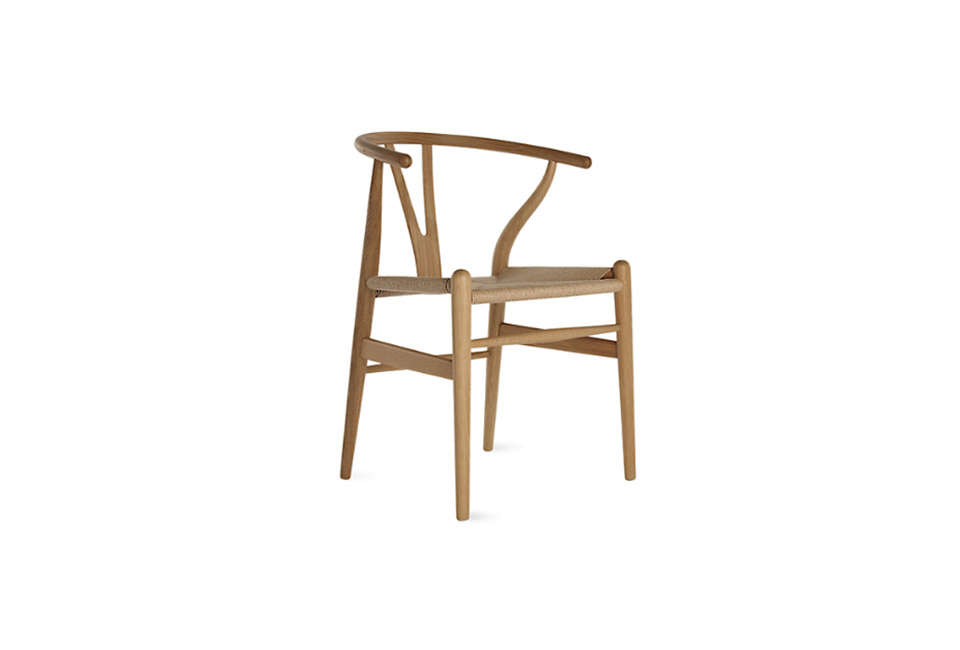
Unconventional style should still support real life. A dramatic dining room is wonderful, but people need to pull out the chairs. A dark office can be stunning, but task lighting matters. A sculptural chair is fun, but if sitting in it feels like negotiating with a pretzel, perhaps it belongs in a corner as art.
Personal Experience: What Happened When I Stopped Decorating for Imaginary Judges
For a long time, I decorated as if a panel of invisible design judges might burst through the front door holding scorecards. I worried about whether the woods matched, whether the rug was “safe,” whether the wall color would offend resale value, and whether guests would understand my choices. Spoiler: most guests are looking for the bathroom, not auditing your undertones.
The first taboo I broke was mixing wood finishes. I had a warm oak table, a darker vintage cabinet, and a pale wood chair that looked like it had joined the room through a clerical error. Instead of replacing everything, I added a woven basket, a wood-framed mirror, and a few warm leather accents. Suddenly, the woods stopped fighting and started sounding like a choir with different vocal ranges.
Next came dark paint. I painted a small room a deep green after years of believing it had to stay white. At first, I panicked. The room looked intense, like it had opinions about poetry. But after adding linen curtains, a brass lamp, framed art, and warm bulbs, the space became the coziest room in the home. People started gravitating toward it. The “too dark” room became the room everyone wanted to sit in.
Pattern mixing took longer. I started with a striped pillow beside a floral pillow, which felt scandalous for approximately seven minutes. Then I added a vintage rug with muted colors that connected both patterns. The room instantly looked less catalog-perfect and more human. It felt like someone interesting lived there, possibly someone who owned more than one kind of tea.
The biggest lesson was that unconventional style is not about being shocking. It is about being honest. I do not need every room to be wild. I still love calm spaces, clean lines, and negative space. But I also love a strange lamp, a bold wall, a mismatched chair, and art that refuses to coordinate politely with the sofa. Those choices make the house feel personal.
I also learned that mistakes are not always disasters. Sometimes the “wrong” color only needs better lighting. Sometimes a too-bold object works once it is paired with quieter neighbors. Sometimes the piece you almost return becomes the thing people compliment most. Design confidence is not knowing every answer in advance. It is being willing to experiment, adjust, and laugh when the first attempt looks like a boutique hotel lobby designed by a raccoon with ambition.
Now, when I decorate, I ask better questions. Not “Is this allowed?” but “Does this feel good?” Not “Will everyone like it?” but “Does it make the room more alive?” Not “Is this trend approved?” but “Will I still smile at this when the internet moves on?” Those questions lead to rooms with more warmth, humor, and staying power.
Conclusion: The Best Design Rule Is Knowing When to Ignore One
Unconventional style is not a rejection of good design. It is a reminder that good design should make room for personality. Dark colors can be cozy. Mixed metals can be elegant. Patterns can become friends. Odd objects can become conversation starters. Small rooms can handle drama. And your home’s architecture, furniture, and decor do not need to obey one narrow style label forever.
The most successful interiors balance freedom with intention. Break a taboo, then give it structure. Add surprise, then repeat a color. Choose drama, then support it with lighting. Mix styles, then connect them with texture or tone. Above all, decorate for the life you actually livenot the imaginary design police, not the algorithm, and certainly not that one relative who thinks every wall should be beige because “it goes with everything.”
Your home should feel like a place where your taste is allowed to grow, misbehave, and occasionally wear a fabulous hat indoors. Embrace the design taboos that make your rooms feel more personal. The best interiors are not perfect. They are expressive, functional, layered, and just weird enough to be unforgettable.