
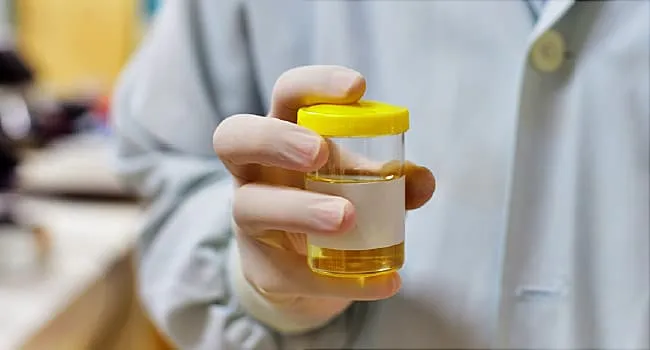
A urinary tract infection, better known as a UTI, is one of those health problems that can turn an ordinary Tuesday into a bathroom-based obstacle course. One minute you are answering emails like a productive citizen; the next, you are speed-walking to the restroom for the fifth time, wondering if your bladder has developed a personal vendetta.
The good news? Most uncomplicated UTIs are treatable, especially when caught early. The even better news? Smart home care can help ease discomfort while medical treatment does its job. The important catch is this: home remedies may support recovery and prevention, but they do not reliably kill the bacteria causing an active infection. For many bacterial UTIs, antibiotics prescribed by a healthcare professional remain the standard treatment.
This guide explains UTI treatments, practical home remedies, prevention tips, warning signs, and real-life experience-based advice in clear American Englishbecause nobody wants a medical article that sounds like it was written by a robot wearing a lab coat.
Note: This article is for educational purposes only and is not a substitute for professional medical advice. Seek medical care promptly if you have fever, chills, back or side pain, nausea, vomiting, blood in the urine, symptoms during pregnancy, symptoms in men, kidney disease, diabetes, a weakened immune system, or symptoms that worsen or do not improve.
What Is a Urinary Tract Infection?
A urinary tract infection happens when bacteria enter and multiply somewhere in the urinary system. That system includes the urethra, bladder, ureters, and kidneys. Most UTIs affect the lower urinary tract, especially the bladder. These are often called bladder infections or cystitis.
The most common culprit is Escherichia coli, usually shortened to E. coli. This bacteria normally lives in the digestive tract, where it minds its own business. Problems start when it travels to the urethra and moves upward into the bladder. At that point, the bladder is not hosting a social event. It is under attack.
Common UTI Symptoms
UTI symptoms can vary, but common signs include:
- A burning or painful feeling when urinating
- Frequent urges to urinate, even when little comes out
- Cloudy, dark, bloody, or strong-smelling urine
- Pressure or discomfort in the lower abdomen
- Pelvic discomfort
- A feeling that the bladder is never fully empty
If the infection spreads to the kidneys, symptoms may become more serious. Watch for fever, chills, back or side pain, nausea, or vomiting. These symptoms deserve urgent medical attention. A kidney infection is not the moment to “wait and see” while sipping cranberry juice like it is a magical potion.
UTI Treatments: What Actually Works?
The best urinary tract infection treatment depends on the type of infection, your symptoms, your medical history, and whether the infection is uncomplicated or complicated. A young, otherwise healthy woman with classic bladder infection symptoms may be treated differently than a pregnant person, an older adult, a man, or someone with kidney disease.
1. Antibiotics for Bacterial UTIs
Antibiotics are the main treatment for bacterial UTIs. A healthcare professional may prescribe medication based on your symptoms, urine test results, local antibiotic resistance patterns, allergies, and other health conditions.
Common antibiotics used for uncomplicated UTIs may include nitrofurantoin, trimethoprim-sulfamethoxazole, fosfomycin, or certain beta-lactam antibiotics. In some cases, newer options may be considered when standard choices are not appropriate. Fluoroquinolones are generally not preferred for simple UTIs when safer options are available because of their risk profile.
The golden rule is simple: take antibiotics exactly as prescribed. Do not stop early just because your bladder stops screaming. Symptoms may improve before the bacteria are fully controlled, and stopping too soon can increase the chance of recurrence or resistance.
2. Urinary Pain Relief Medicine
Some people use urinary pain relievers, such as phenazopyridine, for short-term relief from burning, urgency, and discomfort. This medication can help symptoms feel less intense, but it is not an antibiotic and does not cure the infection.
Also, it can turn urine bright orange. This is normal but surprising if you are not expecting it. Consider this your friendly warning: do not panic, and maybe do not wear white underwear that day.
3. Urine Testing and Culture
A urine test may help confirm infection. A urine culture can identify the bacteria and show which antibiotics are most likely to work. Cultures are especially useful for recurrent UTIs, complicated symptoms, pregnancy, kidney infection concerns, or treatment failure.
Not every urinary symptom is automatically a UTI. Irritation, sexually transmitted infections, vaginal infections, bladder pain syndrome, kidney stones, and medication side effects can mimic UTI symptoms. Testing helps avoid guessingand in medicine, guessing is not exactly the premium package.
4. Treatment for Complicated UTIs
Complicated UTIs may need closer medical care, longer treatment, or sometimes intravenous antibiotics. A UTI may be considered complicated if it occurs during pregnancy, in men, in people with kidney problems, with urinary tract abnormalities, with catheters, or in people with weakened immune systems.
Kidney infections also require prompt treatment. Delaying care can allow infection to spread and become dangerous.
Best Home Remedies for UTI Relief
Home remedies for UTIs are best viewed as supportive care. They may reduce discomfort, help hydration, and lower recurrence risk, but they should not replace medical treatment when an infection is active or symptoms are strong.
1. Drink More Water
Water helps dilute urine and encourages more frequent urination, which may help flush bacteria from the urinary tract. It also makes urine less concentrated, which can reduce burning for some people.
You do not need to turn yourself into a human aquarium. Aim for steady hydration unless your doctor has told you to limit fluids because of a heart, kidney, or other medical condition.
2. Urinate When You Need To
Holding urine for long periods gives bacteria more time to hang around in the bladder. Empty your bladder when you feel the urge. Your emails, errands, and streaming episode cliffhangers can wait. Your urinary tract has filed a complaint.
3. Use Heat for Bladder Discomfort
A warm heating pad on the lower abdomen may help reduce bladder pressure or pelvic discomfort. Use gentle warmth, not high heat, and avoid sleeping with an electric heating pad on.
4. Avoid Bladder Irritants
During a UTI, some drinks can make urgency and burning worse. Common bladder irritants include:
- Coffee
- Alcohol
- Carbonated drinks
- Citrus juices
- Energy drinks
- Spicy or highly acidic foods for some people
This does not mean coffee is evil. It just means your bladder may currently be dramatic, and caffeine may be handing it a microphone.
5. Try Cranberry for Prevention, Not Emergency Treatment
Cranberry products are famous in UTI conversations. Some research suggests cranberry may help reduce the risk of recurrent UTIs in certain people by making it harder for bacteria to stick to the urinary tract lining. However, evidence is mixed, and cranberry is not a proven cure for an active UTI.
If you try cranberry juice, choose unsweetened options when possible. Many cranberry cocktails are mostly sugar with a cranberry accent. Cranberry supplements may be more practical, but people taking blood thinners or managing certain medical conditions should ask a healthcare professional first.
6. Consider Probiotics Carefully
Probiotics, especially certain Lactobacillus strains, may support a healthier balance of bacteria in the body. They are sometimes discussed for recurrent UTI prevention, particularly in relation to vaginal and urinary microbiome health. Still, probiotics are not a stand-alone UTI treatment.
Food sources like yogurt with live cultures may be helpful for some people, but supplements vary widely. Choose reputable brands and discuss frequent UTIs with a clinician rather than building an entire treatment plan from the refrigerated aisle.
7. Practice Smart Hygiene
Simple hygiene habits may reduce UTI risk. Wiping from front to back helps prevent bacteria from the anal area from moving toward the urethra. Avoid harsh deodorant sprays, scented powders, and irritating feminine products around the genital area.
The goal is not to sterilize the body. The goal is to avoid irritating delicate tissue or helping bacteria travel where they should not go.
8. Urinate After Sex
Sex can move bacteria toward the urethra, especially in people with shorter urethras. Urinating after sex may help flush away bacteria before they settle in. It is simple, low-risk, and much less awkward than explaining to your bladder why romance turned into a medical situation.
9. Review Birth Control Methods
Some birth control methods, such as diaphragms or spermicides, may increase UTI risk in some people. If UTIs seem to appear after sex or after using certain products, talk with a healthcare professional about alternatives.
10. Ask About Vaginal Estrogen After Menopause
After menopause, lower estrogen levels can change vaginal and urinary tissues in ways that may increase recurrent UTI risk. For some postmenopausal women, vaginal estrogen may be recommended to help reduce recurring infections. This is a medical decision and should be discussed with a clinician.
What Not to Do for a UTI
Some “UTI cures” on the internet are about as trustworthy as a raccoon with your debit card. Be careful with advice that promises overnight miracles.
Do Not Rely on Cranberry Juice Alone
Cranberry may play a role in prevention for some people, but it should not be used as the only treatment for a suspected bacterial UTI with strong symptoms.
Do Not Take Leftover Antibiotics
Leftover antibiotics may be the wrong type, wrong dose, or wrong duration. They can also mask symptoms without fully treating the infection. Always use antibiotics under medical guidance.
Do Not Ignore Kidney Infection Symptoms
Back pain, side pain, fever, chills, nausea, or vomiting can suggest a more serious infection. These symptoms need prompt care.
Do Not Assume Confusion Alone Means UTI
In older adults, sudden confusion can have many causes. A UTI may be one possibility, but it should not be assumed without proper evaluation. Dehydration, medication effects, low blood sugar, stroke, and other problems may also cause mental status changes.
When to See a Doctor for UTI Symptoms
Contact a healthcare professional if you have classic UTI symptoms such as burning urination, frequent urgency, pelvic pressure, or cloudy urine. You should seek urgent care if symptoms include fever, chills, back pain, side pain, vomiting, or worsening illness.
Medical evaluation is especially important for:
- Pregnant people
- Men with UTI symptoms
- Children
- Older adults with sudden health changes
- People with diabetes
- People with kidney disease
- People with weakened immune systems
- Anyone with recurrent UTIs
If symptoms return soon after treatment, ask about a urine culture. Recurrent infections may need a different antibiotic, prevention plan, or evaluation for underlying causes.
How to Prevent UTIs Naturally
Preventing UTIs is not always possible, but everyday habits can reduce risk. Think of it as giving bacteria fewer opportunities to start drama.
Stay Hydrated
Regular fluid intake helps keep urine moving. Water is usually the best choice. If your urine is consistently dark yellow, you may need more fluids unless you are on a fluid restriction.
Do Not Delay Bathroom Trips
Emptying the bladder regularly helps reduce bacterial buildup. Holding urine all day is not a productivity badge. It is a bladder negotiation you may lose.
Choose Breathable Underwear
Cotton underwear and loose-fitting clothing may help reduce moisture and irritation. Tight, non-breathable clothing is not automatically a UTI sentence, but comfort and airflow can help.
Manage Recurrent UTI Triggers
If infections often occur after sex, after using spermicide, during travel, after dehydration, or around hormonal changes, write it down. Patterns can help your healthcare professional create a prevention plan.
Discuss Medical Prevention Options
People with recurrent UTIs may benefit from clinician-guided strategies such as targeted antibiotics after sex, self-start antibiotics after testing and approval, vaginal estrogen after menopause, or other prevention methods. These are individualized decisions, not one-size-fits-all internet recipes.
UTI Treatments and Home Remedies: Experience-Based Advice
Anyone who has dealt with a UTI knows the experience is not just “a little burning.” It can interrupt work, sleep, travel, intimacy, exercise, and basic human dignity. You may find yourself planning your day around restroom locations like a tactical operations manager. Grocery store? Bathroom first. Road trip? Map the gas stations. Movie theater? Aisle seat, obviously.
One of the most common experiences people describe is the strange urgency loop: you feel like you absolutely must urinate, but when you go, only a small amount comes out. Then five minutes later, the same sensation returns. It is frustrating, uncomfortable, and mentally exhausting. This is why early action matters. Hydrating, avoiding irritants, using gentle heat, and contacting a healthcare provider can make the situation feel more manageable.
Another real-world challenge is deciding whether symptoms are “bad enough” to call a doctor. Many people wait because they are busy, embarrassed, or hoping the problem will disappear. Mild urinary irritation can sometimes improve, especially if it was caused by dehydration, friction, or bladder irritants rather than infection. But if burning, urgency, cloudy urine, pelvic pain, or blood in the urine continues, it is smarter to get evaluated. Waiting too long can allow a simple bladder infection to become more serious.
People with recurrent UTIs often become detectives. They start noticing patterns: symptoms after sex, after long flights, after not drinking enough water, after using certain hygiene products, or after switching birth control. Keeping a simple symptom diary can help. Write down the date, symptoms, possible triggers, menstrual cycle timing, sexual activity, hydration, products used, and any treatment. This information can be surprisingly useful during medical visits.
Travel can be another UTI troublemaker. Long car rides, flights, unfamiliar bathrooms, dehydration, and holding urine can all create a perfect storm. A practical travel routine may include drinking water steadily, using the restroom before boarding, avoiding too much caffeine, packing breathable underwear, and keeping prescribed medications or clinician-approved prevention tools accessible. Nobody wants to search for urgent care in a city they cannot pronounce while doing the UTI shuffle.
There is also an emotional side. UTIs can make people feel embarrassed, anxious, or annoyed with their own body. But UTIs are common, treatable, and not a personal failure. They do not mean someone is dirty. They do not mean someone did something wrong. They usually mean bacteria found an opportunity, and the urinary tract responded with the subtlety of a fire alarm.
The best experience-based lesson is this: combine common sense with medical care. Drink water, rest, use heat, avoid irritants, and do not ignore warning signs. If a healthcare professional prescribes antibiotics, finish the course as directed. If UTIs keep coming back, do not simply repeat the same cycle forever. Ask about cultures, prevention strategies, medication choices, hormonal factors, and other possible causes.
A UTI may be small in size, but it can be huge in inconvenience. With the right treatment plan and supportive home remedies, most people can recover and reduce the chances of another bladder rebellion.
Conclusion
Urinary tract infection treatments and home remedies work best as a team. Antibiotics treat most bacterial UTIs, while home care strategies such as drinking water, avoiding bladder irritants, using gentle heat, urinating regularly, and practicing smart hygiene can help ease discomfort and support prevention.
The key is knowing the difference between support and treatment. Water can help. Cranberry may help prevent some recurrent UTIs. A heating pad can soothe discomfort. But an active bacterial infection often needs medical care, and kidney infection symptoms should never be ignored.
Listen to your body, take symptoms seriously, and do not let internet myths delay proper treatment. Your bladder may be dramatic, but with the right plan, it does not have to run the show.












