When allergy season turns your child into a tiny sneeze-powered sprinkler, it is tempting to grab the nearest bottle of children’s allergy medicine and declare victory. Claritin, the brand name for loratadine, is one of the best-known over-the-counter antihistamines for seasonal allergies. It is marketed as non-drowsy, lasts 24 hours, and comes in kid-friendly forms that do not require negotiating with a suspicious toddler over a giant tablet. So the big question is simple: is Claritin safe for kids?
The short answer: Claritin can be safe for many children when used at the right age, in the right dose, and for the right symptoms. Butand this is the important parent-sized “but”it is not meant for every child, every sniffle, or every mystery cough. Children under 2 should not use loratadine unless a doctor specifically says so. Kids with liver or kidney disease need medical guidance. And Claritin should not be treated as a magic cold cure, because allergies and colds may wear similar disguises, but they are not the same villain.
This guide breaks down how Claritin works, when children can take it, correct dosing basics, side effects, warning signs, common parent mistakes, and real-life experience-style tips for using it wisely.
What Is Claritin for Kids?
Claritin is a brand-name allergy medicine containing loratadine, a second-generation antihistamine. Antihistamines help block histamine, a chemical your child’s body releases when it meets an allergen such as pollen, dust mites, pet dander, mold, or grass. Histamine is the reason allergies can turn a normal afternoon into a festival of sneezing, itchy eyes, runny noses, and dramatic tissue consumption.
Children’s Claritin is commonly used for symptoms such as:
- Runny nose caused by allergies
- Sneezing
- Itchy, watery eyes
- Itching of the nose or throat
- Some cases of hives or skin itching, when appropriate
Unlike older antihistamines such as diphenhydramine, loratadine is designed to be less sedating for most people. That does not mean drowsiness is impossible. It simply means it is less likely compared with many first-generation allergy medicines. In parent language: it is not supposed to turn your child into a couch cushion, but every child reacts differently.
Is Claritin Safe for Kids?
For many children, yes, Claritin is considered safe when used according to the label or a pediatrician’s instructions. The key safety factors are age, dose, product type, and medical history.
Children age 2 to under 6
Children’s Claritin liquid is commonly labeled for children ages 2 to under 6 at 5 mL once daily, with no more than 5 mL in 24 hours. Parents should use the dosing cup or an oral syringe, not a kitchen spoon. A soup spoon is not a medical device, no matter how confident it looks in the drawer.
Children age 6 and older
Children 6 and older may use certain loratadine products at the labeled dose, often 10 mg once daily depending on the form. This may be liquid, chewable tablets, dissolvable tablets, or standard tablets. Always read the specific product label because concentrations and forms can differ.
Children under 2
Children under 2 should not be given Claritin unless a doctor instructs you to do so. Babies and toddlers process medicines differently, and allergy-like symptoms in very young children may have other causes. At that age, the safest move is not guessingit is calling the pediatrician.
Claritin Dosage for Kids: The Basics
Because this article is for general education, not a personalized prescription, the safest rule is this: follow the Drug Facts label on the exact product you bought. Children’s liquid Claritin usually contains loratadine 5 mg per 5 mL. Typical labeled directions are:
| Age | Typical Children’s Liquid Dose | Important Note |
|---|---|---|
| Under 2 years | Ask a doctor | Do not self-dose |
| 2 to under 6 years | 5 mL once daily | Do not exceed 5 mL in 24 hours |
| 6 years and older | 10 mL once daily or 10 mg once daily, depending on product | Do not exceed labeled dose |
Here is where many mistakes happen: parents accidentally mix products. A child may get Claritin in the morning, then a multi-symptom cold medicine later that contains another antihistamine or decongestant. That is how “just trying to help” can become too much medication. Before giving any medicine, scan the active ingredients like you are checking a school permission slip for hidden fees.
What Symptoms Does Claritin Help?
Claritin is most useful for allergy symptoms. Think clear runny nose, sneezing, itchy eyes, itchy nose, and symptoms that appear after exposure to pollen, pets, dust, or seasonal triggers. It may also help some allergy-related skin itching or hives, depending on the situation.
Claritin is usually less helpful for nasal congestion. A stuffy nose is often driven by swelling inside the nasal passages, and oral antihistamines are not always strong congestion fighters. If your child’s main problem is “my nose is blocked like a tiny traffic jam,” a pediatrician may recommend saline spray, humidified air, allergen control, or a children’s nasal steroid spray if appropriate for age and symptoms.
Claritin Is Not a Cold Medicine
This point deserves its own spotlight: Claritin is not designed to treat the common cold. Colds are caused by viruses. Allergies are immune reactions to triggers such as pollen or pet dander. They overlap in annoying ways, but they are not identical.
Signs that symptoms may be allergies include:
- Itchy eyes or nose
- Clear runny nose
- Sneezing that comes in bursts
- Symptoms that repeat during certain seasons
- Symptoms after exposure to pets, dust, grass, or pollen
- No fever
Signs that symptoms may be a cold include:
- Fever
- Body aches
- Thick mucus that changes color
- Sore throat with fatigue
- Symptoms that improve within about a week
- Other sick family members nearby, also making dramatic tissue mountains
If your child has fever, wheezing, ear pain, trouble breathing, dehydration, severe sleepiness, or symptoms that are worsening instead of improving, Claritin is not the answer. Call your pediatrician.
Possible Side Effects of Claritin in Children
Most children tolerate loratadine well, but side effects can happen. Commonly reported side effects may include:
- Headache
- Drowsiness
- Tiredness
- Dry mouth
- Mild stomach discomfort
- Nervousness or unusual behavior changes in some children
Serious reactions are uncommon, but parents should know the warning signs. Stop using Claritin and get medical help right away if your child develops swelling of the face, lips, tongue, or throat; trouble breathing; severe rash; widespread hives; difficulty swallowing; or extreme sleepiness after taking the medicine.
Also, “non-drowsy” does not mean “impossible to feel sleepy.” If your child gets drowsy after Claritin, avoid giving it before activities that require alertness until you understand how they respond. Children are small humans, not medicine-label robots.
Who Should Ask a Doctor Before Using Claritin?
Claritin is over the counter, but that does not mean every child should use it without discussion. Ask a pediatrician or pharmacist first if your child:
- Is under 2 years old
- Has liver disease
- Has kidney disease
- Takes daily prescription medicine
- Has a history of unusual reactions to antihistamines
- Has symptoms that do not clearly look like allergies
- Has breathing problems, wheezing, or asthma symptoms
- Needs allergy medicine every day for long periods
- Has phenylketonuria, because some chewable products may contain aspartame
Long-term symptoms deserve a real plan. If your child needs allergy medicine all season, your pediatrician may recommend environmental changes, allergy testing, nasal sprays, eye drops, or a different antihistamine. Claritin can be useful, but it should not be the only tool in the family medicine cabinet strategy.
Claritin vs. Claritin-D: Do Not Confuse Them
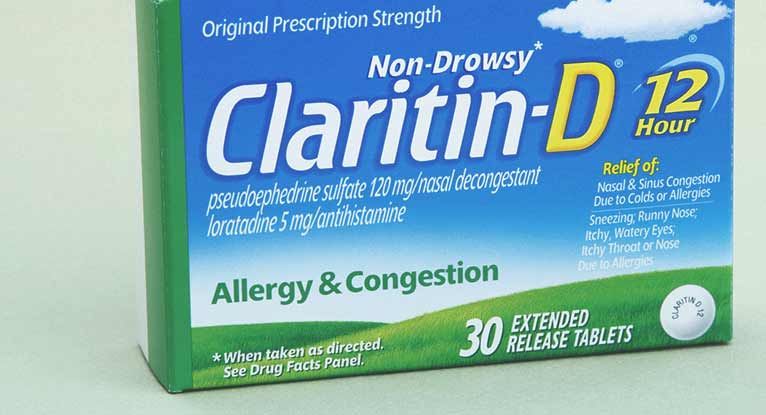
This is a big one. Claritin and Claritin-D are not the same product. Claritin contains loratadine. Claritin-D contains loratadine plus pseudoephedrine, a decongestant. Pseudoephedrine can cause side effects such as fast heartbeat, restlessness, nervousness, and trouble sleeping. Claritin-D is generally not used for younger children unless a clinician specifically recommends it.
If the box has a “D,” slow down. That one letter can change the entire safety conversation. When buying allergy medicine for a child, choose the children’s product intended for your child’s age and read the active ingredient section carefully.
How to Give Claritin to Kids Safely
Giving medicine safely is not just about the dose. It is about the whole routine. These habits can prevent most common errors:
Use the right measuring tool
Use the dosing cup that comes with the medicine or an oral syringe from the pharmacy. Household spoons vary wildly. One “teaspoon” from your kitchen may be more like a tiny ladle with confidence issues.
Give it once daily unless a doctor says otherwise
Loratadine is usually taken once a day. Giving extra doses does not make allergies surrender faster. It only raises the risk of side effects.
Do not combine allergy medicines casually
Avoid giving Claritin with other antihistamines unless your pediatrician says it is okay. This includes diphenhydramine, cetirizine, fexofenadine, and multi-symptom products that may hide antihistamines in the ingredient list.
Store it safely
Keep Claritin and all medicines up, away, and out of sight. Child-resistant caps are helpful, but they are not toddler-proof force fields. Kids are creative. A quiet child near a medicine bottle is a plot twist no parent needs.
What If You Accidentally Give Too Much Claritin?
If your child takes more Claritin than directed, do not wait to “see what happens.” Call Poison Control at 1-800-222-1222 in the United States, use an online poison help tool, or seek emergency medical care if symptoms are serious. Call 911 immediately if your child has trouble breathing, collapses, has a seizure, cannot be awakened, or seems severely ill.
Possible overdose-related effects may include unusual drowsiness, headache, fast heartbeat, agitation, or other unexpected symptoms. The best response is fast, calm action. Panic is understandable, but Poison Control exists exactly for these moments.
Natural and Non-Medicine Allergy Tips That Help
Medication can help, but reducing allergen exposure may lower how much medicine your child needs. Try these practical steps:
- Check pollen counts before outdoor play.
- Have children wash hands and face after playing outside.
- Change clothes after high-pollen activities.
- Keep bedroom windows closed during heavy pollen days.
- Use a HEPA filter if indoor allergens are a major trigger.
- Wash bedding regularly in hot water if dust mites are a concern.
- Use saline spray to rinse irritated nasal passages.
- Keep pets out of the child’s bedroom if pet dander triggers symptoms.
These steps are not glamorous. Nobody throws a party because they washed pillowcases. But they can make a real difference, especially when used consistently.
When to Call the Pediatrician
Call your child’s doctor if Claritin does not help after a few days of correct use, symptoms are severe, or the pattern is unclear. Also call if your child has frequent nosebleeds, chronic congestion, snoring, sinus pain, ear pain, wheezing, or repeated school absences due to allergy symptoms.
You should also seek medical advice if symptoms are year-round. Persistent “allergies” may be caused by dust mites, mold, pets, chronic sinus issues, enlarged adenoids, asthma, or something else entirely. The goal is not just to quiet symptoms for today; it is to understand what keeps triggering them.
Parent Experience: What Using Claritin for Kids Often Looks Like in Real Life
In real family life, allergy medicine decisions rarely happen in a calm kitchen with perfect lighting and a pediatric textbook open on the counter. They happen at 7:10 a.m., when one child cannot stop sneezing, the school bus is coming, someone cannot find a shoe, and the dog has chosen that exact moment to contribute emotional chaos. That is why parents need practical, simple rules for using Claritin safely.
A common experience is the “seasonal pattern discovery.” At first, a child seems to catch a cold every spring. Then parents notice the same symptoms appear every year when pollen coats the car like yellow powdered sugar. The child has itchy eyes, clear drainage, and no fever. In that situation, a children’s loratadine product may be a reasonable option if the child is old enough and the label directions match. The improvement may not be instant like flipping a switch, but many parents notice fewer sneezing attacks and less nose rubbing over the next day or two.
Another familiar scenario is the bedtime debate. Some parents wonder whether to give Claritin at night or in the morning. Since loratadine is usually taken once daily and is considered less sedating, many families use it in the morning during allergy season. However, if a child becomes sleepy after taking it, parents may discuss timing with a pediatrician. The best schedule is the one that controls symptoms without making the child feel foggy, cranky, or unlike themselves.
Parents also learn quickly that Claritin is not always enough for congestion. A child may stop sneezing but still sound stuffy. That does not necessarily mean the medicine “failed.” Oral antihistamines are better at itching, sneezing, and runny nose than at swelling inside the nose. Families often get better results by combining doctor-approved allergy medicine with non-drug steps: saline spray, showers after outdoor play, clean pillowcases, closed windows on high-pollen days, and less rolling around in grass like a golden retriever auditioning for a pollen commercial.
One of the most important experiences parents report is label confusion. The allergy aisle is crowded. Claritin, Children’s Claritin, Claritin-D, generic loratadine, chewables, syrups, dissolvable tabletssuddenly buying medicine feels like taking a pop quiz with a tired brain. The safest habit is to pause and read three things: active ingredient, age directions, and maximum daily dose. If the product says loratadine only, that is different from loratadine plus pseudoephedrine. If the dose is for ages 6 and up, do not assume it fits a 3-year-old. If the label says once daily, more is not better.
Families also discover that medicine storage matters. Children’s syrups can taste sweet, which is great for cooperation and terrible for safety if left within reach. After each dose, the bottle should go back to a high, locked, or otherwise secure location. The dosing cup should be rinsed and stored with the bottle or replaced with a pharmacy syringe if measurements are hard to see.
The biggest lesson is this: Claritin can be a useful allergy tool, but it works best as part of a thoughtful routine. Match it to true allergy symptoms, use the correct dose, avoid mixing medicines, watch how your child responds, and keep the pediatrician in the loop when symptoms are persistent, severe, or confusing. In parenting, as in allergy season, a little preparation prevents a lot of sneezing drama.
Conclusion: So, Is Claritin Safe for Kids?
Claritin can be safe for kids when used correctly. For many children ages 2 and older, loratadine offers convenient, once-daily relief from seasonal allergy symptoms such as sneezing, runny nose, and itchy eyes. The safest approach is to use a children’s product, follow the label exactly, measure with a real dosing tool, and avoid combining it with other antihistamines or cold medicines unless a healthcare professional approves.
Claritin is not right for every child or every symptom. Children under 2 need a doctor’s guidance. Children with liver or kidney disease may need a different dose or a different medicine. And if your child has fever, wheezing, severe congestion, breathing trouble, or symptoms that do not behave like allergies, call the pediatrician instead of playing medicine detective alone.
Used wisely, Claritin can help kids get through allergy season with fewer tissues, less eye rubbing, and maybe even fewer dramatic declarations like “my nose is broken.” That is not a small victory. In a house with children, quiet breathing is practically a luxury product.