
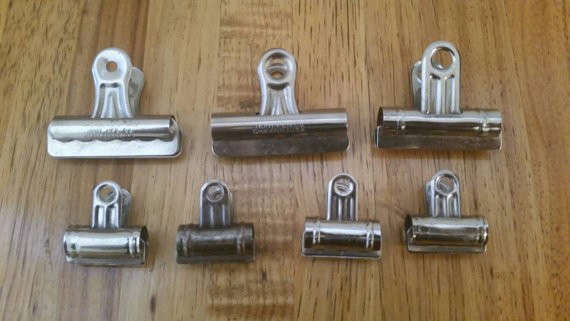
Vintage binder clips may not have the glamour of a mid-century lounge chair or the drama of an old typewriter clacking away in a detective movie, but do not underestimate them. These tiny metal workhorses have been quietly holding civilization together one stack of paper at a time. Receipts, manuscripts, recipes, invoices, fabric swatches, postcards, classroom packets, and emergency snack bags have all felt the firm little handshake of a binder clip.
Today, vintage binder clips are more than forgotten office supplies. They are collectible desk accessories, practical organizers, craft materials, photography props, industrial-style decor pieces, and charming reminders of a time when paperwork was very physical and very determined to slide off the desk. Their appeal sits somewhere between utility and nostalgia. They are simple, sturdy, reusable, and oddly satisfying to snap open and shutlike bubble wrap for people who own filing cabinets.
This guide explores what vintage binder clips are, why they matter, how to identify them, where to use them, how to care for them, and why these humble metal paper clamps still deserve a spot in modern homes and offices.
What Are Vintage Binder Clips?
Vintage binder clips are older versions of the familiar foldback clips used to hold paper together without staples, glue, holes, or string. Most are made from spring steel with wire handles that fold up, down, or sometimes come off entirely. The classic shape is triangular, with two metal arms pressing together at the base to grip documents securely.
Unlike a paper clip, which slides onto paper and can loosen over time, a binder clip clamps with force. Unlike a staple, it does not puncture the page. That simple difference made binder clips an office favorite for reports, manuscripts, legal documents, school packets, and financial paperwork. When you needed pages to stay together but still wanted the option to rearrange them, binder clips were the sensible choice.
The word “vintage” can mean different things depending on the seller, collector, or antique booth owner who has had three cups of coffee and a strong opinion. In general, vintage binder clips may include early twentieth-century examples, mid-century office clips, older branded clips, black steel clips with worn patina, brass-toned paper clamps, and decorative clips from past decades. Some are truly old; others simply have a retro look. Either way, the magic is in the mix of function, age, and character.
A Short History of the Binder Clip
The binder clip was invented in the early 1900s by Louis E. Baltzley of Washington, D.C. His design was created to help organize loose pages more conveniently at a time when papers were often sewn, tied, or otherwise bound in ways that made removing a single sheet annoyingly difficult. Imagine trying to revise a manuscript when every edit requires tiny office surgery. No thank you.
Baltzley’s paper-binding clip solved a real problem. It allowed a stack of pages to be held tightly while still letting the user remove, add, or reorder individual sheets. The core design was beautifully efficient: a bent piece of spring metal created the clamping force, while wire handles made it easy to open the jaws. More than a century later, the basic idea is still with us. That is good design. It does not need a software update, a subscription plan, or a charger hidden somewhere in the junk drawer.
Over time, binder clips became standard office equipment. Companies produced them in multiple sizes, finishes, and strengths. The black steel body with silver wire handles became the most recognized version, but older clips can also be found in brass, nickel, painted metal, and novelty designs. Some early or collectible pieces may carry manufacturer marks, stamped lettering, aged boxes, or other details that help tell their story.
Why Vintage Binder Clips Are Popular Again
There are several reasons vintage binder clips have found new life outside the supply closet. First, they fit perfectly into the broader love for retro office supplies. People collect manual typewriters, brass rulers, wooden file drawers, fountain pens, library cards, metal index boxes, and old staplers because they bring texture and personality to a workspace. Vintage binder clips belong in that same family.
Second, they are genuinely useful. Many vintage objects are beautiful but fragile. A vintage binder clip, however, can still do its job. It can hold mail, mark pages, seal a coffee bag, organize cords, display photos, hang calendars, or keep fabric pieces in order. It is not just sitting around looking handsome, although it does that too.
Third, they match popular decor styles. Industrial, farmhouse, academic, rustic, minimalist, and vintage-inspired interiors all welcome small metal accents. A handful of old binder clips in a ceramic dish or wooden drawer tray can make a desk feel curated without trying too hard. They whisper, “I read books and label things,” which is a respectable personality trait.
How to Identify Authentic Vintage Binder Clips
Look for Material and Finish
Older binder clips often show signs of age in the metal. Black oxide finishes may appear softened, scratched, or slightly uneven. Nickel-plated handles may have dullness rather than a bright, mirror-like shine. Brass clips may develop a warm patina, ranging from honey gold to darker brown tones. A little wear is not a flaw; it is part of the appeal.
Check for Stamped Marks
Some vintage binder clips have stamped manufacturer names, initials, patent references, or size markings. These details can make a clip more interesting to collectors. Even when a clip is not rare, stamped lettering adds visual charm and helps distinguish it from modern mass-produced versions.
Examine the Handles
The handles should move smoothly but firmly. On older clips, the wire may feel heavier, the bends may look slightly less polished, and the folding action may have more mechanical character. If the handles are loose, bent, or missing, the clip may still work as decor, but it will be less useful for actual paper holding.
Consider the Packaging
Original boxes, tins, or paper labels can increase collector interest. A simple cardboard box of old binder clips may tell more of a story than the clips alone. Packaging can reveal brand names, manufacturing periods, office-supply graphics, and typography styles that appeal to collectors of paper ephemera.
Common Types of Vintage Binder Clips
The most familiar vintage binder clips are black metal clips with silver wire handles. These are practical, understated, and easy to use in everyday settings. They look at home on a modern desk, in a craft room, or beside a stack of notebooks.
Brass or brass-toned binder clips are especially popular for decorative purposes. They pair beautifully with leather journals, cream paper, dark wood, and vintage stationery. Whether truly old or made in a retro style, brass clips have an antique warmth that makes even a grocery list look like a message from a charmingly mysterious archivist.
Large industrial clips are useful for hanging prints, organizing thick files, or creating wall displays. Small clips are excellent for planners, recipe cards, gift tags, and photo boards. Decorative vintage-style clips shaped like shells, animals, labels, or ornate clamps can add personality, although serious collectors may prefer simpler historical examples.
Practical Uses for Vintage Binder Clips
Desk Organization
Vintage binder clips are perfect for sorting incoming mail, receipts, tax documents, invoices, instruction manuals, and project notes. Use different sizes for different categories. A large clip can hold important paperwork, while smaller clips can group coupons, business cards, or sticky notes.
Cable Management
Binder clips are famously useful for controlling cords. Clip one to the edge of a desk and thread charging cables through the metal handles so they do not fall behind the furniture. Your phone charger will stop disappearing into the shadow realm behind the desk, which is apparently where chargers go to form a tiny civilization.
Kitchen Storage
Use binder clips to seal bags of coffee, rice, chips, frozen vegetables, cereal, flour, or pet treats. Vintage clips add a little character to open shelving or pantry jars, especially when paired with kraft labels and glass containers.
Crafting and Journaling
Artists, scrapbookers, and journal lovers use binder clips to hold pages open, secure paper layers, display inspiration cards, and keep supplies grouped. Vintage binder clips look especially good with handmade paper, pressed flowers, antique postcards, and washi tape.
Home Decor Displays
Clip photos, postcards, small prints, children’s artwork, or calendar pages to twine, wire grids, pegboards, or wooden rails. The result feels relaxed and creative, not overly polished. It is gallery wall energy without the commitment of measuring fourteen frames and questioning your life choices.
Buying Vintage Binder Clips: What to Look For
When shopping for vintage binder clips, start with condition. Surface wear is normal, but heavy rust, sharp edges, weak springs, or broken handles may reduce usability. If you plan to use the clips with valuable papers, avoid anything rusty or rough. Rust can stain paper, and archival professionals often warn that metal fasteners can damage documents when corrosion or pressure becomes an issue.
Next, look at size. Mini clips are charming but limited. Medium clips are the most flexible for everyday use. Large clips are excellent for displays, thick stacks, and pantry bags. If you want a decorative bowl of clips for your desk, an assorted set gives the best mix of function and visual interest.
Also consider authenticity. Some sellers use “vintage” to describe new clips with an old-fashioned look. That is not necessarily bad if you want style and function, but it matters if you are collecting historical office supplies. Read descriptions carefully and look for details such as manufacturer marks, original packaging, age estimates, and close-up photos.
How to Clean and Care for Vintage Binder Clips
Cleaning vintage binder clips is simple, but gentle care is important. For light dust, wipe the clip with a dry microfiber cloth. For grime, use a barely damp cloth and dry the clip immediately. Avoid soaking metal clips, especially if the finish is worn. Water and old metal are not best friends; they are more like coworkers who politely avoid each other at lunch.
If there is light rust, you can gently remove loose corrosion with a soft brush or a small piece of fine steel wool, but proceed carefully. Aggressive scrubbing can remove patina or damage the finish. For collectible clips, it is often better to preserve age rather than make them look brand new. The goal is “clean and stable,” not “fresh from a robot factory.”
Store vintage binder clips in a dry place. Humidity encourages rust, and rust can transfer to paper. If you are using clips on family letters, photos, certificates, or important documents, place a small piece of acid-free paper between the clip and the original item, or use archival folders instead. Vintage clips are wonderful, but Grandma’s birth certificate should not be their stress test.
Vintage Binder Clips in Modern Workspaces
One of the best things about vintage binder clips is how easily they fit into modern work habits. Even in a digital age, paper has not disappeared. We still print shipping labels, sign documents, keep receipts, sketch ideas, save packaging slips, and tape notes to surfaces as though we are detectives solving a case called “Where Did I Put That Warranty?”
A few vintage binder clips can make a workspace feel more intentional. Use one to hold your weekly task list. Clip reference papers for a project. Attach a small label to each clip for categories like “urgent,” “to scan,” “taxes,” “receipts,” or “ideas that seemed brilliant at midnight.” The tactile quality of a binder clip can also create a tiny productivity ritual. Opening it, gathering the pages, and snapping it shut gives a satisfying sense of control.
Design-wise, vintage clips balance old and new. They look great beside a laptop, especially when combined with a wooden tray, brass lamp, linen notebook, or black metal file organizer. Instead of making a desk feel cluttered, they can make ordinary paperwork look curated.
Are Vintage Binder Clips Worth Collecting?
For serious antique collectors, binder clips may not command the same attention as rare fountain pens or early typewriters. However, that is part of their charm. They are affordable, accessible, small, and easy to display. You do not need a climate-controlled room or a museum grant. A drawer, jar, tray, or shadow box will do.
Collectors may focus on early binder clips, unusual shapes, manufacturer marks, brass clips, original boxes, advertising clips, or complete sets. Others simply collect them for their aesthetic. The value is often emotional and decorative rather than financial. Vintage binder clips remind us that good design can be humble. It can sit quietly on a desk, do its job, and outlast multiple generations of office trends.
Creative Display Ideas
Place a handful of vintage binder clips in a small glass jar for instant desk character. Clip them to the edge of a wire basket to label categories. Use them on a pegboard to hang scissors, notes, small tools, or color swatches. Attach them to a string line for a rotating photo display. Pair brass clips with kraft paper tags for gift wrapping. Use black metal clips to hang minimalist prints from a wooden dowel.
You can also create a vintage office vignette. Combine binder clips with an old stapler, rubber stamp, fountain pen, library card, wooden ruler, and metal file box. It will look like the desk of someone who writes very important letters and possibly owns a secret map.
Real-World Experiences with Vintage Binder Clips
The first time you use vintage binder clips in a real workspace, you realize they are not just cute accessories. They change the way small messes behave. A loose stack of receipts becomes a tidy bundle. A pile of recipe printouts becomes a usable mini-book. A half-finished craft project stops migrating across the table like it has travel plans. There is a quiet satisfaction in turning paper chaos into one clipped unit.
In my experience, medium-sized vintage binder clips are the most useful for daily life. They are strong enough for documents and flexible enough for household tasks. I have used them to hold together tax papers, organize warranty cards, keep notebook pages open, label cords, and seal coffee bags. The coffee bag use may be the most heroic, because any tool that protects morning caffeine deserves a small parade.
Large vintage binder clips are wonderful for visual organization. They can hold a monthly calendar on a wall hook, display art prints without frames, or keep fabric samples together in a sewing room. Their industrial look makes even practical storage feel stylish. A large black or brass clip attached to a clipboard, peg rail, or wire grid instantly adds structure and vintage character.
Small clips shine in planners and journals. They can mark pages, hold tickets, group sticky notes, or attach little reminders. If you enjoy bullet journaling, scrapbooking, or letter writing, vintage binder clips give pages a tactile, layered feel. They also photograph beautifully, which matters if you create content, sell handmade products, or enjoy making your desk look suspiciously more organized than your actual schedule.
One lesson from using old binder clips is to check the finish before putting them on important papers. A clip with rough spots or rust can leave marks, especially if the paper is thin or stored for a long time. For everyday notes, no problem. For old family letters, art prints, or certificates, use caution. Put a protective paper barrier under the clip or choose a clean modern clip for archival storage.
Another experience: vintage binder clips make excellent conversation pieces. People notice them. Not in a dramatic “where did you get that priceless artifact?” way, but in a warm, curious way. They pick one up, squeeze the handles, and suddenly remember school, offices, libraries, or a parent’s desk drawer. That is the beauty of ordinary objects with history. They carry memory without being precious.
Finally, vintage binder clips encourage reuse. Instead of buying endless plastic organizers, you can solve small problems with a durable object that already exists. Clip, label, hang, seal, sort, repeat. They are low-tech, inexpensive, and dependable. In a world full of complicated productivity systems, there is something refreshing about a spring steel clip that simply says, “Give me the papers. I’ve got this.”
Conclusion
Vintage binder clips prove that practical objects can have personality. They were designed to solve a simple office problem, yet their usefulness has carried them from manuscript stacks to modern desks, craft rooms, kitchens, studios, and stylish home offices. Whether you collect them for history, use them for organization, or display them for their retro charm, vintage binder clips offer a rare combination of durability, beauty, and everyday usefulness.
They are small, affordable, and endlessly adaptable. They hold paper without damage, add character without clutter, and bring a little old-school order to modern life. That is a lot of responsibility for something small enough to disappear under a notebook. Luckily, vintage binder clips seem built for the job.













