
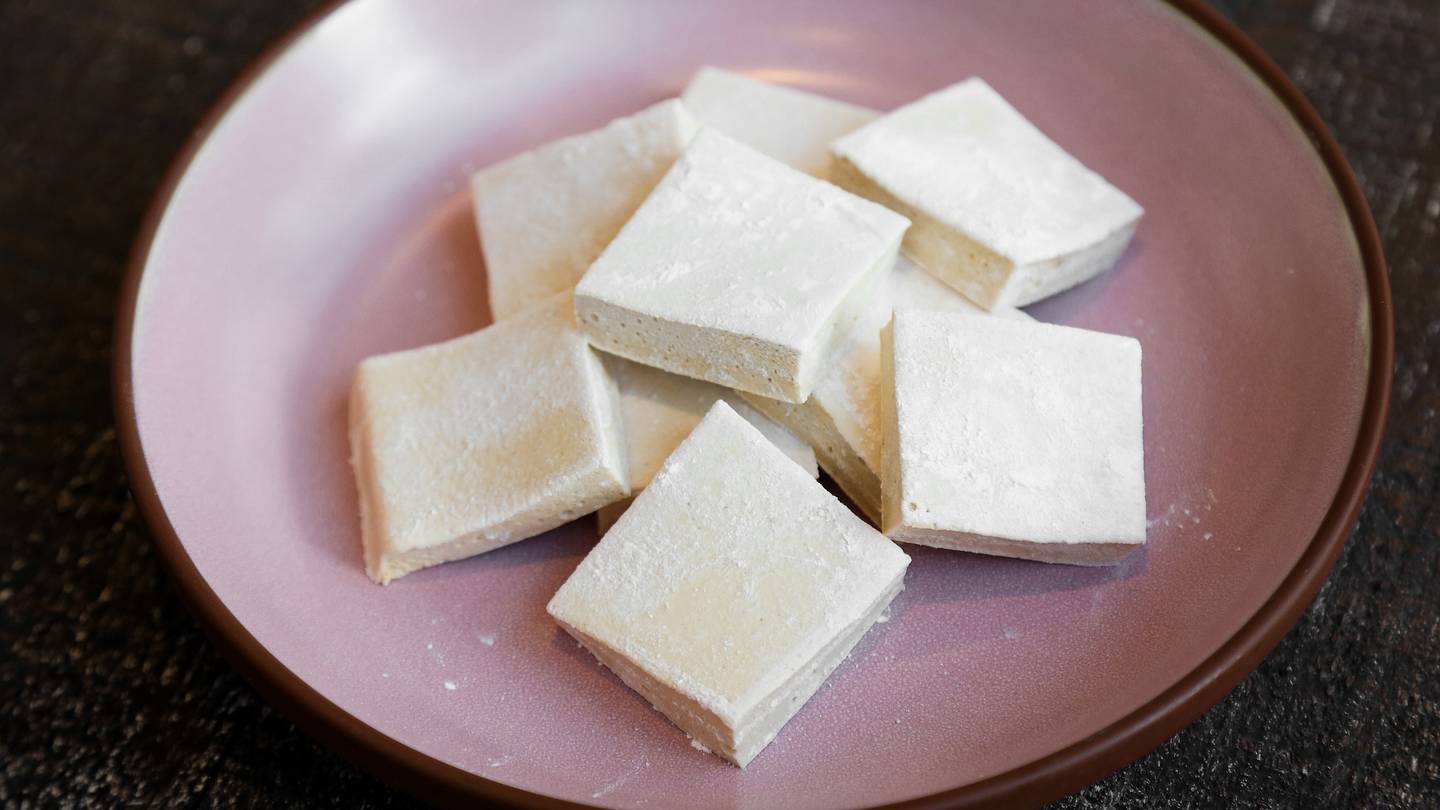
Some mornings need a gentle alarm. Others need a tiny square of cloud that tastes like espresso and makes hot chocolate look like it just got promoted. That is the charm of fluffy espresso marshmallows: they are soft, springy, lightly chewy, and bold enough to whisper, “Yes, you may count this as a personality trait.”
Homemade marshmallows already feel like kitchen magic. You take sugar, gelatin, water, and air, then somehow end up with a pillow that belongs in a mug. Add espresso powder, and the whole situation becomes deeper, toastier, and more grown-up without losing its playful dessert energy. These are marshmallows with café confidence. They can float on cocoa, melt into a latte, sit proudly on a holiday dessert board, or disappear straight from the cutting board while everyone pretends not to notice.
This guide explains how espresso marshmallows work, why the texture matters, which ingredients make the biggest difference, and how to avoid the common traps: sticky slabs, weak coffee flavor, crystallized syrup, and marshmallows that cling to the knife like they have unresolved attachment issues.
Why Espresso Marshmallows Are Worth Making From Scratch
Store-bought marshmallows are convenient, dependable, and ready to perform their cocoa duties. Homemade marshmallows, however, are a different creature. They are softer, fresher, more aromatic, and easier to customize. Instead of a one-note sugar puff, you get a confection with bounce, flavor, and a melt that feels luxurious.
Espresso is especially good in marshmallows because it balances sweetness. Marshmallows need a lot of sugar for structure, so a bitter, roasted, coffee-like flavor keeps the final result from tasting flat. Instant espresso powder works particularly well because it adds concentrated flavor without dumping extra liquid into the recipe. Brewed coffee can taste lovely, but too much liquid can weaken the foam or make the finished marshmallows softer than planned. Espresso powder is the shortcut that still shows up wearing a tiny apron.
What Makes Marshmallows Fluffy?
The fluff comes from three main things: gelatin, hot sugar syrup, and whipping. Gelatin gives the marshmallow its elastic structure. Sugar syrup creates body and sweetness. Whipping traps air inside the mixture, turning a glossy liquid into a thick, pale foam. Once the mixture sets, those tiny air bubbles stay suspended, which is why a marshmallow can be light and chewy at the same time.
Temperature matters because sugar syrup changes as water evaporates. Most classic marshmallow recipes cook the syrup to the soft-ball range, around 235°F to 240°F. At this stage, enough water has boiled away to help the candy set, but not so much that it becomes hard or brittle. Go too low and the marshmallows may be wet and limp. Go too high and they can turn dense, tough, or overly chewy.
The Flavor Profile: Coffee, Cocoa, Vanilla, and a Tiny Bit of Drama
Espresso marshmallows should not taste like someone waved a coffee bean near a sugar cube and called it innovation. The goal is a clear coffee note: roasted, slightly bitter, aromatic, and warm. A small amount of vanilla rounds the edges. A pinch of salt sharpens the sweetness. Some recipes also include cocoa powder in the dusting mixture or a chocolate swirl for mocha energy.
If you want a clean espresso flavor, use instant espresso powder and vanilla. If you want a mocha marshmallow, dust the pan with powdered sugar mixed with cocoa powder and cornstarch. If you want a dessert-board show-off, dip half of each cube in dark chocolate and sprinkle with crushed espresso beans or flaky salt. Suddenly your marshmallow has a blazer.
Essential Ingredients for Fluffy Espresso Marshmallows
Unflavored Gelatin
Gelatin is the backbone of the recipe. It must be bloomed in cold water before the hot syrup is added. Blooming hydrates the gelatin granules so they dissolve evenly later. Skipping this step is like asking dry pasta to become lasagna through optimism alone.
Granulated Sugar
Sugar provides sweetness and structure. It also helps stabilize the whipped foam. Marshmallows are candy, so this is not the time to ask sugar to sit quietly in the corner.
Light Corn Syrup
Corn syrup helps prevent crystallization and keeps the texture smooth. It gives the syrup a more forgiving personality, which is useful when boiling sugar on a Tuesday night while your phone keeps buzzing.
Instant Espresso Powder
Instant espresso powder delivers concentrated coffee flavor without adding too much water. Start with one to two tablespoons for a balanced batch. Use more if you want a stronger coffee bite, but remember that espresso should enhance the marshmallow, not elbow it off the stage.
Powdered Sugar and Cornstarch
This dusting mixture keeps the marshmallows from sticking to the pan, the knife, your fingers, your countertop, and possibly your emotional support spatula. A common ratio is equal parts powdered sugar and cornstarch.
A Practical Espresso Marshmallow Formula
This is a reliable home-kitchen formula for a 9-by-13-inch pan. It produces soft, fluffy marshmallows with a noticeable espresso flavor and enough structure to cut cleanly.
Ingredients
- 3 envelopes unflavored gelatin, about 21 grams total
- 1 cup cold water, divided
- 1 1/2 cups granulated sugar
- 1 cup light corn syrup
- 1/4 teaspoon fine salt
- 1 to 2 tablespoons instant espresso powder
- 1 teaspoon vanilla extract
- 1/2 cup powdered sugar
- 1/2 cup cornstarch
- Optional: 2 tablespoons unsweetened cocoa powder for mocha dusting
Method
- Lightly grease a 9-by-13-inch pan. Mix powdered sugar and cornstarch, then dust the pan generously. Save extra dusting mixture for the top and cut sides.
- Add 1/2 cup cold water to the bowl of a stand mixer. Sprinkle gelatin evenly over the water and let it bloom for about 10 minutes.
- In a heavy saucepan, combine the remaining 1/2 cup water, sugar, corn syrup, salt, and espresso powder. Stir gently over medium heat until the sugar dissolves.
- Increase heat and cook without stirring until the syrup reaches about 240°F on a candy thermometer. Use caution: hot syrup can cause serious burns.
- With the mixer on low speed, slowly stream the hot syrup into the bloomed gelatin. Once added, increase to high speed and whip for 10 to 12 minutes, until thick, glossy, and dramatically fluffy.
- Beat in vanilla during the final minute.
- Quickly scrape the mixture into the prepared pan. Smooth the top with a lightly greased spatula. Dust with more powdered sugar mixture.
- Let set uncovered at room temperature for at least 4 hours, or overnight for cleaner cutting.
- Turn out onto a dusted board, cut into squares, and toss each piece in the remaining dusting mixture.
Common Mistakes and How to Fix Them
| Problem | Likely Cause | Easy Fix |
|---|---|---|
| Marshmallows are sticky | Not enough dusting mixture or not enough setting time | Let them dry longer and toss cut sides in powdered sugar and cornstarch |
| Texture is dense | Mixture was under-whipped or syrup cooked too high | Whip until thick and glossy; use a reliable thermometer |
| Coffee flavor is weak | Too little espresso powder or diluted coffee was used | Use instant espresso powder and increase slightly next time |
| Syrup crystallized | Sugar crystals formed on the pan sides | Use corn syrup, avoid stirring after boiling, and brush sides with water |
| Marshmallows will not set | Gelatin did not bloom properly or syrup temperature was too low | Bloom gelatin fully and cook syrup to the correct temperature range |
Serving Ideas That Make Espresso Marshmallows Shine
Float Them on Hot Chocolate
Espresso marshmallows turn hot chocolate into a mocha without needing extra coffee. As they melt, they create a creamy foam on top, like your mug hired a pastry chef.
Add Them to a Latte
Drop one or two into a warm latte and let them soften. The espresso flavor blends with the coffee while the sugar adds a dessert-like finish. It is not exactly breakfast, but it is breakfast-adjacent with excellent morale.
Make Mocha S’mores
Sandwich espresso marshmallows between graham crackers and dark chocolate. Toast them lightly for a caramelized outside and a stretchy middle. The coffee flavor cuts through the sweetness and makes the whole thing taste more sophisticated than the sticky fingers suggest.
Build a Dessert Board
Serve them with chocolate squares, biscotti, strawberries, pretzels, salted nuts, and tiny cups of espresso. This is a low-effort way to look like you planned something charming instead of opening cabinets until inspiration fell out.
Storage Tips for Freshness
Homemade espresso marshmallows keep best in an airtight container at room temperature. Separate layers with parchment paper and keep them away from moisture. Do not refrigerate plain marshmallows unless they are coated in chocolate or paired with ingredients that require chilling. The refrigerator can make them sticky by encouraging condensation.
For the best texture, enjoy them within one to two weeks. They may last longer, but the fresh bounce is part of the joy. If they begin to feel tacky, toss them again in the powdered sugar and cornstarch mixture. If they become dry, they are still excellent chopped into brownies, cookies, or rocky road-style bark.
How to Customize the Recipe
Mocha Espresso Marshmallows
Add cocoa powder to the dusting mixture or swirl melted chocolate into the whipped marshmallow before spreading it in the pan. Do not overmix the swirl or it will disappear into the batter like a plot twist nobody requested.
Vanilla Latte Marshmallows
Use a lighter amount of espresso powder and add extra vanilla. The result is softer and creamier in flavor, perfect for people who want coffee vibes without a dramatic caffeine monologue.
Salted Espresso Marshmallows
Sprinkle a tiny amount of flaky salt on the top before the marshmallows set. Salt makes the coffee flavor pop and keeps the sweetness from becoming too loud.
Chocolate-Dipped Espresso Marshmallows
Dip cut marshmallows halfway into melted dark chocolate. Let them set on parchment, then package them in small bags or jars. These make excellent edible gifts because they say, “I made candy,” which is much more impressive than “I found tape.”
Food Safety and Kitchen Safety Notes
Marshmallows are simple, but hot sugar deserves respect. Boiling syrup is much hotter than boiling water and sticks to skin, so move carefully. Use a heavy saucepan, keep the mixer bowl stable, and pour the syrup slowly. Keep children and pets away from the stove while the syrup cooks. If younger cooks are helping, they can dust the pan, measure ingredients, or package finished marshmallows while an adult handles the hot syrup.
Clean utensils, dry pans, and accurate measuring also help the recipe succeed. Moisture is the enemy of tidy marshmallows, so store them in a dry container and avoid cutting them on a damp board.
Experience Notes: What It Feels Like to Make Espresso Marshmallows
The first time you make espresso marshmallows, the process feels almost suspicious. You look at the mixer bowl and think, “This is just brownish syrup and gelatin. Surely this cannot become anything charming.” Then the whisk starts working, the color lightens, the mixture grows taller, and suddenly you are watching a glossy coffee cloud climb the sides of the bowl like it has somewhere important to be.
The smell is the best part. It is warm sugar, toasted coffee, and vanilla all arriving at once. It smells like a bakery opened inside a coffee shop and everyone involved owns good socks. The espresso powder gives the kitchen a cozy aroma, but it is not overpowering. Instead of smelling like a pot of coffee left on too long, it smells like dessert waking up.
Pouring the marshmallow mixture into the pan is where speed matters. It thickens quickly, and the spatula starts to drag through the fluff like a snow shovel through delicious weather. This is not the moment to answer a text, admire your work, or debate whether the top is perfectly smooth. It will not be perfectly smooth. That is fine. Homemade marshmallows should look handmade, not manufactured by a tiny square robot with control issues.
Waiting for them to set is the hardest part. The pan sits there, dusted and quiet, looking innocent. You may be tempted to poke the corner. You may tell yourself it is “quality control.” Resist if you want clean cubes. Letting the slab rest overnight gives the marshmallows a better texture and makes cutting easier. The reward is a soft block that releases from the pan with a gentle tug and lands on the cutting board like edible memory foam.
Cutting them is messy in the happiest way. Powdered sugar drifts across the board. The knife gets tacky. The first square is never perfect, but the second one usually looks better, and by the fifth you feel qualified to open a boutique candy company with a chalkboard sign. Tossing each cube in the dusting mixture gives them that classic marshmallow finish and keeps them from joining together in one giant espresso-flavored friendship circle.
The first taste is soft, sweet, and surprisingly balanced. The espresso arrives after the sugar, not before it. It gives the marshmallow a roasted finish that makes you immediately imagine hot cocoa, cappuccino, brownies, ice cream, and a winter movie night where everyone wears sweaters and nobody checks email. Toast one over a flame and the outside caramelizes while the inside melts into coffee-scented fluff. Drop one into hot chocolate and it slowly becomes a mocha cloud. Eat one plain and it feels like sneaking a café treat before anyone has officially declared dessert open.
Espresso marshmallows are also excellent for gifting because they look more difficult than they are. Stack them in a glass jar, tie the lid with ribbon, and suddenly you are the person who “makes confections.” That title sounds fancy. Keep it. You earned it when you cleaned marshmallow fluff off the whisk.
Conclusion
Fluffy espresso marshmallows are the kind of homemade treat that turns basic ingredients into a small kitchen event. They combine candy science, coffee flavor, and nostalgic comfort in one soft square. The method is approachable, the ingredients are easy to find, and the payoff is far more exciting than anything hiding in a store-bought bag. Use them for hot chocolate, lattes, s’mores, dessert boards, edible gifts, or quiet countertop snacking while pretending you are “checking texture.”
The secret is balance: bloom the gelatin, cook the syrup carefully, whip enough air into the mixture, and use espresso powder for bold flavor without extra liquid. Once you master the base recipe, the variations are endless. Mocha, vanilla latte, salted espresso, chocolate-dipped, cocoa-dustedeach version proves that marshmallows are not just for campfires. Sometimes they are for waking up, smelling the espresso, and giving your mug the fluffy crown it deserves.














