
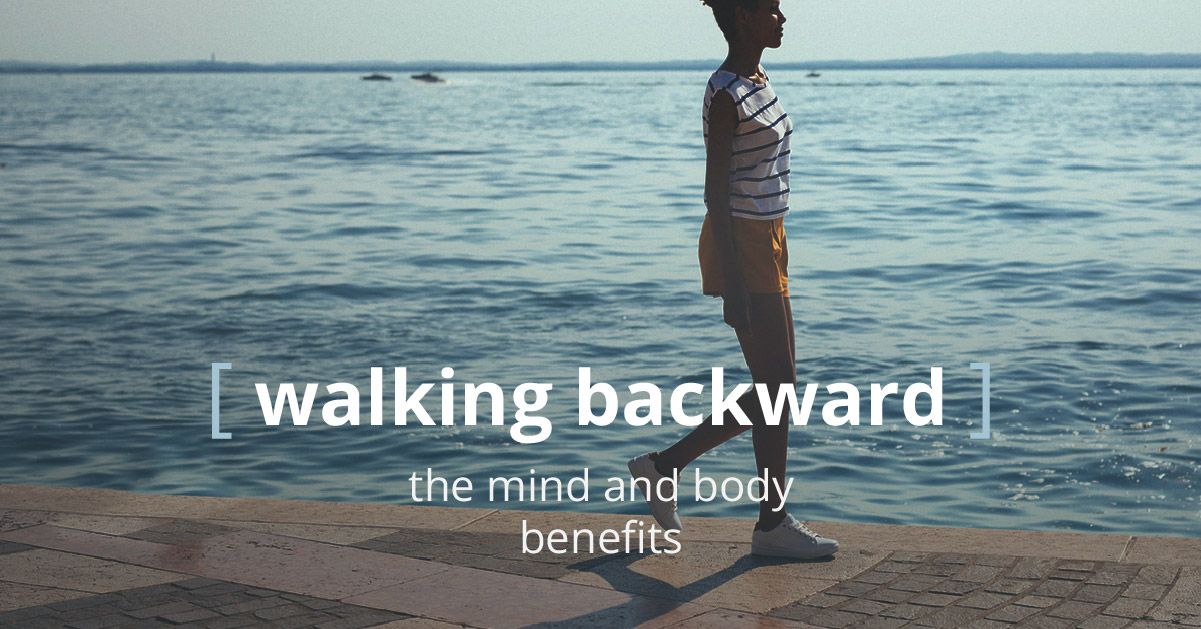
Walking backward may look like something you do after realizing you forgot your phone on the kitchen counter, but this simple movement has earned serious attention in fitness, physical therapy, and wellness circles. Also called retro walking or reverse walking, it takes the most ordinary exercise on Earthwalkingand flips the script. Suddenly, your brain wakes up, your legs ask questions, and your balance system files a formal complaint.
The good news? That challenge is exactly the point. Walking backward can help train balance, coordination, posture, lower-body strength, and mental focus. It is not magic, and it will not transform you into a superhero by Thursday, but it can be a smart, low-cost way to add variety to your movement routine. When done safely, it may support joint-friendly exercise, improve body awareness, and make a regular walk feel brand-new again.
In a world where fitness trends often require expensive equipment, complicated apps, or leggings with suspiciously scientific names, walking backward is refreshingly simple. You need a flat surface, a little patience, and the humility to look slightly silly for a few minutes. Let’s step backward into the benefits.
What Is Walking Backward?
Walking backward is exactly what it sounds like: moving in reverse while maintaining control, posture, and awareness. Unlike forward walking, where your heel usually touches the ground first, backward walking often starts with the toes or forefoot and rolls through the foot differently. This change alters how your muscles, joints, and nervous system work together.
Because the movement is unfamiliar, your body cannot go on autopilot. You must pay attention to your surroundings, foot placement, speed, and balance. That makes reverse walking both a physical exercise and a coordination drill. It is commonly used in rehabilitation settings, sports training, and balance programs, but everyday walkers can use it toocarefully, of course. This is not the activity to try while texting, carrying coffee, or dramatically looking over your shoulder like a movie detective.
Why Walking Backward Feels So Different
Forward walking is deeply practiced. Most adults have performed millions of forward steps, so the brain can manage the motion with very little conscious effort. Walking backward removes that comfort. Your visual field changes, your stride shortens, your body shifts upright, and your muscles fire in a new pattern.
This novelty is why backward walking can feel surprisingly intense even at a slow pace. Your heart rate may rise faster than expected because your body is solving a movement puzzle. Your legs, hips, core, and ankles work together to keep you steady. Your brain also stays alert because you need to monitor space and direction. In short, backward walking turns a casual stroll into a full-body conversation.
Physical Benefits of Walking Backward
1. It Challenges Balance and Coordination
One of the biggest benefits of walking backward is improved balance training. Because you cannot see the path in the same way, your body relies more on proprioception, which is your sense of where your body is in space. Your ankles, knees, hips, and core must constantly adjust to keep you upright.
This makes retro walking useful as a balance exercise, especially when practiced in a safe environment. For older adults, athletes, and people rebuilding movement confidence, controlled backward steps can help train stability. The goal is not speed. The goal is smooth, careful control. If forward walking is a regular handshake, backward walking is a trust fall with your nervous system.
2. It Activates Different Leg Muscles
Walking backward changes the way your lower-body muscles contribute. It can place more emphasis on the quadriceps, calves, glutes, hip flexors, and muscles around the ankles and feet. These muscles help support the knees, stabilize the hips, and control each step.
Because the movement is different from forward walking, it can work as a form of cross-training. Cross-training matters because repeating the same movement every day can leave certain muscles underused. By adding a few minutes of reverse walking, you give your body a new challenge without needing a new machine, a new membership, or a motivational poster that says “No pain, no gain” in aggressive font.
3. It May Support Knee-Friendly Movement
Walking backward is often discussed in relation to knee comfort and knee osteoarthritis because it changes joint loading and muscle activity. Some physical therapy programs use backward walking as part of gait training or rehabilitation plans. The movement may help strengthen muscles that support the knee, especially the quadriceps, while encouraging a different range of motion.
That does not mean everyone with knee pain should immediately march backward down the sidewalk. Knee conditions vary. If you have arthritis, recent surgery, instability, swelling, or sharp pain, speak with a healthcare professional or physical therapist before adding retro walking. Used wisely, backward walking can be a gentle tool. Used recklessly, it can become a very creative way to meet the floor.
4. It Can Improve Posture Awareness
Many people spend their day leaning forward: over laptops, phones, steering wheels, kitchen counters, and occasionally into the refrigerator while pretending to “just check something.” That forward habit can influence posture while walking.
Backward walking tends to encourage a more upright body position. To stay balanced, you naturally lift the chest, engage the core, and avoid excessive forward lean. Over time, practicing this movement may increase awareness of posture during regular walking too. Think of it as a polite reminder from your spine: “Hello, I still live here.”
5. It Adds Intensity Without Running
For many people, running is not appealing or comfortable. Backward walking can raise the challenge of a walking workout without the impact of jogging. Since the movement is unfamiliar and requires more coordination, even a slow backward walk can feel more demanding than a normal stroll.
This does not mean you should replace all forward walking with reverse walking. Forward walking remains one of the best, most accessible forms of physical activity. Instead, backward walking can be used in short intervals. For example, you might walk forward for five minutes, then walk backward for 30 seconds to one minute in a safe area, then repeat. That small change can increase variety and keep your workout from becoming as exciting as watching paint consider drying.
6. It Supports Mobility and Range of Motion
Backward walking moves the hips, knees, and ankles differently than forward walking. This can help promote mobility, especially in the hip flexors and lower legs. The shorter steps and controlled toe-to-heel pattern encourage careful movement through the joints.
Mobility is not just for athletes. Everyday life requires it: climbing stairs, stepping off curbs, carrying groceries, getting out of a car, or successfully navigating a crowded kitchen when someone opens the dishwasher at the exact wrong moment. Better mobility helps your body feel more capable during ordinary tasks.
Mental Benefits of Walking Backward
1. It Wakes Up Your Attention
Walking forward can be automatic. Walking backward demands attention. You must slow down, scan the area, plan each step, and respond quickly to changes. This creates a mental challenge that may support focus and body awareness.
In that sense, backward walking is almost meditative. You cannot doom-scroll while doing it safely. You cannot drift too far into tomorrow’s worries. You have to be present, because your brain knows that a stray garden hose has no respect for your wellness goals.
2. It Builds Confidence Through Skill
Learning an unfamiliar movement can feel awkward at first. But as you improve, you may feel a small confidence boost. The body enjoys mastering new skills. Even a tiny improvementwalking backward across a room more smoothly than last weekcan remind you that progress is possible at any age.
This is one reason variety matters in fitness. A new movement gives your brain and body a fresh problem to solve. That problem-solving process can make exercise feel less like a chore and more like practice. Walking backward is not just “steps.” It is skill-building in disguise.
3. It Can Make Exercise More Enjoyable
Boredom is one of the most underrated barriers to fitness. People do not always quit because exercise is too hard. Sometimes they quit because it feels repetitive. Adding retro walking to a routine can make movement playful again.
A few backward intervals during a walk can create novelty without requiring a complete lifestyle makeover. You are still walking. You are just walking like your legs read the instructions backward. That little spark of humor can make the habit easier to keep.
How to Start Walking Backward Safely
Choose the Right Location
Start in a flat, open, obstacle-free area. Good options include a quiet hallway, empty gym space, smooth driveway, indoor track, or treadmill with handrails. Avoid busy sidewalks, uneven trails, stairs, parking lots, and areas with pets who believe your ankles are a personal invitation.
Start Small
Begin with 10 to 20 slow steps while holding a wall, railing, or sturdy surface if needed. Keep your steps short. Look over your shoulder before starting, but avoid twisting your neck constantly while moving. If you are using a treadmill, start at the slowest speed and hold the rails until you feel steady.
Use Good Form
Stand tall, keep your chest lifted, and engage your core lightly. Step back softly, landing through the toes or forefoot, then rolling through the foot with control. Keep your knees slightly bent and avoid locking the joints. Move slowly enough that you can stop at any moment.
Try Simple Intervals
A beginner-friendly routine might look like this:
- Walk forward for 3 to 5 minutes to warm up.
- Walk backward for 20 to 30 seconds in a safe space.
- Return to forward walking for 1 to 2 minutes.
- Repeat 3 to 5 times.
- Cool down with easy forward walking.
As you improve, you can slowly increase the backward intervals. Many people do well with just 5 to 10 total minutes of backward walking added to a larger routine. More is not always better. Better is better.
Who Should Be Extra Careful?
Backward walking is not ideal for every situation. Be especially cautious if you have vertigo, frequent falls, severe balance problems, neurological conditions, recent surgery, uncontrolled joint pain, poor vision, or a history of fainting. If you use a cane, walker, or other assistive device, ask a physical therapist before trying reverse walking.
Also, do not practice backward walking in traffic, near curbs, on wet pavement, or around clutter. Safety comes first. The goal is better health, not becoming the main character in a security camera video titled “Local Person Loses Argument With Flowerpot.”
Walking Backward vs. Forward Walking: Which Is Better?
Forward walking is still the foundation. It is practical, natural, accessible, and strongly linked with better cardiovascular health, mood, energy, and long-term wellness. Backward walking is best viewed as a supplement, not a replacement.
Think of forward walking as the main meal and backward walking as the spicy side dish. You do not need a plate full of it, but a little can make the whole routine more interesting. For general health, keep building consistent forward walking. Then add short backward intervals for balance, coordination, posture awareness, and variety.
Common Mistakes to Avoid
Going Too Fast
Backward walking should begin slowly. Speed increases risk and reduces control. If your steps feel sloppy, shorten the interval or slow down.
Trying It on Uneven Ground
Grass, gravel, trails, and cracked sidewalks are risky for beginners. Start on smooth, predictable surfaces.
Looking Back Constantly
It is important to check your path, but constant twisting can strain your neck. Set up a safe path first, then move slowly and deliberately.
Ignoring Pain
Muscle effort is normal. Sharp pain, dizziness, joint instability, or unusual discomfort is not. Stop and reassess. If symptoms persist, get professional guidance.
Practical Ways to Add Walking Backward to Your Day
You do not need a complicated program. Try walking backward for a few steps in a hallway after your regular walk. Use a treadmill at a very slow speed for one-minute intervals. Add reverse steps to a warm-up before strength training. Practice in a safe outdoor court or open space with a friend watching your path.
For desk workers, backward walking can be a fun movement break. Walk forward down a hallway, then carefully walk backward for part of the return trip. For fitness enthusiasts, use it as a low-impact finisher after leg day. For older adults, practice only with support and professional guidance if balance is a concern.
Experience Section: What Walking Backward Feels Like in Real Life
The first experience most people have with walking backward is not graceful. It feels as if your body suddenly forgot the password to walking. Your steps become short. Your arms hover slightly away from your sides like you are preparing to negotiate with gravity. Your brain becomes extremely interested in the floor. This awkward beginning is normal, and honestly, it is part of the charm.
During the first few sessions, the biggest surprise is how much concentration the movement requires. A simple hallway can feel like an obstacle course. You may notice that your shoulders tense up, your breathing becomes shallow, and your steps are uneven. After a few rounds, however, the body begins to relax. The movement becomes smoother. You start to feel the muscles in your thighs, calves, hips, and even your feet working in a new way.
One practical experience is trying backward walking after a normal forward walk. After 15 or 20 minutes of forward walking, adding 30 seconds of backward walking can make the routine feel fresh. Your heart rate may rise slightly, and your attention sharpens immediately. It is a small change, but it breaks the monotony. Instead of simply counting steps, you start paying attention to how your body moves.
Another common experience is improved posture awareness. While walking backward, slouching feels awkward. You naturally stand taller because your body wants stability. After returning to forward walking, many people notice they are more aware of their shoulders, head position, and stride. It is not that one backward session permanently fixes posture. Rather, it gives you a clear contrast. You feel the difference between collapsing forward and moving with control.
Backward walking can also be surprisingly fun when practiced with a friend or trainer. One person can walk forward while watching the path, and the other can walk backward safely. This turns exercise into a shared activity instead of a lonely fitness assignment. There may be laughter. There may be dramatic wobbling. There may be a moment when someone declares, “I am definitely better at regular walking.” That is fine. Enjoyment helps habits stick.
On a treadmill, the experience is different. The handrails provide reassurance, and the belt gives a consistent surface. Beginners often feel safer starting there, especially at the slowest speed. Still, treadmill backward walking requires caution. It is wise to hold the rails, keep the speed low, and stop before fatigue affects coordination. Confidence should grow gradually, not leap ahead like an overexcited puppy.
The most meaningful experience may be mental. Walking backward forces you to slow down. It pulls you out of autopilot. For a few minutes, your attention is fully connected to your body, the surface, and the next step. In a busy day, that kind of focus can feel refreshing. It is movement, balance practice, and mindfulness wrapped into one odd-looking package. And if someone gives you a strange look, just smile. You are not lost. You are training in reverse.
Conclusion
Walking backward is simple, unusual, and more useful than it first appears. By reversing your steps, you can challenge balance, coordination, posture, lower-body strength, and mental focus. It may also add low-impact intensity to a regular walking routine and support joint-friendly movement when practiced correctly.
The key is safety. Start slowly, choose a flat and clear space, use support when needed, and avoid turning it into a speed contest. Backward walking works best as a small addition to a consistent exercise routine, not as a replacement for forward walking or medical treatment.
If regular walking has started to feel boring, retro walking might be the playful upgrade your routine needs. It is proof that sometimes, moving backward can be a surprisingly smart way to move forward.
Note: This article is for general educational and wellness purposes only. People with balance issues, injuries, chronic pain, neurological conditions, recent surgery, or medical concerns should consult a qualified healthcare professional before trying backward walking.














