
Note: Product availability, warranties, and technical specifications may vary by retailer and production year. Always confirm current details with the seller or manufacturer before purchasing or installing flooring.
Some floors politely disappear into the background. Others enter the room wearing a linen apron, carrying a basket of grapes, and casually suggesting that your breakfast nook deserves more personality. Parador Wine and Fruit Flooring belongs to the second group. Known as the Wine & Fruits laminate collection, this eye-catching Parador design has been associated with rustic grape-crate visuals, recycled-content materials, and the kind of European farmhouse charm that makes a plain room feel like it suddenly learned how to host dinner.
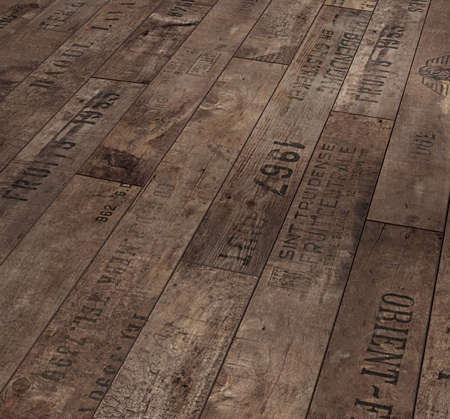
The appeal is easy to understand. Most wood-look laminate flooring tries to imitate oak, walnut, hickory, or maple. Parador Wine and Fruits flooring takes a more playful route: it borrows the language of wooden produce crates, vineyard packaging, fruit-market signage, and weathered timber. The result is not just a floor covering; it is a design feature. Used thoughtfully, it can connect walls, windows, floors, furniture, and lighting into a cohesive interior story.
This article explores what makes Parador Wine and Fruit Flooring distinctive, where it works best, how to coordinate it with walls and windows, and what practical factors homeowners should consider before choosing any printed laminate flooring. Spoiler: yes, it can look amazing. Also yes, your mop should not behave like it is auditioning for a car wash commercial.
What Is Parador Wine and Fruit Flooring?
Parador Wine and Fruit Flooring refers to a decorative laminate flooring style from German manufacturer Parador, often connected with the brand’s Trendtime or Classic design approach. Rather than relying on a conventional plank grain, the design is printed to resemble rustic wooden grape crates. That means lettering, worn boards, crate-style graphics, and an intentionally aged surface character may appear across the floor.
In earlier product descriptions, the collection was described as available in three color directions: black, rustic, and white. The planks were narrow and relatively short compared with today’s oversized wide-plank trend, which makes sense for a crate-inspired look. Instead of pretending to be one long board cut from a forest giant, the floor creates a patchwork rhythm. It is more wine cellar than suburban hallway, more artisan market than blank rental beige.
A Floor With a Graphic Personality
The main keyword here is Parador Wine and Fruit Flooring, but the design category is just as important: printed laminate flooring. Printed laminate can reproduce wood, stone, tile, concrete, vintage graphics, or decorative patterns. Because the image layer sits under a protective wear surface, manufacturers can create visuals that would be expensive or impractical in real reclaimed wood.
That is the magic of this style. Real antique fruit crates are charming, but turning them into a durable, level, code-friendly household floor would be a heroic project. Laminate makes the idea approachable. It gives homeowners the look of salvaged crate boards without asking them to explain to a contractor why they bought 400 old apple boxes on the internet.
Why the Wine and Fruit Look Still Feels Fresh
Design trends move quickly, but warm, natural, story-rich interiors continue to perform well because they feel personal. After years of cool gray flooring dominating home renovation photos, warmer wood tones, natural textures, and character-driven surfaces are getting more attention again. Parador Wine and Fruits fits neatly into that shift because it has warmth, texture, and visual narrative.
This floor is not minimal in the strict sense. It has printed marks, tonal variation, and a vintage-market mood. But it can still work in clean, modern interiors if the surrounding design is edited. Think smooth white walls, black-framed windows, simple cabinetry, and matte metal lighting. The floor becomes the conversation piece, while everything else plays rhythm guitar.
Best Interior Styles for Parador Wine and Fruits Flooring
Parador Wine and Fruits laminate flooring is especially suitable for interiors that welcome texture and character. It can complement modern farmhouse kitchens, rustic dining rooms, wine rooms, pantry spaces, boutique retail displays, cafés, breakfast areas, creative studios, and eclectic apartments. It also has potential in transitional homes where the owner wants a little history without installing actual antique wood.
The key is balance. A floor with crate graphics already brings pattern. Pairing it with heavily patterned wallpaper, ornate furniture, loud backsplashes, and three different wood stains can make the room feel like a flea market got trapped in a blender. Instead, let the flooring lead and keep nearby surfaces calm.
How to Coordinate Walls, Windows, and Floors
The title Walls, Windows & Floors matters because flooring never acts alone. A strong floor changes how wall colors read, how window light moves, and how furniture feels. With Parador Wine and Fruit Flooring, the best design results come from treating the whole room as one composition.
Wall Colors That Work Beautifully
For white or pale rustic versions of the floor, soft warm whites, cream, mushroom, linen, pale clay, and light greige can create a relaxed European kitchen mood. These colors allow the printed crate details to remain visible without making the room too busy.
For darker or black rustic versions, consider walls in ivory, warm taupe, muted sage, or even plaster-like beige. Darker floors can be dramatic, but they need enough lightness around them to avoid making a room feel compressed. If you want a bolder wall, choose one accent area instead of wrapping the entire room in competing drama.
Window Treatments That Support the Look
Natural light is the secret ingredient. A printed laminate floor with rustic details can look flat in harsh artificial lighting but rich and layered in daylight. Use window treatments that soften light instead of blocking it completely. Linen-look curtains, woven shades, Roman shades, or simple wood blinds can support the organic mood.
If the room faces strong sun, check the product’s light-resistance information before installation. Many modern floors are tested for light resistance, but constant UV exposure can still affect color over time. Area rugs, UV-filtering window film, and thoughtful furniture placement can help reduce uneven fading.
Trim, Doors, and Baseboards
Because Wine and Fruit flooring already has a weathered character, trim should be clean. White baseboards create a crisp edge. Natural wood trim can work if the tone does not clash with the floor. Black trim can be stylish with a black rustic floor, especially in a modern café-inspired kitchen or home bar. The one thing to avoid is accidental almost-matching. If the trim looks like it tried and failed to match the floor, the room may feel unfinished.
Practical Benefits of Laminate Flooring
Laminate flooring has improved dramatically from the shiny, hollow-sounding versions many people remember from older renovations. Quality laminate can offer strong scratch resistance, realistic print detail, easy maintenance, and a lower price point than many hardwood or stone options. It is also popular because many products use click-lock installation systems, reducing the need for glue.
For a graphic style like Parador Wine and Fruits, laminate is particularly logical. The decorative image layer allows the manufacturer to create a detailed crate-board look, while the wear layer protects the surface from daily traffic. That does not make it indestructible, of course. A determined chair leg, wet towel pile, or indoor roller-skating phase can still cause trouble. But for many residential spaces, laminate provides a practical balance of style and durability.
Durability and Wear Resistance
When evaluating laminate flooring, look beyond the pretty sample. Ask about wear classification, stain resistance, impact resistance, moisture performance, edge protection, and warranty terms. In North America, NALFA certification is one helpful sign because it involves third-party testing across performance categories such as wear, impact, moisture resistance, light resistance, dimensional stability, and cleanability.
Some retailers also describe laminate durability using AC ratings. These ratings are widely used in marketing, but they are only one part of performance. For a busy household with pets, kids, rolling chairs, and guests who somehow bring gravel indoors on perfectly sunny days, you want a floor that handles surface wear, not just one that looks good in a sample board.
Moisture Expectations
Laminate and moisture have a complicated relationship. Many laminate floors are water-resistant from the top, especially when spills are cleaned quickly. Some newer products are marketed as waterproof systems when installed exactly as specified. However, older laminate products and many standard laminates are not ideal for standing water, wet bathrooms, leaky basements, or laundry rooms with frequent overflow risk.
If you are considering Parador Wine and Fruit Flooring for a kitchen, dining room, hallway, or retail area, moisture management should be part of the plan. Use mats near doors, clean spills promptly, and avoid flooding the floor during cleaning. For bathrooms or basements, verify that the exact product is approved for that use. Do not assume that “laminate” automatically means “bring on the puddles.” The floor is stylish, not amphibious.
Sustainability and Indoor Air Quality Considerations
One reason the Wine & Fruits collection attracted attention was its eco-focused positioning. Earlier descriptions highlighted recycled materials, PEFC-certified new materials, certified paper with recycled content, watercolors without heavy metals, low VOC claims, and glueless installation. These features matter because flooring covers a large surface area in the home. A product underfoot can influence not only the room’s appearance but also indoor air quality and environmental impact.
For U.S. buyers, one of the most important compliance questions is whether composite wood products meet EPA TSCA Title VI formaldehyde standards. Laminate flooring often includes a fiberboard core, so formaldehyde emissions and certification labels should be part of the buying conversation. Responsible retailers should be able to provide documentation. If they respond with “trust me,” that is not documentation; that is a red flag wearing loafers.
It is also worth checking for certifications related to forest sourcing, indoor air quality, and manufacturing transparency. Current Parador product information emphasizes sustainable concepts across its flooring lines, including engineered wood, laminate, and newer resilient products. Still, specific claims should always be tied to the exact product, production batch, and retailer documentation.
Where Parador Wine and Fruit Flooring Works Best
The best rooms for Parador Wine and Fruit Flooring are spaces where character is welcome and moisture is controllable. This is not a shy floor for a room that wants to look like every other room on the block. It performs best when the design concept has a little culinary, rustic, European, or creative energy.
Kitchen and Breakfast Nook
A kitchen is the most obvious place for a wine-and-fruit crate look. Pair the floor with shaker cabinets, open shelving, ceramic pitchers, simple pendant lights, and a butcher-block island. If the floor has white rustic tones, darker lower cabinets can create contrast. If it has black rustic tones, lighter cabinetry helps keep the space open.
Dining Room or Wine Room
In a dining room, this flooring can create the feeling of a relaxed vineyard tasting room. A long wood table, linen runner, black metal chandelier, and simple upholstered chairs can make the look feel intentional rather than themed. The goal is “casual European hospitality,” not “grape festival gift shop.”
Retail, Café, or Studio Space
Printed laminate flooring can be powerful in small commercial interiors because it helps establish brand personality quickly. A bakery, bottle shop, tasting room, florist, market-style café, or creative studio could use a floor like this as part of the customer experience. For commercial use, always confirm the warranty and traffic rating. A floor that works in a home office may not be ready for hundreds of daily footsteps, rolling carts, and the occasional dropped espresso machine part.
Installation Considerations
Many laminate floors use floating click-lock installation, meaning the planks attach to one another rather than being glued directly to the subfloor. This can make installation faster and future plank replacement easier. However, “easier” does not mean “ignore the instructions and hope the floor develops emotional resilience.” Proper installation still matters.
The subfloor should be clean, dry, flat, and structurally sound. Underlayment may be required for sound reduction, comfort, moisture control, or warranty compliance. Expansion gaps are important because floating floors need room to move with changes in temperature and humidity. Transitions, door jamb cuts, and perimeter sealing should be planned before the first plank goes down.
If the product is older, discontinued, or purchased as leftover stock, order extra material. Matching later may be difficult. Printed décor floors can vary by production run, and a future replacement plank from a different batch might look like it came from the same family but has been living in another state for ten years.
Cleaning and Maintenance Tips
Laminate flooring is relatively easy to maintain, but it has boundaries. Regular sweeping, dust mopping, or vacuuming without a beater bar helps remove grit that can dull the surface. A lightly damp microfiber mop can handle routine cleaning. Avoid excessively wet mops, abrasive pads, scouring powders, waxes, polishes, and soap-heavy products that leave residue.
Place doormats at entrances to collect grit and moisture. Use felt pads under furniture. Lift heavy furniture instead of dragging it. Clean spills promptly, especially wine, coffee, oils, and sticky fruit juice. The irony of spilling red wine on Wine and Fruit flooring is charming for about seven seconds; after that, it is just a maintenance issue.
For printed laminate, also avoid sanding or refinishing. Unlike solid hardwood, laminate cannot be sanded down and renewed. Once the wear layer is damaged, repair usually means replacing affected planks. Keeping a few extra planks after installation is one of the smartest small decisions you can make.
Design Mistakes to Avoid
The first mistake is over-theming. A wine-crate floor does not need grape wallpaper, barrel furniture, cork-covered lampshades, and a sign that says “Wine O’Clock” in four fonts. Let the floor suggest the mood. The best interiors whisper; they do not shout into a decorative megaphone.
The second mistake is ignoring scale. Because this floor has visual detail, it may feel busy in a tiny room packed with furniture. In smaller spaces, use fewer patterns above the floor and choose furniture with visible legs to create breathing room. In larger rooms, use rugs to define zones and reduce visual busyness.
The third mistake is forgetting lighting. Warm bulbs, natural daylight, and soft indirect light can make rustic flooring look rich. Cold, bluish lighting can make it look harsh. Test samples in the actual room at morning, afternoon, and evening before committing.
Buyer Checklist Before Choosing Parador Wine and Fruit Flooring
- Confirm whether the exact Parador Wine and Fruits product is currently available or discontinued.
- Ask for product specifications, warranty terms, wear rating, and moisture limitations.
- Verify indoor air quality and composite wood compliance documentation.
- Check whether the floor is approved for kitchens, basements, bathrooms, or commercial spaces.
- Order extra planks for future repairs, especially if buying older stock.
- Review underlayment and subfloor requirements before installation.
- Test samples next to wall paint, cabinets, trim, furniture, and window light.
Experience Section: Living With the Look of Parador Wine and Fruit Flooring
To understand the experience of Parador Wine and Fruit Flooring, imagine walking into a small kitchen on a Saturday morning. The windows are open, the walls are painted a warm white, and sunlight lands across the floor in long rectangles. Instead of a plain oak pattern, the floor shows crate-like boards with gentle variation, rustic marks, and a market-inspired graphic rhythm. The room instantly feels less generic. It has a point of view.
That is the strongest experience this flooring offers: atmosphere. It gives a room a story before furniture even arrives. A simple table looks more collected. A row of glass jars on open shelving feels more intentional. Even a basic white cabinet can look charming when grounded by a floor that suggests vineyards, orchards, old shipping crates, and weekend markets. The design has a casual friendliness that says, “Come in, have coffee, ignore the one chair with laundry on it.”
In day-to-day use, the visual variation can be forgiving. Floors with character often hide small crumbs, pet hair, and dust better than flat dark floors or glossy pale surfaces. That does not mean you should stop cleaning; it simply means the floor is less likely to announce every speck like a dramatic town crier. For busy households, that is a real advantage.
The experience also depends on restraint. In a test room or mood board, the floor may feel exciting enough to inspire matching accessories. But once installed, the smartest move is to let the floor be the textured element. A plain linen curtain, a simple black pendant, a solid wood dining table, and calm wall paint can make the whole space feel curated. Too many additional rustic signs or fruit-themed decorations can quickly turn charm into clutter.
Another practical experience is sound and feel. Laminate flooring can feel firm underfoot, and the right underlayment makes a noticeable difference. In a kitchen or dining space, rugs in seating areas can soften acoustics and add comfort. In a hallway, a runner can reduce footfall noise while still leaving enough of the printed flooring visible. The floor should be enjoyed, not hidden, but strategic rugs can make it more livable.
Maintenance becomes part of the routine. A soft broom near the kitchen, felt pads on chairs, and quick spill cleanup are simple habits that protect the surface. If red wine spills during dinner, blot it quickly instead of letting it become part of the historical record. If fruit juice lands near the breakfast table, wipe it before it dries into a sticky little monument. Laminate rewards people who act promptly and punishes people who believe “later” is a cleaning strategy.
The biggest emotional benefit is that Parador Wine and Fruit Flooring can make an ordinary space memorable. Many homes use safe flooring because resale advice often encourages neutrality. Neutral can be beautiful, but personality matters too. A distinctive floor like this works best for homeowners who want warmth, playfulness, and a design detail guests will notice. It is not the universal answer for every room. It is better than that: it is a specific answer for people who want their floors to do more than stand quietly under the furniture.
Conclusion
Parador Wine and Fruit Flooring is a distinctive laminate style for homeowners and designers who want warmth, rustic character, and a touch of vineyard-market storytelling. Its printed crate-inspired design can transform kitchens, dining rooms, wine rooms, studios, and boutique spaces into interiors with personality. At the same time, it should be chosen with practical awareness: check availability, verify product specifications, respect moisture limits, use proper underlayment, and clean it with laminate-safe methods.
When paired with calm walls, generous window light, simple trim, and edited furniture, this floor can feel charming rather than gimmicky. It is a reminder that floors are not just surfaces we walk on. They set the mood, shape the room, and occasionally make us crave a cheese board.














