Some rescue stories begin with a dramatic phone call. Others begin with a sad pair of eyes behind a fence, a matted coat that looks like it lost an argument with a tumbleweed, and the quiet realization that a dog has been waiting far too long for someone to notice. This one began with all three.
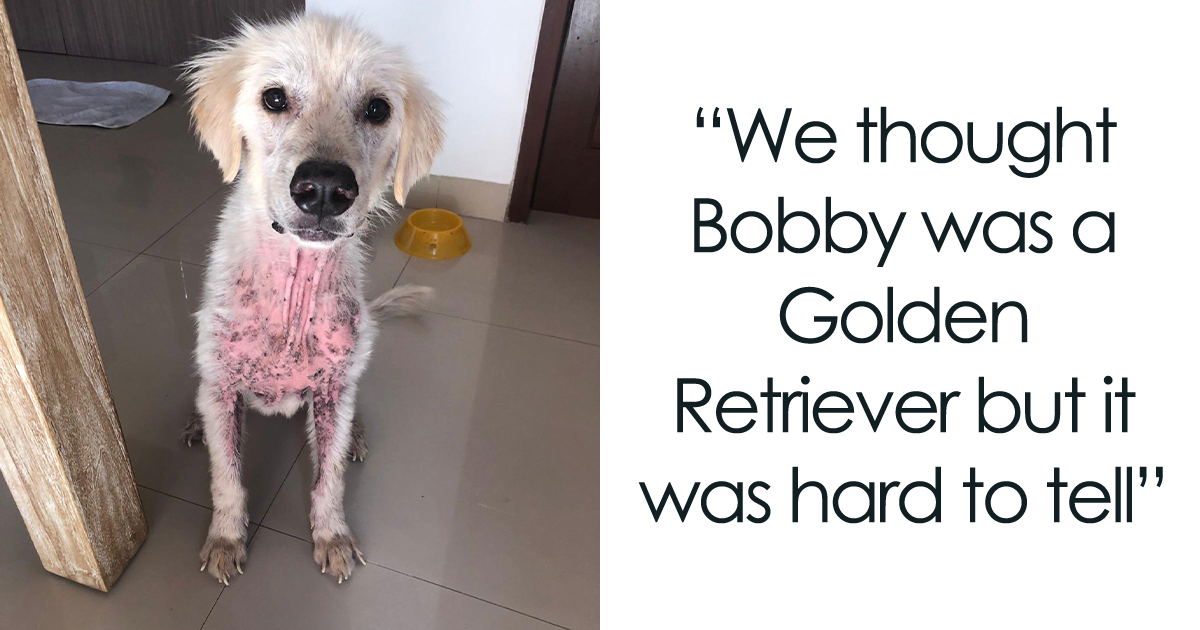
When we first saw him, “Golden Retriever” was not the first phrase that came to mind. “Dusty mop with legs” was closer. His coat was tangled, dull, and patchy in places. His posture was cautious. His confidence seemed packed away somewhere he could not reach. He did not bounce toward us like the cheerful, tennis-ball-obsessed Golden Retrievers people imagine from commercials and family movies. He stood there, unsure whether humans were good news.
But underneath the dirt, fear, and bad conditions was a dog with the softest eyes and the tiniest spark of hope. After veterinary care, gentle grooming, patient feeding, and a safe place to sleep, the mystery slowly solved itself. The long feathering on the tail, the warm golden coat returning to life, the people-loving personality peeking out one brave inch at a timeapparently, yes, he was a Golden Retriever. A very tired, very neglected, very confused Golden Retriever, but a Golden Retriever all the same.
This is not just a feel-good dog rescue story. It is a reminder that rescue dogs are not “damaged goods.” They are unfinished comeback stories. With proper care, structure, kindness, and a little humor, a dog who once looked invisible can become the brightest creature in the room.
The First Look: When a Golden Retriever Does Not Look So Golden
Golden Retrievers are known for their friendly expression, thick water-repellent coat, and enthusiastic personality. They are often described as loyal, outgoing, playful, and eager to please. But neglect can hide those traits like dust on an old photograph. Poor living conditions can affect a dog’s coat, weight, skin, behavior, and emotional trust. In the beginning, you may not see the breed clearly because you are looking at survival first.
Our rescued dog had the kind of coat that made grooming feel less like brushing and more like archaeology. There were knots, debris, and dull patches that made his natural color difficult to recognize. His tail, which should have been a proud Golden Retriever flag, hung low. His ears were dirty. His paws were sensitive. Even the way he walked suggested he had learned to make himself small.
That is one of the heartbreaking truths about dogs from bad conditions: they may not immediately act like the breed description you find online. A Golden Retriever who has been neglected may not greet everyone like a long-lost best friend. A Labrador may not want to play fetch. A small lapdog may not want to be held. Trauma, stress, hunger, discomfort, and uncertainty can temporarily bury a dog’s personality.
So we started with the basics. Not expectations. Not photo-worthy transformation goals. Just safety, water, food under veterinary guidance, a quiet sleeping area, and the understanding that trust cannot be rushed. Dogs do not heal because we announce, “You are safe now.” They heal when every day proves it.
Rescue Is Not a MakeoverIt Is a Recovery Plan
The internet loves before-and-after rescue photos, and for good reason. They are powerful. A muddy, anxious dog becomes a glowing, smiling companion, and everyone cries into their coffee. But between those two photos is the part people do not always see: the appointments, the slow progress, the awkward first baths, the rejected treats, the midnight worry, and the tiny victories that feel enormous.
The first priority for any dog rescued from neglect should be a veterinary checkup. A veterinarian can evaluate weight, hydration, skin issues, parasites, dental health, pain, infections, vaccination needs, and overall condition. It is tempting to jump straight to baths, toys, and cute collars, but medical care comes first. A shiny new leash is lovely; knowing your dog is medically stable is better.
Grooming also has to be done thoughtfully. Severely matted fur can pull on the skin and cause discomfort. Some dogs tolerate brushing; others need professional grooming. In our case, the goal was not to make him handsome in one afternoon. The goal was to make him comfortable. That meant short sessions, calm handling, soft praise, and breaks before he became overwhelmed.
His first bath was less “spa day” and more “wet furniture with feelings.” He looked betrayed by the shampoo bottle. He also looked about ten pounds lighter afterward, as if half his body had been made of dust. When the towel came out, he leaned into it. That was the first sign that he might eventually enjoy care instead of fearing it.
Why Breed Identification Can Be Tricky After Neglect
When someone says, “Apparently, he’s a Golden Retriever,” it sounds funny because Golden Retrievers usually have a recognizable look. But rescue dogs can surprise you. Coat condition, age, malnutrition, mixed ancestry, and stress can all make visual identification difficult. A dog may look like one breed at intake and look completely different after weeks of care.
Golden Retrievers typically have a dense double coat, a friendly face, feathering on the legs and tail, and a sturdy athletic build. But if the coat is dirty, shaved, matted, or damaged, the classic Golden Retriever outline may disappear. If the dog is underweight or has poor muscle tone, the body shape can look different too.
There is also the possibility of mixed breed heritage. Many rescue dogs are wonderful blends, and guessing breed by appearance alone is not always reliable. DNA tests can offer clues, but the most important question is not “Is he purebred?” It is “What does this dog need to be healthy, safe, and loved?”
Still, watching his Golden Retriever traits return was delightful. First came the soft mouth, gently taking treats as if they were made of glass. Then came the polite leaning, a classic “I would like affection, but I am pretending to be casual about it” move. Then came the tail wag, slow at first, then wider, then dangerously close to clearing small objects off the coffee table. Finally, one day, he picked up a tennis ball and carried it around like he had just remembered his résumé.
The Golden Retriever Personality Hidden Under the Fear
Golden Retrievers are famous for being affectionate, social, and trainable. They often enjoy family life, outdoor activity, obedience games, and anything involving human attention. But a rescued Golden Retriever may need time before those traits shine. Stress can make a friendly dog seem withdrawn. Fear can make an intelligent dog seem stubborn. Exhaustion can make a playful dog seem uninterested.
At first, our dog did not understand toys. We rolled a ball toward him, and he looked at it as if we had presented a small planet. Squeaky toys were suspicious. Rope toys were ignored. A stuffed duck became acceptable only after three days of careful investigation. Then, suddenly, the switch flipped. He carried the duck everywhere. He slept with it. He brought it to the water bowl. He seemed to believe the duck had also been rescued and needed supervision.
Training began gently. Sit. Come. Name recognition. Leash walking. Waiting at doors. Nothing fancy. No pressure to become a perfect dog overnight. Positive reinforcement helped him understand that humans could be predictable and rewarding. Every small success built confidence.
The biggest change was not obedience. It was expression. His eyes softened. His body loosened. He began choosing to be near people rather than simply tolerating them. He started sleeping deeply, the kind of sleep that says, “No one is coming to scare me.” That is when we knew the real dog was finally arriving.
What Bad Conditions Can Do to a Dog
Dogs coming from poor conditions may face both physical and emotional challenges. They may have parasites, skin problems, untreated injuries, dental issues, poor nutrition, muscle loss, or anxiety. Some may be fearful of hands, doorways, loud noises, leashes, bowls, crates, or sudden movement. Others may appear overly clingy because they are terrified of being left again.
It is important not to label every behavior as “bad.” A dog who steals food may have known hunger. A dog who guards a sleeping spot may never have had a safe one. A dog who flinches at touch may associate hands with discomfort. A dog who has accidents indoors may never have learned house training. These behaviors need patient teaching, not anger.
Our Golden Retriever had a few habits that made perfect sense once we stopped taking them personally. He ate quickly at first, as though every meal might vanish. He followed people from room to room, not because he was trying to be dramatic, but because safety was new and he did not want to lose track of it. He startled at sudden noises. He needed routines repeated until they became believable.
The good news is that dogs are incredibly capable of learning new patterns. A calm home, predictable meals, consistent walks, gentle training, and respectful handling can help a rescue dog rebuild trust. The process may be slow, but slow is not failure. Slow is often how deep healing looks.
The First 30 Days: Building Trust Without Overwhelming the Dog
Many new adopters want to celebrate immediately. They imagine park trips, family visits, new toys, car rides, and a photo shoot involving a bandana. The dog, meanwhile, may be thinking, “I just met this couch. Please do not make me network.”
The first days should be quiet. Give the dog a safe area with a bed, water, and space to decompress. Keep introductions limited. Avoid crowded places. Let the dog explore gradually. Establish a routine for meals, potty breaks, walks, and sleep. Predictability is comforting, especially for a dog whose previous life may have been chaotic.
During the first few weeks, watch body language carefully. A wagging tail does not always mean a dog is relaxed. Look at the whole body: ears, mouth, posture, movement, and whether the dog can easily disengage. Allow choices when possible. Invite interaction; do not force it.
Our rescue dog’s first week was mostly sleep, food, short walks, and suspicious staring at the washing machine. By week two, he began approaching for affection. By week three, he discovered the joy of lying directly in the most inconvenient hallway. By the end of the month, he had developed a hobby: carrying one shoe into the living room and leaving it there, unharmed but emotionally confusing.
Nutrition, Health, and the Art of Not Overdoing It
When a dog looks thin or neglected, the natural human response is to feed them like a beloved cartoon king. But dogs coming from poor conditions may need a careful feeding plan, especially if they are underweight or have digestive issues. A veterinarian can recommend the right food, portion size, schedule, and any necessary supplements or tests.
For our dog, meals became part of trust-building. Same place. Same bowl. Same calm routine. No crowding. No teasing. No taking food away just to “test” him. Food security matters. Over time, he learned that breakfast and dinner were reliable events, not rare miracles.
Golden Retrievers can be enthusiastic eaters. That is the polite way of saying some Goldens treat a crumb like buried treasure. Once our dog felt better, his appetite became very Golden indeed. He could hear a cheese wrapper from another room and appear with the speed of a furry magician. Still, weight management matters for this breed, especially because excess weight can affect joints and overall health.
Routine veterinary care is also essential. Vaccinations, parasite prevention, dental evaluation, skin checks, and ongoing wellness exams help a rescued dog move from crisis recovery to long-term health. For Golden Retrievers, owners should also discuss breed-related health considerations with their veterinarian, including joint health, skin issues, ear care, and cancer awareness.
Grooming a Neglected Golden Retriever
A Golden Retriever’s coat is beautiful, but it is not self-cleaning magic. It needs regular brushing to reduce tangles, remove loose hair, and keep the skin healthy. After neglect, grooming may need to be introduced slowly because the dog may associate touch with discomfort.
We began with short brushing sessions and plenty of rewards. One minute of brushing. Treat. Break. Another minute. Praise. Stop before frustration. That approach worked better than trying to complete a full grooming session in one heroic attempt. Heroics are overrated. Trust is better.
Ear care was another priority. Golden Retrievers have floppy ears that can trap moisture and debris, so regular checks are helpful. Nail trims also had to be handled carefully. At first, he wanted nothing to do with paw handling. We practiced touching a paw, rewarding, and letting go. Eventually, he learned that nail care did not mean disaster.
And then came the shedding. If you have never lived with a Golden Retriever, imagine owning one dog and somehow vacuuming up enough fur to build a second dog. The fur appeared on clothes, furniture, floors, and once, mysteriously, inside a closed cabinet. But every golden hair felt like proof that he was healthy enough to shed normally again, so we accepted our new life as employees of the vacuum cleaner.
Helping a Rescue Dog Learn Joy
Joy can be learned. That may sound strange, but some rescued dogs do not know how to play, relax, or ask for affection. They have spent so much energy surviving that fun feels unfamiliar. The key is to introduce joy gently.
For our dog, joy started with sniffing. Slow walks became confidence-building adventures. He sniffed grass, mailboxes, leaves, and one highly suspicious garden gnome. Sniffing gave him information and control. It helped him process the world at his own pace.
Next came toys. Then training games. Then car rides to quiet places. Then meeting trusted friends one at a time. We learned not to rush milestones. A rescue dog does not need to become a social media superstar. He needs to feel safe in his own life.
One of the sweetest moments came when he rolled onto his back in the living room, paws in the air, completely relaxed. It was not dramatic. There was no music swelling in the background. But it meant everything. Vulnerability is a compliment from a dog who once had reasons to be guarded.
Why Golden Retrievers Are Worth the Work
Golden Retrievers are often described as family-friendly dogs, but that does not mean they are low-effort decorations. They need exercise, mental stimulation, grooming, training, and companionship. They are intelligent and social, which means boredom can turn into creative mischief. A bored Golden Retriever may reorganize your socks, inspect the trash, or decide your throw pillow has secrets.
But when their needs are met, Goldens can be extraordinary companions. They are often eager learners, affectionate friends, and cheerful participants in everyday life. Our rescued dog became the unofficial mayor of the front porch. He greeted neighbors with cautious optimism at first, then full tail-powered enthusiasm. He learned that delivery drivers are not villains, though he remains convinced they should carry biscuits.
His transformation was not just physical. Yes, his coat became golden again. Yes, his eyes brightened. Yes, he gained strength. But the real transformation was emotional. He began expecting kindness. That is the most beautiful change in any rescued animal: the moment they stop bracing for the worst and start looking for the good.
What This Rescue Teaches About Compassion
Rescuing a dog from bad conditions is not about being a hero. The dog is the hero. The humans are the support team with leashes, towels, vet appointments, and an alarming number of lint rollers. The dog does the hardest work: learning to trust again.
This story also reminds us that animals in poor conditions need action, not just sympathy. If you suspect neglect or cruelty, contact local animal control, law enforcement, or a reputable animal welfare organization. Do not put yourself in danger, and do not assume every situation is simple from the outside. But do take concerns seriously. A report can be the first step toward safety for an animal who cannot ask for help.
It is equally important to support responsible shelters and rescues. Foster. Donate supplies. Volunteer. Adopt when you are ready. Share accurate information. Encourage spaying, neutering, microchipping, preventive care, and humane training. Big change often comes from ordinary people doing practical things consistently.
Our Golden Retriever did not need perfection from us. He needed patience. He needed veterinary care. He needed a home where food arrived every day and hands were gentle. He needed time to become himself again.
Extra Experience Notes: What Living With This Rescued Golden Retriever Really Taught Us
The longer he lived with us, the more we realized rescue is not a single event. It is a relationship that keeps unfolding. The day we brought him home was important, but it was not the finish line. It was page one. Every day afterward added a sentence: today he ate calmly; today he wagged at the door; today he let us brush his tail; today he barked at a leaf and then looked embarrassed about it.
One of the first lessons was that progress is rarely linear. Some days he seemed brave, silly, and ready for the world. Other days, a loud truck or dropped pan sent him back into caution. At first, setbacks felt discouraging. Then we learned to treat them as information. He was not being difficult. He was telling us where the tender spots were. Once we understood that, we stopped asking, “Why is he acting this way?” and started asking, “How can we make this easier for him?”
Another lesson was that routine is a love language for rescued dogs. Humans may crave novelty, but many rescue dogs crave predictability. Morning walk. Breakfast. Nap. Gentle brushing. Short training game. Evening walk. Dinner. Quiet time. The schedule looked boring on paper, but to him it was a security system. He learned the rhythm of the house, and the rhythm helped him relax.
We also learned the value of celebrating tiny wins. The first time he took a treat outside, we cheered like he had won an Olympic medal. The first time he chose to lie near us instead of in the corner, we barely moved because we did not want to ruin the moment. The first time he played fetch, he brought the ball back, dropped it, and looked surprised by his own talent. Naturally, we praised him as though he had invented the sport.
Living with him also changed how we saw “good behavior.” Before rescue, many people imagine a good dog as one who obeys quickly, walks perfectly, and never causes trouble. After rescue, a good day might simply mean the dog feels safe enough to nap deeply. A good walk might be five calm minutes. A good training session might be one successful “sit.” Standards become kinder when you understand the story behind the behavior.
There were funny moments too. Once his confidence returned, his Golden Retriever personality expanded like bread dough. He became a professional kitchen supervisor, a sock relocation specialist, and a passionate believer that every guest came specifically to admire him. He developed strong opinions about squirrels. He discovered mud with the enthusiasm of an artist discovering paint. He learned that bath time follows mud time, a legal arrangement he still disputes.
The deepest lesson was this: love is not always loud. Sometimes love is sitting on the floor without reaching for the dog. Sometimes it is paying the vet bill. Sometimes it is brushing one small section of fur and stopping before the dog gets scared. Sometimes it is giving up the idea of a perfect timeline and accepting the dog in front of you.
Today, he looks like the Golden Retriever he apparently always was. His coat shines. His tail works overtime. His eyes are bright and a little mischievous. But the best part is not that he looks better. The best part is that he believes life can be good. And every time he trots into the room carrying his stuffed duck like an emotional support employee, we remember: rescue does not just save a dog from bad conditions. It gives the dog a chance to become known.
Conclusion: The Golden Under the Dust
Saving this dog from bad conditions taught us that transformation is more than a clean coat and a cute photo. It is medical care, emotional patience, safe routines, gentle training, and the slow return of personality. A neglected dog may not look like himself at first. He may not act like the breed you expected. He may need weeks or months before joy feels natural.
But beneath the fear and dirt, there may be a loyal companion waiting to bloom. In our case, that companion turned out to be a Golden Retrieversoft-hearted, goofy, affectionate, and increasingly convinced that the couch belongs to him. His story is funny, tender, and deeply human in the best way: when someone vulnerable is finally treated with care, they begin to shine.
And yes, apparently, he is a Golden Retriever. The fur on our clothes confirms it.