
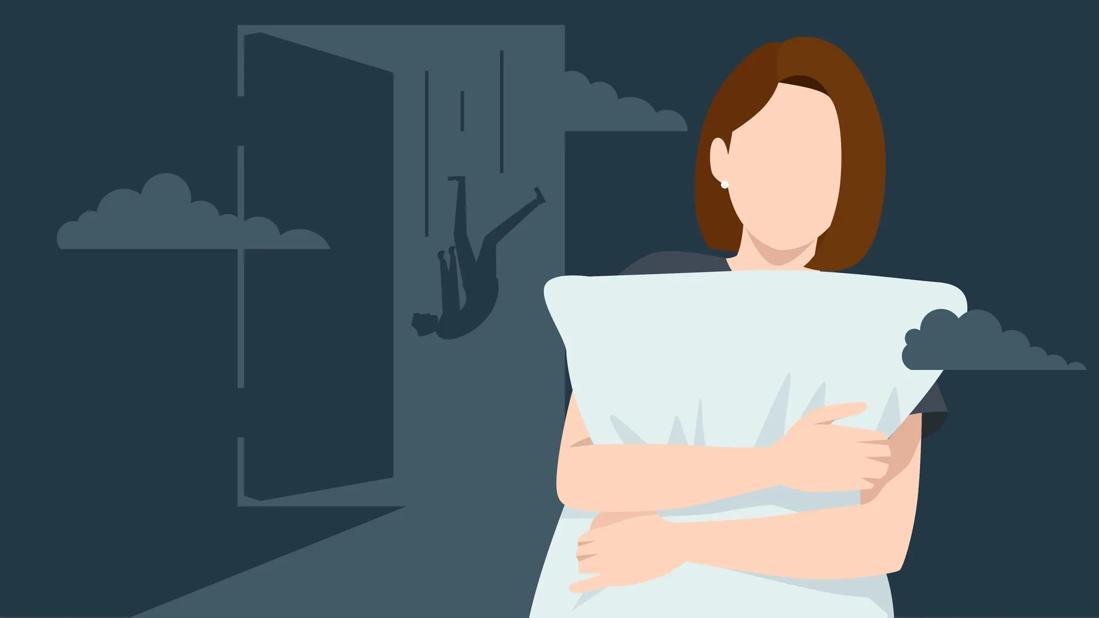
Some dreams are weird in a fun way. You show up to school wearing roller skates, your dog is suddenly your accountant, and somehow that all feels normal. Anxiety dreams are not that kind of dream. They are the overnight brain-movies that leave you waking up tense, sweaty, confused, or already emotionally exhausted before your feet hit the floor.
If you have ever dreamed that you were being chased, falling, missing an exam you forgot to study for, showing up late to something important, losing your teeth, or trying to speak while your mouth mysteriously stops cooperating, welcome to the deeply unglamorous club of stress dreams. These dreams can feel random, but they often reflect emotional overload, unresolved worry, sleep disruption, or a nervous system that refuses to clock out at bedtime.
The good news is that anxiety dreams are not a sign that your brain is broken, cursed, or auditioning for a horror franchise. In many cases, they are a signal that your mind and body are under pressure. Once you understand what they are, what tends to trigger them, and what can help calm them down, you can start making nights less dramatic and mornings less miserable.
What are anxiety dreams?
Anxiety dreams are vivid, upsetting, or emotionally charged dreams that seem tied to stress, fear, pressure, or ongoing worry. They may not always look like classic “nightmares” with monsters and dark hallways. Sometimes they are subtler but still distressing. You may dream about failing, losing control, being judged, missing deadlines, getting trapped, forgetting something critical, or reliving the emotional tone of a difficult day.
In simple terms, anxiety dreams are dreams that borrow fuel from your waking stress. Your mind goes to sleep, but your worries apparently keep a night shift.
These dreams often happen during REM sleep, the stage associated with vivid dreaming. They can feel intensely real, which is why you may wake up with a racing heart, shallow breathing, or that unmistakable “Well, that was rude” feeling.
Are anxiety dreams the same as nightmares?
Not exactly, though the terms overlap a lot. A nightmare is a disturbing dream that causes fear, distress, or anxiety and may wake you up. Anxiety dreams can include full-on nightmares, but they can also be less dramatic and still emotionally draining.
Think of it this way: all squares are rectangles, and many anxiety dreams are nightmares, but not every anxiety dream arrives with cinematic jump scares. Some just show up wearing the costume of your everyday stress.
Common themes in anxiety dreams
- Being chased or hunted
- Falling or losing balance
- Being late for school, work, or an important event
- Showing up unprepared for a test, presentation, or performance
- Losing your voice, phone, wallet, or control of a situation
- Embarrassment in public
- Teeth falling out
- Being trapped, stuck, or unable to escape
- Repeating emotionally intense scenes from a stressful period of life
The details vary from person to person, but the emotional core is usually similar: pressure, helplessness, fear, shame, or uncertainty.
Why do anxiety dreams happen?
There is still a lot researchers are learning about dreams, but one idea shows up again and again: dreaming seems to be connected to emotional processing. In other words, the brain may use sleep to sort through experiences, feelings, memories, and stress. When your daytime life is full of tension, your dream life may start reflecting that tension in louder, stranger, and more inconvenient ways.
That does not mean every dream contains a secret code worthy of a detective board and red string. It just means that your sleeping mind does not operate in a vacuum. Stress can follow you into bed.
Triggers that may make anxiety dreams more likely
Several factors can raise the odds of anxiety dreams or frequent nightmares:
- Chronic stress: Work pressure, family conflict, financial worries, health concerns, grief, and burnout can all spill into sleep.
- Anxiety disorders: Ongoing worry and physical hyperarousal can affect both sleep quality and dream content.
- Trauma or PTSD: Recurrent nightmares can be especially common after traumatic experiences.
- Sleep deprivation: Not getting enough rest can make sleep more fragmented and emotionally messy.
- Irregular sleep schedules: Late nights, shift work, or erratic bedtime habits can disrupt healthy sleep patterns.
- Alcohol or substances: These can interfere with sleep architecture and worsen disturbing dreams.
- Certain medications: Some medicines are associated with vivid dreams or nightmares.
- Other sleep problems: Insomnia, sleep apnea, and related issues can contribute to distressing nighttime experiences.
Sometimes anxiety dreams are tied to a specific stressful event. Other times they build slowly during periods of prolonged tension. If your nervous system feels overloaded all day, your dreams may end up carrying that emotional backlog at night.
What anxiety dreams can feel like
People often describe anxiety dreams as more than “just a bad dream.” They can leave behind a physical and emotional hangover. You may wake up feeling:
- Panicky or on edge
- Tired even after a full night in bed
- Emotionally shaky or unusually irritable
- Afraid to go back to sleep
- Foggy, distracted, or down during the day
That after-effect matters. A rough dream can increase morning stress, which can then make the next night worse. It becomes a frustrating loop: stress affects sleep, poor sleep amplifies stress, and the dreams keep getting front-row tickets.
When anxiety dreams may be a bigger issue
An occasional stress dream is common. Most people have them from time to time. But if disturbing dreams happen frequently, wake you up often, or affect your mood, energy, and functioning during the day, they deserve more attention.
It may be time to talk with a healthcare professional or sleep specialist if:
- You have nightmares several times a week
- You dread going to sleep because of your dreams
- Your sleep feels consistently broken or unrefreshing
- You think trauma, panic, or severe anxiety may be involved
- You act out your dreams physically
- Your daytime concentration, work, or relationships are suffering
If you have symptoms of anxiety, depression, PTSD, or insomnia, treating the bigger picture often helps the dreams too. Your dream life is not always the entire problem. Sometimes it is the loudest symptom in the room.
How to stop anxiety dreams
You may not be able to order your brain to “please produce only peaceful dreams featuring beaches and free snacks.” But you can do a lot to reduce the frequency and intensity of anxiety dreams over time.
1. Improve your sleep routine
Sleep thrives on rhythm. Going to bed and waking up at roughly the same time every day can help regulate your internal clock and support more stable sleep. Yes, even on weekends. Your 2 a.m. revenge bedtime scrolling habit may disagree, but your nervous system will thank you.
Helpful basics include:
- Keep a consistent sleep and wake schedule
- Give yourself time to wind down before bed
- Keep the bedroom cool, dark, and quiet
- Limit caffeine later in the day
- Avoid heavy meals, alcohol, and nicotine close to bedtime
- Reduce stimulating screen time right before sleep
2. Lower your stress before bed
If your brain is going to bed at full speed, your dreams may keep that momentum going. A calming bedtime routine can reduce pre-sleep tension and make it easier for your body to shift into a safer, quieter state.
You might try:
- Gentle stretching
- Deep breathing or a short body scan
- Reading something relaxing
- Soft music
- Journaling for 5 to 10 minutes
- A warm shower or bath
The goal is not to create a flawless bedtime ritual worthy of a wellness influencer. The goal is to tell your nervous system, “We are off duty now.”
3. Do a brain dump before sleep
Many people with anxiety dreams go to bed carrying unfinished mental tabs. Writing down your worries, tomorrow’s tasks, or the thing you keep replaying in your head can reduce the feeling that your brain must keep rehearsing it all night.
Try this simple exercise:
- Write down what is bothering you
- Name one thing you can control and one thing you cannot
- List the first step you will take tomorrow
- End with one reassuring sentence, like “I do not have to solve this tonight”
Sometimes your mind needs closure, or at least a decent parking spot.
4. Watch for triggers
Keep a brief sleep and dream journal for a couple of weeks. Note your stress level, caffeine or alcohol use, bedtime, wake-ups, and dream themes. Patterns may show up faster than you expect. You may notice that anxiety dreams spike after late-night work, emotional conflict, doomscrolling, drinking, or several nights of poor sleep.
That kind of awareness is useful because it gives you something concrete to change.
5. Try imagery rehearsal therapy
If you have recurring anxiety dreams or nightmares, one evidence-based technique is imagery rehearsal therapy, often called IRT. This approach involves rewriting the nightmare while awake, changing the ending or key details to make it less threatening, and then mentally rehearsing the new version.
For example, if your recurring dream involves being chased through a parking garage, you might rewrite it so a door appears, you walk into a bright lobby, and a calm friend meets you there. The point is not to write an Oscar-winning script. The point is to reduce helplessness and give your brain a different template to practice.
People often use IRT with a therapist, especially when dreams are frequent or trauma-related, but some clinicians also teach it as part of structured self-help.
6. Treat the anxiety, not just the dream
If anxiety dreams are happening regularly, daytime anxiety may need attention too. That could mean therapy, stress-management strategies, better boundaries, regular exercise, mindfulness, or medical treatment when appropriate. Cognitive behavioral therapy, including CBT for insomnia in some cases, can be especially helpful.
In other words, if your dreams are shouting, it is worth listening to what your waking life has been whispering.
7. Get evaluated if trauma may be involved
Trauma-related nightmares are a different beast. If your dreams replay traumatic material, leave you highly distressed, or come with other symptoms like hypervigilance, panic, avoidance, or daytime flashbacks, professional care matters. A mental health professional can help assess whether PTSD or another trauma-related condition is part of the picture and recommend appropriate treatment.
8. Review medications and sleep issues with a professional
If disturbing dreams suddenly intensify, it may be worth reviewing new medications, supplements, sleep habits, and possible sleep disorders with a clinician. Sometimes the culprit is not just stress. Sometimes it is poor sleep quality, a medication side effect, or another condition that is interfering with healthy rest.
Can you prevent anxiety dreams completely?
Probably not completely, because life keeps being life. Stressful periods happen. Big emotions happen. The occasional bizarre dream in which you lose your car in a grocery store the size of a football stadium may still appear from time to time.
But you can make anxiety dreams less frequent, less intense, and less likely to hijack your sleep. For many people, the biggest improvements come from a combination of better sleep habits, reduced pre-bed stress, and getting support for underlying anxiety.
That combination is not flashy, but it works more often than magical thinking and late-night internet spirals.
What to do after an anxiety dream wakes you up
The moments right after a distressing dream matter. If you wake up frightened, try not to jump straight into your phone, email, or catastrophic analysis. First, help your body return to the present.
A simple reset routine
- Take a slow breath in for four counts and out for six
- Look around the room and name five things you can see
- Remind yourself: “It was a dream. I am safe right now.”
- Take a sip of water
- If needed, get out of bed briefly and sit somewhere calm until your body settles
If your mind is racing, jot down a few lines about the dream and then close the notebook. The goal is to release it, not host an emergency committee meeting about it at 3:14 a.m.
Experiences people commonly have with anxiety dreams
For many people, anxiety dreams are not random at all. They tend to show up during certain chapters of life, and the patterns can be surprisingly specific. One person notices them during work deadlines. Another gets them before family visits. Someone else starts having them after a breakup, a health scare, or weeks of bad sleep. The surface story of the dream changes, but the emotional engine underneath stays the same: pressure.
A college student, for example, may dream over and over that they forgot an entire semester-long class and are suddenly expected to take the final exam. The dream is not really about algebra, chemistry, or that one elective they barely remember signing up for. It is often about fear of failure, being judged, or not being ready for what is coming next.
A parent under heavy stress may dream that they cannot find their child in a crowded place, or that they are trying to get somewhere urgent but nothing works properly. The car will not start. The phone will not call. Their legs feel heavy. That dream may reflect the very real feeling of carrying too much responsibility while secretly worrying that something important could go wrong.
Professionals often describe anxiety dreams during periods of burnout. They dream about sending the wrong email to everyone at work, forgetting a major presentation, or arriving at the office in slippers and confusion. Funny in daylight, maybe. Less funny at 4 a.m. when your body responds as though the crisis is real.
People with social anxiety may dream about public embarrassment: saying the wrong thing, being laughed at, or standing in front of a room unable to speak. People navigating grief may dream that they are searching for someone, missing someone, or trying to reach a place they can never quite get to. People with trauma histories may experience more intense and repetitive dream patterns that feel less symbolic and more like emotional reliving.
Another common experience is the “cluster” effect. Anxiety dreams may not happen every night forever. Instead, they can arrive in streaks. You go months without one, then a stressful week hits and suddenly your sleep turns into a chaotic mini-series. That pattern often convinces people their dreams came out of nowhere, when really the buildup was happening in the background all along.
Many people also notice that anxiety dreams get worse when they are physically depleted. A few nights of too little sleep, more caffeine than usual, skipped meals, late-night scrolling, and a stressed-out brain can create the perfect recipe for disturbing dreams. It is not weakness. It is a reminder that emotional stress and physical strain are roommates who share the same kitchen.
Perhaps the most reassuring experience people report is that anxiety dreams often improve when waking-life support improves. Better routines, therapy, fewer stressors, improved boundaries, and consistent sleep can make dream content calmer over time. Not instantly. Not magically. But noticeably. And sometimes that is enough to turn bedtime from a battleground back into what it was supposed to be in the first place: rest.
Final thoughts
Anxiety dreams can feel dramatic, unsettling, and weirdly personal, but they are also deeply human. They often show up when stress, worry, poor sleep, or unresolved emotion is asking for attention. The dream itself may be strange, but the message is usually familiar: something in your system needs care.
Start with the basics. Protect your sleep schedule. Build a calmer bedtime routine. Reduce stimulants and late-night stressors. Track patterns. If dreams keep repeating, consider imagery rehearsal therapy or professional support. And if trauma, panic, or severe anxiety may be involved, do not white-knuckle your way through it alone.
Your brain is not trying to ruin your night for entertainment. It is trying, sometimes clumsily, to process what your days have been carrying. With the right support, anxiety dreams can lose a lot of their power.











