
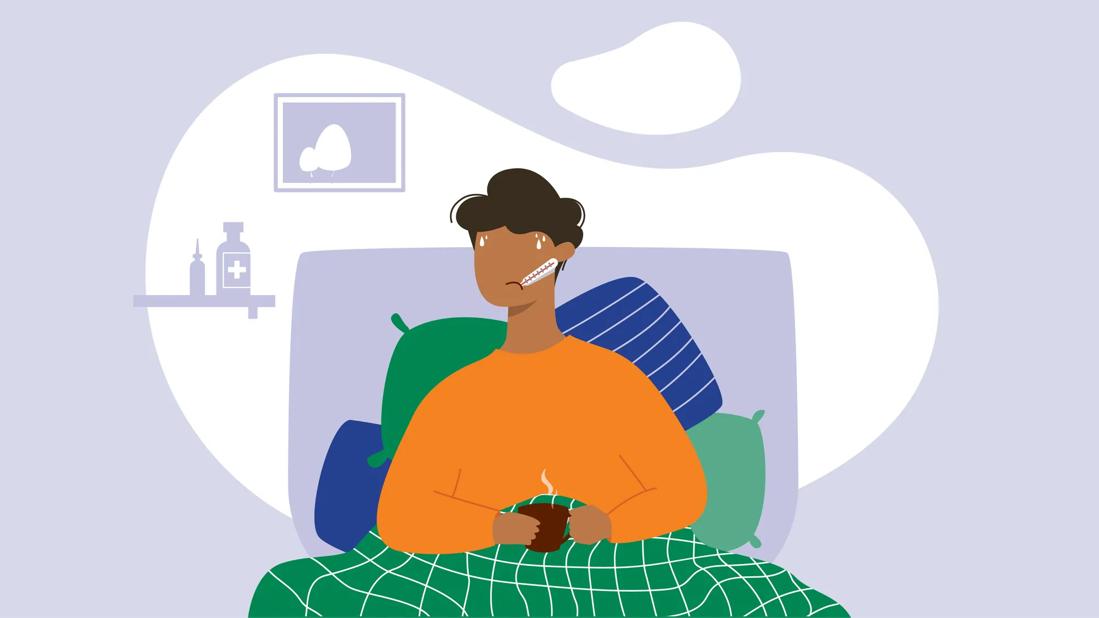
A fever is one of the body’s most dramatic “something is happening” signals. One minute you are fine, and the next you are wrapped in a blanket like a burrito, accusing the room of being too cold while everyone else is perfectly comfortable. But fever is not just your body being rude. It is a coordinated immune response designed to help fight infection, slow down certain germs, and alert you that your internal security team has detected trouble.
In simple terms, a fever happens when your body temperature rises above its usual range, often because your immune system is responding to a virus, bacteria, inflammatory condition, medication reaction, vaccine response, or another trigger. Most fevers are caused by infections and improve with rest, fluids, and time. Still, some fevers deserve medical attention, especially in babies, older adults, people with weakened immune systems, or anyone with serious symptoms such as trouble breathing, confusion, stiff neck, dehydration, rash, or persistent high temperature.
So, what happens when your body has a fever? The short answer: your brain adjusts your internal thermostat, your immune system speeds up, your muscles may shiver to generate heat, your heart works harder, and your body burns more energy. The longer answer is much more interestingand slightly less cozy than your favorite blanket.
What Is a Fever?
A fever is a temporary rise in body temperature, usually related to illness. Many medical sources consider a temperature around 100.4°F (38°C) or higher to be a fever, especially when measured rectally in infants. However, normal body temperature is not one perfect number. It can vary by age, time of day, activity level, hormones, measurement method, and even the thermometer you use.
The classic “normal” temperature of 98.6°F is more of a reference point than a universal rule. Some healthy people naturally run a little lower or higher. Your temperature may be lower in the morning and slightly higher later in the day. That is why the number matters, but your symptoms matter too. A person with 100.8°F, chills, body aches, and fatigue may clearly be sick, while someone else with a tiny temperature bump after exercise may simply need to cool down.
The Brain’s Thermostat: How Fever Starts
The main control center for body temperature is the hypothalamus, a small but powerful area in the brain. Think of it as your body’s thermostat, except instead of being mounted on a hallway wall, it is running a highly complex biological command center.
When germs or inflammatory signals enter the body, immune cells respond by releasing chemical messengers. Some of these messengers are called cytokines. They help coordinate the immune response and can trigger the production of prostaglandins, especially prostaglandin E2. This process tells the hypothalamus to raise the body’s temperature set point.
That “set point” idea is important. During a fever, your body is not simply overheating randomly. Instead, your brain decides that a higher temperature is the new target. If your normal internal target is around 98.6°F and your hypothalamus raises the set point to 102°F, your body suddenly thinks it is too coldeven if you are already warmer than usual.
Why You Get Chills Before a Fever Peaks
Chills are one of the strangest parts of fever. You may be hot by thermometer standards, but you feel cold. That happens because your brain has raised the temperature target, and your body is trying to catch up.
To conserve heat, blood vessels near the skin narrow. This process, called vasoconstriction, reduces heat loss through the skin. That is why your hands and feet may feel cold, your skin may look pale, and you may want every blanket in the house. Your muscles may also shiver, which creates heat through rapid contractions. Shivering is basically your body doing tiny involuntary workouts while you lie there wondering why your teeth are tap dancing.
Why Does the Body Create a Fever?
Fever is uncomfortable, but it is often useful. A higher body temperature can make it harder for some viruses and bacteria to multiply. It can also help immune cells move, communicate, and respond more efficiently. In other words, fever is part of the body’s defense strategy, not just a symptom to panic about.
That does not mean higher is always better. Fever has benefits within limits, but very high or prolonged fevers can strain the body, increase fluid loss, and signal a more serious illness. The goal is not always to crush every mild fever immediately. The smarter goal is to watch the whole picture: temperature, comfort, hydration, behavior, breathing, duration, age, medical history, and other symptoms.
What Happens Inside Your Body During a Fever?
1. Your Immune System Goes on Alert
When your immune system detects a threat, white blood cells begin responding. They release chemical signals, recruit other immune cells, and help identify the invader. This is why fever often comes with fatigue, swollen glands, sore throat, body aches, or a general “I have been hit by a slow-moving truck” feeling.
Those symptoms are not imaginary. They are signs that your immune system is spending energy. Your body shifts resources toward defense and repair. That is one reason you may feel tired even if you have done nothing more athletic than walk from the bed to the couch.
2. Your Heart Rate May Increase
When body temperature rises, your metabolism speeds up. Your heart may beat faster to move blood, oxygen, and immune cells through the body. This can make you feel slightly jittery, weak, or more aware of your heartbeat. In many otherwise healthy people, this is expected during fever. However, chest pain, severe shortness of breath, fainting, confusion, or a very fast or irregular heartbeat should be taken seriously.
3. You Lose More Fluid
Fever increases fluid loss through sweating, faster breathing, and reduced appetite or drinking. If vomiting or diarrhea joins the party, dehydration can sneak in quickly. Signs of dehydration may include dry mouth, dizziness, dark urine, very little urination, extreme thirst, sunken eyes, unusual sleepiness, or crying without tears in young children.
This is why hydration matters so much. Water, oral rehydration solutions, broth, diluted juice, and electrolyte drinks can help, depending on age and situation. You do not need to force a large meal during a fever, but you should take fluids seriously. Your body is doing battle; it does not need to fight with an empty water tank.
4. Your Muscles May Ache
Body aches are common with fever, especially during viral infections like flu. Immune chemicals can affect nerves and tissues, creating soreness. Shivering can also make muscles feel tired, as if they have been doing secret gym reps while you were trying to sleep.
5. Your Appetite May Drop
Many people lose interest in food during fever. This is normal for short periods. The old saying “feed a cold, starve a fever” is not good medical advice. A better rule is: drink fluids, eat light foods if you feel hungry, and do not force heavy meals when your stomach is not interested. Soup, toast, rice, bananas, applesauce, crackers, oatmeal, and other gentle foods are common choices.
Common Causes of Fever
Most fevers come from infections, but infection is not the only possibility. Common causes include:
- Viral infections such as colds, flu, COVID-like respiratory illnesses, stomach viruses, and many childhood infections
- Bacterial infections such as strep throat, urinary tract infections, pneumonia, skin infections, or ear infections
- Heat-related illness, although this is different from a true regulated fever
- Inflammatory or autoimmune conditions
- Some medications
- Recent vaccination, which may cause a short immune response in some people
- Travel-related infections, depending on exposure and location
The cause matters because fever itself is not a diagnosis. It is a clue. Treating the number may improve comfort, but finding the cause is important when the fever is high, persistent, unusual, or paired with concerning symptoms.
Fever vs. Hyperthermia: Not the Same Thing
Fever and hyperthermia both involve high body temperature, but they are not identical. In fever, the hypothalamus raises the body’s temperature set point in a controlled way. In hyperthermia, the body overheats because it cannot get rid of heat properly. Heat exhaustion and heat stroke fall into this category and can become dangerous quickly.
This difference matters. A person with heat stroke may have hot skin, confusion, fainting, or serious neurological symptoms and needs emergency medical care. Fever from infection is usually managed differently. When in doubt, especially after heat exposure or intense exercise, it is safer to seek medical help.
Should You Treat a Fever?
Not every fever needs medicine. A mild fever in an otherwise healthy adult or older child may simply need rest, fluids, and monitoring. Fever reducers can help if the person is uncomfortable, has body aches, cannot sleep, or has been advised by a healthcare professional to use them.
Common over-the-counter fever reducers include acetaminophen and ibuprofen. They can reduce fever and ease aches, but they must be used according to the label or a clinician’s instructions. Too much acetaminophen can cause serious liver damage. Ibuprofen may not be appropriate for some people, including those with certain kidney problems, stomach bleeding risk, dehydration, or specific medical conditions. Children and teenagers should not take aspirin for fever because of the risk of Reye’s syndrome, especially during viral illnesses such as flu or chickenpox.
Comfort Tips That Actually Make Sense
- Drink fluids regularly, even small sips at a time.
- Rest as much as possible.
- Wear light, comfortable clothing.
- Keep the room comfortably cool, not freezing.
- Use a lukewarm bath or compress for comfort if needed.
- Avoid ice baths or alcohol rubs, which can cause shivering or unsafe cooling.
- Track temperature and symptoms, especially if the fever lasts more than a couple of days.
When Is a Fever Dangerous?
A fever is more concerning when it affects a very young baby, is very high, lasts too long, or comes with serious symptoms. Seek medical care promptly for a baby younger than 3 months with a temperature of 100.4°F (38°C) or higher. Also contact a healthcare provider if a fever lasts more than a few days, repeatedly rises above 104°F, or occurs in someone with a weakened immune system, serious chronic illness, or recent high-risk travel exposure.
Get urgent medical help if fever is accompanied by trouble breathing, stiff neck, confusion, seizure, persistent vomiting, severe headache, chest pain, blue or gray skin color, severe dehydration, unusual drowsiness, rash that does not fade when pressed, or severe pain anywhere in the body.
For adults, a fever over 103°F can be worth calling a healthcare provider, especially if it does not improve or comes with worsening symptoms. A fever around 104°F or higher deserves more urgent attention, and extremely high temperatures, especially around 105°F, should be treated as serious.
Why You Sweat When a Fever Breaks
At some point, your immune system may gain ground, medication may reduce prostaglandin signals, or the illness may begin to improve. The hypothalamus lowers the set point back toward normal. Suddenly, your body realizes it is too warm. Blood vessels widen, heat moves toward the skin, and sweating begins.
This is what people often call “breaking a fever.” It can feel like waking up in a damp laundry basket, but it usually means the body is releasing heat. Change into dry clothes, replace fluids, and keep monitoring symptoms. A fever can come and go, especially with infections, so one sweaty episode does not always mean the illness is completely gone.
How to Measure a Fever Correctly
Thermometer accuracy depends on the method. Rectal temperatures are often used for infants because they reflect core temperature more closely. Oral thermometers are common for older children and adults. Ear and forehead thermometers are convenient but can be affected by technique, earwax, sweat, room temperature, or device quality. Armpit readings are easy but may be less precise.
For the best reading, follow the thermometer instructions. Do not measure right after a hot drink, cold drink, bath, exercise, or heavy blanket session. If the number seems surprising, recheck after a few minutes using proper technique.
Fever Myths That Need to Retire
Myth 1: Every Fever Is Dangerous
Most fevers are not dangerous by themselves. They are usually a sign that the immune system is responding. The bigger concern is often the cause of the fever and the symptoms that come with it.
Myth 2: A Fever Must Always Be Brought Down
If a person is comfortable, drinking fluids, breathing normally, and behaving normally, a mild fever may not need treatment. Medicine is mainly used for comfort or specific medical reasons.
Myth 3: Cold Baths Are the Best Way to Break a Fever
Cold baths can cause shivering, which may raise body temperature and make the person feel worse. Lukewarm measures are safer for comfort when needed.
Myth 4: Sweating Means You Are Cured
Sweating may mean the fever is coming down, but the illness may still be active. Keep resting, drinking fluids, and watching symptoms.
Real-Life Experience: What a Fever Feels Like From the Inside
Anyone who has had a memorable fever knows it is not just “being hot.” It is more like your body has opened a temporary emergency operations center and forgot to send you the meeting agenda. The first sign may be a strange tiredness. You may feel heavy, unfocused, or unusually cold. Then the chills arrive. You grab a blanket, then another, then maybe the hoodie you usually reserve for dramatic movie nights. Meanwhile, someone touches your forehead and says, “You’re burning up,” which is not exactly comforting, but it is accurate.
During a fever, ordinary tasks can feel oddly difficult. Walking to the kitchen for water may feel like crossing a desert with poor customer service. Your skin may feel sensitive. Your back may ache. Your eyes may feel warm or tired. You may not want food, but you might crave something simplesoup, crackers, tea, or anything that does not require chewing with ambition. This is a common experience because the body is prioritizing immune work over normal energy output.
One useful lesson from fever is that comfort matters. Many people instinctively over-bundle when chills start, but once the temperature rises, too many layers can trap heat and make discomfort worse. A better approach is balance: enough covering to stop shaking, but not so much that you turn the bed into a human toaster oven. Sipping fluids is also more realistic than trying to drink a giant glass all at once. Small, steady sips can help prevent dehydration, especially when the stomach is not interested in teamwork.
Another experience many people recognize is the “fever brain” feeling. You may have strange dreams, lose track of time, or feel mentally foggy. Mild fogginess can happen when you are sick and exhausted, but confusion, difficulty waking, fainting, or unusual behavior is different and should be taken seriously. Fever is common; serious neurological symptoms are not something to casually “sleep off.”
Parents and caregivers often experience fever differently because they are watching someone else go through it. A child with a fever can look miserable one hour and suddenly ask for cartoons and noodles the next. Behavior is an important clue. A child who perks up after fluids and fever medicine is different from a child who remains limp, difficult to wake, struggling to breathe, or unable to drink. The thermometer number matters, but the person attached to the thermometer matters even more.
Many adults also learn that fever is a reminder to stop pretending they are machines. Trying to work through a fever can extend misery and spread infection to others. Rest is not laziness when your immune system is actively dealing with a threat. It is maintenance. Your body is not asking for a luxury spa weekend; it is asking for water, sleep, and permission to not answer emails with a 101°F temperature.
The best fever experience is the one that ends quietly: chills fade, sweating starts, the headache loosens, and the world feels less like it is wrapped in cotton. Still, recovery can take time. Energy may return slowly. Appetite may lag. A cough, sore throat, or fatigue may stick around after the fever improves. That is normal with many infections, but worsening symptoms, returning fever, chest pain, breathing trouble, dehydration, or fever lasting several days should prompt medical advice.
In the end, a fever is not just a number. It is a story your body is telling: something triggered the immune system, your brain raised the thermostat, your cells went to work, and your body asked you to cooperate. Listen to that story. Rest when you need to. Hydrate like it is your part-time job. Use fever reducers safely when appropriate. And when the signs point beyond a routine illness, call a healthcare professional instead of asking the internet to play doctor with a thermometer and vibes.
Conclusion
Fever is one of the body’s most recognizable defense signals. It begins when immune activity tells the brain’s thermostat to raise the internal temperature set point. That shift can cause chills, shivering, body aches, sweating, faster heart rate, fatigue, and fluid loss. Although fever often helps the immune system fight infection, it should be watched carefullyespecially in babies, older adults, people with chronic conditions, and anyone with severe or unusual symptoms.
The smartest response is not panic. It is observation, hydration, rest, safe comfort care, and knowing when to get medical help. A mild fever may simply be your immune system doing its job. A high, persistent, or symptom-heavy fever may be your body asking for backup. Either way, fever is not random chaos. It is biology with a missionand yes, sometimes that mission comes with sweatpants, soup, and a thermometer you suddenly trust more than your own mood.













