
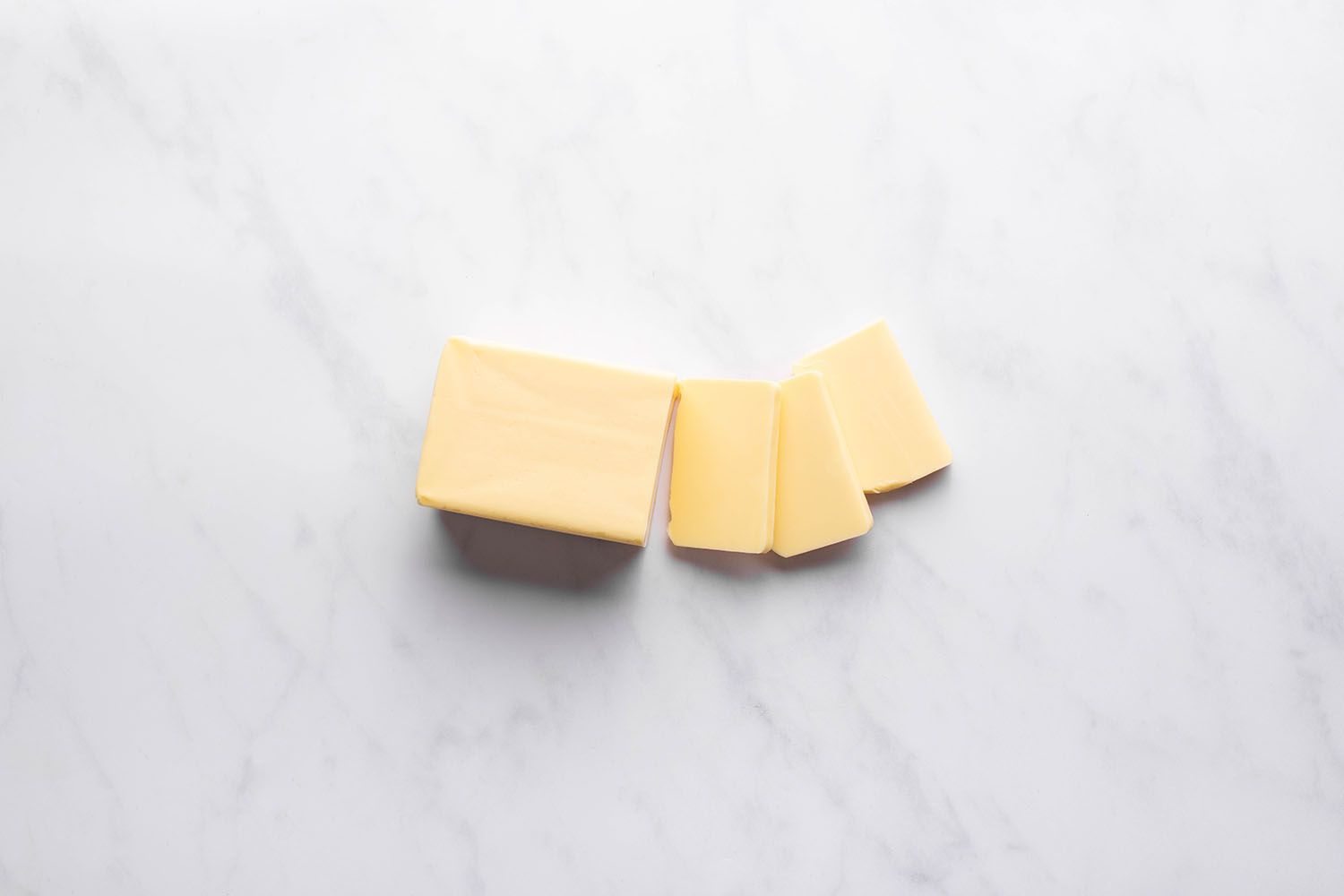
Irish butter is the kind of ingredient that quietly walks into your kitchen, spreads itself on warm toast, and suddenly makes regular butter look like it forgot to dress up for dinner. Rich, golden, creamy, and famously flavorful, Irish butter has become a favorite among home cooks, bakers, chefs, and anyone who believes bread deserves a little luxury.
But what exactly is Irish butter? Is it just butter from Ireland with a charming accent? Not quite. Irish butter is typically a European-style butter made from the milk of cows that graze on Ireland’s famously green pastures. It usually contains more butterfat than standard American butter, giving it a creamier texture, deeper flavor, and brighter yellow color. That higher fat content also affects how it behaves in baking, cooking, spreading, and finishing dishes.
In this guide, we’ll explore what Irish butter is, why it tastes different, how to use Irish butter in everyday cooking, when it’s worth the splurge, and when standard American butter may still be the better choice. Spoiler alert: your toast is about to file a thank-you note.
What Is Irish Butter?
Irish butter is butter produced in Ireland, most often from cream made with milk from grass-fed cows. While “Irish butter” can refer broadly to butter made in Ireland, many shoppers recognize it through popular brands such as Kerrygold, which helped introduce American grocery shoppers to the bright gold bars wrapped in shiny foil.
The defining traits of Irish butter are its higher butterfat content, creamy mouthfeel, golden color, and noticeably rich flavor. Standard American butter must contain at least 80% milk fat. Irish butter, like many European-style butters, usually has about 82% butterfat or slightly more. That may sound like a tiny difference, but in the kitchen, a few percentage points of fat can behave like a tiny culinary magician.
More butterfat generally means less water. Less water can create a smoother texture, richer taste, and better browning in certain recipes. It also means Irish butter softens and spreads beautifully, especially when compared with some firmer American-style sticks straight from the refrigerator.
Why Is Irish Butter So Yellow?
Irish butter’s sunny yellow color comes largely from beta-carotene, a natural pigment found in grass. Ireland’s mild climate, steady rainfall, and long grazing seasons allow dairy cows to eat plenty of fresh grass. When cows eat grass rich in natural pigments, those pigments can show up in the cream used to make butter.
That gorgeous golden hue is not just for looks. It signals a butter made from deeply colored cream, and many cooks associate that color with a more pronounced dairy flavor. Of course, color alone does not guarantee quality, but Irish butter’s combination of grass-fed milk, high butterfat, and careful production gives it a flavor profile that stands out from the pale blocks many Americans grew up using.
Irish Butter vs. American Butter: What’s the Difference?
The main difference between Irish butter and standard American butter is butterfat. American butter usually contains at least 80% milk fat, while Irish butter commonly lands around 82%. That slight difference changes the texture, flavor, and water content.
1. Butterfat Content
Irish butter usually has a higher butterfat percentage than regular American butter. Higher butterfat gives it a richer, creamier taste and a more luxurious feel on the tongue. This is why a thin swipe of Irish butter can taste more satisfying than a thicker layer of ordinary butter.
2. Water Content
Because Irish butter has more fat, it usually has less water. This matters in baking. Water turns into steam in the oven, which affects flakiness, spread, tenderness, and structure. Less water can make some baked goods more tender and buttery, but it can also change results in recipes developed specifically for American butter.
3. Flavor
Irish butter often has a deeper dairy flavor with grassy, sweet, and slightly nutty notes. It tastes especially good in recipes where butter is the star instead of just a background actor holding the flour together.
4. Texture
Irish butter is often softer and more spreadable, even when cool. It melts smoothly, blends easily into sauces, and turns simple foods like toast, potatoes, and vegetables into something that tastes restaurant-level with very little effort.
Is Irish Butter the Same as European Butter?
Irish butter is a type of European-style butter, but not all European butter is Irish butter. European-style butter usually refers to butter with a higher butterfat percentage than standard American butter. Many European butters are also cultured, meaning the cream is fermented before churning, which creates a tangier flavor.
Irish butter may or may not be cultured depending on the brand and variety. The most recognizable Irish butter sold in the United States is often sweet cream butter, meaning it is made from fresh cream rather than cultured cream. Its flavor comes more from the milk, butterfat, and grass-fed dairy than from fermentation.
How Is Irish Butter Made?
Like other butter, Irish butter starts with cream. The cream is separated from milk and churned until the fat globules clump together. The remaining liquid, known as buttermilk, is drained away. The butter is then kneaded, salted or left unsalted, shaped, wrapped, and chilled.
What makes Irish butter special is less about a secret spell and more about the milk itself. Grass-fed cows produce cream with a distinctive flavor and color. When that cream is churned into high-fat butter, the result is rich, golden, and deeply satisfying.
Salted vs. Unsalted Irish Butter
Irish butter is available in both salted and unsalted forms. Choosing between them depends on how you plan to use it.
Salted Irish Butter
Salted Irish butter is excellent for spreading, finishing, and everyday cooking. Use it on toast, biscuits, baked potatoes, pancakes, waffles, corn on the cob, roasted vegetables, and grilled bread. The salt enhances the butter’s natural sweetness and makes it taste even more flavorful.
Unsalted Irish Butter
Unsalted Irish butter is better for baking when you want control over the salt level. It is also useful in delicate sauces, frostings, pastries, and recipes where precision matters. If a recipe calls for unsalted butter and you only have salted Irish butter, you can still use it in many cases, but you may need to reduce the added salt.
How to Use Irish Butter
Irish butter can be used almost anywhere you would use regular butter, but it shines brightest in recipes where butter plays a leading role. Think of it as the difference between background music and a live jazz band in your kitchen.
Spread It on Bread, Toast, and Biscuits
The simplest way to use Irish butter is also one of the best: spread it on warm bread. A crusty baguette, sourdough toast, homemade biscuits, cornbread, dinner rolls, or English muffins all become better with Irish butter. Because it softens so nicely, it spreads without shredding your toast into bread confetti.
Use It on Potatoes
Irish butter and potatoes are a natural match. Add it to mashed potatoes for a rich, silky texture. Melt it over baked potatoes with chives and cracked pepper. Toss it with boiled baby potatoes and parsley. Stir it into potato soup right before serving. Potatoes are humble, but Irish butter gives them a tiny crown.
Finish Steaks, Fish, and Vegetables
A pat of Irish butter can finish a pan-seared steak, grilled salmon, roasted carrots, steamed green beans, or sautéed mushrooms. Add it at the end of cooking so the flavor stays fresh and the butter melts into a glossy coating. For extra flavor, mix it with herbs, lemon zest, garlic, or black pepper to make compound butter.
Bake Butter-Forward Desserts
Irish butter is excellent in recipes where butter flavor matters, such as shortbread, pound cake, butter cookies, pie crusts, scones, brioche, and laminated pastries. Its higher butterfat content can create tender, flavorful baked goods with a richer aroma.
However, not every recipe automatically improves with Irish butter. Many American baking recipes are developed with standard 80% butterfat butter. If a recipe is very precise, switching to a higher-fat butter may slightly change texture, spread, or crumb. For casual baking, it is usually fine. For technical baking, test first before serving it to your entire extended family and their very honest opinions.
Make Brown Butter
Irish butter makes beautiful brown butter. Because it is rich and flavorful, browning it can bring out nutty, caramel-like notes. Use browned Irish butter in chocolate chip cookies, banana bread, pasta sauces, roasted squash, rice dishes, or spooned over pancakes. Watch it closely because butter can move from golden and nutty to burned and dramatic very quickly.
Use It in Sauces
Irish butter works well in simple butter sauces, pan sauces, beurre blanc-style sauces, and pasta finishes. Stir a little into warm pasta with reserved pasta water, Parmesan, and black pepper for a quick sauce that tastes far more impressive than the effort involved.
Best Recipes for Irish Butter
Irish butter works especially well in recipes that highlight dairy richness. Here are some practical examples:
Irish Butter Shortbread
Shortbread is one of the best ways to taste the difference. Since the recipe is mostly butter, flour, sugar, and salt, high-quality butter makes a noticeable impact. Irish butter gives shortbread a tender bite and deep, creamy flavor.
Flaky Pie Crust
Irish butter can help create rich, flavorful pie dough. Its lower water content may change the way the crust bakes, so keep the butter cold and handle the dough gently. Use it for apple pie, galettes, hand pies, and savory quiches.
Mashed Potatoes
For mashed potatoes, Irish butter is practically a cheat code. Warm the butter with a splash of milk or cream, then fold it into hot potatoes. Add salt slowly because salted Irish butter already brings flavor.
Garlic Herb Butter
Mix softened Irish butter with minced garlic, parsley, chives, lemon zest, and black pepper. Use it on steak, seafood, roasted vegetables, or warm bread. It also freezes well in small portions.
Brown Butter Chocolate Chip Cookies
Brown Irish butter before mixing cookie dough to create deeper caramel and toasted nut notes. Chill the dough before baking to control spread and intensify flavor.
Can You Substitute Irish Butter for Regular Butter?
Yes, you can usually substitute Irish butter for regular butter in a 1:1 ratio. For spreading, cooking, finishing, and most everyday baking, the swap is easy. If a recipe calls for one stick of butter, use the same weight or amount of Irish butter.
For precision baking, pay attention. Irish butter’s higher fat and lower water content may affect cookie spread, cake crumb, pastry flakiness, and dough texture. In many recipes, the difference is delicious. In others, especially recipes tested with American butter, the final product may be slightly denser, richer, or more tender.
The safest approach is simple: use Irish butter freely in butter-forward recipes and finishing applications. For delicate cakes or recipes where structure matters, try it once before making it for a major event. Your cousin’s wedding cake is not the ideal moment for experimental butter science.
Is Irish Butter Healthier?
Irish butter may contain slightly different fatty acid profiles because it often comes from grass-fed cows, but it is still butter. That means it is high in saturated fat and calorie-dense. A tablespoon of butter contains about 100 calories and around 11 to 12 grams of fat.
In other words, Irish butter is not a magic health food wearing a gold wrapper. It is a flavorful ingredient best used intentionally. Choose it when the taste matters, use reasonable portions, and balance it with plenty of whole foods such as vegetables, fruits, grains, lean proteins, legumes, nuts, and heart-healthy oils.
How to Store Irish Butter
Store Irish butter in the refrigerator, tightly wrapped or sealed to prevent it from absorbing odors. Butter is basically a flavor sponge with better public relations, so keep it away from strong-smelling foods like onions, garlic, and leftover fish.
If you want spreadable butter, leave out only the amount you plan to use soon. Salted butter generally keeps better at room temperature than unsalted butter, but refrigeration is the safest choice for longer storage. Irish butter can also be frozen. Wrap it tightly, place it in a freezer bag, and thaw it in the refrigerator before use.
When Is Irish Butter Worth the Price?
Irish butter often costs more than standard butter, so it makes sense to use it where you’ll notice the difference. It is worth the splurge for toast, biscuits, pancakes, compound butter, mashed potatoes, shortbread, pie crust, butter cookies, brown butter sauces, and finishing cooked foods.
It may not be worth using in recipes where butter flavor disappears behind strong ingredients. If you are making a heavily spiced cake, a giant casserole, or a dish with bold sauces, standard butter may work just fine. Save the good Irish butter for moments when it gets to step into the spotlight and wave at the crowd.
Common Mistakes When Using Irish Butter
Using Salted Butter Without Adjusting Salt
Salted Irish butter tastes wonderful, but it can make baked goods too salty if the recipe already contains a lot of added salt. Use unsalted butter for baking whenever possible.
Assuming More Butterfat Always Means Better Baking
Higher butterfat can improve flavor and tenderness, but it can also change structure. Recipes depend on the balance of fat, water, flour, sugar, and heat. More richness is not always the same as better results.
Overheating It
Irish butter browns beautifully, but it can burn. Use medium heat when melting or browning butter, and remove it from the pan once it smells nutty and turns amber.
Saving It Too Long
Butter can pick up off-flavors over time. Keep Irish butter wrapped well, refrigerated, and used while it still tastes fresh and sweet.
Irish Butter Experience: Real-Life Ways It Changes Everyday Cooking
The first time many people try Irish butter, they do not experience a thunderclap or see a tiny dairy angel descend from the ceiling. It is quieter than that. Maybe they spread it on toast and notice the butter melts faster, tastes creamier, and leaves behind a flavor that feels fuller. Suddenly, breakfast seems less like a rushed routine and more like something worth sitting down for.
One of the best experiences with Irish butter is using it on simple foods. Fancy recipes are fun, but Irish butter proves its value on plain toast, baked potatoes, scrambled eggs, and steamed vegetables. A slice of sourdough with salted Irish butter can taste like a bakery treat. A baked potato with a pat of Irish butter, flaky salt, and chives can feel like a complete comfort meal. Even corn on the cob becomes sweeter and richer when the butter melts into the kernels.
In baking, Irish butter has a way of making the kitchen smell better before the food is even done. Shortbread made with Irish butter smells deeply creamy and slightly nutty. Cookies can develop a richer aroma, especially if the butter is browned first. Pie dough made with Irish butter can taste more flavorful, even when the filling is simple. Apple galette, peach hand pies, and savory mushroom tarts all benefit from that extra dairy richness.
That said, the experience is not always “swap it everywhere and declare victory.” In some cake recipes, Irish butter can make the crumb feel a little denser because the formula was designed for regular American butter. In cookies, it may change spread. Sometimes that change is welcome; sometimes it makes the cookie flatter than your phone battery after a road trip. The lesson is not that Irish butter is difficult. The lesson is that great ingredients still need context.
Irish butter is especially enjoyable when used as a finishing ingredient. Stirring a small piece into risotto right before serving gives the rice a glossy finish. Melting it over roasted carrots adds sweetness and shine. Adding it to pan sauce after cooking chicken creates a silky texture without needing complicated techniques. It is the kind of ingredient that helps home cooks get restaurant-style flavor without needing tweezers, foam, or a chef yelling “behind!” in the kitchen.
Another memorable use is compound butter. Let Irish butter soften, then mix it with herbs, lemon zest, garlic, honey, cinnamon, or cracked pepper. Roll it into a log, chill it, and slice off coins whenever dinner needs help. Garlic-herb Irish butter on steak is classic. Honey-cinnamon Irish butter on biscuits is dangerous in the best way. Lemon-dill Irish butter on fish tastes fresh and bright. Suddenly, one block of butter becomes several tiny flavor upgrades waiting in the fridge.
For families, Irish butter can also be a smart “small luxury.” Not every meal needs expensive ingredients. But adding a better butter to something affordable, like potatoes, pasta, rice, vegetables, or bread, can make the whole meal feel more satisfying. It is a grocery-store splurge that does not require a loan application or a dramatic conversation with your wallet.
The best advice from real kitchen experience is this: use Irish butter where you can taste it. Put it on warm bread. Melt it over vegetables. Brown it for cookies. Fold it into mashed potatoes. Finish sauces with it. Use it in shortbread. Let it do the job it was born to do: make simple food taste richer, warmer, and a little more special.
Conclusion
Irish butter is a rich, golden, high-butterfat butter made in Ireland, usually from the milk of grass-fed cows. Compared with standard American butter, it is often creamier, more flavorful, softer, and brighter in color. Its higher fat content and lower water content make it especially good for spreading, finishing, browning, and baking recipes where butter flavor matters.
Use Irish butter on toast, biscuits, potatoes, vegetables, steak, fish, shortbread, pie crust, cookies, and brown butter sauces. Choose unsalted Irish butter for baking and salted Irish butter for spreading and finishing. While it may cost more, it delivers the biggest payoff in simple foods and butter-forward recipes.
So, what is Irish butter and how is it used? It is the butter you reach for when you want ordinary food to taste a little more joyful. It will not fold your laundry, but it may make your mashed potatoes taste like they have their life together.













