
A spinal fracture sounds dramatic because, well, it is. The phrase “broken back” has the energy of a movie trailer, but in real life, spinal fractures range from small compression cracks that heal with careful treatment to serious traumatic injuries that require emergency surgery. The good news: a spinal fracture does not automatically mean paralysis, permanent disability, or a lifetime of moving like a cautious antique cabinet. The not-so-good news: it is never something to ignore, tough out, or diagnose by asking the internet, “Why does my back feel like a folding chair?”
A spinal fracture is a break in one or more vertebrae, the bones stacked together to form the spinal column. These bones protect the spinal cord, support body weight, help posture, and allow movement. When one cracks, collapses, shifts, or breaks apart, the result may be pain, reduced mobility, height loss, nerve symptoms, or spinal instability. Some fractures come from major trauma, such as a car crash or fall from a height. Others happen because bones have become weak from osteoporosis, cancer, infection, or long-term medical conditions.
This guide explains what spinal fractures are, how they happen, the warning signs, how doctors diagnose them, what treatment may involve, and what recovery can feel like day to day. Consider it your friendly spine briefing: informative, practical, and slightly less scary than reading radiology terms at 2 a.m.
What Is a Spinal Fracture?
A spinal fracture is a break in a vertebra. The spine has several regions: the cervical spine in the neck, the thoracic spine in the upper and mid-back, the lumbar spine in the lower back, the sacrum near the pelvis, and the coccyx, better known as the tailbone. Most spinal fractures discussed in adults involve the thoracic and lumbar areas, especially where the mid-back meets the lower back. That area handles a lot of mechanical stress, like the office manager of the skeleton.
Not all spinal fractures behave the same way. A small, stable compression fracture may cause pain but still allow the spine to support body weight. An unstable fracture may allow bones to move out of alignment and threaten the spinal cord or nerves. That distinction matters because stable fractures are often treated without surgery, while unstable fractures may need surgical stabilization.
Common Types of Spinal Fractures
Compression Fractures
A compression fracture happens when the front part of a vertebra collapses or loses height. These fractures are especially common in people with osteoporosis. Sometimes they occur after a minor fall, a sudden twist, lifting something awkwardly, or even a strong cough or sneeze when bones are very fragile. The pain may be sudden and sharp, or it may appear gradually and be mistaken for ordinary back strain.
Burst Fractures
A burst fracture is more severe. It occurs when a vertebra breaks in multiple directions, often because of high-energy impact such as landing hard after a fall or being in a motor vehicle collision. Pieces of bone can sometimes move toward the spinal canal, creating risk for nerve or spinal cord compression. Some burst fractures are stable; others are not. Imaging and neurologic examination help determine the risk.
Flexion-Distraction Injuries
Also called Chance fractures, these injuries occur when the spine is forcefully pulled apart. A classic example is a high-speed crash where the lap belt holds the pelvis while the upper body moves forward. These injuries are often unstable and may be associated with internal injuries, so emergency evaluation is essential.
Fracture-Dislocations
A fracture-dislocation means a vertebra breaks and shifts out of its normal position. This is one of the more serious patterns because it can severely destabilize the spine and compress the spinal cord or nerves. Surgery is frequently required to realign and stabilize the spine.
What Causes Spinal Fractures?
Spinal fractures usually come from one of two broad categories: trauma or weakened bone. Trauma-related fractures happen after events that place more force on the spine than it can safely absorb. Car crashes, motorcycle accidents, sports injuries, falls from ladders, and violent impacts are common examples. In younger, healthier people, it usually takes significant force to break a vertebra.
Weakened-bone fractures are different. Osteoporosis is the most common cause of vertebral compression fractures. In osteoporosis, bone density decreases and the internal structure of bone becomes fragile. The spine may then fracture from everyday loads that would not harm healthy bone. Other causes include tumors that spread to the spine, multiple myeloma, spinal infection, long-term steroid use, and certain metabolic or endocrine disorders.
The sneaky part is that some compression fractures do not announce themselves with a dramatic “snap.” A person may notice new back pain, shrinking height, or a gradually rounded posture. Sometimes the fracture is discovered on an X-ray ordered for another reason. The spine, apparently, is capable of being both structurally important and annoyingly mysterious.
Symptoms: When Back Pain Might Be More Than Back Pain
The most common symptom of a spinal fracture is back pain. It may be sharp, deep, stabbing, aching, or worse with standing, walking, bending, coughing, or changing positions. Pain from a compression fracture often improves when lying down because the load on the vertebra decreases.
Other possible symptoms include:
- Sudden pain in the middle or lower back
- Pain that worsens with movement
- Loss of height over time
- Stooped posture or kyphosis
- Muscle spasms around the injured area
- Difficulty walking, standing, or getting out of a chair
- Numbness, tingling, weakness, or radiating pain if nerves are affected
Some symptoms are emergency warning signs. Seek urgent medical care if back pain follows a major accident, if there is weakness in the arms or legs, numbness around the groin or saddle area, trouble walking, fever with severe back pain, unexplained weight loss, or loss of bladder or bowel control. Those symptoms do not mean panic is required, but they do mean the “let’s see how it feels tomorrow” strategy should be retired immediately.
How Doctors Diagnose a Spinal Fracture
Diagnosis starts with a medical history and physical exam. A clinician will ask how the pain began, where it is located, whether there was trauma, whether you have osteoporosis or cancer history, and whether there are nerve symptoms. The exam may include checking posture, tenderness, strength, sensation, reflexes, walking ability, and bladder or bowel concerns.
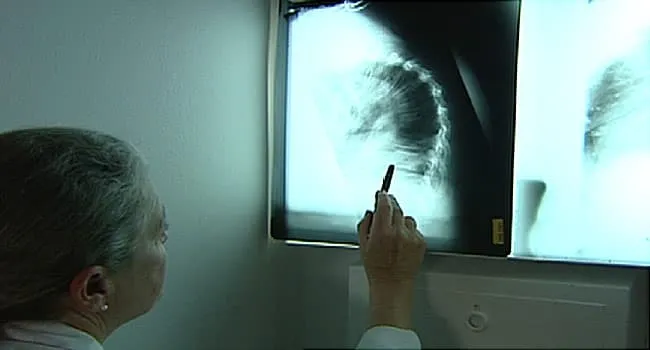
Imaging is usually needed. X-rays can show changes in vertebral height and alignment. CT scans provide detailed bone images and are especially helpful after trauma because they show fracture patterns more clearly. MRI scans are useful when doctors need to determine whether a fracture is new or old, whether nerves or the spinal cord are compressed, or whether infection or tumor may be involved. A DEXA scan may be ordered to evaluate bone density, especially when osteoporosis is suspected.
The goal is not just to confirm a fracture. Doctors also need to know whether the spine is stable, whether the nervous system is safe, what caused the fracture, and what treatment will prevent the next one.
Treatment Options for Spinal Fractures
Conservative Treatment
Many stable spinal fractures heal without surgery. Conservative care may include short-term rest, pain medication, bracing, activity modification, and physical therapy. A brace can limit motion and help the vertebra heal in a safer position. It is not always comfortable, and it will not win any fashion awards, but it can be useful when prescribed correctly.
Pain control may involve acetaminophen, nonsteroidal anti-inflammatory drugs, short-term prescription medication, muscle relaxants, or other strategies depending on the patient. Medication should be individualized because age, kidney function, stomach ulcer risk, blood thinners, and other health conditions matter.
Physical Therapy and Rehabilitation
Physical therapy is often introduced once the acute pain improves. Therapy may focus on safe movement, posture, core strength, hip strength, balance, breathing mechanics, and fall prevention. With compression fractures, extension-based strengthening may help support posture, while repeated forward bending or twisting may be limited early in recovery. The exact plan should come from a clinician or physical therapist who understands the fracture pattern.
Vertebroplasty and Kyphoplasty
For some painful vertebral compression fractures that do not improve with conservative treatment, doctors may consider minimally invasive procedures such as vertebroplasty or kyphoplasty. In vertebroplasty, medical cement is injected into the fractured vertebra to stabilize it. In kyphoplasty, a small balloon may first be used to create space or partially restore vertebral height before cement placement. These procedures are not for every fracture, and recommendations vary based on symptoms, timing, imaging findings, and overall risk.
Surgery
Surgery may be necessary when the fracture is unstable, when bone fragments compress the spinal cord or nerves, when deformity is worsening, or when severe pain continues despite appropriate nonsurgical treatment. Surgical options may include decompression, spinal fusion, instrumentation with rods and screws, or vertebral body replacement in severe cases. The surgeon’s goal is usually to protect nerves, restore alignment, stabilize the spine, and help the patient regain function.
Recovery: What Healing Usually Looks Like
Recovery depends on the fracture type, age, bone quality, nerve involvement, and whether surgery was needed. Many stable spinal fractures heal over several months. Pain is often strongest early and gradually improves. Some people return to light work quickly, especially if their job does not involve lifting, bending, or prolonged standing. Others need more time, especially after traumatic injuries or surgery.
During recovery, patients are often told to avoid heavy lifting, sudden twisting, deep bending, and high-impact activity until cleared. That can be frustrating. Suddenly, picking up a laundry basket feels like a competitive sport. But patience matters because pushing too hard too soon may aggravate pain or slow progress.
Good recovery also includes preventing future fractures. If osteoporosis caused the fracture, treatment should not stop at pain control. Bone health evaluation, fall-risk assessment, medication review, nutrition, strength training, balance work, and osteoporosis medication may all become part of the plan.
How to Reduce the Risk of Future Spinal Fractures
Prevention is especially important after one vertebral fracture because a previous fracture increases the risk of another. A practical prevention plan may include checking bone density, treating osteoporosis when indicated, getting enough calcium and vitamin D through diet or supplements when recommended, doing weight-bearing and resistance exercise, improving balance, avoiding smoking, limiting excessive alcohol, and reviewing medications that may increase dizziness or fall risk.
Fall prevention deserves its own spotlight. For older adults, falls are a leading cause of injury. Simple home changes can help: remove loose rugs, improve lighting, install grab bars, use handrails, keep walkways clear, wear supportive shoes, and avoid climbing on chairs in the name of “just reaching one little thing.” The chair is not a ladder. It has never been a ladder. It is tired of pretending.
Living With a Spinal Fracture: Practical Tips
Small adjustments can make daily life easier while healing. Use the log-roll technique to get out of bed: roll to your side, lower your legs, and push up with your arms while keeping your spine aligned. Keep commonly used items at waist height. Sit in firm chairs with good back support. Take short walks if approved, because gentle movement often helps prevent stiffness and deconditioning. Ask for help with groceries, laundry, pet care, or anything involving lifting.
Emotionally, spinal fractures can be unsettling. People may feel older overnight, even when they are not old. They may become afraid to move, sleep poorly, or worry that every back twinge means disaster. Clear medical guidance helps. So does tracking small wins: walking a little farther, needing fewer pain pills, standing taller, sleeping better, or finally putting on socks without negotiating a peace treaty with gravity.
Experience-Based Perspective: What People Often Learn During Recovery
People recovering from spinal fractures often discover that healing is less like flipping a switch and more like slowly turning up a dimmer. One day may feel encouraging; the next may feel stiff, sore, and unfair. That does not always mean something has gone wrong. Bone healing, muscle guarding, posture changes, and reduced activity can make progress uneven. Many patients say the hardest part is learning the difference between “normal healing discomfort” and “I should call my doctor.” A useful rule is to report new weakness, numbness, worsening pain, fever, new bladder or bowel problems, or pain that suddenly changes character.
Another common experience is surprise at how much the spine participates in ordinary life. Reaching for a coffee mug, getting into a car, laughing too hard, sneezing, turning in bed, or lifting a small grocery bag can suddenly become strategic operations. People often learn to plan movements before making them. They place items on counters instead of low shelves, sit down to dress, use pillows for support, and ask family members to handle tasks that once seemed automatic. This can feel humbling, but it is also temporary for many patients.
Bracing, when prescribed, brings its own personality. It can feel bulky, warm, and inconvenient. Some people joke that it turns them into a human turtle. Yet a brace can also provide reassurance because it limits painful motion and reminds the wearer not to bend or twist carelessly. The trick is to wear it exactly as instructed, protect the skin underneath, and ask the care team about fit problems instead of silently suffering like a medieval knight in orthopedic armor.
Physical therapy often becomes a turning point. At first, patients may expect dramatic exercises, but early rehab is usually gentle and precise. A therapist might teach safer body mechanics, walking tolerance, breathing, posture, and muscle activation. Later, the plan may include strengthening the back, hips, legs, and core. The goal is not to become a gym influencer by Thursday. The goal is to rebuild confidence, reduce future fall risk, and return to normal activities without treating the spine like glass.
Many people also become more serious about bone health after a spinal fracture. A fracture can be the first sign of osteoporosis, especially in adults over 50. That realization can be frustrating, but it is also useful. Bone density testing, nutrition review, strength training, medication when appropriate, and fall prevention can lower the chance of repeat injuries. In that sense, a spinal fracture can become an unpleasant but important warning light on the dashboard. Nobody likes warning lights, but they are better than engine smoke.
The emotional side should not be underestimated. Pain and movement limits can make people feel dependent, irritable, or anxious. Sleep may be interrupted. Social plans may shrink. Work routines may change. Support matters. Patients often do better when they understand the plan, know what symptoms require urgent care, and have realistic expectations. Recovery may not be glamorous, but it can be meaningful: one careful walk, one better night of sleep, one less painful morning at a time.
Conclusion
Spinal fractures can be frightening, but they are not all the same. Some are stable compression fractures that improve with bracing, pain control, physical therapy, and bone health treatment. Others are traumatic or unstable injuries that require urgent evaluation and sometimes surgery. The most important step is getting the right diagnosis and not dismissing serious warning signs.
If you have sudden back pain after a fall, new height loss, a stooped posture, pain that worsens with movement, or nerve symptoms such as weakness, numbness, or bladder changes, seek medical care. Your spine is built to support you every day. When it sends a loud message, listen before it starts using all caps.













