
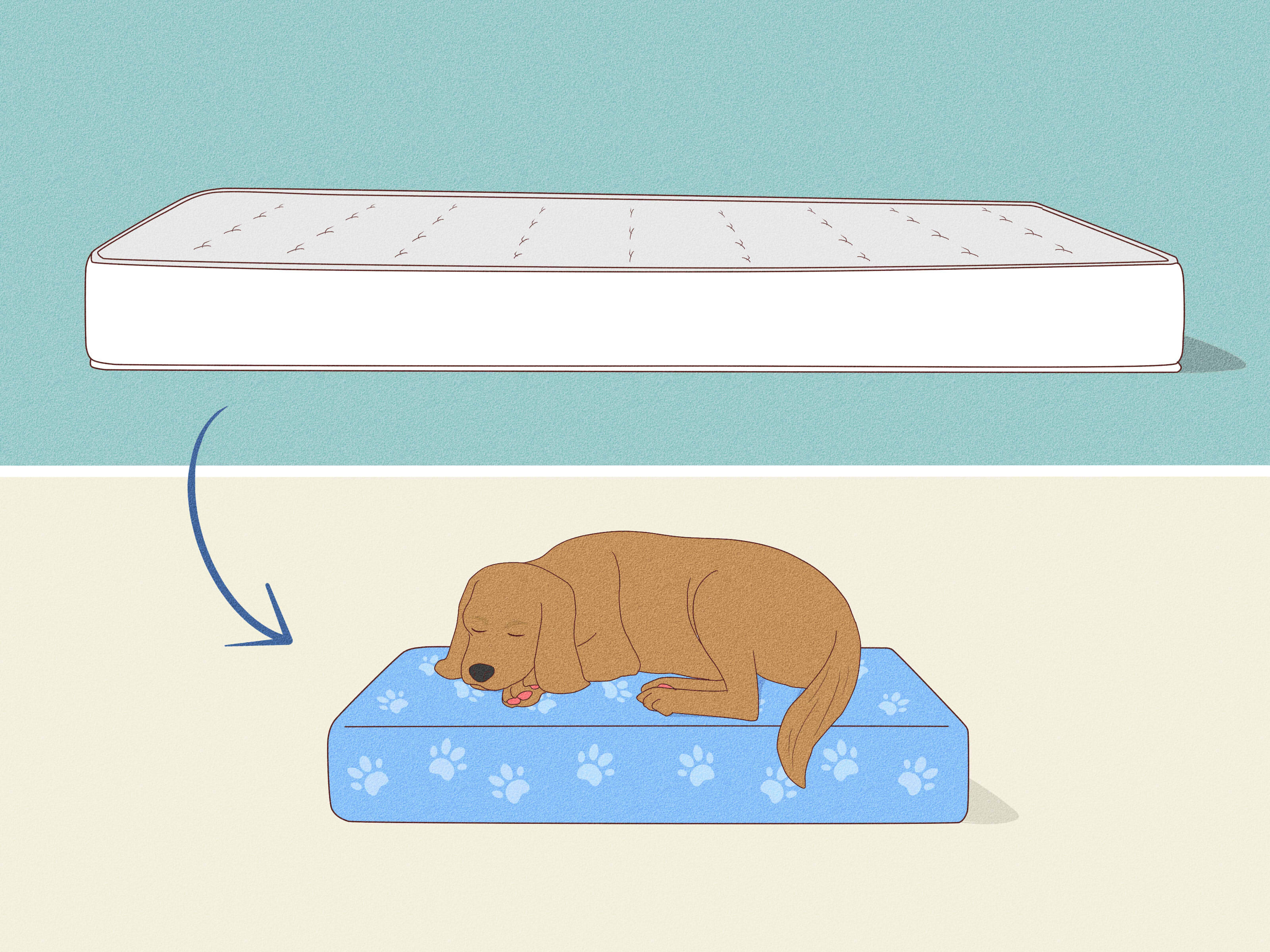
Donating a mattress sounds simple until you try to do it. You imagine a grateful charity worker saying, “Wonderful! A gently used queen mattress!” Then reality taps you on the shoulder with a clipboard: stains, state rules, pickup limits, sanitation concerns, bed bug policies, and the classic phrase every donor learns eventually: “Please call your local branch first.”
Still, if your mattress is clean, dry, structurally sound, and free of pests, there are real ways to keep it out of the landfill and help someone sleep better. A mattress is not just another bulky item taking up garage space. For a family moving into permanent housing, a student furnishing a first apartment, or a neighbor recovering from hardship, a usable bed can turn an empty room into a livable home.
This guide explains where to donate a mattress, which organizations are most likely to accept one, what condition it needs to be in, and what to do when donation is not possible. Because mattress donation rules vary widely across the United States, the smartest strategy is to think locally, verify early, and avoid surprising a charity with a mystery mattress at the loading dock. Nobody enjoys surprise mattress drama.
Can You Donate a Used Mattress?
Yes, you can donate a used mattress in many places, but not everywhere. Mattresses are personal, bulky, and difficult to sanitize, so charities are understandably picky. Some organizations accept only new mattresses. Others accept gently used mattresses if they are clean and stain-free. Some locations accept mattresses for recycling rather than reuse. And many major donation pickup services refuse mattresses entirely because they are too large, too risky, or too expensive to process.
Before you donate, inspect the mattress honestly. Ask yourself: Would I let a close friend sleep on this without apologizing three times? If the answer is no, it probably should not be donated for reuse.
A mattress is usually donation-ready if it is:
- Clean, dry, and free of odors
- Free of bed bugs, mold, and pests
- Free of major stains, tears, or exposed springs
- Structurally supportive without deep sagging
- Not recalled, soaked, smoke-damaged, or stored outdoors
If the mattress fails those tests, skip donation and look for mattress recycling, retailer take-back, or municipal bulky waste pickup instead. Donation should help someone, not transfer a problem with handles.
1. Local Furniture Banks
Furniture banks are often the best answer when people ask where to donate a mattress. Unlike general thrift stores, furniture banks focus on essential home furnishings for people transitioning out of homelessness, escaping domestic violence, recovering from disaster, or rebuilding after financial hardship. A bed is not decorative in that context. It is basic infrastructure for daily life.
The Furniture Bank Network directory can help donors find nearby member organizations. Local policies vary, but many furniture banks clearly list mattress requirements, pickup options, drop-off rules, and fees. Some accept only stain-free mattresses. Some accept certain sizes only. Others may sanitize reusable mattresses and recycle the rest.
For example, some furniture banks accept twin, full, queen, and king mattresses if they are clean and free of rips or stains. Others charge a modest pickup or recycling fee to cover labor, transportation, sanitizing, or recycling costs. That fee may feel annoying at first, but it is often cheaper than junk removal and far more useful to the community.
Best for:
Clean mattresses that still have life left in them, especially in cities with established furniture banks.
Before donating:
Check the organization’s donation guidelines, confirm accepted sizes, ask about pickup fees, and photograph the mattress in good lighting. If the mattress has been exposed to moisture, mold, pests, or heavy smoke, be upfront. Furniture bank staff are trying to serve families with dignity, not run a forensic bedding lab.
2. Habitat for Humanity ReStore
Habitat for Humanity ReStores are nonprofit home improvement stores that sell donated goods to support Habitat’s housing mission. Many ReStores accept furniture, appliances, building materials, household goods, and home improvement items. Mattress policies, however, are highly local.
Some ReStores may accept mattresses or box springs if they meet local sanitation rules and store requirements. Others do not accept them at all. This is why the word “local” matters. A ReStore in one county may say yes, while another location two towns over says no with the calm finality of a judge.
If your nearest ReStore does not accept mattresses, it may still accept bed frames, headboards, nightstands, lamps, bedding furniture, or other bedroom items. That means you can still support the organization even if the mattress itself needs another route.
Best for:
Donors who also have furniture, bed frames, tools, or home goods to give along with a mattress.
Before donating:
Use the store locator, call your local ReStore, ask specifically about mattresses and box springs, and confirm whether pickup is available. Do not assume a national brand policy applies to every individual store.
3. The Salvation Army
The Salvation Army is one of the best-known charities for donating household goods, furniture, clothing, and other items. Many locations offer drop-off and pickup options, and donated goods may help fund local programs and rehabilitation services. But mattress acceptance is not guaranteed.
Some Salvation Army locations may accept certain furniture items while rejecting mattresses and box springs because of sanitation rules, resale restrictions, pest concerns, or local processing limits. Other local branches may offer different guidance. The safest move is to enter your ZIP code on the donation scheduling page or call the nearest donation center before moving a mattress downstairs, around a corner, through a hallway, and into a borrowed truck while muttering words your grandmother would not approve of.
Best for:
People who want a pickup option and have multiple household items to donate.
Before donating:
Ask whether your local branch accepts mattresses, whether pickup crews can take bedroom furniture, and whether they require the mattress to be bagged. If they say no to the mattress, you may still be able to donate dressers, tables, lamps, clean linens, and small furniture.
4. Local Homeless Shelters, Transitional Housing Programs, and Refugee Support Groups
Local shelters and housing nonprofits are worth checking, but they are not always able to accept used mattresses. Emergency shelters often operate under strict health and safety policies. Some need new mattresses only. Others may not have storage space, transportation, or sanitizing capacity. Transitional housing programs, refugee resettlement groups, domestic violence agencies, and community resource warehouses may have more flexible needs, especially when helping families furnish apartments.
The best way to find these programs is through local 211 services, city resource directories, community foundations, mutual aid groups, or nonprofit coalitions. Instead of calling a shelter and asking, “Do you want a mattress?” try a more helpful question: “Do you know any local housing program that accepts clean mattress donations?” Staff may point you toward a furniture bank, church warehouse, refugee support nonprofit, or family services organization that coordinates household goods.
Best for:
Mattresses in excellent condition, especially twin and full sizes, which are often useful for children, teens, and smaller apartments.
Before donating:
Confirm whether the organization accepts used mattresses, new mattresses only, or financial donations for beds. Never leave a mattress outside a shelter without permission. That is not a donation; that is a very large problem wearing fabric.
5. Freecycle, Buy Nothing Groups, and Local Community Boards
If charities near you do not accept used mattresses, community reuse networks can be surprisingly effective. Freecycle, Buy Nothing groups, neighborhood forums, local Facebook groups, Craigslist free listings, and community bulletin boards allow you to offer a mattress directly to someone who wants it.
This option works best when the mattress is clean, photographed clearly, and described honestly. Include the size, age, condition, brand if known, whether it came from a smoke-free or pet-free home, and whether pickup requires stairs. A good listing might say: “Free full-size mattress, used in guest room, clean, no stains, no pests, smoke-free home, pickup only.” A bad listing says: “Mattress. Come get.” That is how you attract chaos with a hatchback.
Direct gifting is not the same as donating to a registered charity, so do not expect a tax receipt. But it can be fast, local, and useful. It also avoids putting pressure on nonprofits that cannot process mattresses.
Best for:
Clean mattresses that are still usable but rejected by nearby charities because of policy limits.
Before donating:
Use safe pickup practices. Arrange pickup during daylight, keep communication on-platform when possible, move the mattress to a porch or garage only when the recipient is confirmed, and do not invite strangers deep into your home if you can avoid it.
6. Mattress Recycling Programs That Support Reuse
Not every mattress can be donated for someone to sleep on, but many can still avoid the landfill through recycling. Mattress recycling programs break down usable components such as steel springs, foam, wood, and fiber. In some states, recycling is organized through the Mattress Recycling Council’s Bye Bye Mattress program.
As of current public guidance, Bye Bye Mattress operates statewide programs in California, Connecticut, Oregon, and Rhode Island. These programs may offer no-cost drop-off locations, collection events, or other recycling options depending on the state and municipality. In California, mattress retailers delivering a new mattress are generally required to offer old mattress take-back at no additional cost, although they can refuse items that pose a health or safety risk.
Recycling is not technically donation in the classic charitable sense, but it is still a responsible second-best option. If the mattress is too worn for reuse but not contaminated, recycling keeps materials in circulation and reduces illegal dumping.
Best for:
Mattresses that are not good enough to donate but are still dry and recyclable.
Before recycling:
Search for a registered mattress recycling facility, confirm accepted items, and ask about fees. Do not place a mattress in regular curbside recycling unless your city specifically allows it. Most municipal recycling carts are not emotionally prepared for a queen mattress.
7. Retailer Take-Back and Delivery Removal Programs
If you are buying a new mattress, ask the retailer whether they offer old mattress removal, take-back, recycling, or donation partnerships. Some mattress stores and delivery services remove your old mattress when the new one arrives. In certain states, laws or recycling programs may shape how this service works. In other places, it may be offered for a fee.
This is one of the easiest options because the mattress is already being replaced, the truck is already coming, and you do not have to convince a friend with a pickup to become part of your bedding logistics department. The downside is that retailer take-back may not count as a charitable donation, and contaminated mattresses may be refused.
Best for:
People replacing a mattress and wanting the simplest removal option.
Before scheduling:
Ask whether the old mattress will be donated, recycled, or disposed of. Confirm whether box springs are included, whether the mattress must be bagged, and whether removal includes stairs, apartments, or tight spaces.
Where You Probably Cannot Donate a Mattress
Many people start with Goodwill because it is familiar, but mattress donation at Goodwill is often not available. Goodwill organizations set local rules, and many do not accept mattresses. Other pickup charities and donation services also reject mattresses and box springs because they focus on clothing, small household goods, and lightweight items one person can carry.
This does not mean those organizations are unhelpful. It means mattresses are a special category. If a charity cannot accept your mattress, you may still be able to donate linens, blankets, small furniture, kitchenware, lamps, tools, or clothing. Those items are easier to process and often in high demand.
How to Prepare a Mattress for Donation
Once you find an organization that accepts mattresses, preparation matters. A clean, protected mattress is more likely to be accepted and less likely to be damaged during transport.
Clean it lightly
Vacuum the surface, seams, and edges. Spot-clean minor marks only if the care label allows it, and let the mattress dry completely. Never donate a damp mattress. Moisture is where good intentions go to grow mold.
Check for pests
Inspect seams, tags, corners, and the underside. If you see signs of bed bugs or pests, do not donate the mattress. Contact your local waste hauler or public health guidance for proper disposal.
Use a mattress bag
Some cities require mattresses to be bagged for disposal, and many organizations prefer them protected during transport. A mattress bag also helps keep it clean while waiting for pickup.
Measure and photograph it
Know whether it is twin, twin XL, full, queen, king, or California king. Take photos of all sides. This helps the charity decide quickly and avoids awkward surprises.
Ask about tax receipts
If you donate to a qualified nonprofit and itemize deductions, you may be able to deduct the fair market value of donated property. Keep a receipt, describe the mattress accurately, and follow IRS rules for noncash donations. For most everyday mattress donations, the value should be realistic, not “luxury hotel suite because I once slept well on it.”
What to Do If Nobody Will Take It
If every charity says no, do not panic. Your mattress still has options. Start with local recycling programs, especially if you live in a state with a mattress recycling system. Check your city’s bulky waste pickup rules. Some municipalities require mattress bags, appointment scheduling, or special tags. If you live in an apartment, ask property management before placing a mattress near a dumpster. Many buildings have strict rules, and surprise hallway mattresses do not make anyone popular.
You can also contact junk removal companies that recycle or donate when possible. This usually costs more, but it can be worth it for large mattresses, upstairs bedrooms, or tight schedules. Just ask what happens to the mattress after pickup. A responsible company should be able to explain whether it goes to a recycler, transfer station, donation partner, or landfill.
Real-World Experiences: What Donating a Mattress Is Actually Like
In real life, donating a mattress is less like dropping off a bag of sweaters and more like coordinating a tiny furniture rescue mission. The mattress is always larger than you remember. The hallway is always narrower than it looked yesterday. And the moment you decide to move it, the mattress develops the personality of a stubborn sea creature.
The first experience many donors have is rejection. A person calls a well-known thrift store and says, “I have a clean mattress to donate.” The staff member politely explains that they do not accept mattresses. This can feel frustrating, but it is usually not personal. Charities have to think about health rules, storage, resale law, staff safety, truck space, and the cost of disposing of items they cannot use. A single unacceptable mattress can cost a nonprofit money, which defeats the point of the donation.
The second common experience is discovering that local organizations are much more useful than national assumptions. A national charity may say no, while a local furniture bank says yes. A shelter may reject used mattresses but recommend a transitional housing nonprofit. A ReStore may decline the mattress but accept the bed frame, dresser, and nightstand. The donor who makes three phone calls often gets a better result than the donor who drives around hoping someone will accept a mattress through sheer optimism.
Another lesson: condition matters more than emotion. People often remember what they paid for a mattress and mentally round its value upward. But donation staff judge by current usefulness. A mattress with sagging edges, mystery stains, pet odor, or a decade of service may have sentimental value, but it may not be suitable for a new household. That does not make the donor a bad person. It just means the mattress has reached the recycling chapter of its biography.
Transportation is also a bigger issue than expected. Many charities require donors to bring mattresses to a drop-off site. Others offer pickup but charge a fee or schedule several weeks out. If you live in a walk-up apartment, measure stairways and elevators before pickup day. Tape a note to the mattress if required. Keep pets away from the pickup area. Remove bedding, toppers, and protectors unless the organization specifically wants them. A smooth pickup feels magical, but that magic is mostly preparation wearing a practical hat.
Finally, successful donors tend to think in bundles. If your mattress is accepted, ask whether the organization also needs clean sheets, blankets, a bed frame, lamps, or a small dresser. A mattress helps someone sleep; a few supporting items help someone settle in. That is the real heart of mattress donation. You are not just removing a bulky object from your home. You may be helping another person build a bedroom, recover stability, and wake up with one less thing to worry about.
Conclusion
The best place to donate a mattress depends on where you live, what condition the mattress is in, and which local organizations can process it safely. Start with furniture banks, then check Habitat ReStore, The Salvation Army, local housing nonprofits, and community reuse groups. If donation is not possible, choose recycling or legal bulky waste disposal instead of leaving the mattress outside and hoping the universe handles logistics.
A good mattress donation is clean, honest, and confirmed in advance. Make the calls, read the guidelines, protect the mattress during transport, and choose the option that creates the most value. Your old bed may be leaving your home, but with the right route, it can still do one more very useful job.













