
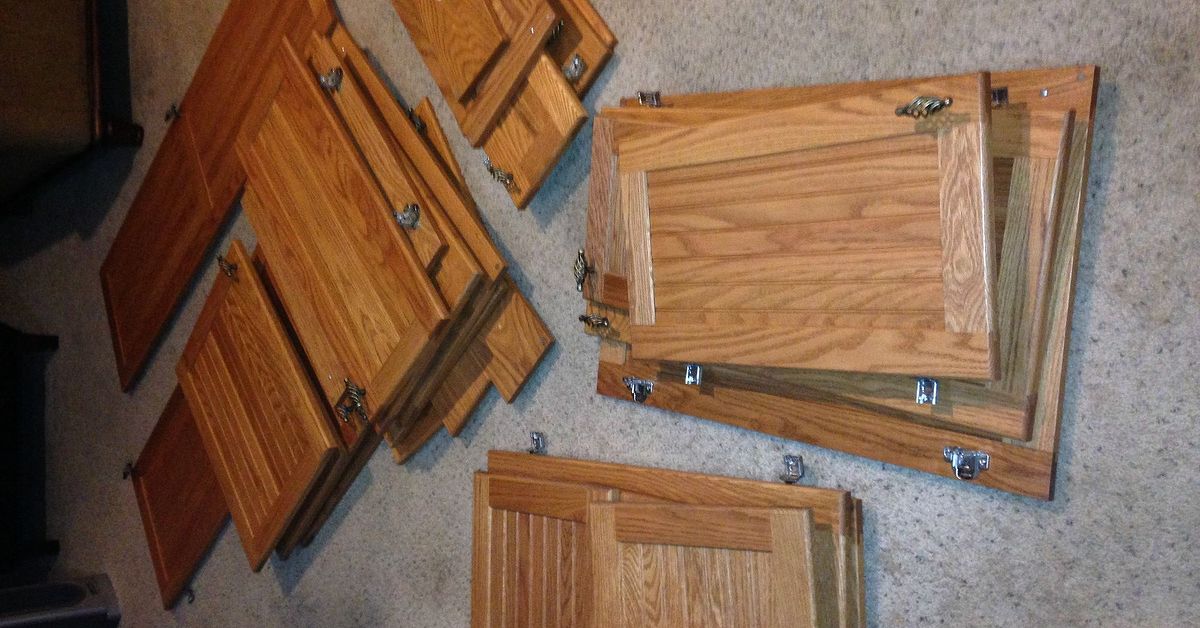
Yellow oak cabinets have spent years being treated like the awkward cousin in every kitchen conversation. They are too orange, too golden, too 1997, too “why is there a grapevine stencil over the soffit?” But here is the plot twist: yellow oak cabinets are not the real problem. Most of the time, the issue is the supporting cast around them. Dated hardware, tired countertops, muddy wall color, poor lighting, and busy backsplashes are usually what make oak cabinets feel old.
That is good news, because it means a beautiful transformation does not always require a full tear-out, a second mortgage, or emotional support after receiving contractor quotes. In many kitchens, yellow oak cabinets can be updated with smart design choices, careful prep, and a little courage. Sometimes that means painting them. Sometimes it means toning them down. Sometimes it means leaving the wood alone and changing almost everything else. The secret is knowing which move fits your kitchen, your budget, and your patience level.
If you are staring at a bank of honey-toned cabinets and wondering whether they can be saved, refreshed, or turned into something you actually want to post online without an apology, the answer is yes. Let’s talk about how to transform yellow oak cabinets in a way that feels modern, livable, and genuinely attractive.
Why Yellow Oak Cabinets Get a Bad Reputation
Yellow oak became wildly popular because it was durable, practical, and easy to find. Builders loved it. Homeowners lived with it. Entire neighborhoods were basically built one honey-oak kitchen at a time. The problem is not the wood itself. Oak has strong grain, real texture, and long-term durability. The issue is that many older kitchens paired that warm wood with equally warm floors, yellow walls, beige counters, and ornate hardware. The result was less “timeless warmth” and more “toasted butter overload.”
Today’s kitchens tend to look cleaner and more balanced. They use contrast better. They mix warm and cool tones more intentionally. They rely on simpler lines, quieter finishes, and better lighting. That means your cabinets do not necessarily need to disappear. They may just need a better environment.
Start by Figuring Out What Actually Looks Dated
Before you grab a paint brush and a dramatic playlist, take a hard look at the room. Ask what is truly bothering you. Is it the cabinet color alone, or is it the combination of oak with laminate counters, a beige backsplash, and shiny brass pulls from another decade?
In many cases, yellow oak cabinets look dated because of one or more of these common issues:
- Wall colors that exaggerate yellow or orange undertones
- Busy granite or old laminate countertops
- Short, decorative cabinet hardware in outdated finishes
- Low, warm lighting that makes everything look more yellow
- Raised-panel doors paired with heavy trim and visual clutter
- Backsplashes that compete with the wood grain instead of calming it down
Once you identify the real offenders, the transformation plan becomes much clearer.
The Best Ways to Transform Yellow Oak Cabinets
1. Keep the Cabinets, But Change the Surroundings
This is the most underrated strategy, and often the smartest one. If your oak cabinets are solid wood and in good condition, you may not need to paint them at all. You can modernize the entire kitchen by surrounding them with fresher, cleaner materials.
For example, yellow oak cabinets often look significantly better next to crisp but not icy wall paint, simple backsplash tile, and updated hardware. A creamy white wall, soft greige, muted sage, or a warm neutral can cool the orange cast without making the cabinets look dirty. Matte black pulls instantly sharpen the look. Brushed nickel feels understated and safe. Aged brass can work too, but only if it feels modern rather than flashy.
Countertops matter just as much. White or off-white quartz with subtle veining can calm down oak beautifully. Soapstone-style surfaces create contrast and add depth. Even butcher block can work if the space is designed to feel warm and layered rather than stuck in a rustic time capsule.
2. Tone Down the Yellow Instead of Painting Everything Solid
If you like real wood but dislike the yellow cast, consider refinishing rather than fully painting. A deeper stain, a muted matte topcoat, or a lightly washed finish can soften the honey tone and make the grain feel more intentional. Some homeowners go for a pickled or limed look to reduce orange undertones while still letting the oak texture show through.
This route can be especially effective if your cabinet doors are well made and you want a more natural kitchen. It is also a good compromise for people who love wood but do not love this particular wood in this particular shade. Think of it as giving the cabinets a new personality without changing their identity.
3. Paint the Cabinets the Right Way
Painting yellow oak cabinets can absolutely transform a kitchen, but oak is not the wood you want to treat casually. Oak has open grain, which means that if you want that silky, smooth, almost factory-finish look, prep is everything. Actually, prep is more than everything. Prep is the whole plot.
If you skip cleaning, sanding, filling, and priming, the final result may still show heavy grain, rough texture, bleed-through, or chipping. That does not mean painted oak is a bad idea. It just means it is a project that rewards patience and punishes shortcuts.
A solid process usually looks like this:
- Remove doors, drawers, and hardware.
- Clean every surface thoroughly to remove grease and residue.
- Sand lightly and repair dents or wear.
- Fill the grain if you want a smoother finish.
- Use a high-quality bonding primer.
- Apply cabinet-grade paint in thin, even coats.
- Let everything cure properly before reinstalling.
The best paint colors for yellow oak cabinets are not always bright white. In fact, stark white can make old oak kitchens feel harsher, not better. Softer whites, warm off-whites, greiges, taupes, muted greens, and moody blues tend to feel richer and more forgiving. Deep olive, blue-gray, mushroom, and creamy putty shades can look especially polished in kitchens that still want warmth.
4. Try a Two-Tone Cabinet Strategy
If you are torn between keeping the wood and painting everything, go two-tone. This is one of the most effective ways to modernize yellow oak cabinets without erasing all the character in the room. You might keep the upper cabinets lighter and paint the lowers a grounded color. Or you might preserve perimeter oak and paint the island a contrasting shade.
A few combinations that work well include:
- Oak cabinets with a deep green island
- Oak uppers with painted lower cabinets in greige or taupe
- Natural oak perimeter cabinets with a navy island
- Wood cabinets paired with black or charcoal accents for a sharper edge
This approach looks thoughtful, current, and a little more custom. It also helps the kitchen feel layered rather than flat.
5. Upgrade the Details That Date the Cabinets
Sometimes the cabinets are innocent. The hardware is guilty. The backsplash is guilty. The yellow walls are definitely guilty.
Small changes can have surprisingly large impact. Long bar pulls or simple knobs can instantly modernize cabinet fronts. Swapping an ornate backsplash for stacked subway tile or a simple slab look creates breathing room. Under-cabinet lighting brightens the wood and makes the room feel more expensive. Removing a cluttered valance or decorative trim can make basic oak cabinets look cleaner and more contemporary.
If the cabinets stop at an awkward height below the ceiling, painting the walls and soffit the same color can reduce visual chop. If the kitchen has heavy crown detail, simplifying nearby finishes helps the cabinets feel less busy.
Best Color Pairings for Yellow Oak Cabinets
Yellow oak cabinets need companions that bring balance. The goal is not to fight the warmth with icy tones that feel sterile. The goal is to calm the yellow, add contrast where needed, and create a more intentional palette.
Colors that usually work well include:
- Warm off-white: soft, clean, and not too stark
- Greige: a dependable bridge between warm wood and modern finishes
- Muted sage: earthy, current, and very forgiving
- Blue-gray: adds contrast without turning cold
- Mushroom or taupe: sophisticated and quietly modern
- Charcoal accents: excellent for hardware, lighting, or islands
Materials matter too. White quartz, handmade-look tile, matte finishes, natural linen textiles, and simple black lighting all help yellow oak feel more elevated. The more you reduce visual noise, the more the wood starts to read as warm and classic instead of loud and dated.
Mistakes to Avoid During a Yellow Oak Cabinet Makeover
Not every transformation is a triumph. Some become cautionary tales told in the lighting aisle. Avoid these common mistakes:
- Choosing a wall color that brings out more yellow in the wood
- Using cheap paint not designed for cabinets
- Skipping grease removal before priming
- Ignoring the oak grain and expecting a perfectly smooth finish anyway
- Adding trendy hardware that clashes with the cabinet style
- Keeping outdated countertops and wondering why the room still feels old
- Using too many warm elements at once with no contrast
A good makeover is rarely about one magic product. It is about coordination. Cabinets, counters, walls, lighting, and hardware all need to be in the same conversation.
A Practical Transformation Plan
If you want a realistic roadmap, here is a smart order of operations:
- Decide whether you want to keep, tone, or paint the oak.
- Choose countertop and backsplash direction first, because those influence everything.
- Select hardware that fits the cabinet style and existing hole spacing if possible.
- Test wall colors in daylight and evening light before committing.
- Upgrade lighting so the room does not cast everything in a yellow haze.
- Only then decide whether the cabinets still need a more dramatic change.
This process prevents expensive overcorrection. Many people start by painting cabinets when they could have solved the problem with paint on the walls, better light, and smarter finishes around them.
What a Great Yellow Oak Cabinet Transformation Looks Like
A successful transformation does not mean the kitchen looks like every other kitchen online. It means the space feels deliberate, balanced, and refreshed. In one home, that might mean painted oak cabinets in a creamy putty color with black hardware and white quartz. In another, it might mean keeping the oak, replacing the backsplash with vertical tile, painting the walls a soft neutral, and adding a dark island for contrast.
In family homes, yellow oak can actually be an advantage. It hides daily wear better than bright white. It brings warmth to open-concept spaces. It plays nicely with natural materials. And in a design moment where wood cabinetry is making a strong comeback, a well-handled oak kitchen can look stylish rather than stuck.
Experiences and Lessons From Real Yellow Oak Cabinet Transformations
One of the most common experiences people share after transforming yellow oak cabinets is pure surprise. They begin the project convinced the cabinets are hopeless, only to discover that the room changes dramatically once the worst supporting elements are removed. A new backsplash, fresh wall color, modern pulls, and brighter lighting can make the cabinets look like they were unfairly blamed for crimes committed by a beige countertop in 2004.
Another common lesson is that photos can be misleading. Yellow oak often looks more orange in certain lighting and much calmer in person. Homeowners who rush into paint decisions without testing samples at different times of day sometimes pick colors that fight the wood instead of balancing it. Many later say they wish they had lived with a few large wall samples first. Morning light, overhead bulbs, and under-cabinet lighting all change how oak reads.
People who decide to paint their oak cabinets also tend to learn the same truth very quickly: the finish is won or lost before the color goes on. Cleaning feels boring, sanding feels dusty, and grain filling feels like an unnecessary extra step right up until the final coat dries. Then suddenly those steps seem brilliant. The homeowners who are happiest with painted oak cabinets are usually the ones who respected the prep process and did not treat cabinet painting like a casual weekend craft.
There are also plenty of good experiences from people who chose not to paint. Some leaned into the warmth by pairing oak cabinets with creamy walls, linen Roman shades, light counters, and simple matte hardware. Instead of trying to disguise the wood, they reframed it. The finished kitchens felt collected, cozy, and much more custom than expected. That is a useful reminder that transformation does not always mean total reinvention. Sometimes it means editing the room until the original feature finally makes sense.
A lot of homeowners mention budget as the deciding factor. Full replacement was simply too expensive, so they worked with what they had. At first that felt like settling. Later it felt smart. The best low-to-mid-budget transformations often focus on the biggest visual wins: hardware, paint, lighting, backsplash, and decluttering. Those changes can create the feeling of a full kitchen update without the demolition, delays, or financial heartburn.
Another experience worth noting is that yellow oak tends to look better when the room becomes less busy. Open shelves stuffed with decor, fussy curtains, countertop appliances everywhere, and ornate trim can make oak feel heavier. Once the styling is simplified, the cabinets usually calm down too. It is amazing what happens when the kitchen stops trying to wear every accessory in the jewelry box at once.
Perhaps the biggest lesson is emotional, not technical. People often start a yellow oak cabinet makeover feeling embarrassed by their kitchen. By the end, many feel oddly affectionate toward it. Once the space looks cleaner, brighter, and more intentional, the cabinets stop reading as outdated and start reading as real wood with character. That is a meaningful shift. A successful transformation is not just about resale appeal or trend alignment. It is about making the room feel good to live in every day.
Conclusion
Yellow oak cabinets do not need blind loyalty, but they also do not deserve automatic demolition. They can be painted, toned down, or left natural and still become part of a kitchen that feels current and inviting. The best transformation depends on the condition of the cabinets, the style of the room, and how much change you truly need.
If the wood is solid and the layout works, start by fixing the environment around the cabinets. If the yellow tone still bothers you, explore refinishing or painting with proper prep. Either way, the goal is the same: less visual chaos, better contrast, and a kitchen that feels intentional instead of accidental. In other words, yellow oak can transform beautifully. It just needs a smarter supporting cast and a makeover strategy that respects what is worth saving.













