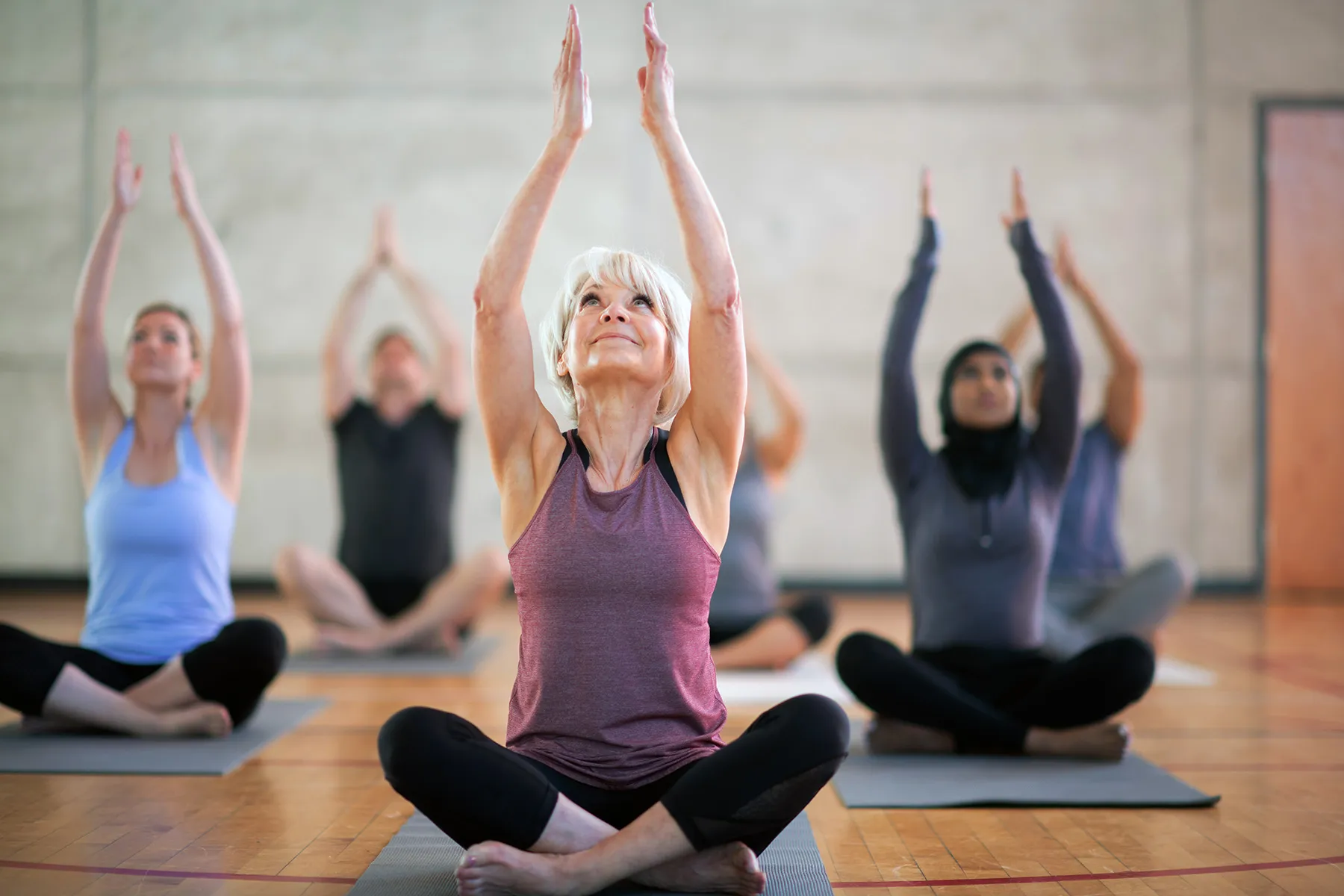
Stress has a sneaky way of moving into your life like an uninvited roommate. It takes over the good chair, eats your snacks, and somehow knows exactly when to show up: before a deadline, during traffic, after one mysterious email that simply says, “Can we talk?” Fortunately, yoga for stress management gives your body and mind a practical way to calm down without needing a mountain retreat, a perfect schedule, or the flexibility of a circus performer.
Yoga combines gentle movement, breathing exercises, mindfulness, and relaxation. That combination is what makes it so useful for managing everyday stress. You are not just stretching tight hamstrings; you are teaching your nervous system that it does not have to live permanently in emergency mode. A consistent yoga practice can support better sleep, improve focus, reduce muscle tension, encourage emotional balance, and create a healthier response to life’s daily pressure.
This guide explores how yoga helps with stress relief, which styles work best, beginner-friendly poses, breathing techniques, and realistic ways to build yoga into a busy life. No incense required. No matching yoga outfit required. A floor, a few minutes, and a willingness to breathe like you mean it will do just fine.
What Is Yoga for Stress Management?
Yoga for stress management is the use of yoga postures, breathwork, meditation, and relaxation practices to calm the body and steady the mind. While some people think of yoga as a workout, stress-focused yoga is less about performance and more about regulation. The goal is not to twist yourself into a human pretzel. The goal is to notice your body, slow your breathing, release tension, and create a sense of control when life feels noisy.
Stress is not always bad. Short-term stress can help you meet a challenge, react quickly, or stay alert. The problem begins when stress becomes constant. Chronic stress can affect mood, sleep, digestion, concentration, and overall well-being. Yoga helps by creating a pause between stimulus and reaction. Instead of instantly tightening your shoulders, clenching your jaw, and mentally writing a dramatic resignation speech, yoga teaches your body to soften, breathe, and respond more calmly.
How Yoga Helps Reduce Stress
Yoga Activates the Relaxation Response
When you are stressed, your body often shifts into “fight-or-flight” mode. Your breathing becomes shallow, muscles tighten, and your mind starts running multiple browser tabs at once. Yoga helps interrupt that cycle by encouraging slower breathing, mindful movement, and intentional relaxation. These practices can support the parasympathetic nervous system, often called the “rest-and-digest” system.
In plain English: yoga tells your body, “We are not being chased by a bear. We are answering emails. Please stand down.”
Yoga Improves Breathing Patterns
Breath is one of the fastest ways to influence stress. When your breathing is short and rapid, your body receives a signal that something is wrong. When you breathe slowly and deeply, you send a message of safety. Many yoga practices include pranayama, or breathing exercises, that help regulate the nervous system.
Simple techniques such as diaphragmatic breathing, box breathing, and extended exhalation can be used almost anywhere. You can practice them before a meeting, after a difficult conversation, or while pretending not to panic in a grocery store checkout line that has mysteriously stopped moving.
Yoga Releases Physical Tension
Stress does not stay politely in your thoughts. It moves into your body. Tight neck, stiff shoulders, clenched jaw, tense back, and shallow breathing are common signs. Yoga poses gently stretch and strengthen the body, helping release areas where tension likes to hide.
Forward folds can calm the mind. Gentle twists can ease stiffness. Supported poses can help the body feel safe enough to relax. Even five minutes of stretching with slow breathing can shift your mood and reduce the “I am one notification away from becoming a haunted lighthouse keeper” feeling.
Yoga Builds Mindfulness
Mindfulness means paying attention to the present moment without judging it. Yoga naturally builds this skill because it asks you to notice your breath, body, and thoughts as they are. Over time, this awareness can help you recognize stress earlier, before it becomes overwhelming.
Instead of realizing you are stressed only after you have eaten half a bag of chips while staring into space, yoga helps you catch the early signs: tight chest, quick breathing, racing thoughts, irritability, fatigue. That awareness gives you a chance to respond with care.
Best Types of Yoga for Stress Relief
Hatha Yoga
Hatha yoga is a broad term, but in many classes it means slower-paced movement with basic poses and breathing. It is a great starting point for beginners because it gives you time to learn alignment and settle into each posture. For stress management, Hatha yoga offers a balanced mix of movement and calm.
Restorative Yoga
Restorative yoga is the cozy blanket of the yoga world. It uses props such as pillows, blankets, blocks, or bolsters to support the body in restful poses. The purpose is deep relaxation, not effort. If your stress level is high and your energy is low, restorative yoga can feel like a nervous system reset button.
Yin Yoga
Yin yoga involves holding passive stretches for longer periods, often one to five minutes. It can improve flexibility and encourage stillness. Because it moves slowly, Yin yoga gives your mind time to settle. However, long holds should never feel painful. Mild discomfort from stretching is normal; sharp pain is your body’s way of saying, “Absolutely not.”
Gentle Vinyasa
Vinyasa yoga links breath with movement. A gentle Vinyasa class can be helpful when stress shows up as restless energy. Flowing through poses can give your mind something steady to follow. For stress relief, choose beginner or slow-flow classes rather than intense power sessions.
Yoga Nidra
Yoga Nidra, sometimes called yogic sleep, is a guided relaxation practice usually done lying down. It is not about stretching; it is about deep rest. Many people use Yoga Nidra for stress, sleep support, and mental clarity. It is especially helpful when your body is exhausted but your mind insists on hosting a late-night debate club.
Beginner-Friendly Yoga Poses for Stress Management
Child’s Pose
Child’s Pose is a calming posture that gently stretches the back, hips, and shoulders. Kneel on the floor, bring your big toes together, widen your knees, and fold forward with your arms extended or resting beside your body. Breathe slowly into your back and ribs.
This pose is useful when you feel overstimulated or mentally tired. It gives the body a quiet shape and encourages a sense of safety.
Cat-Cow Stretch
Start on your hands and knees. Inhale as you lift your chest and tailbone for Cow Pose. Exhale as you round your spine for Cat Pose. Move slowly with your breath for several rounds.
Cat-Cow is excellent for releasing back tension and reconnecting with breathing. It is also ideal after sitting for a long time, especially if your posture has slowly transformed into “office shrimp.”
Standing Forward Fold
Stand with your feet hip-width apart and fold forward from your hips. Bend your knees as much as needed. Let your head and arms hang. Breathe slowly.
This pose can calm the nervous system and stretch the back body. If you feel dizzy, come up slowly or practice a seated forward fold instead.
Legs Up the Wall
Sit close to a wall, lie back, and extend your legs upward against the wall. Rest your arms comfortably and breathe. Stay for three to ten minutes.
Legs Up the Wall is a favorite stress-relief pose because it requires very little effort. It can be helpful after a long day, travel, or too much standing. It is basically telling your legs, “You have done enough. Please enjoy this vertical vacation.”
Supine Twist
Lie on your back, hug your knees toward your chest, then lower them gently to one side. Keep both shoulders relaxed. Breathe for several rounds, then switch sides.
Twists can release tension in the spine and encourage slow breathing. Keep the movement gentle and avoid forcing your knees toward the floor.
Corpse Pose
Corpse Pose, or Savasana, is the final resting pose in many yoga classes. Lie on your back with your arms and legs relaxed. Close your eyes or soften your gaze. Let your breath be natural.
Although it looks like “doing nothing,” Savasana can be surprisingly powerful. Stillness gives the body time to absorb the practice and the mind time to settle. It is not laziness. It is advanced relaxation with excellent public relations.
Breathing Exercises for Yoga Stress Relief
Diaphragmatic Breathing
Place one hand on your chest and one hand on your belly. Inhale through your nose and let your belly gently rise. Exhale slowly and let it fall. Continue for two to five minutes.
This technique encourages deeper breathing and can help reduce tension. It is simple, quiet, and useful before sleep or during stressful moments.
Box Breathing
Inhale for four counts, hold for four, exhale for four, and hold for four. Repeat for several rounds. If four counts feels too long, use three counts. The point is rhythm, not breath-holding heroics.
Box breathing gives the mind a structure to follow, which can be helpful when thoughts feel scattered.
Extended Exhale Breathing
Inhale for four counts and exhale for six counts. Repeat for one to three minutes. A longer exhale can encourage relaxation and help the body shift out of stress mode.
This is one of the easiest breathing practices to add to yoga poses. Try it in Child’s Pose, Legs Up the Wall, or Savasana.
How to Build a Simple Yoga Routine for Stress
A stress-relief yoga routine does not need to be long. In fact, starting small is often better. A ten-minute practice done regularly is more effective than a heroic ninety-minute session followed by three months of pretending your yoga mat is decorative flooring.
A 10-Minute Stress-Relief Sequence
Begin with one minute of diaphragmatic breathing. Move into Cat-Cow for one minute. Rest in Child’s Pose for two minutes. Practice a gentle Supine Twist for one minute on each side. Finish with Legs Up the Wall or Savasana for three to four minutes.
This short sequence combines breath, movement, stretching, and rest. It is suitable for many beginners and can be practiced in the morning, after work, or before bed.
A 20-Minute Evening Routine
For a longer practice, start with three minutes of slow breathing. Add gentle neck rolls, shoulder circles, Cat-Cow, Child’s Pose, a low lunge on each side, seated forward fold, Supine Twist, Legs Up the Wall, and Savasana. Keep the pace slow and the breathing steady.
Evening yoga should feel calming, not like a fitness audition. Choose soft lighting, comfortable clothes, and poses that help your body unwind.
Yoga for Workplace Stress
You do not need a yoga studio to use yoga for stress management. Desk-friendly yoga can help during busy workdays. Try seated breathing, shoulder rolls, seated twists, wrist stretches, and a gentle forward fold while seated. These small movements can reduce tension and help you reset between tasks.
A simple workplace routine might look like this: sit tall, inhale deeply, exhale slowly, roll your shoulders five times, gently turn your head side to side, stretch your wrists, then close your eyes for three breaths. It takes less than two minutes and will not make your coworkers wonder if you have joined a secret acrobatics society.
Common Mistakes to Avoid
Trying Too Hard
Stress-relief yoga is not a competition. If you force poses, hold your breath, or compare yourself to someone online who appears to have no bones, you may create more stress instead of less. Work within a comfortable range and let progress happen gradually.
Skipping the Breath
Yoga without breath awareness can become ordinary stretching. Stretching is useful, but breathing is what makes yoga especially powerful for stress management. Keep returning to slow, steady breaths.
Expecting Instant Perfection
Yoga helps over time. Some days your mind will become quiet. Other days your thoughts will behave like caffeinated squirrels. Both are normal. The practice is not about controlling every thought. It is about noticing, breathing, and coming back.
Ignoring Pain
Yoga should not cause sharp pain, numbness, or dizziness. Modify poses as needed and stop if something feels wrong. People with injuries, chronic health conditions, pregnancy, balance issues, or significant pain should consider speaking with a qualified healthcare professional or trained yoga instructor before beginning.
Who Can Benefit from Yoga for Stress Management?
Yoga can benefit students, parents, professionals, caregivers, athletes, older adults, and anyone whose brain occasionally acts like it has opened twenty-seven tabs and lost the music player. It is especially useful for people who feel stress physically through tight muscles, headaches, restlessness, or shallow breathing.
Yoga may also support people who struggle with sleep, emotional overwhelm, or difficulty focusing. However, yoga is not a replacement for medical treatment or mental health care. For severe anxiety, depression, trauma symptoms, panic attacks, or persistent distress, professional support is important. Yoga can be a valuable companion, not a magic wand.
Making Yoga a Sustainable Habit
The best yoga practice is the one you will actually do. Choose a time that fits your life. Morning yoga can set a calm tone for the day. Midday yoga can refresh your energy. Evening yoga can help you transition into rest.
Keep your routine simple. Leave your mat visible. Use a short video or timer. Pair yoga with an existing habit, such as brushing your teeth, finishing work, or making tea. Start with five minutes if needed. Once your body learns that yoga feels good, it becomes easier to return.
You can also create a calming environment. Turn down bright lights, silence notifications, and choose comfortable clothes. Your space does not need to look like a wellness magazine. If there is laundry in the corner, congratulations: you are practicing yoga in a real human home.
Experiences Related to Yoga for Stress Management
One of the most common experiences people have with yoga for stress management is surprise. Many beginners start yoga expecting a stretch session and end up discovering that their breathing, mood, and thoughts shift too. A person may arrive on the mat with tight shoulders, a busy mind, and the emotional texture of a crumpled receipt. After ten minutes of slow movement and breathing, the situation may not be magically solved, but the body often feels less guarded and the mind feels less crowded.
For example, imagine someone who works long hours at a computer. By late afternoon, their neck is tense, their eyes are tired, and every message feels like it arrives wearing tap shoes. A short yoga break can help. They push the chair back, sit tall, breathe slowly, roll the shoulders, twist gently to each side, and fold forward with relaxed arms. Nothing dramatic happens. No choir appears. But after a few minutes, their jaw softens, their breathing deepens, and the next task feels more manageable.
Another relatable experience happens before sleep. Stress often waits until bedtime to become a full-time storyteller. The room is quiet, the lights are off, and suddenly the mind begins reviewing every awkward conversation since 2014. A gentle yoga routine can create a bridge between the day and sleep. Legs Up the Wall, Supine Twist, Child’s Pose, and slow exhale breathing can help signal that the day is ending. Instead of demanding sleep, the practice invites rest.
Some people notice that yoga changes how they respond to stress outside the practice. This may be the most valuable benefit. During yoga, you practice staying present when a pose feels challenging. You breathe instead of quitting immediately or forcing your way through. Over time, that lesson can show up in real life. A stressful email arrives, and instead of reacting instantly, you pause. A conversation becomes tense, and you notice your shoulders rising. You take one slow breath before speaking. That small pause can prevent a large amount of unnecessary drama.
Yoga also teaches self-compassion. Many people are used to treating stress like a personal failure. They think, “I should be handling this better,” which is basically stress wearing a fake mustache and sneaking back into the room. Yoga offers a different message: notice what is happening, support your body, and begin again. If you lose focus, come back to the breath. If you wobble, steady yourself. If you need a prop, use one. This mindset can be deeply helpful for stress management because it replaces criticism with care.
Group yoga classes can add another layer of support. Practicing with others reminds people that stress is not a private defect; it is a human experience. A room full of people breathing together can feel grounding. At the same time, home practice offers privacy and convenience. Both options work. The best choice depends on personality, schedule, comfort level, and budget.
Over weeks or months, many people find that yoga becomes less of a task and more of a reliable tool. It becomes the thing they do when they feel scattered, tense, irritated, or tired. Not because yoga makes life perfect, but because it makes the body feel like a safer place to live. That is the real power of yoga for stress management: it helps you return to yourself, one breath at a time.
Conclusion
Yoga for stress management is practical, flexible, and accessible. It combines movement, breathing, mindfulness, and relaxation in a way that supports both body and mind. Whether you practice for five minutes at your desk or enjoy a full restorative session before bed, yoga can help reduce tension, calm racing thoughts, and build resilience for everyday life.
You do not have to be flexible, spiritual, athletic, or perfectly calm to begin. In fact, needing stress relief is the perfect reason to start. Roll out a mat, sit on a towel, or simply place both feet on the floor and take one slow breath. That first breath counts. The next one counts too. Tiny practices, repeated often, can become powerful tools for a calmer life.
Note: This article is for general educational purposes only. Yoga can support stress management, but it should not replace professional medical or mental health care when symptoms are severe, persistent, or disruptive.