
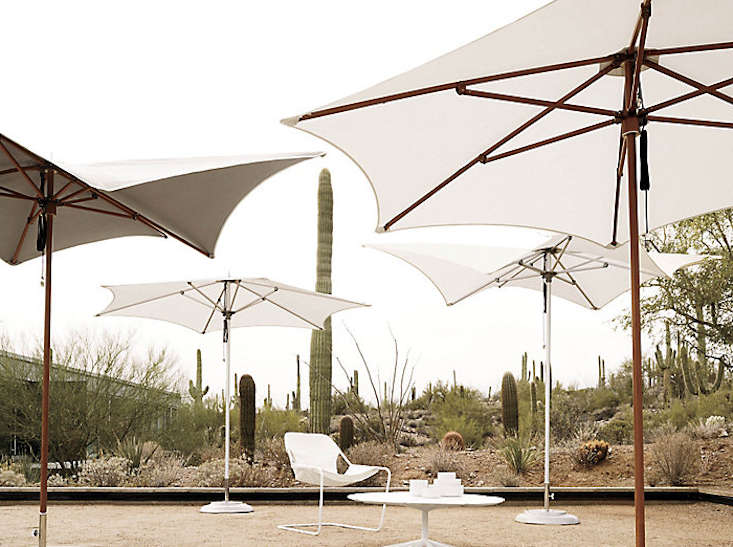
Outdoor umbrellas are the rare patio accessories that can improve your comfort, protect your lunch from becoming solar-powered, and make an ordinary slab of concrete look like a boutique hotel terrace. The right umbrella creates a cool, usable room without walls. The wrong one leans sideways, blocks the conversation, and begins planning its escape every time the wind picks up.
This guide rounds up 10 outdoor umbrellas and umbrella styles that balance good design with practical shade. The selection includes classic market umbrellas, space-saving cantilever models, modern rectangular canopies, cheerful striped options, and a few premium designs built for serious outdoor living. Along the way, you will also find straightforward advice about canopy size, outdoor fabric, opening mechanisms, umbrella bases, wind management, and maintenance.
How to Choose an Outdoor Umbrella Without Overthinking It
Match the Canopy to the Area You Want to Shade
Start with the furniture, not the umbrella. A small bistro table generally works with a canopy around 6 to 6.5 feet wide, while a four-person table usually needs about 7 to 8.5 feet. A 9- or 10-foot patio umbrella is a flexible choice for many dining sets and conversation areas. Long rectangular tables benefit from rectangular canopies because the shade follows the furniture instead of wasting coverage over empty corners. Lowe’s sizing guidance similarly pairs larger canopies with larger tables and seating groups.
Choose a Center-Pole or Cantilever Design
A market umbrella places the pole in the center, making it ideal for a dining table with an umbrella hole. It is familiar, visually balanced, and usually easier to move or store. A cantilever umbrella suspends the canopy from an offset mast, leaving the shaded area open for lounge furniture, a hot tub, or a table without a center opening. Cantilever models offer wonderfully flexible coverage, but their larger frames and bases require more room and more commitment. They are patio furniture, not a casual acquaintance.
Pay Attention to the Canopy Fabric
Solution-dyed acrylic is a favorite for long-term outdoor use because the color is incorporated throughout the fiber rather than applied only to the surface. Sunbrella states that its solution-dyed acrylic performance fabrics are designed to resist fading, UV exposure, and repeated cleaning. Polyester can be a practical lower-cost option, especially when the umbrella will be covered or stored between uses, but its fade resistance varies by fabric quality and treatment.
Do Not Treat the Umbrella Base as an Afterthought
A beautiful canopy on an undersized stand is simply a sail with ambitions. Base requirements depend on canopy diameter, pole design, whether the umbrella passes through a table, and local wind exposure. Lowe’s suggests roughly 20 to 30 pounds for many 6- to 7-foot umbrellas, 40 to 50 pounds for umbrellas from about 7.5 to 10 feet, and substantially more for larger freestanding models. Manufacturer instructions should always win, particularly for cantilever umbrellas.
10 Easy Pieces: Outdoor Umbrellas Worth Considering
1. Frontgate 9-Foot Round Outdoor Market Umbrella
This is the dependable white-shirt equivalent of patio shade: classic, useful, and easy to style. Frontgate’s 9-foot market format is available with performance canopy options and traditional frame choices, making it a natural fit over a four- to six-person dining table. A round canopy softens the geometry of a square deck, while the familiar center-pole design keeps the visual weight balanced.
2. Pottery Barn 10-Foot Round Cantilever Outdoor Patio Umbrella
For a sectional or conversation set, a side-post umbrella often makes more sense than a pole sprouting from the middle of the coffee table. Pottery Barn’s 10-foot round cantilever design uses an aluminum structure, an included weighted base, a crank, and adjustable tilt and height features. Performance Sunbrella canopy choices add the kind of weather resistance expected from a premium outdoor piece.
3. Crate & Barrel 10-Foot Rectangular Sunbrella Patio Umbrella
A rectangular outdoor dining table deserves shade that understands geometry. Crate & Barrel’s 10-foot rectangular Sunbrella umbrella format follows the shape of a long table, helping cover diners at both ends without requiring an oversized round canopy. The dark metal frame and clean canopy profile suit modern patios, urban rooftops, and outdoor rooms that favor crisp lines.
4. West Elm 7.5-Foot Scallop Edge Outdoor Umbrella
Not every patio needs a giant engineering project. A 7.5-foot umbrella is often enough for a compact dining set, apartment terrace, or breakfast corner. West Elm’s scallop-edge model adds a decorative border that feels playful without turning the patio into a theme park. The silhouette works especially well with café chairs, small round tables, and vintage-inspired planters.
5. IKEA HÖGÖN Umbrella
The HÖGÖN is a practical choice for shoppers who want a broad canopy, straightforward styling, and lively color options without entering luxury-umbrella territory. IKEA lists the center-pole version at roughly 106 inches across, large enough to serve many everyday dining arrangements. Current options have included gray, dark blue, bright orange, and striped combinations, allowing the umbrella to function as the main color moment outdoors.
6. CB2 Market 8.5-Foot Round Sunbrella Outdoor Patio Umbrella
CB2’s 8.5-foot market umbrella is the minimalist of the group. Its round Sunbrella canopy and simple center-pole form provide the necessary shade without introducing tassels, scallops, or decorative drama. That restraint makes it an easy match for sculptural outdoor chairs, concrete tables, black metal furniture, and contemporary architecture.
7. Business & Pleasure Co. Terrace Umbrella
The Terrace Umbrella brings vintage resort character through striped fabrics, a traditional profile, and a rope-and-pulley opening system. Business & Pleasure Co. specifies outdoor rope and a stainless steel hook for securing the umbrella, details that contribute to its old-school hospitality look. The 7-foot size is particularly appealing for intimate patios and poolside seating.
8. Tuuci Ocean Master M1 Classic
Tuuci’s Ocean Master line is aimed at buyers who view outdoor shade as a long-term architectural element. The M1 Classic combines a center-post profile with marine-oriented engineering, serviceable construction, and optional wind-vent configurations. Tuuci notes that a double wind vent is available for certain sizes and shapes to help in locations exposed to sudden gusts.
9. Purple Leaf 11-Foot Cantilever Umbrella
Purple Leaf’s large cantilever umbrellas appear frequently in independent patio-umbrella testing because they combine broad coverage with adjustable shade. Recent reviews from Forbes Vetted, Consumer Reports, and Bob Vila have included Purple Leaf models among tested or recommended cantilever options. Depending on the model, features may include rotation, tilt settings, double-top ventilation, and a substantial offset frame.
10. Hampton Bay Solar LED Cantilever Umbrella
A solar-lit cantilever umbrella extends the usefulness of a patio after sunset. Hampton Bay models with integrated LED lighting have appeared in current expert roundups as accessible options for combined daytime shade and evening ambience. The lights will not replace task lighting for a serious outdoor kitchen, but they can create a soft glow for drinks, conversation, or the final round of a board game nobody remembers agreeing to play.
Smart Details That Make a Patio Umbrella Easier to Live With
Vents, Tilt Controls, and Opening Systems
A canopy vent allows warm air to escape and can reduce some wind pressure, though it does not turn an umbrella into a hurricane device. Tilt controls help maintain shade as the sun moves lower, while rotation is especially useful on cantilever models. Crank systems are intuitive, push-up designs are simple, and pulley systems offer classic style. The best mechanism is the one everyone in the household can operate without watching a tutorial every Saturday.
Replaceable Canopies and Covers
A replaceable canopy can extend the useful life of a sound frame and allow a color update without buying an entirely new umbrella. A fitted cover protects the folded canopy from dirt, tree sap, and prolonged exposure. Better Homes & Gardens recommends routine cleaning and thorough air-drying, particularly before closing or storage, to help limit stains and mildew.
Color Choices That Work Outdoors
White and warm beige feel bright and resort-like, but they show grime sooner. Mid-tone blues, greens, and taupes are forgiving and coordinate easily with plants. Black and charcoal create a striking architectural look, though dark canopies can feel visually heavier in small spaces. Stripes add instant charm and disguise minor marks. Select a color you will still enjoy after the patio trend cycle has moved on to whatever shade of brown receives a glamorous new name next year.
Real-World Experience: What Outdoor Umbrellas Teach You After a Full Season
The first lesson is that shade is not stationary. A patio may feel perfectly covered at noon, then become a bright interrogation room at 4 p.m. Before buying an umbrella, observe the space at breakfast, lunch, and late afternoon. Note where the shadows fall and which seats become uncomfortable. This simple exercise often determines whether you need a tilting market umbrella, a rotating cantilever model, or two smaller umbrellas instead of one enormous canopy.
The second lesson is that the base matters every single day, even though it is the least glamorous part of the purchase. A heavy stand is annoying when you are assembling the patio and deeply reassuring when a gust arrives during dinner. People commonly underestimate the forces acting on a wide canopy because the umbrella feels light while folded. Once opened, it has a large surface area. Use the manufacturer’s recommended base or mounting system, tighten the pole collar, and close the canopy whenever wind begins to build.
Third, convenience determines whether the umbrella gets used. A beautifully made umbrella with a stiff mechanism may remain closed while everyone squints. Cranks are easy for many users, while pulley systems can feel satisfyingly simple if the rope and cleat are well placed. Cantilever umbrellas should rotate and tilt without requiring a wrestling match. Test the reach and handle height whenever possible, especially if several family members will operate the shade.
Fabric color also behaves differently outdoors than it does on a product page. Pale canvas reflects a relaxed, airy mood and makes a small patio feel open. Dark navy or charcoal can frame a view and give inexpensive furniture a more tailored appearance. Bright stripes photograph beautifully and bring energy to a plain yard. However, surrounding conditions matter: pollen is obvious on dark fabric, soot and mildew show on white, and falling berries appear to have strong opinions about every color.
Maintenance is easier when it becomes routine rather than a rescue mission. Brush away leaves and loose dirt, deal with spills before they settle, and allow a damp canopy to dry fully while open. Do not fold wet fabric and then act surprised when it smells like an abandoned gym bag. At the end of the season, clean the frame, inspect hardware, cover or store the umbrella, and keep removable parts together. Labeling the hardware bag feels overly organized until spring, when it feels like genius.
Finally, an outdoor umbrella changes how a space is used. A shaded corner becomes a morning coffee spot. A dining table becomes comfortable enough for a long lunch. A pair of lounge chairs becomes an actual reading area rather than decorative furniture slowly heating in the sun. The most successful umbrella is not necessarily the most expensive or dramatic one. It is the model sized correctly for the furniture, stable enough for the setting, easy enough to open, and attractive enough that you enjoy seeing it through the window.
Conclusion: Choose Shade That Fits the Way You Live
The best outdoor umbrellas combine proportion, durable materials, dependable hardware, and a style that makes the patio feel intentional. A 7.5-foot market umbrella can be perfect for a compact dining nook, while a 10- or 11-foot cantilever design may transform a broad lounge area. Rectangular canopies make sense over long tables, decorative edges add charm, and performance fabric is worth considering in locations with intense sun or frequent use.
Measure carefully, follow the recommended base specifications, and plan to close the umbrella during strong wind or storms. Then choose the design that makes you want to spend more time outside. After all, the easiest piece is the one that quietly does its job while you do absolutely nothing beneath it.














