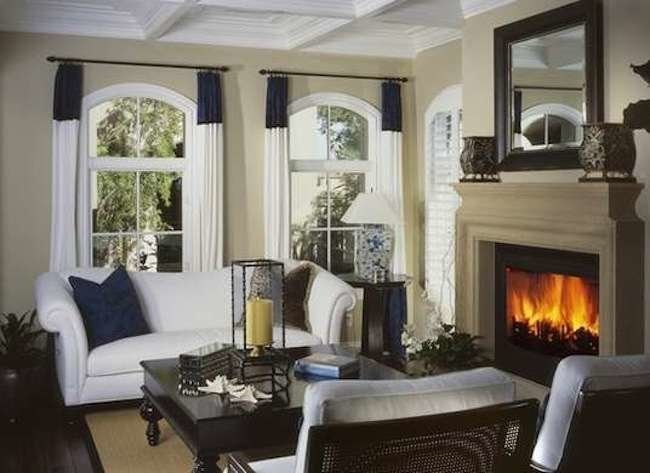
A crackling fireplace can turn an ordinary living room into the coziest place in the house. Add a comfortable chair, a warm drink, and perhaps a dog occupying 83 percent of the rug, and you have the basic ingredients for a perfect winter evening.
Unfortunately, fireplaces combine open flames, combustible materials, high temperatures, smoke, and complicated ventilation systems. That means a seemingly harmless shortcut can become a serious fireplace safety problem. A closed damper can push smoke into the room. Damp firewood can increase creosote buildup. A forgotten ember can remain hot long after everyone has gone to bed.
The good news is that safe fireplace use is not complicated. Most problems can be prevented with routine chimney maintenance, properly seasoned firewood, sensible clearances, and a consistent shutdown routine. This guide explains 11 common fireplace mistakes, why they matter, and what to do instead.
Why Fireplace Mistakes Can Become Serious
A fireplace is not just a decorative opening where logs perform a charming little fire dance. It is part of a complete system that includes the firebox, damper, smoke chamber, flue liner, chimney, cap, hearth, and surrounding building materials. Every component must work together to contain heat and direct combustion gases outdoors.
When that system is damaged, blocked, dirty, or operated incorrectly, sparks can escape, nearby materials can ignite, and smoke or carbon monoxide can enter the home. Wood-burning fireplaces also produce creosote, a combustible residue that collects inside the flue. Over time, heavy deposits may contribute to a chimney fire.
Fireplace safety therefore begins before the match is struck. Inspection, fuel selection, airflow, supervision, and cleanup all matter.
11 Fireplace Mistakes You Should Never Make
1. Skipping the Annual Chimney Inspection
One of the most dangerous fireplace mistakes is assuming the chimney is safe simply because it worked last winter. Months of weather exposure can damage masonry, loosen flashing, deteriorate a flue liner, or allow leaves and animal nests to obstruct the passage.
A professional chimney inspection can identify creosote buildup, cracks, blockages, water damage, missing chimney caps, and other ventilation problems. The chimney may need cleaning, but inspection and cleaning are not exactly the same service. An inspection evaluates condition and performance; cleaning removes soot and deposits when necessary.
Schedule an inspection at least annually and before using a fireplace that has been inactive for an extended period. An additional inspection may be appropriate after a chimney fire, major weather event, home purchase, appliance change, or renovation affecting the venting system.
2. Lighting a Fire Before Opening the Damper
The damper controls the pathway between the firebox and chimney. When it is closed, smoke has nowhere convenient to go. It may roll into the room, stain walls, trigger alarms, and expose occupants to harmful combustion gases.
Before building a fire, use a flashlight to verify that the damper is fully open. You should be able to see into the flue rather than staring at a closed metal plate. If the damper is difficult to move, badly corroded, or disconnected, have it repaired instead of attempting to overpower it with a poker and optimism.
Keep the damper open throughout the fire and until the ashes and embers are completely cool. Closing it too early can trap smoke and carbon monoxide indoors. Once everything is cold, closing the damper can help reduce drafts and prevent conditioned air from escaping.
3. Burning Wet or Unseasoned Firewood
Freshly cut wood contains a great deal of moisture. Much of the fire’s energy must be used to evaporate that water before the wood can burn efficiently. The result is a cooler, smokier fire that produces less useful heat and can contribute to faster creosote accumulation.
Use dry, seasoned firewood with a moisture content around 20 percent or lower. A handheld moisture meter offers a more reliable answer than knocking two logs together and deciding they sound “wooden enough.” Split a log and test the newly exposed interior surface for a meaningful reading.
Store firewood off the ground in a covered, ventilated location. Protect the top of the stack from rain while leaving the sides open for airflow. Bring only a modest amount indoors at a time rather than building a miniature lumberyard beside the hearth.
4. Burning Trash, Treated Wood, or Other Improper Materials
A fireplace is not a household incinerator. Cardboard, glossy paper, wrapping paper, plastics, painted lumber, pressure-treated wood, plywood, particleboard, and household garbage can produce excessive smoke, toxic pollutants, flying embers, or unusually intense flames.
Dry Christmas trees are particularly poor fireplace fuel. Their needles and small branches can burn rapidly and throw sparks. Charcoal should also stay outdoors in equipment designed for it because burning charcoal in an enclosed space can produce dangerous carbon monoxide concentrations.
Use only appropriate natural firewood or fuel specifically approved by the fireplace manufacturer. Manufactured firelogs should be burned according to their package instructions, including limits on how many may be used at one time.
5. Starting the Fire With Gasoline or Lighter Fluid
Pouring gasoline, kerosene, charcoal starter, or another flammable liquid into a fireplace can cause a flash fire. Vapors may ignite suddenly, spreading flames beyond the firebox and causing severe burns or property damage.
Build the fire with dry kindling, plain newspaper, or an all-natural commercial fire starter. Arrange the materials so air can circulate between them. Light the kindling in more than one location and allow the fire to develop gradually before adding larger logs.
If a fireplace routinely refuses to draft or light correctly, the answer is not a more exciting chemical. Check the wood’s moisture level, confirm that the damper is open, and have the chimney evaluated if the problem continues.
6. Overloading the Firebox
A roaring fire may look impressive, but bigger is not automatically better. An oversized fire can generate more heat than the fireplace, flue liner, or surrounding materials were designed to handle. Excessive heat may damage components and increase the chance of sparks, embers, or flames entering the chimney.
Begin with a small fire and add one log at a time. Keep the logs on a suitable grate and far enough inside the firebox that they cannot roll onto the hearth. Follow the fireplace manufacturer’s operating limits, particularly for factory-built fireplaces, inserts, gas log sets, and wood stoves.
If flames are repeatedly reaching high into the flue, the fire is difficult to control, or parts of the fireplace are glowing, treat the situation seriously. Stop adding fuel, move everyone away, and contact emergency services if you suspect a chimney fire.
7. Operating the Fireplace Without Proper Spark Protection
Wood fires crackle because moisture and gases inside the logs are expanding. That cheerful sound can be accompanied by sparks and embers capable of landing on carpet, furniture, pet bedding, or a nearby basket of firewood.
Use a sturdy metal mesh screen or another approved barrier large enough to cover the opening. The screen should remain closed while the fire is burning, even when everyone wants an unobstructed view for the family holiday photograph.
Glass fireplace doors require special attention. With many traditional wood-burning fireplaces, the glass doors remain open during active burning while the metal mesh screen stays closed. Other systems have different requirements. Follow the manufacturer’s instructions rather than assuming every set of doors works the same way.
8. Allowing Clutter Too Close to the Hearth
Rugs, upholstered furniture, curtains, books, newspapers, holiday stockings, baskets, decorations, and stacked firewood can all become fuel when placed too close to a fireplace. Maintain a clearance of at least three feet between the fireplace and anything that can burn unless the appliance manufacturer or local code requires a greater distance.
Pay special attention during the holidays. Greenery can dry out, stockings can hang near hot surfaces, and gift wrap has an almost supernatural ability to migrate toward open flames. Decorations should never block the screen, controls, hearth, or emergency access.
Children and pets also need a firm safety boundary. Use an appropriate fireplace gate when necessary, and never assume a child understands that the glass on a gas fireplace can remain dangerously hot after the flames are turned off.
9. Leaving a Fire Unattended
A fireplace should not be left burning while everyone sleeps, leaves the house, or becomes distracted elsewhere. Logs can shift, screens can move, embers can escape, and conditions can change with little warning.
Before leaving the room for an extended period, stop adding wood and allow the fire to burn down. Separate remaining logs with fireplace tools to reduce the intensity. Use an appropriate extinguishing method for the appliance, and confirm that no active flames remain.
Do not close the damper as a way to smother the fire. Restricting the chimney while fuel is still burning can send smoke and carbon monoxide into the living space. The damper should remain open until the ashes are cold.
10. Dumping Warm Ashes Into the Trash
Ashes can hide glowing embers for much longer than many homeowners expect. A pile that appears gray and lifeless may still contain enough heat to ignite a paper bag, plastic trash bin, wooden deck, garage contents, or dry vegetation.
Allow ashes to cool thoroughly. Use a metal shovel to transfer them into a metal container with a tight-fitting metal lid. Place the container outdoors on a noncombustible surface and well away from the house, garage, porch, vehicles, woodpile, and other combustible materials.
Never use a cardboard box, plastic bucket, shopping bag, or household vacuum for warm fireplace ash. Fine ash can damage an ordinary vacuum, and hidden embers can ignite material inside the machine.
11. Ignoring Smoke, Odors, Cracks, and Alarm Maintenance
A smoky room is not simply part of the rustic fireplace experience. Persistent smoke, unusual odors, falling masonry, white staining on bricks, damaged mortar, rusted components, draft problems, or pieces of flue tile in the firebox can indicate a system that needs professional attention.
Every home with a fuel-burning fireplace should have working smoke alarms and carbon monoxide alarms installed according to applicable safety guidance and local requirements. Test the alarms regularly, replace batteries when required, and replace the units at the end of their rated service life.
Carbon monoxide cannot be seen or smelled. Possible exposure symptoms can include headache, dizziness, weakness, nausea, confusion, or unusual sleepiness. If a carbon monoxide alarm activates, or occupants develop suspicious symptoms, move outside to fresh air and contact emergency services. Do not reenter the home until authorities say it is safe.
What Real-World Fireplace Experience Teaches You
Fireplace rules can sound overly cautious until you see how ordinary household habits create problems. The most useful lessons often come from watching what happens over an entire heating season rather than during one picture-perfect evening.
The First Fire Should Begin With an Inspection
Many new homeowners inherit a fireplace along with the keys and assume it is ready to use. The previous owner may have enjoyed fires every winter, but that does not reveal when the chimney was last inspected or whether the venting system was modified correctly.
A professional inspection before the first fire establishes a useful baseline. It can identify a damaged liner, an improperly installed insert, nesting material, heavy creosote, or repairs hidden behind an attractive mantel. The service may feel less exciting than buying a new set of fireplace tools, but it is considerably more valuable. Brass tongs cannot negotiate with a cracked flue.
A Moisture Meter Ends the Firewood Guessing Game
Firewood sellers may describe wood as seasoned, but storage conditions and drying times vary. Homeowners often discover the difference when one batch lights easily and burns cleanly while another hisses, smolders, and produces clouds of smoke.
A simple moisture meter turns a vague judgment into useful information. Test several freshly split pieces rather than relying on the driest log at the top of the pile. Once people begin checking moisture levels, they usually become more deliberate about stacking, covering, and rotating their wood supply. Better fuel makes the entire fireplace routine easier, from lighting the fire to cleaning the glass and managing chimney deposits.
A Clear Hearth Is Easier to Maintain Than a Decorative One
The area around a fireplace tends to collect attractive but combustible objects. A basket of kindling appears. Then come blankets, candles, magazines, holiday greenery, and perhaps a decorative wooden sign reminding everyone to “get cozy.” Eventually, the hearth looks less like a safety zone and more like a craft store with flames.
Experienced fireplace users simplify the area before every fire. They move furniture back, remove decorations, position the screen, and place tools where they can be reached without leaning over the flames. This two-minute reset reduces distractions and makes it easier to notice a rolling log or escaped ember.
A Reliable Shutdown Routine Prevents Late-Night Mistakes
The end of the evening is when people are most likely to hurry. They are tired, the fire looks nearly finished, and the remaining glow seems harmless. That is exactly when a routine becomes useful.
Stop adding logs well before bedtime. Let the fire burn down while someone remains in the room. Separate remaining pieces, check the hearth for sparks, keep the screen secured, and leave the damper open. Inspect the fireplace again before turning in. Ash removal can wait until everything is thoroughly cold.
Following the same sequence every time is more dependable than making a fresh decision at midnight while wearing slippers and thinking mainly about sleep.
Small Warning Signs Deserve Attention
Fireplace problems rarely improve because they are ignored. A little smoke entering the room, a damper that sticks, a new stain on the masonry, or an unusual odor may be the first visible sign of a larger venting or moisture problem.
Write down when the issue occurs. Note the weather, wind, exhaust fans operating in the house, and whether the firewood was dry. These details can help a qualified chimney or hearth professional diagnose draft and pressure problems. Stop using the fireplace when there are signs of structural damage, repeated smoke spillage, a suspected chimney fire, or a carbon monoxide alarm.
The broader lesson is simple: a fireplace should behave predictably. When something changes, investigate rather than adapting to the problem as though smoke in the living room is a charming seasonal tradition.
Conclusion: Keep the Comfort, Lose the Risk
Most fireplace mistakes are not dramatic acts of recklessness. They are small shortcuts: skipping an inspection, burning damp wood, leaving a basket too close to the hearth, closing the damper early, or assuming yesterday’s ashes are cold.
A safer routine begins with annual chimney maintenance and continues every time the fireplace is used. Open the damper, burn only suitable dry fuel, keep the fire modest, use a secure screen, maintain clear space, supervise the flames, and dispose of ashes in a covered metal container outdoors. Working smoke and carbon monoxide alarms provide another essential layer of protection.
With those habits in place, the fireplace can remain what it was supposed to be: a source of warmth, comfort, and pleasantly unnecessary debates about who gets the chair closest to the fire.
Note: Fireplace designs and operating requirements vary. Follow the appliance manufacturer’s instructions, local building and fire codes, and the recommendations of a qualified chimney or hearth professional. Stop using the fireplace when you suspect venting failure, structural damage, a chimney fire, or carbon monoxide exposure.