
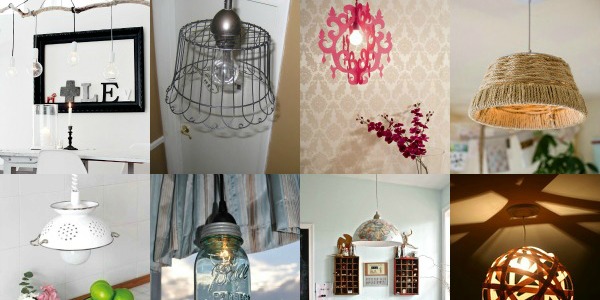
If your room feels flat, boring, or about as exciting as plain oatmeal, a pendant light can fix that fast. The good news: you do not need a designer budget or a dramatic home-renovation montage to get one. DIY pendant lights are one of the smartest ways to add style, personality, and useful overhead lighting without spending a fortune. A little creativity, a few basic supplies, and a healthy respect for electricity can turn everyday objects into statement pieces that look far more expensive than they have any right to.
The beauty of a great DIY pendant light is that it does two jobs at once. It brightens the room and becomes part of the decor. That means your light is not just hanging around doing the bare minimum. It is contributing. It is bringing mood. It is earning its keep.
In this guide, you will find 14 DIY pendant light ideas that range from rustic and coastal to modern and sculptural. Some are true weekend projects. Others are clever shade hacks that transform a basic fixture kit into something custom. Along the way, we will also cover practical tips on sizing, placement, and safety so your finished light looks polished instead of “I made this at 1 a.m. with hot glue and confidence.”
Before You Start: A Few Smart Rules for DIY Pendant Lighting
First, choose your project based on the room. Over a kitchen island or dining table, pendants should give focused light without blocking sightlines. In bedrooms, entryways, and reading corners, they can be softer and more decorative. Material matters too. Woven, fabric, and paper shades create a gentle glow, while metal or open-frame designs throw stronger task lighting.
Second, think about scale. A tiny pendant over a large table looks shy. An oversized shade in a cramped hallway looks like it is trying to dominate the zip code. As a general design rule, pendant lights need to feel proportional to the surface below and the ceiling above. Adjustable cords and chain kits are your best friends here.
Third, be realistic about installation. Some DIY pendant lights are true hardwired fixtures, but many of the easiest and most renter-friendly versions use plug-in kits, battery-operated puck lights, or lightweight shades hung over existing ceiling fixtures. That opens the door for stylish upgrades even if you do not want to mess with wiring.
Finally, let safety be the least glamorous but most important part of the project. Use materials that can handle heat, follow the fixture’s bulb recommendations, and shut off power at the breaker before touching any hardwired setup. If your ceiling box is old, loose, or suspicious in the way only old house wiring can be, call an electrician. Pride is nice. Fire is not.
14 Great DIY Pendant Lights
1. Woven Basket Pendant
A woven basket pendant is the reigning champion of relaxed, high-impact DIY lighting. Flip a shallow basket, cut a center opening, add a pendant kit, and suddenly your room has texture, warmth, and that effortless collected look people pretend just happened naturally. This style works especially well in kitchens, breakfast nooks, and bedrooms where you want a softer glow.
Choose a lightweight basket with an open weave if you want playful shadows on the walls, or go tighter and more structured if you prefer a cleaner look. The finish feels organic, casual, and surprisingly upscale for something that may have started life in the storage aisle.
2. Paper Mâché Globe Pendant
If you love sculptural lighting with a handmade soul, a paper mâché pendant is a fantastic choice. A balloon or round form can become the mold for a textured shade that looks artsy, custom, and slightly European in the best possible way. When painted matte white, it feels modern and calm. With a metallic interior, it becomes moodier and more dramatic.
This idea is perfect for dining spaces, creative studios, or anywhere that could use a statement fixture without the statement-fixture price tag. Just keep the shape slightly imperfect. A little wobble gives it charm. Too perfect, and it loses the handmade magic.
3. Wrapped Paper Shade Pendant
A plain pendant frame or lampshade can be elevated with wrapping paper, wallpaper scraps, or handmade paper. The result is one of the easiest ways to bring color, pattern, or texture into a room without committing to a loud sofa or wallpapering your entire existence. This is a brilliant project for seasonal decorating too, since the outer layer can be swapped later.
Use subtle prints for a polished look, or choose a bold floral or geometric design if you want the light to act as art. In a breakfast area or child’s room, this kind of pendant adds personality without feeling heavy.
4. Rattan Lantern Pendant
Rattan and cane continue to dominate casual interiors because they make a room feel airy, natural, and lived-in. A DIY rattan lantern pendant can be created from a lantern-style shade, a lightweight basket, or even a store-bought decorative cover paired with a pendant cord. The glow tends to be warm and flattering, which is more than some ceiling lights can say for themselves.
This style looks especially good in bedrooms, sunrooms, and entryways. It is also a clever way to get the relaxed coastal or boho vibe without tipping into beach-bar territory.
5. Industrial Wire Cage Pendant
If your taste leans a little more workshop-chic than woven-and-whimsical, a wire cage pendant delivers plenty of attitude. This project often starts with a basic wire basket, metal guard, or open-frame shade that gets paired with a simple socket kit and an exposed bulb. The appeal is in the structure: clean lines, visible hardware, and a no-fuss silhouette.
To keep it stylish rather than harsh, use a warm LED bulb and matte black or antique brass finishes. These pendants are great over a bar, sink, or entry console where you want focused light and a slightly edgy look.
6. Fabric Drum Shade Pendant
A fabric drum pendant is a classic for a reason. It softens the room, diffuses light beautifully, and can be customized in about a million ways. Start with a basic drum frame and cover it with linen, cotton, or even a patterned textile that ties into the rest of the room. Suddenly your ceiling light looks intentional instead of purely functional.
This is one of the best DIY pendant lights for dining rooms and bedrooms because it feels finished and calming. Neutral fabric creates a timeless effect, while stripes or block prints make the fixture more playful.
7. Frosted Globe Hack
Want something modern without needing a machine shop in your garage? Try a frosted globe pendant hack. Start with a globe shade or spherical cover and combine it with a simple pendant kit in brass, black, or brushed nickel. The finished look is clean, minimal, and surprisingly versatile.
Because globe pendants spread light evenly, they work well in hallways, breakfast corners, and small kitchens. They also pair beautifully in multiples. If you want your space to feel more current in a quiet, grown-up way, this is a smart pick.
8. Twine Orb Pendant
The twine orb pendant is one of those projects that keeps showing up because it still works. Wrap jute or cotton twine around a balloon or beach ball form, secure it, let it dry, then install a light kit inside. The finished piece adds texture and a handmade look that feels especially good in casual spaces.
It is a natural fit for patios, sunrooms, playrooms, or eclectic dining spaces. The trick is restraint. Keep the shape neat, the color simple, and the bulb warm. Otherwise, it can drift from “artisan charm” into “summer camp memory.”
9. Wooden Bead Pendant
Wooden beads are no longer limited to farmhouse garlands and overachieving holiday decor. Used on a pendant frame, they create a fixture with texture, movement, and a designer look. You can string the beads in rows over an existing form or use them as decorative trim around a drum or dome structure.
This style works best where the light is part of the room’s personality: a breakfast nook, nursery, or reading area. Natural unfinished beads feel organic and soft, while stained or painted beads lean more modern or playful.
10. Metal Colander Pendant
Yes, the humble kitchen colander can become a pendant light, and yes, it can look fantastic. The perforations let light sparkle through in a way that feels both industrial and quirky. If you paint the colander matte black, crisp white, or a punchy color, it becomes a real conversation piece.
This is a fun fit for kitchens, craft rooms, or a breakfast bar where a bit of humor feels welcome. The best version of this idea keeps the finish simple and the shape clean so it reads as clever design, not random cookware suspended from the ceiling in a moment of chaos.
11. Pleated Shade Pendant
Pleated shades are having a well-deserved comeback, and for good reason. They add softness, vintage charm, and instant coziness. A DIY pleated pendant can be made by repurposing a pleated lampshade, creating a paper fold design, or covering a frame with gathered fabric. The final effect feels warm and tailored at the same time.
This pendant suits bedrooms, breakfast areas, and reading corners especially well. It is one of the few lighting styles that can make a room feel both elegant and approachable, which is basically the interior-design equivalent of being funny and good at taxes.
12. Burlap or Linen Pendant
For rustic, farmhouse, or casual coastal spaces, a burlap or linen pendant offers easy charm. Wrap a simple frame in fabric, leave the edges clean, and let the texture do the talking. Burlap is more rugged and relaxed, while linen gives a lighter, softer finish that works in more styles.
This kind of shade glows beautifully when paired with a warm bulb, making it ideal for dining rooms, bedrooms, and guest rooms. The key is to keep it tailored. Neat seams and a structured frame make all the difference between chic and craft-fair confusion.
13. Geometric Cube Pendant
A geometric cube pendant is perfect for modern spaces that need visual structure. This DIY project often uses wood strips, metal rods, or repurposed lantern frames to create a cubic outline around the bulb. The fixture stays airy because it is more frame than shade, but it still has major presence.
This design is great over kitchen islands, dining tables, or stair landings where you want something architectural. Paint it black for contrast, use natural wood for warmth, or go metallic if you want a little more drama. It is crisp, clean, and just nerdy enough to be cool.
14. Oversized Plug-In Pendant
If you want the wow factor without opening the ceiling, an oversized plug-in pendant is your move. Use a large shade, lantern, or basket with a long cord and ceiling hook to position the light exactly where you want it. This solution is brilliant for renters, awkward corners, or rooms with poor overhead lighting placement.
It works especially well above sofas, side tables, and beds. Done right, it looks intentional and editorial rather than temporary. The secret is choosing a substantial shade and routing the cord neatly so the whole setup looks styled, not improvised.
How to Make DIY Pendant Lights Look More Expensive
The difference between a cheap-looking DIY pendant and a designer-looking one usually comes down to finish, scale, and restraint. First, simplify your materials. Natural textures, matte finishes, soft neutrals, and warm metals tend to look more elevated than loud colors or overly shiny surfaces. Second, upgrade the cord kit if you can. A fabric-covered cord or a quality canopy goes a long way.
Third, pay attention to bulb choice. A beautiful shade with the wrong bulb can make the whole thing feel harsh or underwhelming. Warm LEDs are usually the sweet spot for residential spaces because they provide comfortable light, use less energy, and create less heat than old-school incandescent bulbs. In open or translucent shades, globe bulbs often look more polished than standard pear-shaped ones.
Finally, hang the light thoughtfully. A great pendant in the wrong spot is still wrong. Center it properly, check the drop height from multiple angles, and test the light at night before declaring victory. Your ceiling fixture should look like it belongs there, not like it was caught mid-escape.
Common DIY Pendant Light Mistakes to Avoid
The first mistake is choosing materials that cannot handle heat or are too heavy for the mounting method. Lightweight shades are easier and safer, especially in renter-friendly projects. The second mistake is ignoring bulb recommendations. If the fixture specifies a certain maximum wattage or requires bulbs approved for enclosed fixtures, follow that guidance. Rules are less fun than shopping, but they do keep the house standing.
Another common issue is poor placement. Pendants hung too high lose impact; too low, and they block views or feel intrusive. In multi-pendant layouts, uneven spacing creates a lopsided look. Also, do not forget the room’s purpose. A dining nook can handle moodier, softer light, while a kitchen prep zone needs brighter task lighting.
And then there is the classic DIY trap: overdecorating. Not every pendant needs tassels, fringe, beads, stain, paint, rope, trim, and an emotional support ribbon. Choose one main design idea and let it shine.
Real-Life Experiences With DIY Pendant Lights
One of the best things about DIY pendant lights is how often they solve a real problem, not just a decorating one. In many homes, builder-grade ceiling fixtures are functional but forgettable. They light the room, sure, but with all the charm of a dentist’s waiting area. Swapping one of those for a handmade pendant can completely change how a room feels, even when nothing else in the room changes.
A common experience is using a DIY pendant to define a space in an open floor plan. A breakfast nook can suddenly feel intentional with a woven basket pendant overhead. A reading corner becomes a destination with a plug-in shade hanging over a chair. In small apartments, this is especially valuable. When every square foot has to work hard, lighting can help one room perform like three.
Another real advantage is flexibility. People often start with one idea, then adjust as they live with it. Maybe the first shade looked too small once it was installed. Maybe the original bulb was too cool and made the room feel like a grocery aisle. DIY lighting invites those tweaks. You can repaint the shade, shorten the cord, switch materials, or replace the bulb without starting from scratch. That kind of freedom is a big part of the appeal.
There is also a strong emotional payoff. A good DIY pendant light tends to get noticed. Guests comment on it. Family members ask where it came from. And there is a uniquely satisfying moment when you get to say, “I made it,” while trying to act casual about your brilliance. That moment alone may be worth the hot glue burns and measuring tape drama.
Of course, the learning curve is real. Many people discover quickly that scale is trickier than it looks online. What feels oversized in a shopping cart may look tiny once it is hanging over a six-foot table. Others learn that texture behaves differently in daylight versus evening light. A woven shade that looks breezy at noon may cast dramatic shadows at night. Those are not failures, though. They are part of the process, and they usually lead to better choices the next time around.
DIY pendant projects are also memorable because they often use unexpected materials. A basket from a thrift store, a paper shade from a craft bin, an old colander, leftover wallpaper, scrap wood, a lantern that was never quite right outdoors; all of those items can get a second life overhead. That repurposing element makes the project feel creative in a deeper way. It is not just about saving money. It is about seeing ordinary objects differently.
For renters, the experience can be even more rewarding. Plug-in pendants and lightweight shade hacks offer a way to personalize a space that does not belong to you permanently. That matters. Temporary homes still deserve beauty. And because many renter-friendly lighting ideas are removable, you can take them with you to the next place instead of starting over every time you move.
What people often remember most, though, is the mood shift. A harsh overhead fixture tends to flatten a room. A thoughtfully made pendant light changes the atmosphere. It can make dinner feel cozier, mornings feel calmer, and quiet evenings feel more intentional. That is a pretty impressive return from one project hanging on a cord from the ceiling.
Conclusion
The best DIY pendant lights do more than brighten a room. They add texture, shape, personality, and a sense that the space was put together by someone who actually lives there rather than by a catalog robot. Whether you go for a woven basket, a paper mâché globe, a fabric drum shade, or a dramatic oversized plug-in pendant, the goal is the same: create lighting that feels useful, beautiful, and unmistakably yours.
Start with the room’s needs, choose materials that fit the mood, and pay close attention to scale and safety. When you do that, even a simple DIY pendant can punch way above its price tag. And that is the sweet spot of great home design: practical enough to live with, stylish enough to admire, and clever enough to make people ask where you found it.














