
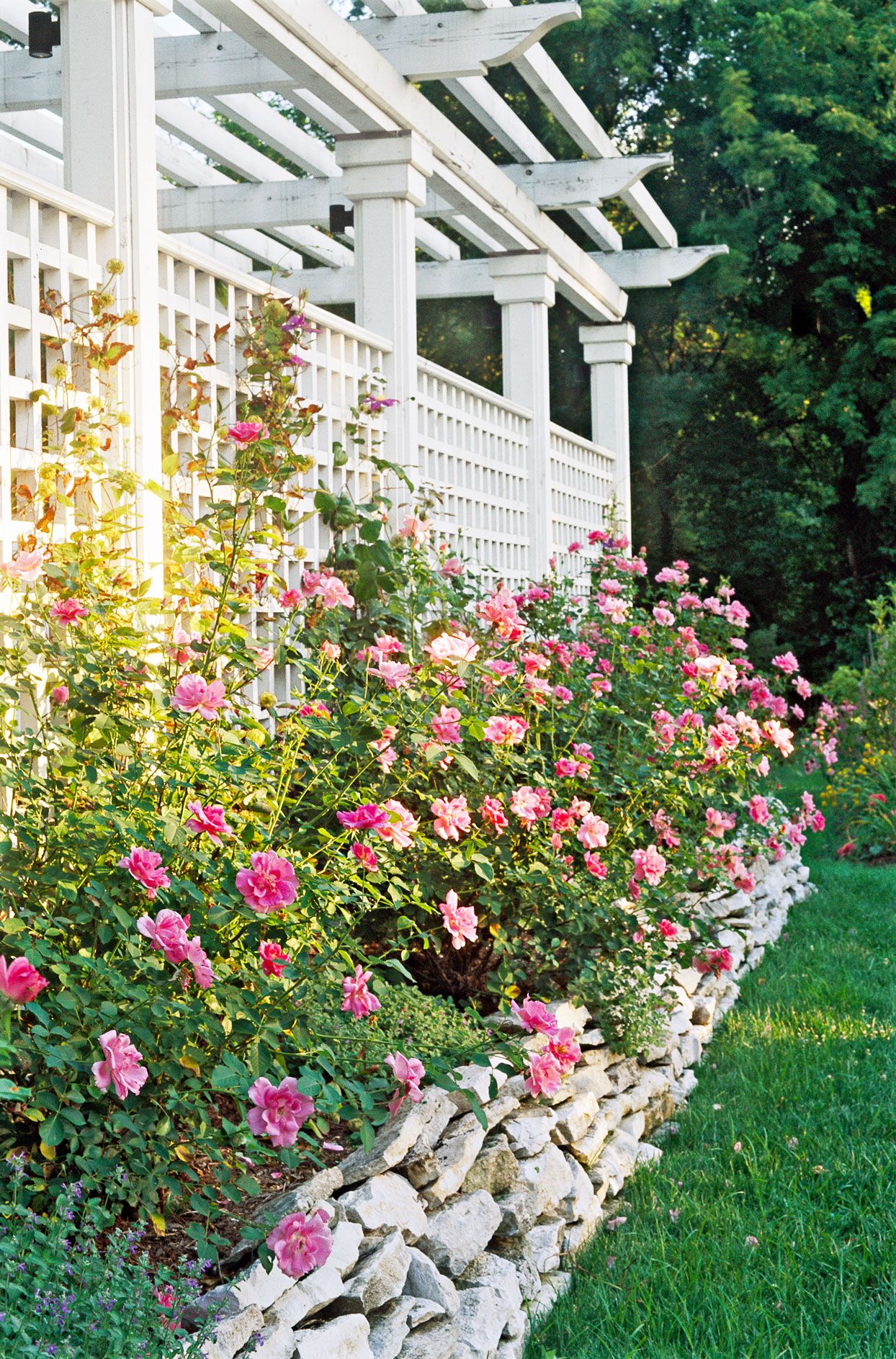
Want more privacy in your yard without building a fortress worthy of medieval tax collection? A trellis may be the friendly middle ground. It gives you screening, structure, greenery, shade, and style while still letting light and air move through your outdoor space. Whether you have a wide backyard, a narrow side yard, a patio, a deck, or a neighbor’s window that seems a little too enthusiastic, the right trellis can create a private retreat without making your yard feel boxed in.
The best trellis ideas combine three things: a strong structure, the right location, and plants that match your climate and maintenance style. Some trellises work as instant privacy screens. Others become lush living walls over a season or two. A few do both, which is basically the gardening version of getting guacamole included for free.
Below are 18 practical, attractive, and flexible trellis ideas to add privacy to your yard, plus design tips, plant suggestions, and real-world experience to help you choose the right option.
Why Use a Trellis for Backyard Privacy?
A trellis is more than a plant ladder. It can divide outdoor rooms, hide unattractive views, soften fences, support flowering vines, and make small spaces feel taller and greener. Unlike a solid wall, a garden trellis privacy screen can filter views without blocking every breeze or turning your patio into a plywood bunker.
Trellises are especially useful when you want privacy in a targeted area, such as around a dining table, hot tub, porch, balcony, fire pit, or garden bench. They also work well where full fencing is too expensive, too permanent, or restricted by local rules. Before building, check property lines, HOA guidelines, and local height regulations. Your dream privacy trellis should not accidentally become a neighborhood drama series.
18 Trellis Ideas to Add Privacy to Your Yard
1. Classic Lattice Trellis Panels
Lattice panels are a timeless choice for yard privacy because they are affordable, easy to find, and simple to customize. Their crisscross pattern supports climbing plants while still allowing light through. Use one panel to screen a small seating nook or install several panels in a row for a longer backyard privacy trellis.
Paint lattice white for a cottage look, stain it dark for modern contrast, or match it to your fence for a seamless design. For faster privacy, plant clematis, star jasmine, coral honeysuckle, or climbing roses at the base.
2. Freestanding Wood Trellis Screen
A freestanding wood trellis gives you privacy exactly where you need it. Place it behind a patio sofa, beside a grill station, or between your deck and a neighboring house. Because it does not need to attach to a wall, it is ideal for renters or homeowners who want flexibility.
Use cedar, redwood, or pressure-treated lumber for better outdoor durability. Anchor the posts securely, especially if the trellis is tall or located in a windy area. A privacy screen looks charming until it tries to migrate across the lawn during a thunderstorm.
3. Trellis Planter Box Combo
A trellis planter box combines structure and soil in one tidy package. This is one of the best trellis ideas for patios, decks, balconies, and paved courtyards where you cannot plant directly in the ground. The planter adds weight and stability, while the trellis supports vines, tall annuals, or even ornamental grasses.
For a polished look, repeat the same planter-trellis unit two or three times along the edge of a seating area. Grow mandevilla, black-eyed Susan vine, sweet peas, pole beans, or compact climbing roses depending on your sun exposure.
4. Modern Horizontal Slat Trellis
If classic lattice feels too traditional, try a horizontal slat trellis. Thin wood boards arranged with even spacing create a clean, modern privacy screen. The gaps keep the structure airy while still interrupting direct sightlines.
This style pairs beautifully with contemporary patios, gravel gardens, concrete pavers, and minimalist outdoor furniture. For greenery, train star jasmine, climbing hydrangea, or evergreen vines through the slats. You can also leave the trellis bare for an architectural privacy screen that looks intentional year-round.
5. Arched Trellis Entryway
An arched trellis adds privacy and drama at the same time. Use it as an entrance to a garden path, side yard, vegetable garden, or tucked-away seating area. The curved top creates a sense of arrival and makes even a small yard feel more designed.
Grow climbing roses, honeysuckle, clematis, or grapevines over the arch for a romantic effect. If you want a more formal look, place matching shrubs or containers on both sides. Suddenly, walking to the compost bin feels like entering a secret garden instead of visiting yesterday’s salad scraps.
6. Tall Trellis Along a Fence
If your existing fence is too short or too plain, a trellis topper can add height and visual softness. Attach trellis panels above or in front of the fence to create extra privacy without replacing the whole structure. This is useful when you need to block a second-story view or soften a bare stretch of wood or vinyl fencing.
Choose vines carefully. Some aggressive climbers can overwhelm lightweight structures or damage surfaces if not maintained. A sturdy fence can handle heavier vines, while a delicate decorative trellis is better suited for lighter climbers.
7. Wire Grid Trellis for a Clean Garden Wall
A wire grid trellis is practical, strong, and almost invisible once plants fill in. Use cattle panels, welded wire mesh, or galvanized fencing attached to sturdy posts. This option works especially well in vegetable gardens and modern landscapes.
For edible privacy, grow cucumbers, pole beans, peas, grapes, or small melons with support. In ornamental beds, try clematis, annual vines, or native honeysuckle. Wire grid trellises are excellent for gardeners who want privacy and productivity in the same square footage.
8. Pergola With Trellis Sides
A pergola defines an outdoor room, but adding trellis panels to one or more sides makes it feel more secluded. This is perfect for dining areas, lounge zones, outdoor kitchens, and hot tubs. The overhead beams provide partial shade, while the trellis sides block unwanted views.
Train vines up the posts and across the top for a living canopy. Just be realistic about plant weight. Wisteria and mature grapevines need serious support, while lighter annual vines are easier to manage on smaller structures.
9. Bamboo Trellis Screen
Bamboo canes create a relaxed, natural trellis that suits tropical, coastal, bohemian, and cottage-style yards. Tie bamboo poles together vertically, horizontally, or in a fan shape. You can also use bamboo fencing as a quick screen and add climbing plants for softness.
This budget-friendly idea works well for seasonal privacy. Because bamboo materials can weather over time, they may need replacement sooner than cedar, metal, or composite options. Still, for a weekend project with instant charm, bamboo deserves a gold star and maybe a lemonade break.
10. Metal Trellis Panels
Metal trellis panels offer durability and a crisp design. They can be made from steel, aluminum, iron, or powder-coated metal. Decorative metal panels also serve as privacy screens even before plants grow in, making them useful for homeowners who do not want to wait an entire season for coverage.
Use metal panels near patios, walkways, raised beds, or pool areas. Dark metal creates a bold backdrop for green foliage, while lighter finishes feel more subtle. Make sure the material is rated for outdoor use to reduce rust and maintenance.
11. Obelisk Trellis Cluster
An obelisk trellis is a tall, narrow structure that adds height without taking much ground space. One obelisk makes a focal point; several grouped together can create a semi-private garden divider. This approach is excellent for small yards where a full screen would feel too heavy.
Plant each obelisk with a different climber for a layered effect. For example, combine clematis, scarlet runner bean, and black-eyed Susan vine. You get flowers, foliage, movement, and enough privacy to enjoy your coffee without making eye contact with the recycling bins.
12. Trellis Around a Deck Railing
Decks often need privacy because they sit higher than the yard. Adding trellis panels to a railing can block views from neighbors, streets, or nearby windows. It can also reduce wind and make the deck feel more like an outdoor room.
Keep safety in mind. Any trellis attached to a deck should not weaken the railing or create a climbing hazard for children. Use secure fasteners, leave enough airflow, and choose plants that will not become too heavy for the structure.
13. Living Wall Trellis With Evergreen Vines
If you want year-round privacy, choose evergreen or semi-evergreen climbers suited to your region. Star jasmine, Carolina jessamine, evergreen clematis, and some honeysuckles can provide coverage beyond the summer season in appropriate climates.
A living wall trellis works well along patios, side yards, and property edges. The key is patience. Evergreen vines may take time to fill in, but once established, they can offer a softer and more natural privacy solution than a solid fence.
14. Raised Bed Trellis Privacy Screen
A raised bed with a tall trellis can screen a vegetable garden, patio, or walkway while producing food. Install the trellis along the back or north side of the bed so it does not shade sun-loving crops unnecessarily. This setup is great for cucumbers, pole beans, peas, tomatoes, squash, and edible flowers.
Use strong posts and mesh if you plan to grow heavy crops. A cucumber vine is polite. A mature squash vine can behave like it has gym membership goals.
15. Fan Trellis Against a Wall
A fan trellis mounted against a wall, shed, or fence adds privacy and decoration in tight spaces. Its narrow base and wider top create an elegant shape that works well with climbing roses, clematis, or jasmine.
This idea is especially helpful when you want to dress up a blank wall without installing a large structure. Leave a little space between the trellis and the wall to improve airflow and make pruning easier.
16. Privacy Trellis for an Outdoor Shower
An outdoor shower needs privacy, but it also needs drainage, airflow, and materials that can handle moisture. Trellis panels are a smart solution because they screen the area without trapping steam or mildew. Use cedar, teak, composite, vinyl, or powder-coated metal for better durability.
Add fast-growing vines outside the wettest zone, or use potted plants nearby for a lush spa feeling. The result can feel resort-like, even if the “resort” is five steps from your garden hose.
17. Movable Trellis Screens on Wheels
Portable trellis screens are ideal when your privacy needs change throughout the day. Add casters to planter boxes or build lightweight framed trellis panels that can be moved around a patio. Use them to block afternoon sun, screen a dinner table, or create a temporary backdrop for gatherings.
For safety, use locking wheels and avoid top-heavy designs. Portable screens are best for sheltered patios and decks rather than exposed, windy corners of the yard.
18. Mixed-Material Trellis With Plants and Panels
Some of the most attractive privacy trellis ideas combine materials. Pair wood posts with metal mesh, lattice with planter boxes, stone walls with trellis toppers, or slatted screens with climbing vines. Mixed materials make a privacy screen feel more custom and less like something grabbed in panic from the garden center at 7:58 p.m.
This approach also lets you control how much privacy you get. Use denser panels at eye level, open trellis above, and layered plants in front. The result feels private, but not closed in.
Best Plants for a Privacy Trellis
The best plant depends on your climate, sun exposure, soil, and how quickly you want coverage. For sunny spaces, consider climbing roses, mandevilla, star jasmine, trumpet honeysuckle, morning glory, black-eyed Susan vine, or grapevines. For partial shade, clematis and climbing hydrangea may work well depending on your region. For edible privacy, try pole beans, peas, cucumbers, grapes, or scarlet runner beans.
Always check whether a vine is invasive in your area before planting. Some vines are beautiful but ambitious, which is a polite gardening word for “may attempt world domination.” Choose native or well-behaved climbers when possible, and match the mature size of the plant to the strength of the trellis.
How to Choose the Right Trellis for Privacy
Think About Height and Sightlines
Before buying or building, sit where you want privacy and look toward the problem view. You may not need a full wall. Sometimes a six-foot trellis placed in exactly the right spot works better than screening the entire yard.
Match the Trellis to the Plant
Light annual vines can grow on bamboo, twine, or slim lattice. Heavy perennial vines need strong posts, wire, metal, or well-built wood frames. If the plant will become woody over time, build stronger than you think you need.
Consider Maintenance
A privacy trellis is not a “set it and forget it” feature. Vines need watering, pruning, training, and occasional cleanup. If you prefer low-maintenance landscaping, choose slower-growing plants or decorative panels that provide privacy even without full plant coverage.
Plan for Airflow and Light
Privacy is good. A damp, dark corner with unhappy plants is not. Leave enough airflow around trellises, especially near walls and fences. This helps reduce disease problems and keeps outdoor spaces more comfortable.
Common Mistakes to Avoid
One common mistake is choosing a trellis that is too flimsy for the plant. Another is planting vines too close to siding, gutters, roofs, or vents. Clinging vines can move into places where they are not invited, and unlike polite dinner guests, they do not always leave when asked.
Also avoid placing a solid-looking privacy screen where it blocks necessary sunlight for nearby plants. If you garden in a small yard, use open lattice, wire mesh, or slatted panels to preserve brightness. Finally, do not forget access. You need room to prune, tie vines, clean leaves, and repair the structure if needed.
Real-Life Experience: What Actually Works With Privacy Trellises
After working with yard privacy ideas in different types of outdoor spaces, one lesson stands out: placement matters more than size. Many homeowners assume they need to screen the entire property line, but the real issue is usually one specific view. Maybe it is the neighbor’s upstairs window, the street-facing side of a patio, or the awkward angle where your outdoor dining table lines up perfectly with someone else’s kitchen sink. A single well-placed trellis can solve that problem without making the whole yard feel smaller.
Another practical lesson is that instant privacy and living privacy are not the same thing. A decorative metal panel, wood slat screen, or lattice fence gives immediate coverage. A vine-covered trellis gives softer, greener privacy, but it takes time. If you are hosting a backyard party next weekend, do not rely on baby clematis to perform a miracle. Use a trellis panel, tall containers, outdoor curtains, or potted shrubs for immediate screening, then let vines improve the look over time.
Planter box trellises are especially useful in real life because they are flexible. They work on decks, patios, balconies, rental properties, and paved spaces where digging post holes is not an option. The trick is to make the planter heavy enough to resist wind. Use a deep container, quality potting mix, and a stable frame. If the screen is tall, consider adding hidden weights or securing it to a nearby railing or wall. A beautiful trellis that tips over every time the weather gets dramatic is not privacy; it is yard slapstick.
Plant choice also makes a huge difference. Fast-growing annual vines are great when you want seasonal coverage and color. They are affordable, cheerful, and easy to change each year. Perennial vines are better for long-term privacy, but they require more commitment. Some need pruning every year. Some become woody and heavy. Some look innocent at the nursery and then spend the next five years auditioning for a jungle documentary. Before planting, research mature size, pruning needs, and whether the vine is considered invasive in your region.
In smaller yards, a partial screen often feels better than a complete enclosure. Open trellis designs create privacy while preserving light, airflow, and the feeling of space. A slatted trellis beside a seating area, an arch at the entrance to a garden path, or a narrow obelisk near a bench can make the yard feel layered and intentional. You are not just hiding from the world; you are shaping the view.
Finally, the best privacy trellis looks like it belongs to the yard. Repeat materials from your fence, deck, furniture, or raised beds. Match the paint color to trim or outdoor accents. Add plants at the base so the structure feels grounded. When a trellis is integrated into the landscape, it stops looking like a privacy emergency and starts looking like design. That is the sweet spot: more privacy, more beauty, and fewer awkward waves over the fence.
Conclusion
Trellises are one of the smartest ways to add privacy to your yard without sacrificing charm, sunlight, or growing space. From classic lattice panels and planter box trellises to modern slat screens, pergola sides, wire grids, and vine-covered arches, there is a privacy trellis idea for nearly every outdoor space.
The secret is to choose a design that matches your yard’s style, your maintenance habits, and the plants you want to grow. Build sturdy, plan for mature growth, and use greenery to soften hard edges. With the right trellis, your yard can feel more private, more beautiful, and much more invitingwithout building a wall that says, “I have joined a secret society.”














