The most memorable My 600-lb Life transformations are not simply stories about shrinking numbers on a scale. They are stories about people reclaiming mobility, rebuilding relationships, confronting trauma, and discovering ordinary freedoms that once seemed impossible. These 25 before-and-after journeys reveal what can happen when medical treatment, persistence, therapy, and daily lifestyle changes finally begin working together.
Why These My 600-Lb Life Transformations Are So Powerful
Since its 2012 debut, My 600-lb Life has followed people living with severe obesity as they seek treatment from Houston bariatric surgeon Dr. Younan Nowzaradan, better known to viewers as Dr. Now. Each episode may be packaged as television, but the obstacles are painfully real: limited mobility, chronic illness, food addiction, family conflict, depression, anxiety, and years of unresolved trauma.
The “after” photo can look like the grand finale, complete with better-fitting clothes and a confident smile. In reality, it is usually another checkpoint. Bariatric surgery can be an effective treatment for severe obesity, but it is not a fairy godmother carrying a protein shake. Long-term success may also require nutritional monitoring, physical rehabilitation, behavioral changes, mental health support, and regular medical follow-up.
That is why the best transformations are not always the ones with the largest numerical loss. Sometimes the real victory is standing without assistance, driving a car, returning to work, traveling, becoming a parent, or walking through a grocery store without needing a motorized cart.
25 Remarkable My 600-Lb Life Before-and-After Stories
1. Melissa Morris
Melissa Morris became the show’s first featured participant after beginning her journey at approximately 653 pounds. Following bariatric surgery and years of continued effort, she reached about 157 pounds. Her transformation also helped her pursue a dream that once seemed unreachable: becoming a mother. She later welcomed three children, making her “after” story about considerably more than a smaller dress size.
2. Zsalynn Whitworth
Zsalynn entered the program weighing close to 600 pounds while living in a marriage that did not support her health goals. After weight-loss surgery and excess-skin procedures, she reached roughly 250 pounds. Her before-and-after pictures document a physical transformation, but her decision to leave an unsupportive relationship may have been an equally important act of self-preservation.
3. Christina Phillips
At 22, Christina weighed more than 700 pounds and had reportedly remained inside her home for two years. She eventually lost approximately 540 pounds and reached the 180-pound range. Her later photos are striking, but the most meaningful change was independence: getting out of bed, leaving home, raising children, and participating in everyday life without feeling physically trapped.
4. Paula Jones
Paula was a widowed mother of four when she sought help. She ultimately lost more than 400 pounds through gastric bypass surgery, lifestyle changes, and later skin-removal procedures. Her transformation allowed her to become more active with her family. Years later, she continued celebrating her progress with the confidence of someone who had earned every single victory lap.
5. Amber Rachdi
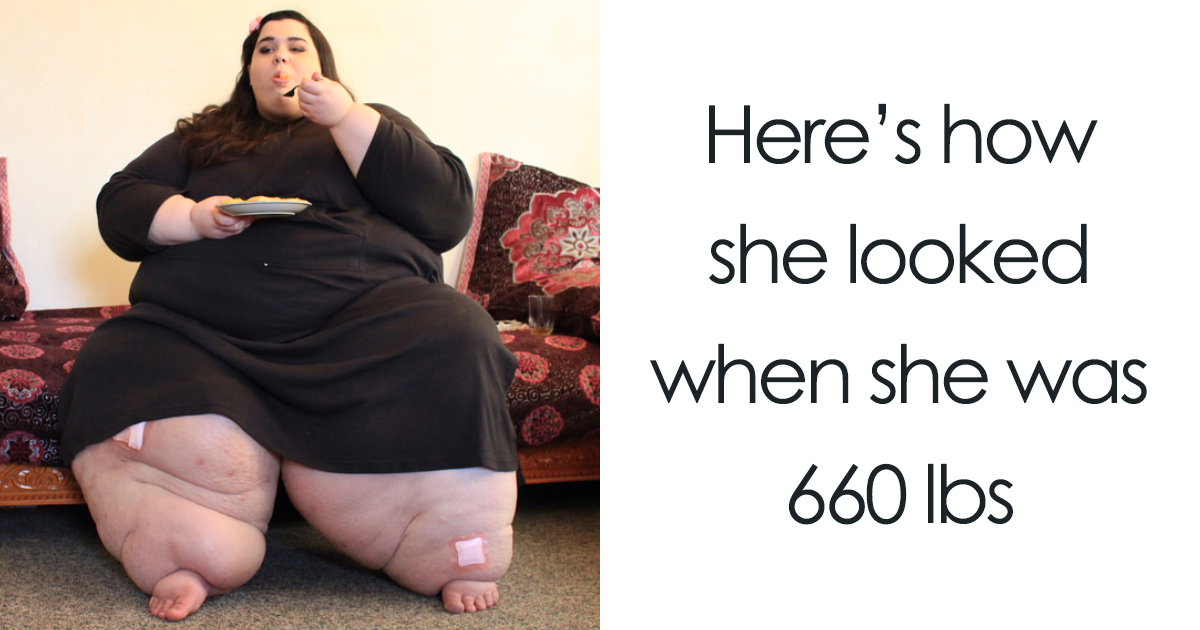
Amber was 22 and weighed around 660 pounds during their appearance on the series. After surgery and extensive lifestyle changes, they lost nearly 400 pounds during the best-known phase of the journey, with later updates reporting even greater total progress. Amber’s stylish after photos became internet favorites, although they have repeatedly emphasized that their identity should not be reduced to pounds lost.
6. Joe Wexler
Joe’s journey began at 777 pounds. During his time in the program, he reached approximately 304 pounds, producing one of the show’s most dramatic numerical transformations. More importantly, he regained enough independence to build relationships, work toward emotional healing, and imagine a future that was no longer controlled entirely by food and limited mobility.
7. Nikki Webster
Nikki weighed about 649 pounds when her health and mobility began interfering with nearly every area of her life. Over the following two years, she lost approximately 450 pounds. Her after photos show a dramatic physical change, but Nikki has spoken candidly about the less glamorous challenge of consistency. The surgery was a tool; maintaining new habits became the full-time job.
8. Chad Dean
Chad went from approximately 701 pounds to 295 pounds after surgery and sustained lifestyle changes. He described the mental adjustment as particularly difficult because his self-image did not immediately catch up with his physical progress. Even after fitting into chairs and smaller vehicles, part of his mind still expected the old limitations. The mirror changed faster than the internal monologue.
9. Doug Armstrong
Doug began near 700 pounds and later reported reaching 385 pounds, a total reduction of approximately 315 pounds. His transformation unfolded over many years rather than one television episode. As a father of five, he framed maintenance as an ongoing commitment, not a completed project with a trophy, confetti cannon, and permanent immunity from difficult days.
10. Alicia Kirgan
Alicia reduced her weight from approximately 622 pounds to 256 pounds, losing about 366 pounds. She said the lower number was one she had not seen since middle school. Her life after the show included moving to Oregon and welcoming a daughteran especially meaningful milestone because she had previously believed that motherhood might never be possible.
11. Octavia Nichelle
Octavia was largely bedbound before beginning treatment. She later lost more than 230 pounds and regained significant mobility. Her transformation continued outside the clinic: at 48, she earned her high school diploma after carrying years of shame about leaving school. That achievement is a useful reminder that rebuilding one part of life can create momentum in places that have nothing to do with a scale.
12. Brianne Dias
Brianne lost nearly 400 pounds, creating one of the series’ most recognizable before-and-after comparisons. Her progress was not smooth or risk-free. She experienced dangerous blood clots following skin-removal surgery and also endured major changes in her personal life. She later remarried and became a mother, illustrating how transformation can include both medical complications and joyful new beginnings.
13. Justin McSwain
Justin weighed approximately 687 pounds and struggled with severe anxiety and agoraphobia. After surgery, therapy, and sustained behavioral work, he lost more than 450 pounds. He progressed from avoiding the outside world to hiking, traveling, and speaking publicly about bariatric treatment. His journey makes a compelling case that mental health care is not an optional side dish.
14. Brandon Scott
Brandon lost approximately 400 pounds while also rebuilding his relationship with his girlfriend, Taylor. He eventually proposed, and the couple later married. A musician, Brandon continued sharing songs and health updates after the show. In his case, the after photo represents more than mobility; it shows a person able to pursue creativity, partnership, and plans extending beyond the next medical appointment.
15. Lonnie Hambrick
Lonnie appeared alongside his brother John and lost approximately 245 pounds during his first year. Subsequent updates showed that his progress continued well beyond filming. His photos reveal not only a smaller body but an increasingly expressive personal styleperhaps unsurprising for a professional hairstylist who already understood the transformational power of a good presentation.
16. Shantel Oglesby
Shantel entered the program at approximately 640 pounds and lost around 215 pounds during filming, reaching the mid-400s. She later built businesses connected to beauty and women’s self-defense. Her story is particularly valuable because it does not pretend the journey ended with one dramatic reveal. She has described it as continuing work, which is far more realistic than a tidy television ending.
17. Tammy Patton
Tammy once weighed approximately 594 pounds and continued reporting progress after her season ended. She described weight management as a marathon rather than a sprint, a phrase that may be familiar but remains accurate. Her updates focus on incremental goals, reminding viewers that a smaller monthly victory can be more sustainable than expecting a Hollywood montage to solve everything before the commercial break.
18. Wess Schulze
Wess has reported losing more than 400 pounds since appearing on the show. He has also celebrated non-scale victories such as moving from a size 10XL to 4XL, fitting behind a steering wheel, and getting a pedicure. Those moments may sound ordinary, but ordinary freedom is precisely what severe obesity had taken away.
19. Mark Rutland
Mark began at approximately 715 pounds. Although Dr. Now approved him for surgery, Mark declined it and pursued weight loss through dietary and behavioral changes. A later update showed him around 388 pounds. His route was unusual for the series and should not be treated as a universal blueprint, but his progress demonstrated a strong commitment to the approach he selected with medical supervision.
20. Marla McCants
Marla weighed approximately 800 pounds when viewers first met her. In later interviews, she reported losing about 560 pounds over two years. Her transformation was especially dramatic because she had initially been unable to stand. She later became a motivational speaker, shifting from being confined by her condition to addressing audiences about perseverance and personal responsibility.
21. Brittani Fulfer
Brittani entered the program at approximately 605 pounds and lost more than 200 pounds during the initial documented phase after gastric bypass surgery. Follow-up images showed continued physical progress and a far more confident presence. She has also discussed depression, proving that a dramatic external transformation does not automatically erase every internal struggle.
22. Cillas Givens
Cillas began at approximately 729 pounds and reached around 341 pounds during his documented journey. Before treatment, he depended heavily on oxygen and spent much of his time in bed. His after photos capture improved mobility, but his return to employment and ability to participate more fully in family life provide a better measure of what changed.
23. Diana Bunch
Diana began around 600 pounds and lost approximately 225 pounds during her initial episode, with later follow-ups documenting continued progress. Her treatment also included confronting childhood trauma that had influenced her relationship with food. The physical difference is easy to see; the harder achievement was learning to feel safe without using her body as emotional armor.
24. Milla Clark
Milla began her journey at approximately 751 pounds after spending years largely confined to a bed. Her follow-up covered three years, multiple operations, lymphedema treatment, and the slow return of independent movement. Seeing her stand and walk became one of the franchise’s most emotional milestones because the transformation restored an ability many people rarely have to think about.
25. Lacey Hodder
Lacey weighed approximately 653 pounds when she pursued surgery after years of binge eating and debilitating pain. Her treatment required changes to both her diet and the emotional patterns attached to eating. TLC’s later transformation images showed a visibly changed Lacey, but her willingness to keep discussing weight management as lifelong work may be the more honest “after.”
What the Before-and-After Pictures Do Not Show
A side-by-side photo compresses months or years into two rectangles. The left side becomes “before,” the right side becomes “after,” and everything between them disappears: hospital stays, stalled progress, painful physical therapy, nutritional deficiencies, counseling appointments, relationship changes, loose skin, grief, and the fear of regaining weight.
Metabolic and bariatric surgery changes the digestive system in ways that can reduce hunger, increase fullness, and support substantial weight loss. However, patients may still require lifelong vitamin supplementation, laboratory testing, nutritional support, exercise plans, and mental health care. Complications are possible, and not every participant experiences the same outcome.
The show also demonstrates how a person’s environment can either support recovery or quietly sabotage it. Family members may be caregivers, meal providers, romantic partners, or emotional anchors. When one person changes, the entire household may be forced to reconsider routines that have existed for years. That can create encouragement, conflict, or an awkward mixture of both.
A Better Way to Experience These Transformation Stories
The first experience many viewers have with a My 600-lb Life transformation is visual. We see an older image, swipe to the next one, and experience an immediate jolt of surprise. That reaction is understandable. Losing hundreds of pounds changes facial features, posture, clothing, movement, and even the way someone occupies a room. Yet stopping at “Wow, they look different” misses most of the story.
A more meaningful viewing experience begins by looking for changes in function. Can the person stand without assistance? Can they drive, shower independently, sleep in a bed, visit a park, or sit comfortably in a restaurant booth? These moments may receive less attention than the final weigh-in, but they often reveal the greatest improvement in quality of life. A trip to the grocery store can be as significant as a glamorous portrait when someone previously could not leave home.
It also helps to notice how often progress begins before surgery. Participants may be asked to change their eating patterns, attend therapy, demonstrate weight loss, improve mobility, or relocate closer to medical care. These requirements are not simply hoops placed in front of them for television suspense. They help determine whether someone can safely undergo a major operation and follow the demanding routine afterward.
Another important experience is recognizing the emotional lag. A person can lose 300 pounds and still feel as though they occupy their former body. They may avoid chairs, mirrors, photographs, crowds, or romantic relationships because their expectations were trained by years of embarrassment and physical restriction. Confidence rarely arrives in the same delivery truck as the smaller clothes.
Viewers should also resist turning setbacks into character verdicts. Obesity is a complex chronic disease influenced by biological, psychological, environmental, and social factors. Regaining weight does not prove that someone is lazy, dishonest, or ungrateful. It shows that long-term disease management is difficult. The appropriate response is not online humiliation; it is renewed treatment, accountability, and support.
Humor can still have a place, especially because Dr. Now’s famously dry delivery has produced plenty of memorable television. The safest target, however, is the situation rather than the patient. A joke about the show’s dramatic music or an unexpectedly blunt appointment can be funny. Mocking someone’s body, mobility, trauma, or hygiene simply recycles the stigma that often made seeking help harder in the first place.
Finally, use the pictures as an invitation to think beyond appearance. The strongest after photo may be the one showing someone holding a child, standing at work, boarding an airplane, wearing a seat belt, or smiling beside family members. A lower number can improve health, but a fuller life is the real headline.
Conclusion
These 25 My 600-lb Life before-and-after transformations are visually astonishing, but the photographs are only the cover of each story. Behind them are years of medical care, difficult conversations, repeated choices, frightening setbacks, and ordinary habits performed when no camera was present.
The most inspiring participants did not merely become smaller. They became more mobile, independent, connected, and hopeful. Their journeys also show that bariatric surgery is neither an effortless shortcut nor a guaranteed ending. It is one potentially powerful tool within a much larger, lifelong treatment plan.
So admire the transformation pictures, absolutely. Just remember that the scale is a terrible biographer. It can report what someone weighs, but it cannot measure the courage required to get out of bed, ask for help, face old trauma, and begin again after a difficult day.