
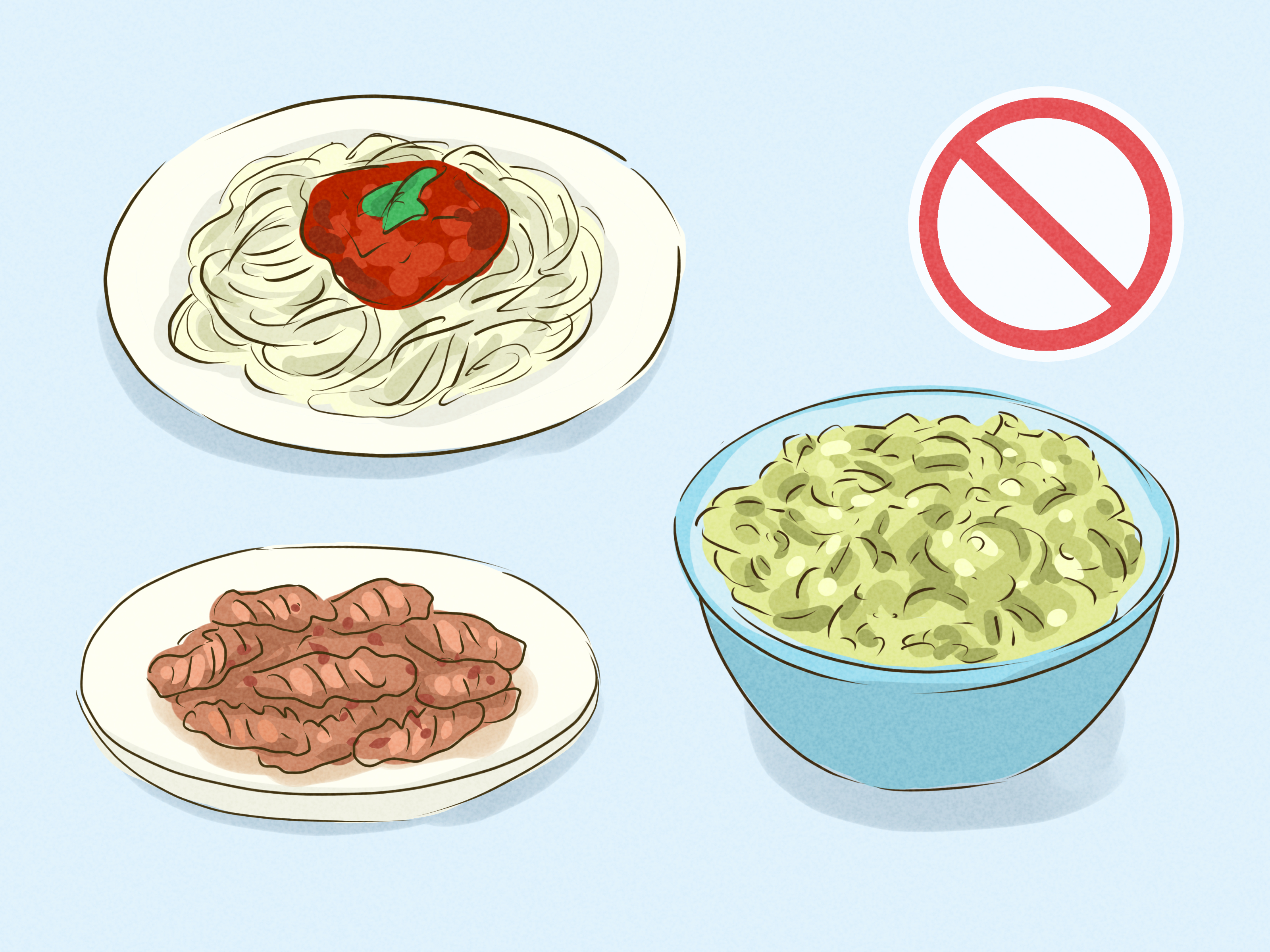
A tooth extraction can turn an ordinary meal into a surprisingly complicated engineering project. Suddenly, crunchy toast looks dangerous, soup seems suspiciously hot, and the straw beside your drink feels like it has been placed there by a cartoon villain.
Fortunately, eating after a tooth extraction does not have to mean surviving on plain pudding for a week. The goal is to protect the extraction site, preserve the blood clot that supports healing, stay hydrated, and give your body enough protein and calories to repair tissue. That blood clot deserves special treatment because losing it too early can expose underlying bone and nerves, causing a painful complication known as dry socket.
The following three approaches make post-extraction eating easier without turning recovery into a flavor-free punishment. Your dentist’s specific instructions should always come first, especially after surgical or wisdom tooth removal.
Why Eating Carefully Matters After an Extraction
After a tooth is removed, an open socket remains in the gum and jawbone. A blood clot normally forms inside this socket, acting like a temporary protective cover while new tissue begins developing underneath it. Strong suction, vigorous rinsing, smoking, sharp food particles, and aggressive chewing can interfere with this early healing process.
For that reason, post-extraction meals should initially be soft, smooth, cool or lukewarm, and easy to swallow. You should also chew away from the extraction site whenever possible. MedlinePlus and Penn Medicine recommend soft options such as yogurt, mashed potatoes, soup, avocado, and bananas while avoiding hard or crunchy foods during early recovery.
1. Begin With Cool, Spoonable Foods
The easiest way to eat immediately after a tooth extraction is to choose foods that require almost no chewing. Think “spoonable,” not “steakhouse.” Smooth foods reduce mechanical pressure on the socket and are less likely to leave irritating crumbs behind.
Wait Until It Is Safe to Eat
Follow the timing instructions given by your dentist or oral surgeon. Some postoperative instructions advise avoiding food and drink during the first hour after surgery. You should also be careful while your mouth is numb because it is surprisingly easy to bite your cheek, lip, or tongue without realizing it.
Once you have been cleared to eat, start with a small portion. There is no prize for completing a three-course meal before the anesthetic fully wears off.
Good Foods for the First 24 Hours
Suitable choices may include:
- Plain or Greek yogurt without seeds, granola, or crunchy toppings
- Applesauce or smooth fruit purée
- Pudding, custard, or gelatin
- Mashed banana or avocado
- Smooth mashed potatoes
- Lukewarm broth or completely blended soup
- Soft ice cream or frozen yogurt without nuts, candy, or cookie pieces
- A smooth nutritional shake consumed from a cup
Cool foods may feel soothing, but avoid anything so frozen that it causes sensitivity. Soup should be cool or lukewarm rather than steaming hot. Excessively hot foods and drinks may increase discomfort and can encourage renewed bleeding during the first day. University of Rochester postoperative guidance recommends soft, cool foods and advises avoiding excessively hot items during the first 24 hours.
Drink From a Cup, Not a Straw
Hydration matters, especially if you received sedation or are taking medication that causes dry mouth. Sip water directly from a cup or bottle without creating strong suction. Do not use a straw for at least the period specified by your dental provider. Many medical and dental instructions recommend avoiding straws for at least 24 hours because suction can disturb the socket’s blood clot.
A smoothie is acceptable only when it is smooth, seedless, and eaten with a spoon or gently sipped from a cup. Using a straw transforms an otherwise sensible smoothie into a poor recovery choice.
2. Turn Soft Foods Into Balanced Meals
By the second day, many people can move beyond liquids and purées, provided bleeding is controlled and chewing does not increase pain. The key is not merely eating soft food; it is eating soft food that provides useful nutrition.
A week consisting entirely of ice cream may sound like childhood wish fulfillment, but healing tissue needs protein, vitamins, minerals, fluids, and adequate calories. Build each meal around one soft source of protein, then add a smooth carbohydrate, fruit, or cooked vegetable.
Choose Gentle Protein Sources
Protein supports tissue repair and can make soft meals more satisfying. Easy options include:
- Soft scrambled eggs
- Cottage cheese or ricotta
- Greek yogurt
- Silken or soft tofu
- Flaky, tender fish
- Well-cooked beans mashed until smooth
- Finely shredded chicken mixed with broth or gravy, when comfortable
- Protein drinks that do not contain seeds or crunchy particles
Eggs are especially useful because they are inexpensive, easy to season mildly, and require minimal chewing when cooked softly. Tofu can be blended into soup, while cottage cheese works as a quick snack without requiring elaborate preparation.
Add Soft Carbohydrates and Produce
Pair the protein with foods such as mashed sweet potatoes, smooth oatmeal, cream of wheat, well-cooked pasta, soft rice, mashed squash, blended vegetable soup, applesauce, ripe banana, or canned peaches mashed with a fork.
Oatmeal should be allowed to cool and cooked until very soft. Avoid varieties containing nuts, seeds, dried fruit, or hard clusters. Small particles can settle near the socket and turn oral hygiene into an unwanted treasure hunt.
Use Moisture to Make Food Easier
Dry foods require more chewing and can scrape sensitive tissue. Add broth, milk, yogurt, gravy, mild sauce, or mashed vegetables to create a softer consistency. Pasta can be cooked beyond al dente for a few days. This is not an insult to Italian cuisine; it is a temporary diplomatic arrangement with your gums.
University of Rochester’s oral surgery guidance lists well-cooked pasta, eggs, yogurt, cottage cheese, applesauce, bananas, pudding, and blenderized foods among common early choices.
Eat Small Meals More Often
Large meals may feel tiring when your jaw is sore. Instead, try four to six smaller meals or snacks. A simple day might include soft eggs for breakfast, yogurt as a snack, blended soup for lunch, mashed avocado in the afternoon, and tender fish with mashed sweet potato for dinner.
Take small bites and chew slowly on the side opposite the extraction. Stop if a food causes throbbing, bleeding, sharp pain, or pressure around the socket.
3. Return to Regular Food Gradually
The third easy approach is to treat your normal diet like a staircase, not a trampoline. Move from liquids to purées, from purées to soft solids, and from soft solids to regular textures as comfort and healing allow.
Use the Fork Test
Before eating a food, press it with a fork. If it mashes easily, requires little chewing, and has no hard edges, it may be suitable during early recovery. Examples include soft-cooked vegetables, tender noodles, flaky fish, finely chopped meat in sauce, soft pancakes, ripe fruit without skin, and macaroni and cheese.
If the food snaps, crunches, shatters, stretches like taffy, or could be used as emergency building material, save it for later.
Introduce One Texture at a Time
Try a small portion of a slightly firmer food rather than immediately ordering a large burger. Chew away from the socket and observe how your mouth feels during and after the meal. If soreness increases, return to softer foods for another day or two.
Many people can gradually resume a more normal diet within several days, but recovery varies according to the tooth removed, the difficulty of the procedure, the number of extractions, and personal health factors. Surgical wisdom tooth removal may require a slower transition than a straightforward extraction.
Keep Hard Foods Off the Menu During Early Healing
Common postoperative guidance recommends avoiding hard, sharp, and crispy foods for about the first week or until the dental provider says they are safe. Chips, pretzels, popcorn, nuts, hard toast, and crunchy taco shells can irritate the wound or leave fragments near the socket.
Foods and Drinks to Avoid After Tooth Extraction
Hard, Crunchy, or Sharp Foods
Avoid popcorn, tortilla chips, potato chips, crackers, nuts, seeds, crusty bread, hard candy, raw carrots, and similar foods. Their edges can scrape the wound, while tiny pieces can become trapped around the extraction site.
Sticky or Very Chewy Foods
Caramel, gummy candy, chewing gum, tough meat, dense bagels, and chewy bread require heavy jaw movement. They may also pull at stitches or disturb tender tissue.
Spicy and Highly Acidic Foods
Hot peppers, spicy salsa, vinegar-heavy dressings, citrus juice, and acidic tomato sauces may sting the wound. Even foods that are normally harmless can feel as though they have declared war on your mouth when they contact healing tissue.
Very Hot Foods and Beverages
Let coffee, tea, soup, and hot cereal cool before consuming them. Besides causing discomfort, heat may contribute to renewed bleeding early in recovery.
Alcohol and Tobacco
Alcohol may irritate the surgical area and can interact with prescribed pain medications or antibiotics. Smoking and other tobacco use can interfere with healing and increase the likelihood of postoperative complications. Harvard Health advises avoiding smoking and alcohol while the extraction site heals.
Foods With Tiny Seeds
Strawberries, raspberries, blackberries, chia seeds, sesame seeds, and seeded smoothies can leave small particles in difficult-to-clean areas. Choose smooth, seedless fruit preparations instead.
A Simple Three-Day Meal Plan
Day 1: Smooth and Cool
Breakfast: Plain Greek yogurt mixed with smooth banana purée.
Lunch: Lukewarm blended potato and vegetable soup.
Snack: Applesauce or pudding.
Dinner: Smooth mashed potatoes with blended cottage cheese.
Drinks: Water, milk, or a nutritional shake consumed without a straw.
Day 2: Soft but More Substantial
Breakfast: Soft scrambled eggs with mashed avocado.
Lunch: Creamy squash soup with silken tofu blended into it.
Snack: Cottage cheese or seedless yogurt.
Dinner: Mashed sweet potato with very tender flaky fish.
Day 3: Carefully Testing Texture
Breakfast: Well-cooked oatmeal with mashed banana.
Lunch: Very soft macaroni and cheese.
Snack: Ricotta mixed with smooth fruit purée.
Dinner: Overcooked pasta with finely shredded chicken and a mild, creamy sauce.
How to Eat Without Disturbing the Extraction Site
Sit upright, take small bites, and chew on the opposite side of your mouth. Do not probe the socket with your tongue, finger, utensil, or toothbrush. Avoid forceful spitting or rinsing during the first 24 hours unless your provider gave different directions.
After the initial period, your dentist may recommend gentle warm saltwater rinses, particularly after meals. Move the water carefully and allow it to fall from your mouth rather than forcefully spitting. Follow your provider’s schedule because instructions can differ depending on stitches, grafting, infection, or the complexity of the procedure.
When Should You Call Your Dentist?
Some soreness, minor bleeding, bruising, and swelling can be expected after an extraction. Contact your dentist or oral surgeon if you experience:
- Bleeding that remains heavy or does not improve with directed pressure
- Severe pain that is not controlled by the recommended medication
- Pain that improves and then becomes significantly worse after one to three days
- A foul taste, bad odor, or visible empty socket accompanied by increasing pain
- Fever, chills, pus, or increasing facial swelling
- Difficulty swallowing or breathing
- Persistent vomiting or inability to drink enough fluid
- A rash, hives, or another possible medication reaction
Increasing pain a few days after extraction, particularly when accompanied by bad breath or a bad taste, may indicate dry socket and should be evaluated by a dental professional.
Frequently Asked Questions
Can I eat immediately after a tooth extraction?
Follow your dentist’s instructions. You may be told to wait for a specific period after the procedure and to avoid eating while your mouth is significantly numb. When you begin, choose a small amount of cool, soft food.
Can I drink coffee after an extraction?
Avoid very hot coffee during early recovery. If your dentist permits coffee, allow it to cool and drink it gently from a cup. Do not use a straw, and consider whether caffeine or additives could conflict with your individual postoperative instructions.
Can I eat rice?
Very soft, well-cooked rice may be comfortable after the first day or two, but individual grains can become trapped near the socket. Mashed potatoes, soft pasta, or smooth oatmeal may be easier choices at first.
When can I eat chips again?
Wait until the extraction site has healed sufficiently and your dentist says crunchy foods are safe. Many instructions recommend avoiding hard and crispy foods for approximately one week, although surgical extractions may require a longer restriction.
Can I eat ice cream?
Soft ice cream may be soothing when eaten in moderation. Choose a variety without nuts, cookie pieces, candy, or sticky toppings. It should supplement more nutritious foods rather than become your entire recovery menu.
How long should I stay on soft foods?
The timeline depends on the procedure and your comfort. A simple extraction may allow a quicker transition, while multiple or impacted wisdom tooth extractions can require soft foods for several days or longer. Advance your diet gradually and follow your dental provider’s instructions.
Practical Experiences: What Makes Recovery Meals Easier
People often discover that the hardest part of eating after an extraction is not hunger. It is preparation. Returning home to a refrigerator full of raw vegetables, crusty bread, and leftover pizza can make a sore afternoon feel much longer. A better experience begins before the appointment. Stocking several soft options in advance removes the need to cook while tired, numb, or mildly annoyed at the universe.
Consider an illustrative patient named Alex, who has a lower molar removed on a Friday morning. Alex buys yogurt, eggs, bananas, potatoes, cottage cheese, smooth soup, and applesauce the night before. After the procedure, Alex follows the dentist’s instructions, waits until eating is permitted, and starts with a few spoonfuls of yogurt. The portion is intentionally small because swallowing a little blood and receiving anesthesia can sometimes leave the stomach unsettled.
The first useful lesson is that temperature matters almost as much as texture. Alex’s soup is technically soft, but the first bowl is too hot and causes uncomfortable throbbing. After allowing it to cool to lukewarm, the same soup becomes easy to eat. Soft does not automatically mean safe if the food arrives at approximately the temperature of molten lava.
The second lesson is that variety prevents “pudding fatigue.” Sweet foods are convenient on the first day, but many people quickly want something savory. Mashed potato blended with cottage cheese, soft eggs, creamy vegetable soup, and mashed avocado provide different flavors while remaining gentle. Rotating foods also makes it easier to obtain protein instead of relying entirely on desserts.
On the second day, Alex feels better and is tempted to test a crunchy snack. This is where patience becomes useful. Pain relief can arrive before the socket is ready for sharp food. Instead, Alex chooses overcooked macaroni with a mild cheese sauce and chews on the opposite side. The meal feels almost normal without asking the healing wound to participate.
A third lesson concerns portion size. A full plate can become exhausting when opening the mouth is uncomfortable. Small bowls eaten every few hours are often more practical than three large meals. This approach also helps when medication should be taken with food according to the prescriber’s directions.
By the third or fourth day, Alex uses a simple test before adding a food: Can it be mashed with a fork, eaten in small bites, and chewed without pressure near the extraction? If yes, a small serving is tried. If the food has a hard crust, seeds, sharp edges, or requires enthusiastic chewing, it stays off the menu.
The final experience-based lesson is to avoid comparing recovery timelines. One person may comfortably eat soft pasta after two days, while another needs purées longer after a difficult wisdom tooth extraction. Healing is not a competitive sport. The better measure is whether pain, swelling, bleeding, and jaw movement are improving. When symptoms worsen instead of improving, calling the dentist is more sensible than experimenting with another bowl of mashed potatoes.
Conclusion
Eating after a tooth extraction becomes much easier when you follow three principles: begin with cool, spoonable foods, build balanced soft meals, and return to normal textures gradually. Protect the blood clot, avoid suction from straws, chew away from the socket, and postpone hard or sharp foods until the area has healed.
You do not need a gourmet recovery menu, but you do need enough fluid, protein, and energy to support healing. Prepare a few foods in advance, eat small portions, and let comfort guide your progression. Your favorite chips will still be there later, waiting with all the patience of a snack that knows it is eventually going to win.
Note: This article provides general educational information based on current postoperative guidance from major U.S. dental, medical, academic, and hospital resources. It does not replace instructions from your dentist or oral surgeon. Patients with diabetes, immune disorders, bleeding conditions, grafts, extensive surgery, or medication restrictions may need an individualized eating plan.














