
Let’s be honest: trying to sleep after drinking can feel like negotiating with a raccoon in a tiny hat. Your body is tired, your brain is playing a greatest-hits album of awkward things you said three hours ago, and your stomach has filed a formal complaint. But here’s the important truth: alcohol may make you feel sleepy, yet it does not create high-quality sleep. It can fragment rest, reduce restorative sleep, increase bathroom trips, worsen dehydration, and make the next morning feel like your head hosted a marching band.
This guide explains 3 easy ways to sleep when drunk in the safest possible sense: how to rest after drinking without making risky choices. This is not a “drink more and pass out” guide. Absolutely not. That plan belongs in the trash next to “text your ex for closure.” Instead, we’ll focus on practical steps: checking for danger signs, creating a safe sleep setup, rehydrating gently, calming your body, and avoiding common mistakes like mixing alcohol with sleeping pills.
Important safety note: If someone is very intoxicated, confused, vomiting repeatedly, breathing slowly or irregularly, unable to wake up, cold or clammy, or having a seizure, do not let them “sleep it off.” Alcohol poisoning can be life-threatening. Call emergency services right away. Sleep is for tired people, not people who need medical attention.
Why Sleeping Drunk Is Different from Normal Sleep
Alcohol acts as a sedative at first, which is why some people feel drowsy after drinking. The problem is that sedation is not the same as natural sleep. Think of it like pressing the “off” button on a computer while twenty programs are still running. Sure, the screen goes dark, but the system is not exactly thriving.
As your body breaks down alcohol, sleep often becomes lighter and more restless. Many people wake up around 2 or 3 a.m., thirsty, sweaty, anxious, or suddenly convinced they need a glass of water the size of a birdbath. Alcohol can also relax muscles in the throat, which may worsen snoring or sleep apnea symptoms. For some people, this makes nighttime breathing less steady, especially if they already have sleep-related breathing issues.
Alcohol also increases urine production, which means dehydration and bathroom trips can interrupt rest. Add a late-night salty snack, a loud room, bright screens, and a spinning ceiling fan that suddenly feels like a carnival ride, and you have the perfect recipe for terrible sleep.
Before You Try to Sleep: Know the Red Flags
Before we talk about comfortable pillows and water glasses, safety comes first. If you or another person has been drinking heavily, pause and check for warning signs. Someone may need urgent help if they:
- Cannot stay awake or cannot be woken up
- Is vomiting repeatedly or choking
- Has slow, irregular, or noisy breathing
- Has pale, bluish, cold, or clammy skin
- Seems extremely confused or unresponsive
- Has a seizure
- Has taken alcohol with opioids, sleeping pills, anxiety medication, or other sedatives
If any of these signs appear, call emergency services. Do not give coffee, force a cold shower, or try to make the person “walk it off.” Those old-school tricks are not medical care. Coffee may make a drunk person more awake, but it does not reverse alcohol poisoning. A cold shower may increase risk of injury or shock. Walking around may lead to falls. The safest move is getting help.
Way 1: Make Your Sleep Setup Safe First
The first easy way to sleep when drunk is not glamorous, but it matters most: set up a safer place to rest. Your goal is to reduce choking risk, prevent falls, and keep basic needs within reach.
Sleep on Your Side, Not Flat on Your Back
If you feel nauseated or might vomit, lying flat on your back is risky. A safer option is resting on your side. This position can help reduce choking risk if vomiting happens during sleep. Place a pillow behind your back if needed so you do not roll over easily. It is not a luxury spa arrangement, but it beats turning bedtime into a hazard course.
If you are caring for someone who is drunk, keep them on their side and check on them regularly. If they cannot respond normally, do not leave them alone. Again, “sleep it off” is not a safety plan when someone is very intoxicated.
Clear the Path to the Bathroom
Alcohol affects balance and coordination, which means even a simple walk to the bathroom can become an Olympic event nobody trained for. Before lying down, clear shoes, bags, cords, laundry piles, and anything else that could cause a trip. Put a soft light on if possible. A dim lamp is better than stumbling through the dark like a confused pirate.
Keep Water Nearby, But Do Not Chug Gallons
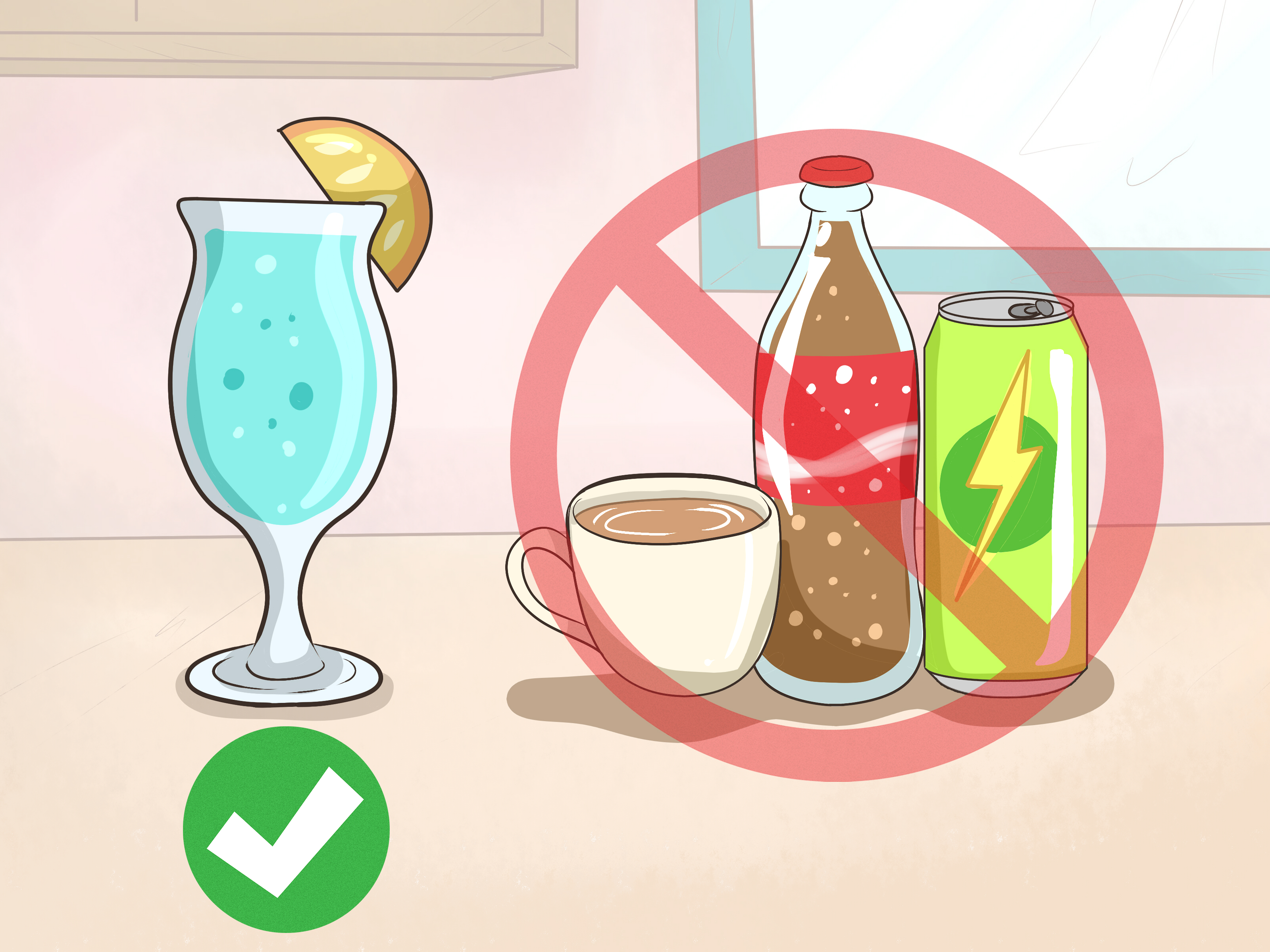
Place a glass or bottle of water near the bed. Sip slowly if you wake up thirsty. Drinking a reasonable amount of water can help with dry mouth and dehydration, but forcing huge amounts right before bed can make you nauseated or send you sprinting to the bathroom all night. Hydration is helpful; turning yourself into a human aquarium is not.
Do Not Sleep Somewhere Unsafe
A couch may be fine if it is stable and you can lie safely on your side, but avoid sleeping in cars, bathrooms, outdoors, near stairs, or anywhere too cold or too hot. Alcohol can affect body temperature regulation, so a “quick nap outside” can become dangerous faster than people realize.
Way 2: Rehydrate and Eat Gently
The second easy way to sleep when drunk is to support your body without overloading it. Alcohol can contribute to dehydration, stomach irritation, low-quality sleep, and next-day hangover symptoms. You cannot magically erase alcohol from your bloodstream with a sandwich, but you can make the night less miserable.
Choose Water or an Electrolyte Drink
Water is the simplest option. If you have been sweating, vomiting, dancing, or generally behaving like a music-video extra, an electrolyte drink may also help replace fluids and minerals. Keep it simple: small sips, slow pace, no heroic chugging.
A good rule is to drink enough to ease thirst, not so much that your stomach starts waving a white flag. If nausea is already present, take tiny sips and sit upright for a while before lying down.
Eat Something Bland If Your Stomach Allows It
If you can eat safely and you are not severely nauseated, try bland food: toast, crackers, bananas, rice, soup, or oatmeal. This is not the moment for a mountain of spicy nachos unless you enjoy heartburn doing parkour in your chest.
Food will not sober you up instantly, but it may help settle your stomach and reduce the sharp “empty stomach plus alcohol” feeling. Avoid heavy greasy meals right before bed if they make reflux worse. Some people swear by late-night pizza; their digestive systems may have different legal representation than yours.
Skip More Alcohol
Some people think another drink will help them sleep. That is like trying to fix a leaky roof by adding more rain. More alcohol may make you feel drowsier at first, but it increases intoxication, worsens sleep quality, and raises safety risks. The best drink before bed after alcohol is not “one more.” It is water.
Avoid Caffeine Late at Night
Coffee does not sober you up. It may make you feel more alert, but your coordination, judgment, and reaction time can still be impaired. Caffeine may also make it harder to sleep and can irritate your stomach. So if your plan is “espresso and then bedtime,” your body may send back a strongly worded email.
Way 3: Calm Your Body Without Sleep Medications
The third easy way to sleep when drunk is to create a calm, low-stimulation environment. The big rule: do not mix alcohol with sleeping pills, anti-anxiety medication, opioids, or sedating over-the-counter sleep aids unless a medical professional has specifically advised you. Combining sedatives can increase the risk of slowed breathing, overdose, injury, and other serious problems.
Lower the Lights and Cool the Room
Bright lights tell your brain, “Hello, it is daytime, let’s make questionable decisions.” Lower the lights, close curtains, and keep the room comfortably cool. Alcohol can make some people feel warm at first, but body temperature can shift during the night. Use breathable blankets and avoid overheating.
Put the Phone Away
Your phone is not your friend at 1:37 a.m. after drinking. It is a tiny chaos rectangle. Scrolling can keep your mind active, expose you to bright light, and tempt you into sending messages that future-you will read with horror. Put it on charge across the room or switch on do-not-disturb.
Try Slow Breathing
Simple breathing can help calm the nervous system. Try inhaling slowly through your nose, pausing briefly, and exhaling longer than you inhale. Do not force it. The goal is relaxation, not training for an underwater treasure hunt.
A gentle pattern could be: inhale for four counts, exhale for six counts, repeat for a few minutes. If counting feels annoying, just breathe slowly and focus on relaxing your shoulders, jaw, and hands.
Use a Boring Audio Track
Soft music, white noise, a calm podcast, or an audiobook at low volume can help some people drift off. Choose something boring enough that you will not stay awake to hear what happens next. A murder mystery cliffhanger is not the sleep aid you think it is.
What Not to Do When Trying to Sleep Drunk
Sometimes the best advice is knowing what to avoid. These common “fixes” can backfire:
- Do not take sleeping pills. Alcohol and sedatives can be dangerous together.
- Do not take more alcohol. It may worsen intoxication and sleep disruption.
- Do not use a cold shower to sober up. It does not remove alcohol from your bloodstream and may increase risk of injury.
- Do not drive. Even if you feel “mostly fine,” alcohol can impair reaction time and judgment.
- Do not leave a severely drunk person alone. Check breathing, responsiveness, and positioning.
- Do not ignore repeated vomiting. Vomiting plus heavy intoxication can become dangerous.
How Long Does It Take to Sleep Better After Drinking?
The body needs time to process alcohol. No shortcut, supplement, or “secret hack” can instantly sober someone up. Sleep may improve as alcohol leaves the body, but even after you fall asleep, rest can remain broken. The more you drink and the later you drink, the more likely you are to wake up during the night and feel rough the next day.
For better sleep in the future, the most effective strategy is to stop drinking several hours before bedtime, drink water, eat beforehand, and keep alcohol moderate or avoid it altogether. Not exciting, perhaps, but neither is waking up with a mouth like desert gravel and the emotional range of a haunted sandwich.
When to Get Help for Alcohol and Sleep Problems
If you often need alcohol to fall asleep, that is worth paying attention to. Alcohol can create a cycle: it makes you sleepy, then disrupts sleep, then poor sleep makes you feel worse, then you may reach for alcohol again. Over time, this pattern can become harder to break.
Consider talking with a healthcare professional if you regularly drink to sleep, wake up shaky or anxious after drinking, have memory gaps, drink more than planned, or feel unable to cut back. Sleep problems can be treated in safer ways, including behavioral sleep strategies, stress support, and medical evaluation when needed.
If you are under the legal drinking age, the safest choice is not to drink. Alcohol can affect developing brains, decision-making, safety, and health. If drinking has already happened, focus on immediate safety, contact a trusted adult, and seek medical help if there are warning signs.
Quick Checklist: Safer Sleep After Drinking
- Stop drinking alcohol.
- Check for alcohol poisoning warning signs.
- Call emergency services if someone is hard to wake, vomiting repeatedly, breathing oddly, or extremely confused.
- Rest on your side, especially if nauseated.
- Keep water nearby and sip slowly.
- Eat bland food only if your stomach can handle it.
- Clear the floor to prevent falls.
- Keep the room cool, quiet, and dim.
- Avoid sleeping pills, sedatives, opioids, and more alcohol.
- Ask someone sober to check on you if you feel very drunk.
Real-Life Experiences: What People Usually Learn the Hard Way
Most people who have tried to sleep after drinking discover the same lesson: alcohol is a sneaky bedtime liar. At first, it whispers, “Relax, I’ve got this.” Then, three hours later, it kicks open the bedroom door with thirst, a headache, and a racing heart. The result is not restful sleep; it is more like a low-budget nap with surprise interruptions.
One common experience is the “3 a.m. wake-up.” Someone falls asleep quickly after a party, wedding, dinner, or holiday gathering, then wakes up suddenly in the middle of the night. The room is quiet, the mouth is dry, and the brain is wide awake for no helpful reason. This often happens because alcohol changes sleep patterns as the body metabolizes it. People may spend the first part of the night sedated and the second part tossing, turning, sweating, or making dramatic promises to “never drink again.” The next weekend, of course, the brain may try to renegotiate that contract.
Another familiar situation is the spinning-room problem. Even if the room is not actually moving, lying flat can make dizziness feel worse. Many people learn that sitting upright for a while, sipping water slowly, and waiting until nausea settles can be smarter than diving straight into bed. Resting on the side also feels more stable for some people and is safer if nausea is present. The goal is not elegance. Nobody wins a style award for safe drunk sleeping. The goal is to wake up okay.
People also learn that the “perfect hangover meal” is highly personal. Some swear by toast and bananas. Others want soup. Others make the bold mistake of eating spicy leftovers at midnight and then spend the night discovering new dimensions of regret. Bland food may not sound exciting, but when your stomach is negotiating peace terms, boring is beautiful.
Hydration is another lesson that tends to arrive with a headache. A glass of water before bed can help, but it works best as part of a larger pattern: drinking water earlier in the evening, eating before alcohol, and not overdoing it. Trying to repair the whole night with one giant bedtime water-chug usually just leads to nausea or repeated bathroom trips. Sensible sipping wins.
Perhaps the biggest experience-based lesson is that sleep after drinking is easier when the environment is prepared. A clear path to the bathroom, a trash can nearby if nausea is possible, water on the nightstand, dim lighting, and a phone set aside can make a huge difference. Nobody feels like organizing a room after drinking, but two minutes of preparation can prevent a stubbed toe, a fall, or a regrettable message sent to someone named “Do Not Text.”
Finally, many people eventually realize that alcohol is not a reliable sleep tool. If someone uses it regularly to fall asleep, the body may start depending on it, while sleep quality gets worse. That is a frustrating trade: faster sleep at first, poorer rest later. Better nighttime habits, stress management, and professional support are much safer long-term solutions. In other words, alcohol may open the sleep door, but it often steals the furniture on the way out.
Conclusion
Sleeping after drinking is not about forcing yourself to pass out. It is about staying safe, reducing discomfort, and giving your body the calmest possible conditions to recover. The three easiest steps are simple: make the sleep setup safe, rehydrate and eat gently, and calm your body without mixing alcohol with sleep medications. Above all, take alcohol poisoning signs seriously. A person who is severely intoxicated may need urgent medical help, not a blanket and wishful thinking.
If you want better sleep in the future, the best solution is to drink less, stop earlier, eat beforehand, hydrate steadily, and avoid using alcohol as a sleep aid. Your future morning self will appreciate it. Your pillow may even respect you again.














