
Diesel engines have many wonderful qualities. They are durable, efficient, stubborn in the best way, and usually ready to work long after a gas engine has started complaining. But let’s be honest: they are not exactly known for whispering sweet nothings. A diesel can clatter at idle, drone on the highway, and rattle a cabin like a coffee can full of bolts if something is off.
The good news is that reducing diesel engine noise does not always require a dramatic rebuild, a wizard mechanic, or a wallet that cries on command. In many cases, the biggest improvements come from three simple strategies: fixing the source of the noise, quieting the exhaust and vibration path, and blocking the noise that makes its way into the cabin. Think of it as a three-part plan: stop the racket, calm the shake, and keep the leftovers out of your ears.
This guide breaks down the smartest ways to make a diesel engine sound less like a construction site at sunrise and more like a well-maintained machine. Whether you drive a pickup, van, SUV, work truck, or older diesel rig with plenty of personality, these methods can help you create a quieter, more comfortable ride without doing anything reckless or pointless.
Why Diesel Engines Sound Louder in the First Place
Before jumping into the fixes, it helps to understand why diesel engines are naturally noisier than many gasoline engines. Diesel combustion happens under high compression, and that quick pressure rise creates the familiar clatter people associate with diesel power. On top of that, older injectors, worn mounts, exhaust leaks, thin insulation, and loose brackets can make a normal diesel sound much worse.
In other words, some diesel noise is normal. Excess diesel noise is not. If your truck suddenly sounds louder than last month, especially at cold start, acceleration, or idle, there is usually a reason. That is actually good news because it means the noise may be fixable.
Method 1: Fix the Noise at the Source
If you want the biggest improvement, start where the noise begins. Many diesel owners waste money on soundproofing before checking whether the engine is louder because something is worn, loose, leaking, or out of tune. That is like buying noise-canceling headphones for a smoke alarm instead of changing the battery.
Check for Exhaust Leaks First
An exhaust leak can make a diesel sound far louder than it should. It often shows up as a ticking, tapping, popping, or sharp puffing sound, especially during cold starts or when you accelerate. Leaks near the exhaust manifold are especially sneaky because they can sound like engine noise when the real issue is escaping exhaust gas.
If the engine suddenly sounds harsher, or if the exhaust note has become noticeably more aggressive without you doing anything to “improve” it, inspect the system. Common trouble spots include:
- Exhaust manifold gaskets
- Cracked manifolds
- Flex pipes
- Rust holes in mufflers or pipes
- Loose clamps and hangers
This is one area where being casual is a bad idea. Exhaust leaks can increase noise, create vibration, reduce efficiency, and allow fumes where they do not belong. If you suspect a leak, get it repaired properly and avoid running the vehicle in enclosed spaces.
Inspect Engine Mounts and Related Hardware
Sometimes the engine is not actually much louder. It is just transmitting more vibration into the frame, firewall, floor, and cabin. Bad engine mounts are a classic reason for that. When mounts wear out, the rubber loses its ability to absorb vibration, and the engine gets more freedom to move around than it should. That often leads to shaking at idle, thumps during gear changes, and a cabin that suddenly feels harsher.
Worn or loose mounts can make a healthy diesel feel rough, noisy, and oddly angry. Pay attention to these clues:
- More vibration at stoplights
- Clunks when shifting into gear
- Engine rocking more than usual
- New rattles after hitting bumps
- A sharper buzz through the steering wheel or pedals
Do not ignore loose brackets, degraded bushings, or failing hangers either. Diesel noise often becomes “cab noise” because supporting parts are no longer isolating vibration correctly. Fixing a few tired rubber components can sometimes make a bigger difference than adding pounds of insulation.
Keep Up With Basic Diesel Maintenance
No, maintenance is not glamorous. It will never trend on social media. But if your diesel engine is noisy because it is not running smoothly, cosmetic fixes will only hide the real problem for about five minutes.
Regular maintenance helps reduce unnecessary clatter and roughness. Focus on the basics:
- Use the correct oil grade for the engine and climate
- Stay on schedule with oil and filter changes
- Replace dirty air and fuel filters
- Address injector or combustion issues early
- Investigate unusual ticking, knocking, or smoke instead of “waiting to see”
Cold starts deserve special attention. Many diesels sound their worst when cold, but an unusually harsh cold-start clatter may point to injection, timing, glow plug, or fuel delivery issues. If the engine is dramatically louder only under certain conditions, that pattern can help a technician find the real cause faster.
Bottom line: before you buy insulation, make sure your diesel is not asking for actual repairs.
Method 2: Quiet the Exhaust and Reduce Vibration
Once the engine is mechanically healthy, the next move is to manage how the noise travels. Diesel engines create two big kinds of annoyance: airborne noise and structure-borne vibration. Airborne noise comes from combustion and exhaust sound moving through the air. Structure-borne noise happens when vibration travels through metal panels, mounts, floor sections, and the body of the vehicle.
The easiest place to make a noticeable improvement is often the exhaust system.
Repair or Upgrade the Muffler
A good muffler reduces exhaust sound. A bad muffler mostly contributes to your headache. If your vehicle sounds louder from the rear, drones on the highway, or has a metallic rattle under the body, inspect the muffler and tailpipe sections.
On older diesel trucks, a worn muffler can turn “confident workhorse” into “rolling thunderstorm.” Replacing a rusted, internally damaged, or poorly matched muffler often makes the sound smoother and less boomy. That does not mean you should throw on the most restrictive part you can find. You want a quality, properly sized muffler that reduces noise without creating harmful backpressure or choking performance.
Replace Damaged Hangers and Isolators
Exhaust noise is not only about the muffler itself. Hangers and rubber isolators matter too. When those pieces wear out, the exhaust system can shake, rattle, or transmit vibration into the frame. That is why a simple hanger problem can sound much more dramatic from inside the cabin than it does from outside the vehicle.
If your diesel buzzes over certain RPM ranges, rattles on rough roads, or sounds worse when towing, inspect the support points underneath. A secure, well-isolated exhaust system usually sounds better and lasts longer.
Pay Attention to the Intake Side Too
Not every harsh sound comes from the exhaust. Some diesel engines also produce a noticeable intake roar or turbo noise. That can be normal, but it can get louder if intake plumbing is loose, the airbox is not sealed properly, or parts have been modified in a way that favors noise over comfort.
If quietness matters, be cautious with performance parts that advertise a more aggressive sound. “Aggressive” is often marketing language for “you may get tired of this by Tuesday.” A well-sealed stock-style intake and properly mounted tubing usually make for a calmer daily driver.
Method 3: Add Smart Sound Insulation in the Right Places
Once you have fixed mechanical problems and calmed the exhaust path, the final step is to reduce the noise that still reaches the cabin. This is where sound deadening and acoustic insulation can help a lot, especially in older trucks, cargo vans, and diesel SUVs that were built with all the acoustic delicacy of a lunchbox.
Focus on the Firewall, Floor, and Transmission Tunnel
The most effective areas are usually the ones closest to the engine and exhaust. In many vehicles, that means:
- The firewall
- The front floor pan
- The transmission tunnel
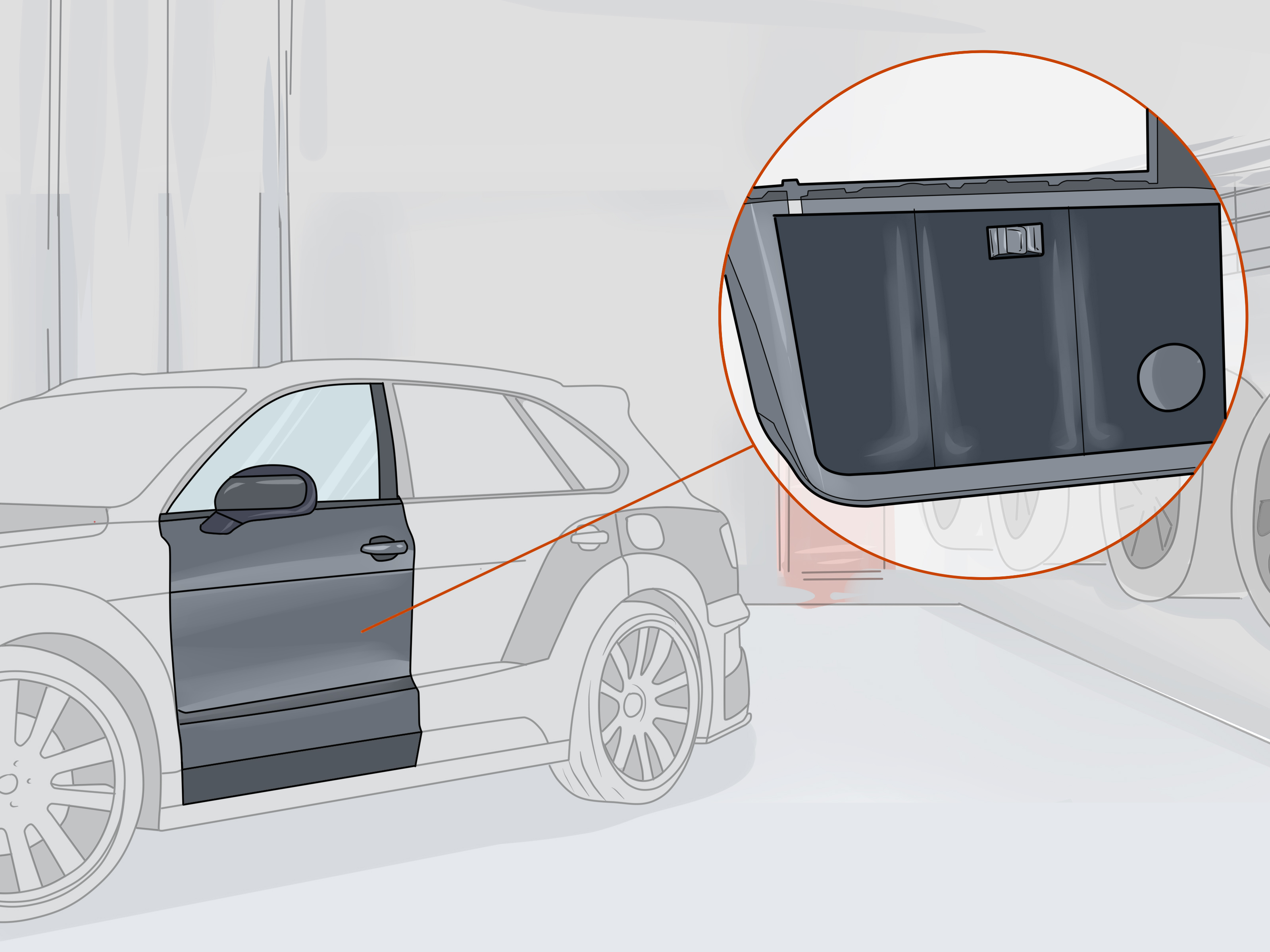
- The doors and rear floor on noisier trucks and vans
These surfaces can act like giant drums. If you apply proper damping material to reduce panel resonance, then add an acoustic layer to absorb or block airborne noise, the cabin can feel dramatically more refined. This is why many owners describe a quieter diesel not as “silent,” but as less tiring. You can hear the difference, but you also feel it in your shoulders after an hour on the road.
Use the Right Materials, Not Random Stuff
This part matters more than people think. Throwing generic foam near a hot engine bay is not a clever budget move. It is a future regret with adhesive. Use materials designed for automotive sound and heat management, especially around the firewall and tunnel.
A smart layered approach usually works best:
- Damping layer: reduces vibration and resonance in sheet metal
- Absorptive or barrier layer: helps control airborne engine and exhaust noise
- Heat-aware installation: keeps materials away from direct heat sources unless they are rated for that use
That last point is important. Diesel engines generate heat, and the exhaust side generates even more. Quiet is nice. Quiet and not accidentally melted is nicer.
Seal Gaps and Thin Spots
Noise loves shortcuts. A beautifully insulated floor will not perform as well if there are open pass-throughs, missing grommets, torn boots, loose trim panels, or cable openings that let sound pour in. Sometimes a vehicle sounds much louder simply because the cabin has a few weak spots where engine and road noise sneak through.
Look for:
- Missing rubber plugs
- Worn shift or steering column boots
- Loose interior panels
- Damaged firewall insulation
- Cargo-area gaps in vans and work trucks
Sealing these problem areas can improve the effectiveness of every other noise-reduction step you take.
Mistakes to Avoid When Trying to Quiet a Diesel
Some fixes help. Some just lighten your bank account. Avoid these common mistakes:
1. Treating Symptoms Instead of Causes
If the engine suddenly got louder, do not start by covering the cabin in insulation. First find out why the sound changed.
2. Ignoring Vibration
Noise and vibration are close cousins. If you only focus on muffling sound but ignore bad mounts or loose hangers, the cabin may still feel rough.
3. Using the Wrong Insulation Material
Products meant for one area of the vehicle may not be safe or effective in another. Use automotive materials that can handle the environment where they are installed.
4. Choosing Loud “Performance” Parts for a Daily Driver
That aftermarket exhaust may sound exciting for three days. On day four, your commute may start to feel like a punishment.
5. Forgetting the Human Factor
The goal is not always absolute silence. It is reducing the frequencies and vibrations that make a diesel tiring to live with. A healthy diesel can still sound like a diesel. It just should not sound like it is fighting for its life.
When to Call a Professional
You can inspect for patterns, loose trim, obvious mount wear, or damaged insulation on your own. But some diesel noise problems deserve professional diagnosis right away, especially if you notice:
- A new ticking or tapping at the manifold area
- Strong exhaust smell
- Heavy vibration at idle or under load
- Clunks when shifting into gear
- Smoke, loss of power, or warning lights
- Metallic rattling from the exhaust or turbo area
Those symptoms can point to leaks, mount failure, injector issues, or other mechanical faults. In those cases, the quietest solution is usually the one that starts with a proper repair order.
Final Thoughts
If you want to reduce diesel engine noise, keep it simple. First, make sure the engine and exhaust system are in good condition. Second, reduce the vibration and drone that travel through mounts, hangers, and muffler components. Third, add sound control materials where they will actually help, especially at the firewall, floor, and transmission tunnel.
These three methods work because they tackle the full problem instead of chasing one symptom. You are not just making the cabin quieter. You are making the whole vehicle feel tighter, smoother, and better cared for. That is a smart upgrade whether you drive a hardworking diesel truck, an older family hauler, or a rig that has earned every mile with grit and a little bit of grumbling.
And yes, a diesel may never purr like a luxury sedan. But it also does not have to sound like a toolbox falling down the stairs every morning.
Common Real-World Experiences With Diesel Noise Reduction
Owners who reduce diesel engine noise often describe the improvement in very practical ways. They do not usually say, “The sound pressure profile has shifted favorably.” They say things like, “I can finally hear my passenger,” or “The truck no longer sounds angry at 60 mph.” That is the real test. A quieter diesel is not just about numbers. It is about how the vehicle feels to live with day after day.
One common experience comes from people who replace worn engine mounts on older diesel pickups. Before the repair, the whole truck may shake at idle, and the dashboard buzzes like it wants to file a complaint. After new mounts go in, the engine still sounds like a diesel, but the harshness drops. The steering wheel calms down. The mirrors stop vibrating so much. The driver often realizes that what felt like “normal diesel behavior” was partly worn-out isolation hardware all along.
Another familiar story involves exhaust leaks. Drivers often spend weeks assuming their engine has developed a serious internal problem because they hear ticking, puffing, or a sharp metallic chatter on cold starts. Once the leak is found and repaired, the truck suddenly sounds more controlled and less dramatic. That kind of experience teaches an important lesson: loud does not always mean catastrophic, but it usually means something deserves attention.
Then there is the owner who adds insulation in the right places after fixing the mechanical side. This is especially common with diesel vans, work trucks, and older body-on-frame vehicles. The first impression is usually not that the engine disappeared. It is that the cabin feels more solid. Conversations become easier. Highway drone drops. Music sounds clearer. Long trips feel less tiring because the brain is no longer processing constant low-frequency rumble for hours at a time.
Towing drivers often report another pattern. With a trailer attached, every weakness in the exhaust hangers, mounts, and cabin insulation becomes more obvious. After repairs and sound treatment, the benefit shows up most clearly under load. The truck still works hard, but it sounds less strained and the cabin stays more comfortable. That can make a big difference for people who tow regularly and do not want every trip to feel like they are sitting inside a bass drum.
There are also plenty of owners who learn what not to do. Some install loud aftermarket exhaust parts thinking the deeper tone will feel powerful, only to discover the drone becomes exhausting on daily drives. Others buy cheap insulation that does not belong near high-heat areas and then have to redo the job properly. The best results almost always come from a calm, boring, effective order of operations: repair first, isolate vibration second, insulate third.
That is probably the most useful real-world takeaway. Diesel noise reduction works best when people stop hunting for a magic product and start thinking like problem-solvers. When the source is fixed, the vibration path is controlled, and the cabin is treated intelligently, the improvement feels real. Not fake quiet. Not showroom fantasy. Just a diesel that sounds healthier, drives smoother, and stops shouting every time you turn the key.












