
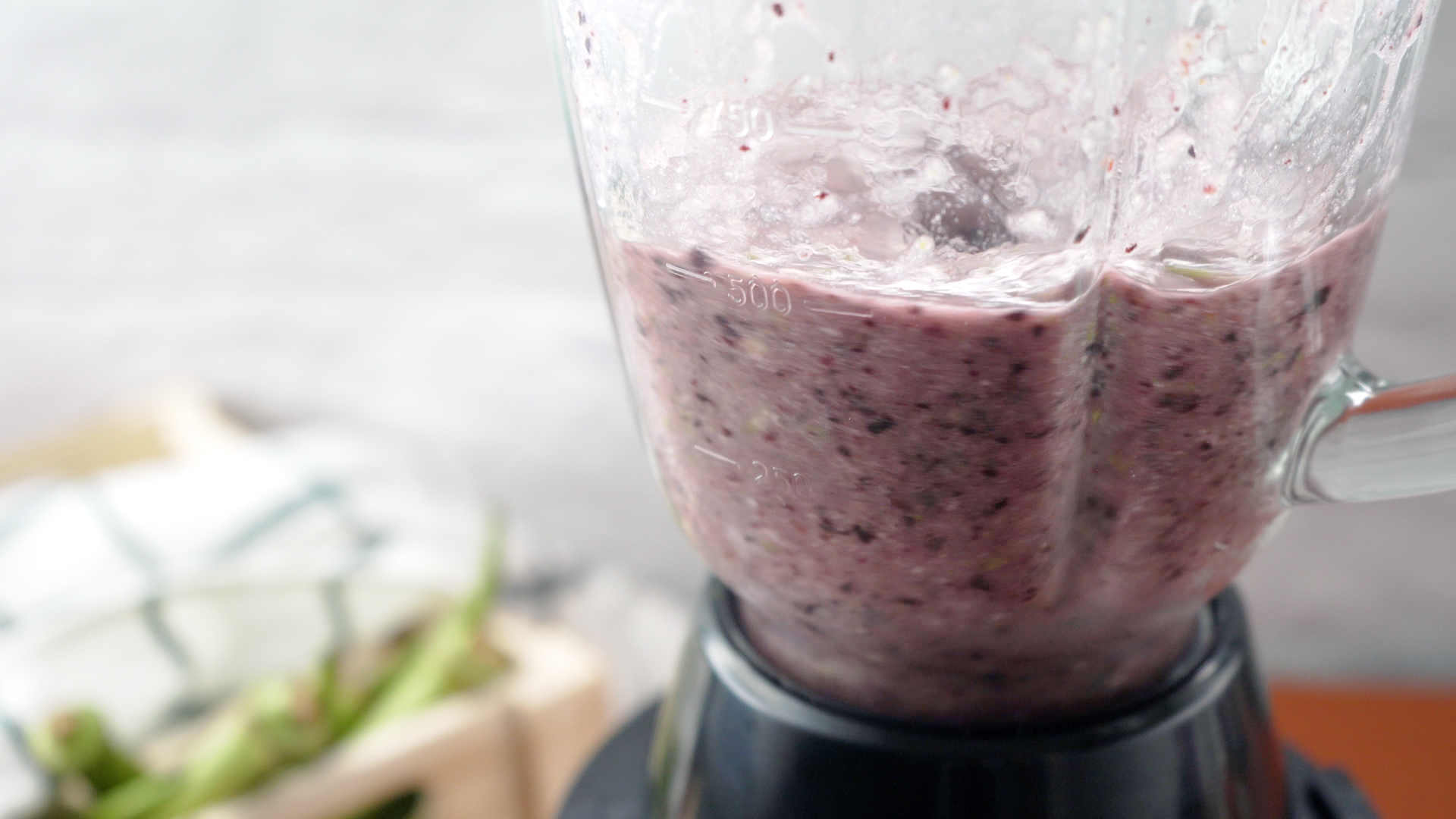
Okra juice is one of those drinks that inspires two immediate reactions: “That sounds healthy,” followed closely by, “Wait… isn’t okra kind of slimy?” Both are fair. Okra has a naturally thick, silky texture that makes gumbo glossy and gives this drink its unmistakable personality.
The good news is that you can make okra juice in more than one way. You can soak the pods overnight for a mild, traditional drink, blend them into a whole-food green beverage, or pair them with fruit and ginger for something brighter and easier to love. No matter which version you choose, the secret is simple: use fresh pods, keep the flavors balanced, and do not expect it to taste like lemonade wearing a green costume.
This guide walks through three easy ways to make okra juice at home, plus flavor tricks, storage guidance, and realistic advice about what this unusual drink can and cannot do.
What Is Okra Juice, Exactly?
“Okra juice” can mean different things depending on the recipe. Some people make a simple infused drink by soaking sliced okra in water overnight. Others blend whole pods with water, citrus, cucumber, fruit, or herbs. The first version is lighter and more subtle; the second is thicker and keeps more of the vegetable’s natural fiber.
Okra itself is a green pod vegetable commonly used in Southern cooking, West African dishes, Caribbean recipes, Indian curries, and Middle Eastern stews. It has a mild, grassy flavor that sits somewhere between green beans and eggplant. Its signature slippery texture comes from natural plant compounds released when the pods are cut or blended.
That texture may sound alarming at first, but it is not a culinary crime. Think of it as a smoothie that has decided to wear a velvet jacket.
Why People Drink Okra Juice
Okra is a low-calorie vegetable that contains fiber and several vitamins and minerals, including vitamin C and folate. A blended okra drink keeps more of the vegetable’s pulp than a strained juice, which is useful for people who enjoy a more filling beverage.
There is also plenty of online chatter about okra water and blood sugar. While some research has explored okra and its compounds, an okra drink should not be treated as a cure, replacement for medication, or shortcut for managing diabetes. Nutrition works best as part of a larger picture that includes balanced meals, movement, sleep, and medical guidance when needed.
In other words, okra juice can be a creative vegetable drink. It is not a tiny green superhero with a medical license.
How to Choose Okra for Juice
Fresh okra makes the best-tasting drink. Look for pods that are bright green, firm, and dry on the outside. Small to medium pods are usually more tender, while oversized pods can become woody and bitter.
Before using okra, rinse it thoroughly under cool running water. Do not wash produce with soap, detergent, or bleach. Trim only the stem ends, leaving most of the pod intact until you are ready to slice or blend it.
What You Will Need
- Fresh okra pods
- Cool filtered water
- A sharp knife and cutting board
- A blender for smoothie-style recipes
- Lime or lemon for brightness
- Optional add-ins such as cucumber, pineapple, ginger, mint, or apple
1. Classic Overnight Okra Water
This is the simplest method and the least intense in terms of texture. Instead of blending the pods, you soak them in water overnight and drink the infused liquid the next day.
Ingredients
- 4 to 6 fresh okra pods
- 1 1/2 cups filtered water
- 1 teaspoon fresh lemon or lime juice, optional
Instructions
- Rinse the okra pods well under cool running water and pat them dry.
- Trim off the stems, then slice each pod lengthwise or into thick rounds.
- Place the sliced okra in a clean glass jar or covered container.
- Pour in the water, cover the container, and refrigerate for 8 to 12 hours.
- Remove the okra pieces or strain the liquid through a fine mesh strainer.
- Add a small squeeze of lemon or lime juice if you want a fresher flavor.
- Drink it chilled.
What It Tastes Like
Overnight okra water has a mild vegetable flavor with a slightly slick mouthfeel. The longer it sits, the thicker it may become. Citrus helps make the drink taste cleaner and less “garden hose after a rainstorm,” which is a very specific flavor nobody is requesting.
Best Tips for This Method
- Use cold water and refrigerate the drink while it infuses.
- Start with fewer pods if you are new to okra water.
- Drink it within 24 hours for the best taste and freshness.
- Add lemon, lime, or a few mint leaves instead of extra sugar.
2. Creamy Blended Okra Juice
This recipe is closer to a light vegetable smoothie than traditional juice. Because you blend the whole pods, the drink has more body, more fiber, and a richer texture. It is also the easiest way to make okra taste less mysterious.
Ingredients
- 6 to 8 fresh okra pods
- 1 cup cold water
- 1/2 cup chopped cucumber
- 1 tablespoon fresh lemon or lime juice
- 4 to 6 mint leaves
- Ice, optional
- A small pinch of salt, optional
Instructions
- Wash the okra and cucumber thoroughly.
- Trim the okra stems and slice the pods into smaller pieces.
- Add the okra, cucumber, water, lemon juice, mint, and ice to a blender.
- Blend for 45 to 60 seconds, or until the mixture is smooth.
- Taste the drink. Add a little more citrus if it needs brightness.
- Serve immediately, either as-is or strained for a lighter texture.
Why This Version Works
Cucumber softens okra’s earthy flavor, while lemon and mint make the drink feel fresher. The result is green, cool, and surprisingly refreshing when served very cold. The key word is very. Lukewarm blended okra is not a punishment anyone deserves.
Make It Less Thick
If the drink feels too heavy, add another 1/2 cup of cold water and blend again. You can also strain it through a fine mesh sieve. Keep in mind that straining removes some of the pulp, so the texture becomes lighter but the drink will be less filling.
3. Pineapple-Ginger Okra Juice
For people who want the benefits of a vegetable-forward drink without feeling like they are sipping from a salad bowl, this is the friendliest option. Pineapple brings sweetness and acidity, ginger adds a little zip, and lime keeps everything from becoming too tropical-smoothie-shop sweet.
Ingredients
- 5 to 6 fresh okra pods
- 3/4 cup fresh pineapple chunks
- 1 cup cold water or coconut water
- 1 teaspoon freshly grated ginger
- 1 tablespoon lime juice
- Ice cubes, optional
Instructions
- Rinse the okra well and trim the stems.
- Slice the okra into rounds.
- Add the okra, pineapple, water or coconut water, ginger, lime juice, and ice to a blender.
- Blend until smooth and creamy.
- Taste before adding anything else. Pineapple is usually sweet enough on its own.
- Serve immediately.
Flavor Variations
- Green Apple Twist: Replace half the pineapple with chopped green apple.
- Spicy Citrus Version: Add a tiny pinch of cayenne pepper for a warm kick.
- Berry Blend: Use strawberries instead of pineapple for a pinkish-purple drink with a milder okra flavor.
- Coconut-Lime Cooler: Use coconut water, extra lime, and a few basil leaves.
Fruit can make okra juice more enjoyable, but it also raises the natural sugar content of the drink. Keep the fruit portion reasonable and let the okra, water, and citrus do most of the work.
How to Make Okra Juice Taste Better
Okra has a mild flavor, which is good news because mild ingredients are easy to steer in a better direction. The trick is balancing earthy, tangy, sweet, and fresh flavors.
Use Citrus Generously
Lemon and lime brighten the drink and reduce the impression of thickness. Start with one tablespoon, then add more a teaspoon at a time.
Add Fresh Herbs
Mint, basil, and cilantro can make an okra drink feel more like a refreshing green beverage and less like a science project that escaped the blender.
Choose Cold Ingredients
Cold water, chilled fruit, cucumber, and ice improve both the flavor and texture. Okra juice is almost always better cold.
Do Not Overload It With Sweeteners
Honey, syrup, and sugar can quickly turn a vegetable drink into dessert in disguise. Pineapple, apple, berries, or a little orange can provide enough sweetness for most people.
Blend Longer Than You Think
If you are making a smoothie-style drink, blend for at least 45 seconds. A short blend can leave stringy bits behind, while a longer blend creates a smoother and more pleasant consistency.
Okra Juice Safety and Storage Tips
Fresh produce deserves careful handling, especially when it will be eaten raw or blended into a drink. Wash your hands before preparation, rinse the pods under running water, and use a clean cutting board and blender.
Skip pods that look moldy, deeply bruised, slimy on the outside, or unusually soft. Natural okra texture is one thing; questionable produce is another.
Drink freshly blended okra juice right away whenever possible. If you need to store it, keep it covered in the refrigerator and use it within 24 hours. Do not leave a homemade vegetable drink sitting at room temperature for long periods, especially in hot weather.
If you take medication for diabetes, have kidney disease, are pregnant, or manage another health condition, speak with a qualified health professional before making any food or supplement routine a daily ritual. A recipe can support a balanced diet, but it should never replace medical care.
Frequently Asked Questions About Okra Juice
Can you make okra juice with frozen okra?
Yes, frozen okra can work best in blender recipes. Let it thaw slightly, then blend with cold water, citrus, and fruit. Frozen okra is less ideal for overnight infused water because the texture changes after freezing.
Should you strain okra juice?
That depends on your texture preference. Straining makes the drink lighter and smoother, while keeping the pulp makes it thicker and more filling.
Can you drink okra juice every day?
For most people, enjoying a reasonable serving of okra as part of a varied diet can be fine. Still, variety matters. Rotate it with other vegetables, fruit, whole grains, protein-rich foods, and plenty of plain water.
Why is my okra drink slimy?
That is normal. Okra releases a natural gel-like substance when cut, soaked, or blended. Use fewer pods, add more water, blend with ice, or strain the drink if you want a thinner consistency.
Can I add milk to okra juice?
You can, but it is usually not the best pairing. Citrus and dairy can clash, and the flavor can become oddly heavy. Coconut water, plain water, cucumber, pineapple, and herbs are safer flavor companions.
Final Thoughts: The Best Okra Juice Is the One You Will Actually Drink
Making okra juice does not have to be complicated. The overnight version is ideal for people who like a mild, simple drink. The blended cucumber version is better for anyone who wants a thicker, more vegetable-forward option. The pineapple-ginger recipe is perfect for beginners who want something bright, cold, and a little more familiar.
Start small, keep the ingredients fresh, and adjust the texture until it works for you. There is no prize for drinking a glass so thick it could be used to patch drywall. A good okra juice recipe should feel refreshing, practical, and enjoyable enough to make again.
Kitchen Experiences: What Making Okra Juice Is Really Like
The first time you make okra juice, you may approach the blender with the same caution normally reserved for assembling furniture without instructions. You know it will probably work, but there is a small chance it will become a dramatic event. That is part of the fun.
Most people begin with the overnight version because it feels less intimidating. You slice a few pods, add water, place the jar in the refrigerator, and let time do the work. The next morning, the liquid may look slightly cloudy and feel thicker than ordinary water. That first sip is often surprising. It is not strongly flavored, but it has a soft, vegetal taste and a texture that is unmistakably okra.
The key is not to judge the drink too quickly. A tiny squeeze of lime can completely change the experience. Suddenly, the flavor feels brighter, cleaner, and less like you are drinking something invented during a gardening accident. Mint helps too. In fact, mint is the unofficial peace treaty between skeptical taste buds and unfamiliar green drinks.
Blended okra juice is a different adventure. The blender creates a thicker drink, especially if you use several pods and only a little water. At first, this can feel strange. But once cucumber, lemon, pineapple, ginger, or apple enter the picture, the drink becomes much more approachable. The okra does not disappear, but it becomes part of a bigger flavor team instead of standing in the center of the stage wearing a spotlight.
Texture is usually the biggest learning curve. Some people enjoy the creamy body because it makes the drink feel satisfying. Others want something closer to juice. Both approaches are valid. Add more water, blend longer, strain the drink, or use fewer pods. Think of the recipe as a starting point rather than a law written on a stone tablet by the Vegetable Council.
Another useful experience is realizing that fresh, small okra pods make a noticeable difference. Tender pods blend more easily and taste milder. Older, larger pods can be tougher and more fibrous. If your first batch tastes unpleasant, the issue may not be the concept of okra juice. It may simply be that the pods were past their prime.
Okra juice also works best when it is not treated like a challenge. You do not need to force down a large glass because the internet called it magical. Try a small serving with breakfast, pair it with a balanced meal, or make it as a cool afternoon drink. Let it become one option in your kitchen instead of the only green beverage allowed to exist.
Over time, many home cooks find their preferred version. Some return to simple overnight okra water with lime. Others become loyal to pineapple and ginger. A few discover that cucumber, mint, and ice make the best warm-weather combination. The point is not to make the “perfect” okra juice. The point is to make a version that tastes good enough for real life.
Note: This article is for general food and recipe information only. Okra juice is not a treatment for diabetes or any other medical condition, and it should not replace advice or medication from a qualified healthcare professional.














