Waxing has a dramatic personality. One minute you are admiring smooth skin; the next, your legs, underarms, upper lip, or bikini line look as if they have filed a formal complaint. Redness after waxing is common because the hair is pulled from the follicle, the top layer of skin may feel more sensitive, and tiny blood vessels near the surface can temporarily react. In most cases, that flushed look is not a disaster. It is your skin saying, “Excuse me, I need a moment.”
The good news: post-wax redness usually calms down with the right aftercare. The even better news: you do not need a 19-step ritual, a crystal wand, or a bathroom cabinet that looks like a spa supply warehouse. The most effective approach is simple: cool the skin, protect the skin barrier, and avoid anything that turns mild irritation into a full-blown red carpet event.
This guide explains three practical ways to reduce redness after waxing, what to avoid in the first 24 to 48 hours, and when redness may be a sign that your skin needs more attention. Whether you wax at home or visit a professional, these tips can help your skin recover faster and feel calmer.
Why Does Skin Turn Red After Waxing?
Redness after waxing happens because waxing removes hair from the root. That tug can temporarily irritate the hair follicle and surrounding skin. If the wax is too hot, the skin is over-exfoliated, the same area is waxed repeatedly, or you use strong skincare ingredients before your appointment, redness can become more noticeable.
Waxing can also act like a form of physical exfoliation. It does not just remove hair; it can remove some dead skin cells, too. That is part of why freshly waxed skin feels smooth, but it is also why the area may be more sensitive to heat, fragrance, sweat, friction, and sun exposure right afterward.
Some people are more prone to redness than others. Sensitive skin, dry skin, fair skin, coarse or curly hair, recent sun exposure, retinoid use, and waxing delicate areas such as the face or bikini line can all make the reaction stronger. First-time waxers may also notice more redness because the skin is not used to the process yet.
Way 1: Cool the Skin Immediately
The first and fastest way to reduce redness after waxing is to cool the area. Think of this as politely asking your skin to lower its voice. A cold compress can help calm the sensation of heat, reduce temporary swelling, and make the skin feel less prickly.
How to Use a Cold Compress After Waxing
Wrap a few ice cubes or a cold gel pack in a clean, soft cloth. Never place ice directly on freshly waxed skin because that can cause more irritation. Hold the compress over the red area for 5 to 10 minutes at a time. If the skin still feels warm, take a short break and repeat.
You can also use a clean washcloth soaked in cool water. This is especially helpful for facial waxing, underarms, or the bikini area, where an ice pack may feel too intense. Pat the skin gently afterward instead of rubbing it. Freshly waxed skin is not interested in a towel fight.
Cool Shower, Yes. Hot Shower, Absolutely Not.
If you waxed a large area, such as your legs, arms, back, or chest, a cool or lukewarm shower can help reduce redness and remove any leftover wax residue. Keep the water gentle and skip strong soaps. A mild, fragrance-free cleanser is enough.
Avoid hot showers, hot baths, steam rooms, saunas, and hot tubs for at least 24 hours after waxing. Heat can intensify redness because it increases blood flow to the skin and can make already-sensitive follicles more irritated. In plain English: your pores just had an eventful day. Do not send them to a sauna for the after-party.
Do Not Scratch, Pick, or Rub
After waxing, the area may feel itchy or tingly. Scratching might feel satisfying for approximately three seconds, but it can worsen redness, introduce bacteria, and increase the risk of bumps or folliculitis. If the skin feels itchy, use a cool compress again or apply a thin layer of soothing product.
Also avoid using rough washcloths, dry brushes, body scrubs, or exfoliating gloves immediately after waxing. Gentle is the theme. If your skin could speak, it would ask for soft pajamas and emotional support.
Way 2: Apply Soothing, Fragrance-Free Skin Care
Once the skin is cool and clean, the next step is to protect the skin barrier. Freshly waxed skin needs calm, simple products. This is not the time to experiment with a new glittery body oil, a heavily perfumed lotion, or a mysterious bottle from the back of the cabinet labeled “summer glow serum.”
Choose Aloe Vera or a Gentle Cooling Gel
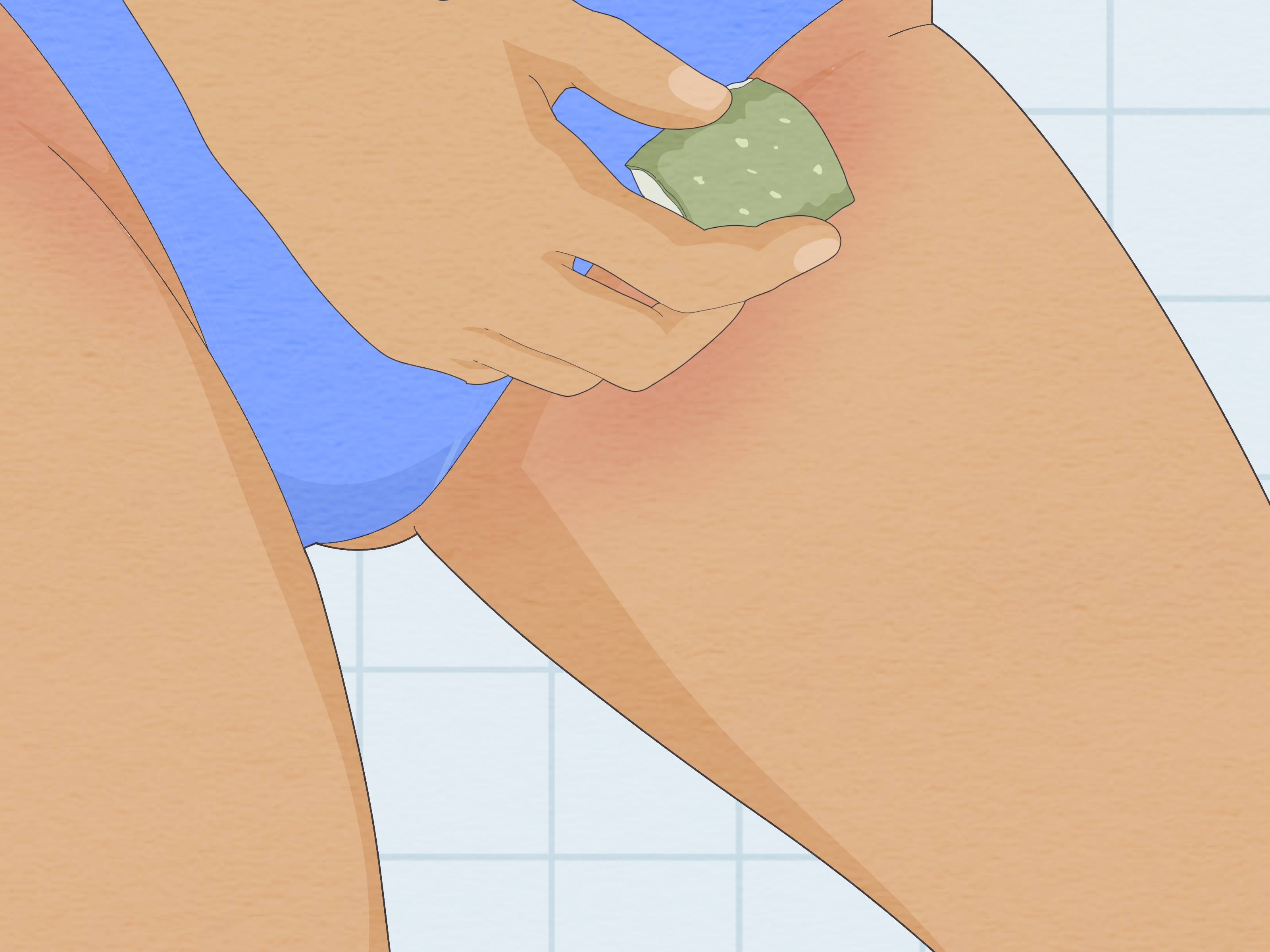
Aloe vera gel is a classic post-wax option because it feels cooling and lightweight. Look for a simple aloe-based product without added fragrance, alcohol-heavy formulas, or strong essential oils. Apply a thin layer over the red area and let it absorb. More product does not mean faster healing; it just means you may become slightly sticky and attract lint.
For extra comfort, store your aloe gel in the refrigerator. A chilled gel can feel especially soothing on legs, underarms, or the bikini line. Just make sure the product is clean and not expired.
Use a Non-Comedogenic Moisturizer
After waxing, a light, non-comedogenic moisturizer can help reduce dryness and support the skin barrier. “Non-comedogenic” means the product is designed not to clog pores. This matters because freshly waxed follicles are more vulnerable to congestion, irritation, and bumps.
Good post-wax moisturizers are usually fragrance-free, lightweight, and simple. Ingredients such as glycerin, ceramides, colloidal oatmeal, panthenol, and allantoin can be helpful because they support hydration and comfort. Avoid thick, greasy products on areas prone to breakouts, especially the face, chest, back, or bikini line.
Consider 1% Hydrocortisone for Short-Term Irritation
If redness is paired with itchiness or mild inflammation, an over-the-counter 1% hydrocortisone cream may help in some cases. Use only a thin layer and follow the product directions. Do not apply it to broken skin, open cuts, active infection, or irritated areas that are worsening. Be especially careful with the face, underarms, and bikini area, where skin is thinner and more sensitive.
If you are pregnant, treating a child, managing a skin condition, using prescription skincare, or unsure whether hydrocortisone is appropriate, ask a healthcare professional first. Hydrocortisone is useful when used correctly, but it is not a magic frosting for every skin problem.
What to Avoid Putting on Freshly Waxed Skin
For the first day or two, avoid fragranced lotions, alcohol-based toners, deodorant on freshly waxed underarms, tanning products, retinol, exfoliating acids, benzoyl peroxide, harsh acne treatments, and strong essential oils. These can sting, dry out the skin, or increase redness.
If you waxed your face, be careful with makeup. A light mineral powder may be less irritating than heavy liquid foundation, but the safest option is to let the skin breathe for several hours. If you must wear makeup, use clean brushes or sponges and remove it gently later with a mild cleanser.
Way 3: Avoid Heat, Friction, Sweat, and Sun
The third way to reduce redness after waxing is not about what you put on your skin. It is about what you keep away from it. The first 24 to 48 hours after waxing are the “please do not annoy me” window. During this time, the skin can react more strongly to sweat, tight clothing, heat, and UV exposure.
Wear Loose, Breathable Clothing
Tight jeans, leggings, shapewear, lace underwear, and fitted workout clothes can rub against freshly waxed skin. That friction can keep redness alive longer than necessary and may trigger bumps. Choose loose cotton clothing when possible. After a leg wax, flowy pants or shorts are your friends. After a bikini wax, soft cotton underwear is the MVP.
If the waxed area is under your arms, avoid tight sleeves and give deodorant a short break if your skin feels irritated. If you must use deodorant, choose a gentle, fragrance-free option and stop if it stings.
Skip Heavy Workouts for 24 Hours
Sweat can irritate freshly waxed skin, especially in areas where skin folds or clothing rubs. Try to avoid intense exercise for at least 24 hours after waxing. That includes hot yoga, spin class, long runs, and any workout that turns you into a glazed doughnut.
Gentle walking is usually fine if your skin feels comfortable. The goal is not to become a couch statue; it is simply to avoid heat, sweat, and friction while the skin settles.
Stay Out of Pools, Hot Tubs, and the Ocean
After waxing, tiny openings around the follicles may be more vulnerable to irritation. Pools, hot tubs, lakes, and ocean water can expose the area to chemicals, salt, bacteria, or friction from wet swimwear. Wait at least 24 hours before swimming, and longer if the skin is still red, tender, or bumpy.
This is especially important after a bikini wax. The skin in that area is delicate, and wet swimsuits can trap heat and moisture. If your beach plan is scheduled immediately after waxing, your skin may not RSVP with enthusiasm.
Protect Waxed Skin From the Sun
Freshly waxed skin can be more sensitive to sunlight. Sun exposure may worsen redness and increase the risk of irritation or discoloration. Keep waxed areas covered when possible, and use a broad-spectrum sunscreen once the skin is calm enough to tolerate it. Choose a gentle, fragrance-free sunscreen for sensitive areas.
If the area stings when you apply sunscreen, cover it with clothing instead and avoid direct sun until the skin calms down. A wide-brimmed hat after facial waxing is not just stylish; it is practical. Very “celebrity avoiding paparazzi,” but with better skin logic.
How Long Does Redness After Waxing Last?
Mild redness after waxing often fades within a few hours. For sensitive skin or delicate areas, it may last up to 24 hours. Small red bumps can appear when follicles react to hair removal, and these usually improve with gentle care.
However, redness that lasts more than two days, gets worse, feels hot, becomes very painful, develops pus, or spreads may need medical attention. Those symptoms could point to folliculitis, an allergic reaction, a burn, or infection. Do not try to “tough it out” if your skin is clearly unhappy. Dermatologists exist for a reason, and that reason is not just to tell us to wear sunscreen, although they are very good at that too.
Post-Wax Redness vs. Waxing Bumps: What Is the Difference?
Redness is usually flat and spread across the waxed area. It may feel warm or tender, but it should gradually fade. Waxing bumps are small raised spots that may appear around hair follicles. They can happen because the follicle is irritated, because hair begins growing inward, or because bacteria enter the follicle.
Ingrown hairs are more common in areas with coarse or curly hair, such as the bikini line, underarms, neck, and beard area. They may look like small red, brown, or purple bumps and can feel itchy or sore. To prevent ingrown hairs, start gentle exfoliation after the initial redness has calmed, usually 24 to 48 hours later. Use a soft washcloth or a mild chemical exfoliant made for the body. Do not scrub aggressively. Your goal is smooth skin, not sanding a deck.
Before Your Next Wax: How to Prevent Redness
Reducing redness after waxing starts before the wax ever touches your skin. Make sure hair is long enough for the wax to grip properly, usually about one-quarter inch. If hair is too short, the wax may need multiple passes, which can increase irritation. If hair is too long, trimming may make the process more comfortable.
Avoid retinoids, strong exfoliating acids, and harsh scrubs before waxing, especially on the face. These products can make skin more sensitive and increase the chance of irritation. If you use prescription skincare or acne medication, ask your dermatologist how long to pause before waxing.
Do not wax sunburned, broken, inflamed, or recently treated skin. Also avoid waxing over active rashes, open cuts, bruises, or areas where you have used strong chemical peels. Smooth skin is great, but healthy skin gets priority.
At-Home Waxing Tips to Reduce Redness
If you wax at home, follow the product instructions carefully. Test the wax temperature on the inside of your wrist before applying it to a larger area. Wax should feel warm, not hot. Burns from overheated wax can cause intense redness, blistering, and long-lasting irritation.
Apply wax in the direction of hair growth and remove it quickly in the opposite direction while holding the skin taut. Avoid waxing the same area again and again. If hair remains, use tweezers for a few strays instead of repeatedly applying wax. Your skin is not a stubborn sticker you need to peel until it gives up.
Cleanliness also matters. Wash your hands, use clean tools, and avoid double-dipping applicators into shared wax. If you visit a salon, choose a licensed professional who uses hygienic practices, prepares the skin properly, and gives clear aftercare instructions.
of Real-Life Experience: What Post-Wax Redness Actually Feels Like
Anyone who has waxed more than once knows that post-wax redness is not always the same. Sometimes it is a mild pink flush that disappears before you finish your iced coffee. Other times, especially after a first bikini wax or upper-lip wax, the redness can feel like it has arrived with luggage and plans to stay for the weekend.
One common experience is the “I should not have scheduled this right before an event” lesson. A person books a wax at 4 p.m. and expects to attend dinner at 7 p.m. wearing fitted clothing or full makeup. The skin, however, has a different calendar. The upper lip may look extra pink under foundation. The legs may feel prickly in skinny jeans. The bikini line may protest every time fabric rubs against it. The takeaway is simple: wax at least one day before an important event, photo shoot, beach day, date night, or vacation departure. Skin likes recovery time, and honestly, so do people.
Another familiar experience is the temptation to over-treat redness. You see irritation and immediately want to apply five products: toner, serum, body butter, oil, exfoliant, and maybe something that smells like vanilla cupcakes. This is usually a mistake. Freshly waxed skin tends to prefer fewer products, not more. A cool compress and a fragrance-free moisturizer often work better than a complicated routine. When skin is irritated, simplicity is not boring; it is strategic.
People also learn quickly that clothing matters. After a leg wax, loose pajama pants feel heavenly. After an underarm wax, a soft sleeveless top may be more comfortable than a tight synthetic shirt. After a bikini wax, cotton underwear can feel like a peace treaty. Tight clothing does not just feel annoying; it can keep friction going, which may make redness linger. Planning your outfit after waxing is not vanity. It is aftercare with buttons.
Another real-world lesson: workouts can wait. Many people wax, feel fine, then go straight to the gym. Halfway through a sweaty session, the waxed area starts stinging or itching. Sweat plus friction plus heat is the unholy trio of post-wax irritation. Taking one rest day is not laziness. It is skin diplomacy.
Finally, experience teaches that not all redness is normal. Mild redness that fades is expected. Redness that worsens, burns, swells, oozes, or lasts more than 48 hours deserves attention. The same goes for bumps that become painful or filled with pus. Listening to your skin is not dramatic. It is smart. Your skin gives feedback, and sometimes that feedback is, “Please call a professional.”
Conclusion
Redness after waxing is common, but it does not have to ruin your smooth-skin moment. The three best ways to reduce redness after waxing are to cool the skin immediately, apply gentle fragrance-free soothing care, and avoid heat, sweat, friction, and sun while the skin recovers. These steps are simple, affordable, and effective for most mild post-wax irritation.
The biggest rule is to treat freshly waxed skin like sensitive skin, even if your skin is usually low-maintenance. Skip harsh products, tight clothing, hot showers, intense workouts, and heavy fragrance for the first day or two. Give your skin time to calm down before exfoliating or returning to your normal routine.
If redness is severe, painful, spreading, hot to the touch, or still obvious after 48 hours, check in with a dermatologist or healthcare professional. Smooth skin is nice, but comfortable, healthy skin is the real goal.
Note: This article is for general educational purposes and is not a substitute for medical advice. If you have a skin condition, allergies, infection signs, burns, or persistent irritation after waxing, consult a qualified healthcare professional.