
There are many ways to make the internet collectively gasp, but few are as reliable as a man confidently disrespecting a woman in public, online, at work, on a date, in a comment section, or in a group chat where screenshots have a longer memory than elephants. The title “30 Times Men Completely Disrespected Women And Had To Be Shamed Online” may sound like a spicy scroll through digital chaos, but the issue underneath is bigger than one rude comment or one viral post.
Online shaming can be messy, excessive, and sometimes unfair. But public accountability also exists because disrespect toward women is not always corrected in private. A sexist joke gets waved away as “just humor.” A woman’s expertise gets ignored until a man repeats the same point five minutes later. A creepy message gets treated like harmless flirting. And somewhere, someone says, “Relax,” which has never relaxed anyone in the history of human civilization.
This article explores the common patterns behind viral moments where men were called out for disrespecting women, why these incidents hit a nerve, and what readers can learn from them. The goal is not to declare that all men are villains. Plenty of men are respectful, thoughtful, emotionally intelligent adults who know that “female” is not a substitute for “woman” when talking about human beings at brunch. The point is to examine behaviorespecially behavior that has survived too long because it was protected by silence.
Why Stories About Men Disrespecting Women Go Viral
Posts about misogyny and everyday sexism spread quickly because many women recognize the pattern before they finish reading the caption. A single screenshot can capture years of familiar frustration: being interrupted, patronized, objectified, dismissed, blamed, or expected to smile through disrespect like a customer service robot with cheekbones.
Research on online harassment and workplace discrimination shows that women often face gendered behavior that ranges from microaggressions to serious harassment. These experiences are not limited to one age group, industry, or platform. They appear in dating apps, offices, classrooms, comment sections, gaming communities, professional conferences, and family dinners where one uncle has apparently never met a boundary.
What makes these stories powerful is their specificity. People do not share vague theories; they share receipts. A screenshot of a man insulting a woman after being rejected. A video of a male coworker talking over a female expert. A social post exposing a double standard. Online audiences react because the evidence is visible, the behavior is recognizable, and the excuse usually arrives wearing tap shoes.
30 Common Times Men Disrespected Women And Got Called Out
The following examples are generalized, publication-safe scenarios inspired by real patterns often seen across social media, workplace research, dating culture, and public conversations about sexism. They are not meant to dox or target private individuals. They are meant to spotlight behaviors that deserve correction before they become someone else’s viral embarrassment.
1. The Man Who Called Women “Females” While Calling Men “Men”
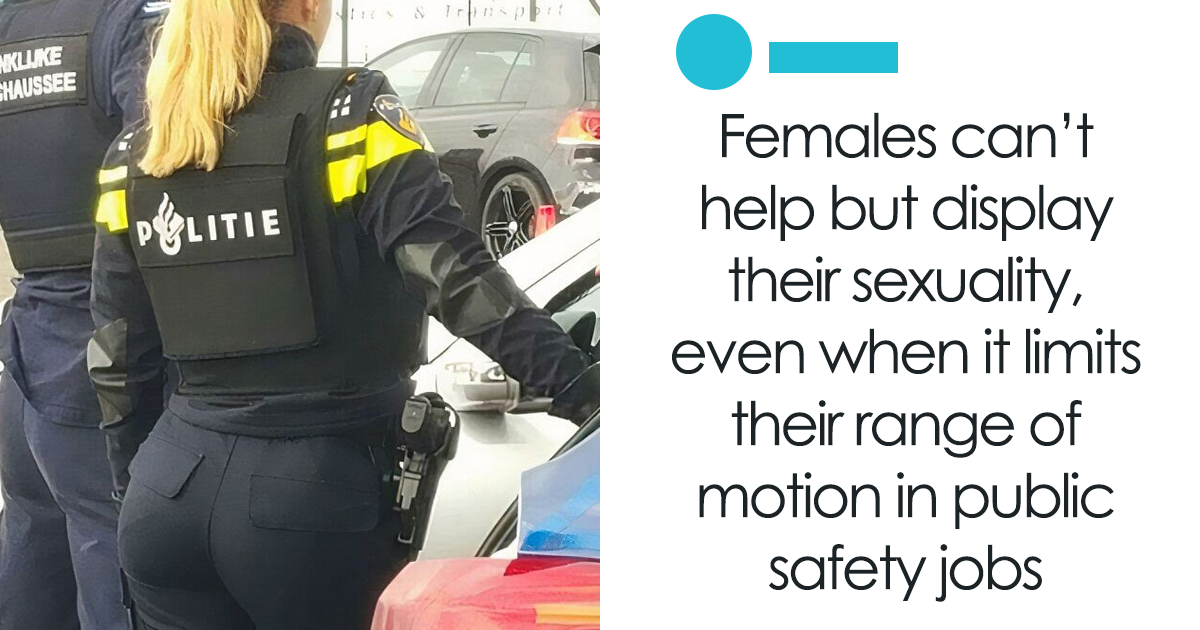
Few words can drain the humanity out of a sentence faster than using “men” for men and “females” for women. In medical, scientific, or legal contexts, “female” may be appropriate. In casual conversation, “females are too emotional” sounds less like a thought and more like a warning label.
2. The Guy Who Insulted A Woman After She Rejected Him
One minute he is calling her beautiful. The next, after she says no, he claims she was never attractive anyway. This emotional U-turn is so common online that it deserves its own traffic signal.
3. The Coworker Who Repeated A Woman’s Idea And Got Applause
A woman proposes a solution and gets silence. A man repeats it later and suddenly everyone sees fireworks. This is not collaboration; it is intellectual karaoke with stolen lyrics.
4. The Stranger Who Told A Woman To Smile
Women do not exist as public mood lighting. Telling a stranger to smile is not charming. It is a reminder that some men still think women’s faces are community property.
5. The Man Who Mansplained A Woman’s Own Profession
From male patients correcting female doctors to strangers explaining engines to female mechanics, the internet has seen countless examples of men giving beginner lectures to experts. Confidence is great. Unlicensed confidence with a foghorn is less great.
6. The Date Who Expected A Therapist, Not A Partner
Some men arrive at dinner with unresolved trauma, three ex stories, and the expectation that the woman across the table will provide emotional triage between appetizers. Emotional honesty is healthy. Treating a date like a walk-in clinic is not.
7. The Commenter Who Judged A Woman’s Body Instead Of Her Point
When a woman posts about politics, science, sports, or business, some replies ignore the topic and attack her appearance. That is not debate. That is intellectual surrender wearing gym shorts.
8. The Boss Who Asked A Woman To Take Notes By Default
In many workplaces, women are expected to handle “office housework”notes, birthdays, scheduling, emotional smoothing, and invisible support tasks. These jobs matter, but they rarely lead to promotions.
9. The Man Who Treated Housework Like “Helping”
When a man says he “helps” with the home he lives in, the internet often responds with the energy of a thousand raised eyebrows. Adults do not babysit their own children or help with their own dishes. They participate.
10. The Guy Who Used Feminism Only When The Bill Arrived
Equality is not a coupon code to use selectively. If a man supports fairness only when it benefits his wallet, people notice.
11. The Man Who Dismissed A Woman’s Anger As Hormones
Calling a woman “hormonal” when she is reasonably upset is a classic deflection. It avoids accountability by pretending biology is louder than bad behavior.
12. The Gamer Who Assumed Every Female Player Was Bad
Women in gaming often face gatekeeping, harassment, and disbelief about their skills. Then some of them outperform the loudest critic, and suddenly the microphone gets very quiet.
13. The Man Who Mistook Boundaries For Rudeness
A woman declining a drink, a conversation, a hug, or a phone number is not “mean.” It is a boundary. Healthy adults do not need a federal hearing to accept the word no.
14. The “Nice Guy” Who Kept A Scoreboard
Kindness is not a vending machine where compliments go in and romance comes out. When “nice” becomes a contract, it stops being nice.
15. The Man Who Made A Woman’s Achievement About Her Looks
When a woman wins an award, launches a company, earns a degree, or completes a marathon, the correct response is not “You look hot.” Compliments are fine. Reducing accomplishment to appearance is not.
16. The Colleague Who Interrupted Every Woman In The Meeting
Interruption is one of the most common forms of casual workplace disrespect. It sends a simple message: your voice is background music until I decide to solo.
17. The Man Who Expected Women To Laugh At Sexist Jokes
“It was just a joke” is often the umbrella people open after raining disrespect everywhere. A joke that relies on humiliating women is not edgy. It is dusty.
18. The Online Troll Who Sent Threats After Losing An Argument
Online disagreement should not turn into threats, stalking, or harassment. Yet women who speak publicly often face gendered abuse designed to push them out of the conversation.
19. The Man Who Treated Consent Like Fine Print
Consent is not a technicality, a mood killer, or something to be negotiated after refusal. It is the foundation. Anyone confused by that should not be dating until the software updates.
20. The Friend Who Protected A Creepy Man To “Avoid Drama”
Silence is not neutral when someone is being mistreated. Many viral callouts begin because private warnings were ignored, minimized, or buried under the sacred phrase “he didn’t mean it.”
21. The Man Who Accused Women Of Being Gold Diggers For Having Standards
Wanting reliability, respect, ambition, or basic hygiene is not greed. Sometimes “gold digger” just means “woman who noticed the red flags came with a marching band.”
22. The Manager Who Penalized Mothers But Praised Fathers
Mothers are often questioned about commitment, while fathers may be praised for basic caregiving. This double standard is one reason workplace equality cannot be measured only by hiring numbers.
23. The Man Who Turned A Woman’s Safety Concern Into An Ego Injury
If a woman crosses the street, shares her location, or refuses a late-night ride, the correct response is understandingnot offense. Her safety strategy is not an insult to your personality.
24. The Commenter Who Claimed Women “Ask For It”
Victim-blaming remains one of the ugliest forms of disrespect. Clothing, friendliness, drinking, dancing, or posting selfies does not excuse harassment or assault.
25. The Man Who Expected Praise For Basic Decency
Not harassing women is not a heroic achievement. It is the social equivalent of returning a shopping cart: appreciated, but please do not demand a statue.
26. The Relative Who Told A Girl She Was “Bossy” While Praising Boys As Leaders
Gender bias starts early. The same behavior can be labeled confidence in boys and attitude in girls. Over time, those labels teach children who is allowed to take up space.
27. The Man Who Shared Private Messages To Mock A Woman
Posting private conversations to humiliate someone is not accountability; it can be cruelty. But when screenshots reveal harassment, threats, or manipulation, they can also become evidence.
28. The Guy Who Called Women “Too Emotional” During His Own Meltdown
Few things are more cinematic than a man yelling that women are irrational while turning red enough to qualify as a stop sign.
29. The Man Who Believed Expertise Only When It Came From Another Man
Whether in medicine, finance, construction, academia, or tech, women experts often report being doubted until a man validates them. Respect should not need a male translator.
30. The Public Figure Who Forgot The Internet Records Everything
Some men make sexist comments with the confidence of someone who thinks screenshots are a myth. Then the internet arrives with timestamps, archives, and the calm efficiency of a tax auditor.
What Online Shaming Gets Rightand What It Gets Wrong
Public callouts can help expose behavior that institutions ignore. They can warn others, validate victims, and push companies, communities, or platforms to take action. When a woman posts evidence of harassment and receives support, she may feel less isolated and more believed.
But online shaming also has limits. It can become disproportionate. It can spread without context. It can encourage dogpiling, harassment, or permanent punishment for behavior that might be better handled through correction, apology, education, or formal reporting. Accountability should not become entertainment that forgets there are real people involved.
The healthiest form of accountability focuses on behavior, evidence, impact, and change. It avoids doxxing, threats, and dehumanization. In other words, the goal should be fewer harmful behaviorsnot simply more viral villains.
Why Men Should Pay Attention To These Stories
Men who respect women should not read these examples defensively. They should read them practically. If a behavior looks familiar, learn from it. If a friend does it, challenge it. If a woman says something made her uncomfortable, listen before drafting your closing argument.
Many men underestimate how often women calculate risk in ordinary situations. A woman may think about where she parks, how she rejects someone, whether to use her real photo online, whether to speak in a meeting, or whether reporting harassment will backfire. That constant safety math is exhausting, and it is often invisible to people who do not have to do it.
Respect is not complicated. Do not interrupt. Do not objectify. Do not punish rejection. Do not assume incompetence. Do not turn women’s boundaries into personal insults. Do not make jokes that require someone else’s dignity as fuel. The bar is on the floor, but somehow a few people still bring a shovel.
How Women Can Respond To Disrespect Online
There is no single perfect response to disrespect. Sometimes the safest choice is ignoring, blocking, documenting, and reporting. Sometimes a direct reply works. Sometimes public exposure is appropriate, especially when private correction fails or the behavior threatens others.
Documentation matters. Screenshots, dates, usernames, emails, and witness accounts can help if a situation escalates or needs to be reported to a platform, employer, school, or legal authority. Women should not have to become part-time archivists just to be believed, but in many systems, evidence still matters.
Support networks matter too. A trusted friend, colleague, moderator, HR contact, advocacy organization, or legal resource can help assess the next step. The internet may be loud, but real support is often quieter: someone checking in, confirming that the behavior was not okay, and helping the target regain control.
How Communities Can Do Better
Online communities, workplaces, schools, and friend groups all set norms. If sexist behavior is treated as harmless, it grows. If it is challenged early, it loses oxygen. Communities do not need to wait for a scandal to create standards.
Clear rules help: no harassment, no threats, no sexual comments about unwilling participants, no gender-based insults, no retaliation, and no “boys will be boys” discount code at checkout. Moderators and leaders should enforce these standards consistently, not only when a post goes viral.
Bystanders also have power. A simple “That is not okay,” “Let her finish,” or “Do not talk about her that way” can interrupt disrespect before it becomes normalized. Public correction does not always require a dramatic speech. Sometimes it is just refusing to laugh.
Personal Experiences And Lessons Related To This Topic
One of the most common experiences women describe is the strange pressure to manage disrespect politely. A woman may be insulted, interrupted, flirted with aggressively, or dismissed, and still feel expected to respond in a way that protects the other person’s comfort. If she is firm, she is rude. If she is quiet, she is weak. If she jokes, the disrespect continues. If she calls it out, she is “making drama.” This is the social trap that makes online callouts feel satisfying to many readers: they finally break the rule that women must absorb discomfort silently.
Another familiar experience is the slow buildup of small incidents. One comment may not seem worth confronting. One interruption may pass. One patronizing explanation may be annoying but survivable. But after years of being questioned, corrected, evaluated, and minimized, a small moment can carry the weight of every similar moment before it. That is why outsiders sometimes misunderstand a woman’s reaction. They see one spark. They do not see the whole pile of dry wood.
Workplace disrespect can be especially difficult because women often have to balance truth against consequences. Calling out a colleague, manager, client, or customer can risk reputation, opportunities, income, or safety. This is why private systems must work better. If formal reporting channels feel useless or dangerous, people will turn to informal channels, including public platforms. Online shame often grows in the space where official accountability failed.
Dating culture provides another set of lessons. Many women have stories about men who were charming until they heard no. Rejection reveals character quickly. A respectful person accepts it and moves on. A disrespectful person negotiates, insults, pressures, or tries to make the woman feel guilty for having preferences. When these exchanges are posted online, people react strongly because the pattern is so recognizable. A screenshot becomes more than one bad message; it becomes evidence of a wider belief that women owe access, attention, or approval.
There is also a lesson for men who want to be allies without turning the moment into a personal branding campaign. The most useful men are not the ones who announce, “As a father of daughters…” before discovering women are people. The useful ones challenge disrespect when no applause is available. They talk to other men. They stop sexist jokes in private spaces. They share credit at work. They believe women without demanding a courtroom-level presentation for every uncomfortable experience. They understand that respect is not a performance; it is a pattern.
Finally, the topic reminds us that humor can be a powerful tool when used carefully. Jokes can expose absurdity, lower defensiveness, and make social criticism easier to digest. But humor should punch up at bad behavior, not down at people who were harmed. The best online responses often combine wit with clarity: they name the disrespect, refuse the excuse, and make the lesson memorable. A good callout does not need cruelty to be effective. Sometimes the sharpest response is simply the truth, polished until it shines.
Conclusion
Stories about men disrespecting women and getting shamed online are popular because they reveal behavior many people recognize but too often excuse. The viral moment may be funny, shocking, or painfully relatable, but the deeper issue is about respect, safety, and accountability. Women should not have to rely on screenshots to be believed. Men should not wait for public embarrassment to practice basic decency. Communities should not treat sexism as background noise until it becomes a trending topic.
The internet can be chaotic, but it also has a way of holding up a mirror. Sometimes that mirror shows progress. Sometimes it shows a man typing “females” into a comment box like he is narrating a wildlife documentary. Either way, the lesson is simple: respect women in private, in public, online, offline, at work, on dates, in comment sections, and everywhere else humans gather to test each other’s patience.














