
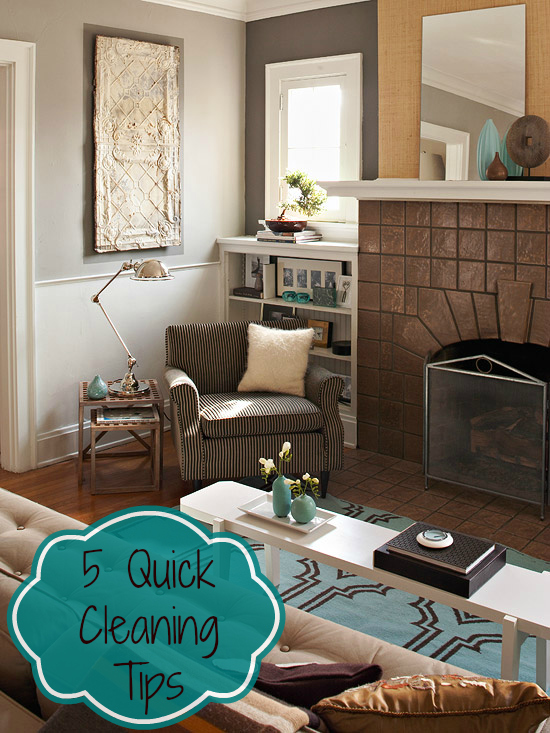
You know that magical moment when someone texts, “Be there in 20!” and suddenly your home looks like it just lost a wrestling match with a laundry basket? This is the cleaning universe’s way of testing your character. Or your ability to shove everything into a closet and pretend that was the plan.
The good news: a home doesn’t have to be perfect to look clean. What most people notice first is clutter, odors, crumbs, and bathroom/kitchen “ick.” If you handle those quickly (and in the right order), your place can go from “lived-in” to “company-ready” with surprisingly little effort.
Below are 5 quick house cleaning tips that prioritize maximum visual impact in minimum timeplus mini checklists, examples, and a “real life” section at the end for when motivation is running on fumes and vibes.
Why “Quick Cleaning” Works (Even If You’re Busy)
Speed cleaning isn’t about scrubbing your baseboards with a toothbrush while inspirational music plays. It’s about choosing tasks that change how the room feels quickly: clear surfaces, reset sinks, tame floors, and fix the areas that broadcast “mess” from across the room.
A smart quick-clean also protects your future self. A short daily or near-daily reset keeps grime from “baking in,” which is when cleaning becomes a dramatic, all-day event with snack breaks and existential questions like, “How did we accumulate 37 cups?”
Tip 1: Set a Timer and Pick a Finish Line
If you want fast results, stop cleaning “until it’s done.” That’s how you end up reorganizing a junk drawer at midnight, holding a mystery key and whispering, “What do you unlock?” Set a timer and define a finish line: one room, one zone, or one visible goal.
How to do it (10–20 minutes)
- Choose a time box: 10 minutes for a micro-reset, 15 minutes for a meaningful refresh, 20 minutes if you’ve got momentum.
- Choose a zone: kitchen + living room, or “everything guests can see from the couch.”
- Work like a contestant on a game show: no phone, no sorting old mail, no “quickly” trying on outfits.
- Stop when the timer ends: this keeps cleaning from taking over your day and makes it easier to start next time.
Example finish lines
- Kitchen finish line: empty sink + cleared counters + swept visible crumbs.
- Living room finish line: clear coffee table + couch pillows reset + floors vacuumed in high-traffic lanes.
- Whole-home finish line: everything off the floor + trash out + one “high-touch” wipe-down pass (more on that below).
The timer trick works because it removes decision fatigue. You’re not asking, “Should I also clean the blinds?” You’re asking, “What’s the biggest improvement I can make in 15 minutes?” That’s a much friendlier question.
Tip 2: Declutter First, Clean Second (Because Dusting Around Stuff Is a Trap)
Cleaning around clutter is like trying to mop during a toddler paradetechnically possible, emotionally confusing. When surfaces are clear, cleaning is faster, and rooms look instantly calmer.
The 3-minute “sweep and stash” method
- Grab two containers: a laundry basket (for “belongs elsewhere”) and a bag (for trash/recycling).
- Start with flat surfaces: kitchen counters, coffee table, bathroom vanity, nightstands.
- Don’t organizerelocate: put items in the basket. You’ll deliver them later (or… tomorrow. We don’t judge).
The 10-for-10 mini game (for stubborn clutter)
If you’re stuck, make it a quick challenge: remove 10 items in 10 minutestrash, recycling, donations, or “not sure” items that can live in a designated bin for later decisions.
Bonus habit that professional organizers love: “Don’t put it down, put it away.” It sounds annoyingly simple because it is. And it works because it prevents clutter from becoming a full-time roommate.
Tip 3: Clean Top-to-Bottom and Dry-to-Wet (So You Don’t Redo Work)
If you want a house that looks clean fast, order matters. The classic speed-clean sequence is: top-to-bottom (dust falls downward) and dry-to-wet (remove crumbs and hair before mopping or wiping). This prevents the dreaded double-cleanaka “I just wiped that, why is it dirty again?”
A fast, efficient order
- High dusting: ceiling fans, vents, shelf tops (use a duster or microfiber cloth).
- Mid-level wipe: tables, counters, cabinet fronts (focus on what’s visible).
- Glass & mirrors: quick polish for instant “sparkle points.”
- Floors last: quick vacuum/sweep, then spot-mop only if needed.
Specific example: “I have 12 minutes” living room pass
- Pick up floor items and toss blankets neatly (2 minutes).
- Dust TV stand and coffee table (2 minutes).
- Wipe smudges from glass table/TV screen area carefully (2 minutes).
- Vacuum high-traffic lanes and under the coffee table (6 minutes).
This isn’t deep cleaning. This is making the room look and feel cared for. Think “movie set,” not “museum.”
Tip 4: Make the Kitchen Sink Your “Reset Button”
If your kitchen has one “mood-setting” feature, it’s the sink. A full sink makes the entire room feel messyeven if everything else is fine. A clean sink does the opposite: it signals, “We’ve got our life together,” even if your laundry situation says otherwise.
The 2–5 minute sink reset
- Clear it: dishes into dishwasher (or neatly stacked if the dishwasher is… emotionally unavailable).
- Scrub quickly: use dish soap or a cream cleanser; hit the basin and faucet.
- Rinse and dry: drying prevents water spots and keeps it looking polished.
Pair it with a 15-minute kitchen speed clean
Once the sink is clean, everything else gets easier. In one focused session, aim for: counters cleared and wiped, stovetop quick wipe, trash out, and a fast sweep in visible areas. Fresh towels are a small detail that makes a big “clean” impression.
Tip 5: Do a “High-Touch Hit List” + a 5-Minute Bathroom Swipe
Want the fastest “this place is clean” boost? Hit the spots people touch and the spots people fear. That usually means high-touch surfaces plus a quick bathroom reset.
High-touch hit list (3–6 minutes)
- Doorknobs and light switches
- Remote controls and game controllers
- Fridge handle, microwave keypad, cabinet pulls
- Faucet handles
- Phone screens (use appropriate screen-safe wipes)
Bathroom swipe (5 minutes, no spiraling)
- Clear the counter: stash items in a drawer or bin (60 seconds).
- Mirror: quick wipe (30 seconds).
- Sink: soap + quick scrub + rinse (60–90 seconds).
- Toilet: quick bowl scrub + wipe seat/exterior (2 minutes).
- Finish move: replace hand towel, empty trash if needed (30 seconds).
If you’re disinfecting, remember: many disinfectants require a contact time (the surface stays visibly wet for a certain number of minutes) to work effectively. Translation: a quick spritz-and-instant-wipe may be cleaning, but it might not be disinfecting.
Quick Room-by-Room Mini Checklists (5 Minutes Each)
Use these when you want speed without thinking. Thinking is overrated when you’re holding a mop.
Kitchen (5 minutes)
- Load/empty dishwasher (or stack neatly)
- Clear and wipe counters
- Sink reset (scrub + dry)
- Quick sweep in visible zones
Living Room (5 minutes)
- Trash out + cups to kitchen
- Reset pillows/blankets
- Clear coffee table
- Vacuum crumbs in high-traffic spots
Bathroom (5 minutes)
- Clear counter
- Wipe mirror and sink
- Quick toilet pass
- Swap towel (instant upgrade)
Bedroom (5 minutes)
- Make the bed (largest visual impact per second)
- Clothes into hamper
- Nightstand clear
- Quick floor pickup
Common Time-Wasters to Avoid (A Love Letter to Doing Less)
- Switching rooms mid-task: finish one zone before wandering off like a cleaning Roomba.
- Over-spraying product: more cleaner doesn’t mean more cleanoften it just means more wiping.
- Starting with floors: dust and crumbs fall down. Floors are the grand finale.
- Organizing during a speed clean: speed cleaning is “reset,” not “rearrange your entire pantry alphabetically.”
- Using too many products: one all-purpose cleaner + glass cleaner + bathroom product is plenty for most quick cleans.
Safety + Product Smarts in 60 Seconds
Quick cleaning should never become a chemistry experiment. A few fast rules keep things safe and effective:
- Never mix bleach with ammonia (or other cleaners). Dangerous gases can form.
- Ventilate: open windows/doors when using strong cleaners or disinfectants.
- Follow label directions: especially for disinfectants, including contact time.
- Use the right tool: microfiber cloths and a decent vacuum often beat “miracle” products.
How to Make It Stick: A Simple 7-Day Maintenance Loop
If you want “clean-ish” to be your default setting, borrow a routine approach: do 15–20 minutes of upkeep on weekdays so weekends don’t turn into a cleaning marathon. Think of it as paying a small cleaning “subscription” instead of a large cleaning “invoice.”
Sample week (mix and match)
- Mon: kitchen reset + wipe appliances
- Tue: bathroom swipe + towel swap
- Wed: floors in main areas
- Thu: dust + high-touch hit list
- Fri: “company-ready” 15-minute sprint (living room + entry)
The goal isn’t perfection. The goal is a house that’s easy to bring back to “pretty good” in under 20 minutes.
Conclusion
The fastest way to make your home look clean is to focus on what’s most visible and most used: clear surfaces, reset the sink, do a top-to-bottom pass, finish with floors, and hit the high-touch spots. These 5 quick house cleaning tips aren’t about doing everythingthey’re about doing the right things in the right order.
Next time you’re tempted to rage-clean the entire house, set a timer instead. Your future self will thank you. Your knees will also send a handwritten note of appreciation.
Real-Life Experiences: What Actually Makes a Home Look Clean Fast
Let’s talk about the part no one puts in the “perfect home” photos: most households don’t need a constant deep cleanthey need a reliable reset. The people who feel like their home “stays cleaner” aren’t usually cleaning harder. They’re cleaning smarter, and they’re choosing small habits that prevent mess from turning into a full weekend project.
One common pattern is the “countertop effect.” In a busy kitchen, the counter becomes a landing pad for backpacks, mail, chargers, groceries, and that one mug you keep reheating. When counters are crowded, the room feels chaoticeven if the floor is clean. A quick win is treating counters like a runway: clear for takeoff. In real homes, people who do a nightly 3-minute counter sweep (basket + trash bag) often wake up feeling like the whole kitchen is calmer. It’s not magicit’s visibility. Your brain relaxes when it sees open space.
Another real-world lesson: the sink is emotional. A messy sink signals unfinished business. When you reset itjust a fast scrub and dryit changes the “vibe” of the entire kitchen. Plenty of folks find that if they only do one thing at night, a clean sink makes the morning easier. It also reduces the chance of the next-day pileup that somehow multiplies overnight like dishes are running a loyalty program.
Bathrooms have their own psychology. A bathroom can be mostly fine, but if the mirror is speckled and the faucet has toothpaste freckles, it screams “neglect.” People who swear they have “no time” often do better with a five-minute bathroom swipe than with a big Saturday clean. The trick is refusing to spiral: you’re not scrubbing grout; you’re restoring order. Clear the counter, wipe the sink, quick toilet pass, fresh hand towel. Done. It’s amazing how much cleaner it feels when the small visual cues are handled.
Floors are the final boss, but not the whole video game. In lived-in spaces with kids, pets, or both, doing “perfect floors” daily is a trap. What works better in practice is a high-traffic lane vacuumthe obvious crumbs and hair where people actually walk. This is the difference between “I cleaned and it still looks messy” and “Wow, it looks so much better.” Save the detailed edge work for when you have time or motivation (or a sudden urge to audition for a cleaning show).
Finally, the most consistent experience people report is that timers change everything. A 10–20 minute sprint feels doable. It removes the pressure to finish the entire house, and it makes progress measurable. Over time, these small sprints stack up. You don’t get a spotless homeyou get a home that’s quick to recover, which is the real goal for busy households. The win is walking into your space and thinking, “Okay, this feels good,” not “I need a vacation just to clean.”












