
Protein has a funny public image. One minute it is flexing on a gym poster next to a dumbbell the size of a small refrigerator; the next, it is quietly sitting in a bowl of lentil soup doing the unglamorous work of keeping your body repaired, fueled, and functioning. But here is the twist: needing more protein does not always look like dramatic muscle loss or a medical emergency. Sometimes, it looks like an afternoon snack attack that could out-negotiate a toddler, sore legs that refuse to forgive you, or hair that suddenly seems to be auditioning for a disappearing act.
Registered dietitians often point out that true protein deficiency is uncommon for many people in the United States, especially those eating enough calories and a varied diet. Still, “not deficient” and “getting the right amount for your body” are not always the same thing. Your protein needs can rise with age, exercise, weight-loss efforts, illness recovery, pregnancy, injury, or simply a routine that leaves breakfast looking like coffee and optimism.
This guide explores five surprising signs you may need more protein, why they happen, and how to add protein-rich foods in a realistic, non-boring way. No chalky-shake worship required. Chicken, Greek yogurt, tofu, beans, eggs, fish, edamame, cottage cheese, lentils, nuts, seeds, and even humble peanut butter all get invited to the party.
Why Protein Matters More Than You Think
Protein is one of the three major macronutrients, along with carbohydrates and fat. It helps build and repair tissues, supports muscle, contributes to immune function, plays a role in hormones and enzymes, and helps keep meals satisfying. In plain English: protein is not just for biceps. It is for skin, hair, nails, bones, blood, metabolism, and the very important task of not feeling like a snack-seeking raccoon at 3 p.m.
The Recommended Dietary Allowance for protein for an average sedentary adult is commonly listed as 0.8 grams per kilogram of body weight per day. That is a baseline designed to prevent deficiency, not necessarily the perfect target for every lifestyle. Active adults, older adults, people recovering from injury, and those trying to preserve muscle during weight loss may need more. The best amount depends on body size, health status, age, fitness routine, and dietary pattern.
Dietitians usually recommend spreading protein across the day rather than saving it all for one giant dinner. Your body can use protein more efficiently for muscle repair and satiety when meals and snacks include steady, high-quality sources. Translation: a protein-rich breakfast may do more for your energy than a sad granola bar eaten while answering emails with one shoe on.
5 Surprising Signs You Need More Protein
1. You Feel Hungry Again Soon After Eating
If you finish lunch and feel hungry 45 minutes later, your body may not be applauding your “light meal” strategy. It may be filing a formal complaint. Protein helps slow digestion and supports satiety, which means it can help you feel full and steady for longer. Meals that are mostly refined carbohydrates, such as a plain bagel, a bowl of sugary cereal, or pasta without much protein, can leave you feeling satisfied briefly and then suddenly interested in eating everything not nailed down.
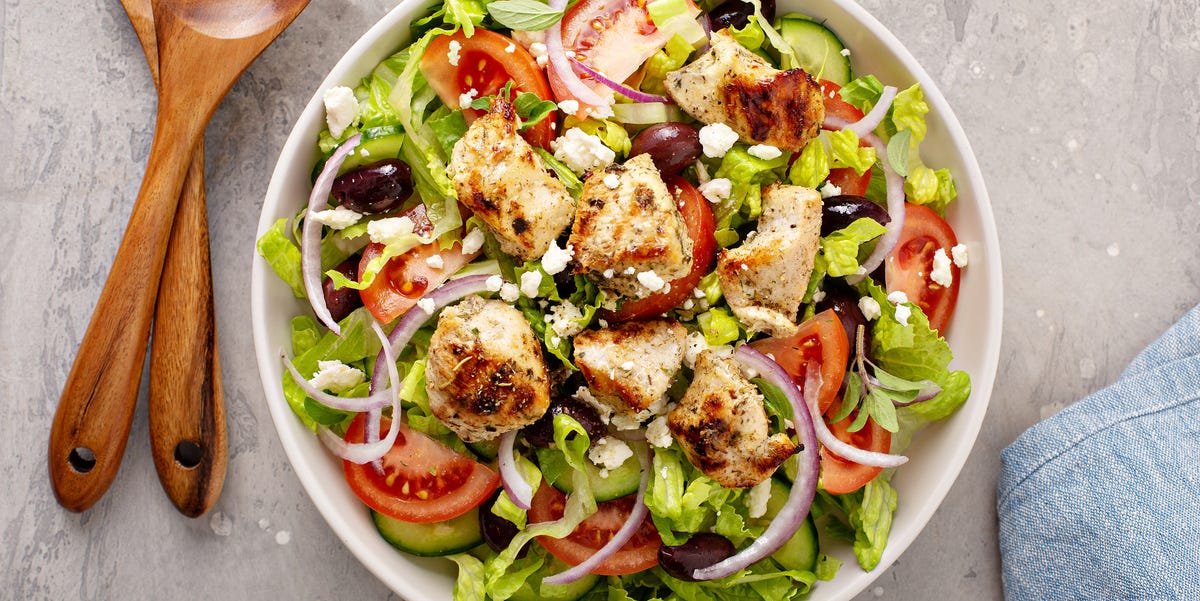
This does not mean carbohydrates are bad. Your body loves carbohydrates for energy. The issue is balance. A meal with carbohydrates, fiber-rich plants, healthy fats, and protein tends to hold up better than a carb-only meal. For example, toast with jam is tasty but may not last long. Toast with eggs, avocado, or cottage cheese brings more staying power. A salad with only lettuce and cucumbers may feel virtuous, but add grilled chicken, tofu, salmon, chickpeas, lentils, or edamame and suddenly it becomes a meal instead of a weather report.
Dietitians often look at frequent hunger in context. Are you eating enough total calories? Are you skipping meals? Are you sleeping poorly? Are you under stress? All of these can affect appetite. But if your meals routinely lack protein, your hunger cues may be waving a tiny red flag.
2. Your Workouts Leave You Sore for Too Long
A little post-workout soreness is normal. Walking down stairs like a newborn giraffe after leg day? Also, unfortunately, normal sometimes. But if you feel unusually sore for days, struggle to recover between workouts, or notice your strength is not improving despite consistent exercise, your protein intake may deserve a closer look.
Exercise creates small amounts of muscle stress. Protein provides amino acids, the building blocks your body uses for repair and growth. Without enough protein, recovery can feel sluggish, and your body may have a harder time adapting to training. This is especially relevant if you lift weights, run long distances, do high-intensity workouts, or recently increased your activity level.
A practical move is to include protein within a few hours after exercise, along with carbohydrates to refill energy stores. Good options include Greek yogurt with fruit, eggs and whole-grain toast, a turkey sandwich, tofu stir-fry with rice, a tuna bowl, cottage cheese with berries, or a smoothie made with milk, soy milk, Greek yogurt, or protein powder if needed. Protein powder is convenient, but it is not magic dust. Whole foods can absolutely do the job.
3. You Are Losing Muscle or Feeling Weaker
One of the sneakiest signs of not getting enough protein is gradual muscle loss. It may not show up as a dramatic change on the scale. In fact, your weight can stay the same while your body composition shifts. You may notice grocery bags feel heavier, stairs seem ruder than usual, or your once-easy workout now feels like it was designed by a villain.
Muscle naturally becomes harder to maintain with age, especially without strength training and adequate protein. Adults can begin losing muscle mass gradually after early adulthood, and the process can accelerate later in life. Protein, paired with resistance exercise, helps support muscle maintenance. This matters not only for appearance or athletic goals, but for balance, metabolism, independence, and long-term health.
If you are trying to lose weight, protein becomes even more important. When calories drop, your body needs enough protein to help preserve lean mass. A diet built mostly on low-calorie snacks, plain salads, and “I forgot to eat lunch” energy can backfire by making you hungrier and weaker. Instead, aim for meals that include a protein anchor: eggs at breakfast, beans at lunch, fish at dinner, tofu in stir-fries, yogurt as a snack, or lean meat when it fits your preferences.
4. Your Hair, Skin, or Nails Seem Less Happy
Hair, skin, and nails are not just beauty concerns; they can reflect nutrition status. Protein helps form keratin, collagen, and other structural components of the body. When intake is very low, the body may prioritize essential functions over hair growth or nail strength. That does not mean every broken nail equals “protein emergency.” If that were true, half the country would be diagnosed after opening a stubborn can of sparkling water.
Still, thinning hair, brittle nails, dry skin, or slower healing can sometimes appear when overall nutrition is inadequate, including protein intake. These changes can also be caused by iron deficiency, thyroid issues, hormonal shifts, stress, illness, certain medications, aging, or restrictive dieting. That is why dietitians and clinicians usually avoid blaming one nutrient without looking at the bigger picture.
If your hair or nails have changed noticeably, consider what your meals have looked like over the past few months. Have you cut out major food groups? Are you eating enough calories? Did you switch to a plant-based diet without replacing animal proteins with beans, lentils, soy foods, nuts, seeds, and whole grains? Did breakfast become an iced coffee with a side of good intentions? If so, adding consistent protein may help support healthier growth over time.
5. You Keep Getting Sick or Healing Slowly
Protein supports immune function and tissue repair. If you are not getting enough, your body may have a harder time making the immune cells and compounds it needs to defend itself. You may also notice cuts, scrapes, or minor injuries seem to take longer to heal. Again, protein is not a superhero cape. You still need sleep, fluids, vitamins, minerals, and medical care when appropriate. But protein is part of the repair crew, and the crew cannot build a house with vibes alone.
This sign matters most if you are recovering from surgery, injury, burns, illness, or intense physical stress. Older adults, people with poor appetite, those on highly restrictive diets, and individuals with conditions that affect digestion or absorption may be at greater risk of inadequate intake. In these cases, a registered dietitian can help create a plan that meets protein needs without overwhelming the appetite or digestive system.
Easy protein additions can make a difference: add Greek yogurt to breakfast, blend silken tofu into smoothies, stir beans into soup, use milk or fortified soy milk in oatmeal, snack on roasted chickpeas, add eggs to grain bowls, or choose fish, poultry, tempeh, lean meat, or lentils at dinner. The goal is not to eat like a bodybuilder unless you are one. The goal is to give your body enough building blocks to do its daily maintenance work.
How Much Protein Do You Really Need?
There is no single perfect number for everyone. A common baseline is 0.8 grams of protein per kilogram of body weight per day. To estimate that, divide your weight in pounds by 2.2 to get kilograms, then multiply by 0.8. For example, a 165-pound adult weighs about 75 kilograms, which equals about 60 grams of protein per day as a baseline.
However, many people may benefit from more than the minimum, especially if they are active, over age 50, trying to lose weight while preserving muscle, pregnant, breastfeeding, recovering from injury, or eating less due to appetite changes. Some experts recommend aiming for roughly 20 to 30 grams of protein per meal as a practical starting point, though personal needs vary.
The quality of the overall diet matters, too. Protein should not push vegetables, fruits, whole grains, and healthy fats off the plate. A plate with grilled salmon but no fiber is not automatically superior to a balanced bowl with lentils, brown rice, greens, olive oil, and pumpkin seeds. The best protein plan is one that fits your health needs, budget, culture, taste preferences, and actual Tuesday-night energy level.
Best Protein-Rich Foods to Add to Your Day
Animal-Based Protein Options
Animal-based protein foods often provide all essential amino acids in useful amounts. Options include eggs, fish, seafood, poultry, lean beef, pork tenderloin, Greek yogurt, cottage cheese, milk, and cheese. Fatty fish such as salmon, sardines, and trout also provide omega-3 fats. Choosing leaner cuts and preparing foods by grilling, baking, roasting, or sautéing can help keep meals balanced.
Plant-Based Protein Options
Plant-based protein can absolutely support a healthy diet. Beans, lentils, chickpeas, split peas, tofu, tempeh, edamame, soy milk, nuts, seeds, peanut butter, quinoa, and whole grains all contribute protein. Soy foods are especially protein-dense and versatile. If you eat fully plant-based, variety matters. Combining different plant proteins across the day helps provide the amino acids your body needs.
Simple Protein Upgrades That Do Not Require a Life Makeover
You do not need to meal prep 42 identical containers while wearing a motivational tank top. Start small. Add a scoop of Greek yogurt to a smoothie. Put chickpeas in a salad. Swap plain toast for toast with eggs or nut butter. Add tofu to ramen. Choose lentil pasta. Sprinkle hemp seeds on oatmeal. Keep tuna packets, roasted edamame, cottage cheese, boiled eggs, or hummus nearby for quick snacks.
Breakfast is often the easiest place to improve. Many people start the day with mostly carbohydrates: cereal, toast, muffins, or fruit. Add protein and the meal becomes more durable. Try oatmeal cooked with milk and topped with nuts, a breakfast burrito with eggs and beans, Greek yogurt with berries, tofu scramble, cottage cheese with peaches, or smoked salmon on whole-grain toast.
When to Talk to a Professional
If you suspect you are not getting enough protein, a registered dietitian can help you calculate a realistic target and build meals around foods you actually like. This is especially useful if you have kidney disease, liver disease, diabetes, digestive disorders, a history of eating disorders, unexplained weight loss, major appetite changes, or symptoms such as swelling, severe fatigue, hair loss, poor wound healing, or frequent infections.
More protein is not automatically better. Extremely high-protein diets can crowd out fiber-rich foods and may not be appropriate for everyone. The sweet spot is enough protein, not endless protein. Your fork does not need to become a math teacher, but a little awareness can prevent meals from drifting too low.
Real-Life Experience: What Adding More Protein Can Feel Like
Imagine someone named Maya. She is not a professional athlete, not a macro-counting wizard, and not the kind of person who owns six shaker bottles. She works at a desk, walks her dog, takes a weekend fitness class, and eats what most busy adults eat: whatever is fast, available, and does not require washing three pans. Her breakfast is usually coffee and toast. Lunch is a salad or leftovers. Dinner is decent, but by 9 p.m. she is wandering through the kitchen like she has been personally summoned by a bag of chips.
At first, Maya assumes she has a willpower problem. But when she looks at her meals, the pattern is obvious: breakfast has almost no protein, lunch is mostly vegetables and dressing, and dinner carries the whole day like an exhausted parent at a theme park. Her body is not being dramatic. It is simply under-supplied earlier in the day.
She starts with breakfast. Nothing fancy. She adds Greek yogurt with berries two days a week, eggs with toast on two other days, and oatmeal made with milk plus peanut butter when mornings are chaotic. Within a week, she notices the 10:30 a.m. snack emergency is less aggressive. The office vending machine no longer looks like a spiritual destination.
Next, she upgrades lunch. Her salad gets grilled chicken, chickpeas, tuna, tofu, or leftover turkey. If she brings soup, she chooses lentil, bean, chicken, or split pea instead of a broth-only option that disappears from her stomach in 18 minutes. She keeps roasted edamame and string cheese at work for days when meetings attack the calendar.
After a few weeks, Maya’s workouts feel different. She is not suddenly lifting cars in the parking lot, but she recovers better. Her legs are less sore after class. She feels steadier during afternoon walks. Her cravings are not gone, because she is human and cookies continue to exist, but they are less urgent. Eating enough protein did not turn her into a different person. It simply made her day feel less like a series of energy negotiations.
This kind of experience is common. Many people do not need a complete diet overhaul. They need a protein anchor at meals, especially breakfast and lunch. They need snacks that do more than crunch. They need to stop treating protein like a dinner-only nutrient. Small changes can create a noticeable shift in hunger, energy, recovery, and satisfaction.
Another example is Robert, a 62-year-old who starts noticing that carrying groceries feels harder. His weight has barely changed, so he ignores it. But his meals have become lighter since retirement: toast for breakfast, soup for lunch, and a small dinner. When he adds protein throughout the day and begins basic resistance exercises, he feels stronger over time. The lesson is simple: muscle maintenance does not happen by accident, especially as we age. Protein and strength work are a practical team.
Then there is Alina, who switched to plant-based eating and felt tired for months. The problem was not plant-based eating itself. The problem was that she removed chicken, eggs, and yogurt but replaced them mostly with vegetables and rice. Once she added tofu, lentils, beans, soy milk, nuts, seeds, and higher-protein grains, her meals became more satisfying. A plant-based diet can provide plenty of protein, but it needs planning, not just subtraction.
The most useful takeaway from these experiences is not that everyone needs to chase a huge protein goal. It is that your body gives feedback. Hunger, recovery, strength, hair and nail changes, and healing can all be clues. Protein is not the answer to everything, but when intake is too low, adding more can feel surprisingly powerful.
Conclusion
The signs you need more protein can be subtle. You may feel hungry soon after meals, recover slowly from workouts, lose strength, notice changes in hair or nails, or heal more slowly than usual. These symptoms can have many causes, so protein is not the only possibility. But if your meals are missing consistent protein sources, it is worth making a few smart upgrades.
A balanced approach works best: include protein at most meals, choose a mix of animal-based or plant-based foods you enjoy, spread intake throughout the day, and pair protein with fiber-rich carbohydrates and healthy fats. Think less “extreme diet” and more “give the body what it needs before it starts sending snack-related smoke signals.”
Note: This article is for educational purposes only and is not a medical diagnosis. Anyone with kidney disease, liver disease, unexplained weight loss, persistent fatigue, hair loss, swelling, frequent infections, poor wound healing, or major appetite changes should speak with a qualified healthcare professional or registered dietitian.














