
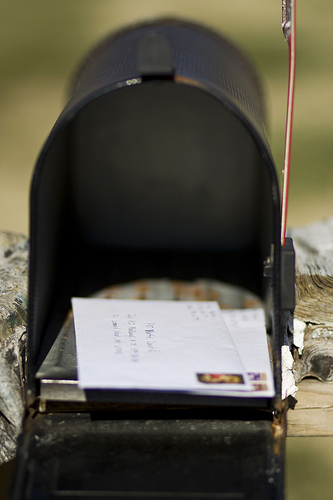
There are big wins in life, and then there are the tiny, absurdly satisfying victories that make you feel like a domestic wizard. Finding money in an old coat pocket is one. Catching the microwave at one second is another. And somewhere near the top of that glorious list is this: when you fold a piece of paper so it fits in the envelope perfectly.
Not “pretty well.” Not “good enough if nobody looks closely.” Perfectly. The kind of fold where the paper slides into the envelope like it was born for that exact mission. No buckling. No awkward corner jam. No desperate thumb shove. Just a smooth, confident tuck that says, “Yes, I am absolutely qualified to operate office supplies.”
That tiny moment deserves its place in 1000 Awesome Things because it combines usefulness, elegance, and a weird little burst of personal pride. It turns an ordinary task into a microscopic masterpiece. In a world full of passwords, pop-ups, and printers with emotional issues, a flawless paper fold feels almost heroic.
This article explores why that moment feels so good, what it says about our love of order and tactile rituals, how it connects to the long history of folded letters, and why old-school paper still has a stubborn charm even in an age where most messages arrive with a ping instead of a stamp.
Why a perfect fold feels way more satisfying than it should
Let’s be honest: this is a ridiculously small achievement. You are not curing a disease. You are not landing a plane. You are folding paper. And yet your brain reacts like you just stuck the dismount at the Olympics.
That is because people love closure, symmetry, and little signs that the world is behaving properly. A perfect fold delivers all three. The paper becomes smaller without becoming chaotic. It changes shape, but keeps its dignity. The corners line up. The edges cooperate. The envelope accepts the paper without a fight. For one brief, shining second, life is neat.
There is also a tactile pleasure to it. You feel the crease form under your fingers. You hear that soft, papery hush. You watch a full sheet become a compact, useful object. It is practical, but it also feels a little ceremonial, as if you are finishing a task the old-fashioned way and doing it well.
And that matters more than we pretend. People build their days out of small rituals. Make coffee. Tie shoes. Straighten the desk. Fold the note. Slide it in. Seal it. Send it. These tiny actions give structure to otherwise messy hours. They are not just chores. They are proof that order is still available in small, affordable portions.
The geometry of the humble envelope
Part of the joy comes from the fact that envelopes and paper are not random. They are designed around one another. In the United States, the standard business envelope is the familiar No. 10, which is sized for ordinary correspondence. That means a standard letter-size sheet can be folded down neatly to fit inside, usually with a classic tri-fold. It is not sorcery. It is paper engineering. But when you get it exactly right, it still feels like sorcery.
The beauty is in the proportion. Too few folds, and the paper is too tall. Too many, and it gets chunky and awkward. Miss the spacing, and the bottom edge peeks up like a rebellious collar. But when the thirds are clean and even, the paper drops into place with the kind of grace normally reserved for luxury car doors and well-made drawers.
This is also why mailing professionals care so much about size, thickness, and fold. Tiny design changes can affect processing, postage, and handling. In other words, the perfect fold is not just emotionally satisfying. It is the visual proof that paper and envelope are cooperating the way they were meant to.
A very old pleasure in a very old tradition
People were folding letters long before modern office supply stores started selling boxes of crisp white envelopes. For centuries, paper was often folded, sealed, and sent on its own. Before the rise of the gummed envelope, writers used folds, tucks, slits, and wax to secure private messages. The letter itself became its own container.
That history gives this small modern pleasure a little extra depth. When you fold a page for mailing today, you are participating in a very long tradition of turning flat paper into something portable, private, and purposeful. Sure, your electric bill is not exactly royal correspondence, but the mechanics are cousins.
There is something quietly wonderful about that continuity. Human beings have always wanted messages to travel safely. We have always used our hands to help words move through the world. Fold, seal, send. The tools got cleaner and cheaper, but the basic choreography stayed recognizable.
Even better, folds can carry meaning. Historians study them. Archivists notice them. A fold can hint that a document was pocketed, carried, reopened, saved, or sent in haste. That means a crease is not just a crease. Sometimes it is evidence. Sometimes it is design. Sometimes it is memory pressed into paper.
Why handwritten paper still feels different
Digital messages are fast, efficient, searchable, and wonderfully convenient. They are also a little flimsy in the soul. An email can be useful, but it rarely feels like an object. A letter does. You hold it. You unfold it. You see the pressure of the handwriting, the spacing, the pauses, the personality. The message has weight, texture, and edges.
That physicality changes the experience. Writing by hand can feel slower, but that is part of the point. Slowness forces attention. It asks you to choose words with a little more care. It turns communication into an act instead of just a transmission. And once the writing is done, the fold becomes the final touch, the gentle curtain call before the message goes out into the world.
There is also something emotionally generous about mailing a letter. You wrote it. You folded it. You addressed it. You paid to send it. That sequence says, “I spent actual effort on this.” Even a short note can feel unusually meaningful because it has traveled through your hands at every stage.
That is one reason thank-you notes and personal letters still land with such force. They do not just carry information. They carry intention. The fold is part of that intention. It tells the recipient, even before they read a word, that someone prepared this for them carefully enough to make it fit, seal, and arrive.
The comedy of getting it wrong
Of course, the perfect fold only feels so triumphant because the imperfect fold is such a clown show.
We all know the bad versions. There is the guess-and-press, where you eyeball the thirds and somehow produce one giant panel and one tiny flap like a paper accordion designed by panic. There is the double correction, where you fold it once, realize it is wrong, unfold it, refold it, and create a document that now looks like it survived a minor administrative earthquake. Then there is the envelope wrestle, where you insist the paper fits even though physics has filed a formal complaint.
These failures are funny because the task seems so simple. It is just paper. It is just an envelope. And yet a bad fold can make you feel personally rejected by geometry.
That is why the perfect version is so deeply satisfying. It is not merely success. It is redemption. It is the opposite of the lumpy, crooked, corner-crumpling disasters that haunt desks and kitchen counters everywhere.
How to get that perfect fold every time
1. Start with the paper flat and aligned
Lay the sheet on a firm surface. A soft bed or your lap is how chaos enters the chat. Flat surface, calm hands, and a brief moment of self-respect.
2. Visualize thirds, not guesses
For a standard business envelope, imagine the page divided into three even horizontal sections. The goal is balance. Not “close enough.” Balance.
3. Fold bottom up first
Bring the bottom third up. Then fold the top third down over it. This usually keeps the top edge cleaner and makes the insert smoother.
4. Sharpen the crease
Run a finger along the fold with light, even pressure. You want a crisp crease, not a paper injury. This is paper folding, not arm wrestling.
5. Insert with the folded edge first
Let the closed folded side go in first when possible. It helps prevent corners from catching and keeps the motion clean and easy.
Once you do this a few times, your hands learn the rhythm. The fold becomes almost automatic. And then one day you nail it without even thinking, glance down, and feel the tiny spark of joy that inspired this whole conversation.
Why this absolutely belongs on a list of awesome things
The best entries in 1000 Awesome Things are never just about the object or action itself. They are about the feeling hidden inside it. The surprise of delight. The ordinary moment that suddenly shines. The tiny victory that is too small for an award but too good not to notice.
Folding a piece of paper so it fits in the envelope perfectly is exactly that kind of thing. It is useful, yes, but it is also weirdly graceful. It rewards patience. It flatters competence. It gives you a little burst of “I have my life together,” even if your inbox is on fire and you ate crackers over the sink for dinner.
It also reminds us that convenience is not the only form of pleasure. Sometimes pleasure comes from friction that is just manageable enough to overcome. A digital message requires almost no ritual. A folded letter does. That ritual is the fun. The fold is the finale.
And maybe that is why the moment sticks. It is a tiny pocket of elegance in a messy day. A little square of order. A soft crease that says everything is, at least for now, exactly where it should be.
Extra reflections: the experience of the perfect fold
I think one reason this tiny act feels so memorable is because it usually happens in the middle of something very ordinary. You are not standing on a mountaintop. You are probably near a desk, a counter, or a mildly judgmental printer. Maybe you are mailing a birthday card, sending forms, writing a thank-you note, or finally dealing with paperwork you ignored for a week. Nothing about the situation screams “magic.” And then the fold happens, and suddenly the whole moment improves.
The experience has a rhythm to it. First there is the quick glance at the envelope, then at the sheet, then back at the envelope, as if you and the paper are negotiating terms. You line it up. You make the first fold. So far, so good. Then the second fold lands exactly where it should, and your brain lights up like it just heard applause from an invisible audience. The paper slides in cleanly, and for one second you become the kind of person who definitely owns matching folders and pays bills early.
It is such a specific feeling: competence without drama. No one else may see it. No one may ever know. But you know. You know that the page did not crinkle, bunch, or fight back. You know that the envelope flap will close over a neatly nested letter instead of a rumpled hostage situation. That private knowledge is part of the charm.
It can even trigger memories. School forms folded at the kitchen table. Holiday cards lined up in a stack. Grandparents who still mailed checks. Parents who kept stamps in a drawer with rubber bands, scissors, and mysterious batteries that may or may not have worked. The perfect fold is not just satisfying in the present tense. It is nostalgic. It connects grown-up efficiency with the older world of paper habits and household systems.
And when you really think about it, the moment feels so good because it combines precision with care. You are not folding a flyer to shove under a windshield wiper. You are preparing a message to travel. Maybe it is formal, maybe personal, maybe boring, maybe heartfelt. Either way, the fold is the last human touch before the letter leaves you. It is the handoff. The final neat gesture that says, “Off you go. Represent me well.”
That is a lot of emotional mileage for one little crease. But that is how awesome things work. They sneak up on you. They live in the corners of the day. And every now and then, between the chaos and the errands and the endless digital noise, you fold a piece of paper just right, and the universe quietly gives you a gold star.
Conclusion
A perfect paper fold is the kind of everyday pleasure that seems too small to matter until it happens. Then it matters immediately. It feels tidy, competent, tactile, nostalgic, and oddly elegant. It connects modern routines to centuries of folded correspondence, turns handwriting into a physical gift, and gives a humble envelope the kind of supporting role it has always deserved.
So yes, this absolutely qualifies as an awesome thing. Not because it changes your life, but because it brightens it for a moment. And sometimes that is exactly the right size of wonderful.












