There is something wonderfully smug about snipping fresh basil from your own kitchen windowsill while dinner is still deciding what it wants to become. An indoor herb garden makes you feel like a chef, a gardener, and a very organized adult all at onceeven if the rest of your kitchen currently contains one lonely lemon and a suspiciously old bag of spinach.
The good news? You do not need a backyard, raised beds, or a sun-drenched farmhouse to grow herbs indoors. You need the right herbs, enough light, containers with drainage holes, a sensible watering routine, and the emotional strength not to drown your plants “just to be helpful.” Most indoor herb garden failures come from two things: not enough light and too much love in liquid form.
This guide covers eight of the best herbs for your indoor herb garden: basil, parsley, chives, mint, thyme, oregano, rosemary, and cilantro. Each one brings its own flavor, personality, and level of drama. Some are easygoing. Some are fussy. Mint, of course, behaves like it owns the lease. But with a few simple tips, you can keep a productive, fragrant mini garden within arm’s reach of your cutting board.
What Makes a Great Indoor Herb?
The best indoor herbs are compact, useful in everyday cooking, and able to handle life in a container. They should tolerate regular pruning, recover quickly after harvesting, and offer enough flavor to justify their precious windowsill real estate.
Most culinary herbs prefer bright light. A south- or west-facing window is often the best spot, but if your home is dim, a grow light can make a huge difference. Many herbs need around six hours of strong natural light per day, while plants grown mainly under artificial lights often need a longer daily light period. Without enough brightness, herbs stretch, lean, grow thin stems, and generally look like they are trying to escape the apartment.
Drainage matters just as much. Herbs hate sitting in soggy soil. Use containers with drainage holes and a lightweight potting mix rather than dense outdoor garden soil. If you plant multiple herbs together, group plants with similar water needs. Basil, parsley, and mint like more consistent moisture. Thyme, oregano, rosemary, and sage-type herbs prefer conditions on the drier side. Mixing thirsty herbs with drought-loving herbs is like putting a camel and a goldfish in charge of the same vacation itinerary.
1. Basil: The Indoor Herb Garden Celebrity
Basil is the herb that makes people say, “Oh wow, you grow your own herbs?” It is fragrant, fast-growing, and ridiculously useful. Add it to tomato salads, pasta, pizza, pesto, sandwiches, soups, and basically anything that needs to taste like summer walked into the room wearing sunglasses.
How to grow basil indoors
Basil loves warmth, bright light, and evenly moist soil. Place it near your brightest window or under a grow light. It dislikes cold drafts, so do not let it sit against a chilly windowpane in winter. If basil could talk, it would absolutely complain about bad weather.
Water when the top inch of soil feels dry, but do not keep the pot constantly wet. Basil grows best when harvested regularly. Pinch stems just above a pair of leaves to encourage bushier growth. Avoid taking all the leaves at once; the plant still needs solar panels to keep itself alive.
Best uses for fresh basil
Use basil in caprese salad, marinara sauce, scrambled eggs, grilled cheese, lemonade, and homemade pesto. For a quick weeknight upgrade, tear fresh basil over pasta with olive oil, garlic, black pepper, and grated Parmesan. It tastes fancy, but the effort level is delightfully low.
2. Parsley: The Underrated Workhorse
Parsley is often treated like a garnish that wandered onto the plate by accident, but it deserves better. Fresh parsley adds brightness to soups, roasted vegetables, grain bowls, sauces, salads, and seafood dishes. It is the culinary equivalent of opening a window in a stuffy room.
How to grow parsley indoors
Parsley grows well in containers and appreciates bright light with consistent moisture. It does not want swamp conditions, but it also does not like drying out completely. A slightly deeper pot is helpful because parsley develops a strong root system.
You can grow flat-leaf parsley or curly parsley. Flat-leaf parsley is usually stronger in flavor and easier to chop. Curly parsley looks cheerful and decorative, like it is trying to win a tiny landscaping award.
Best uses for fresh parsley
Chop parsley into tabbouleh, sprinkle it over roasted potatoes, stir it into meatballs, mix it with lemon zest and garlic for gremolata, or add it at the end of soups for a fresher finish. If a dish tastes heavy, parsley often knows exactly what to do.
3. Chives: The Easygoing Onion Cousin
Chives are one of the easiest herbs to grow indoors, and they are perfect for people who want onion flavor without committing to chopping an actual onion and crying into the cutting board. Their slender green leaves add a mild, fresh bite to everyday meals.
How to grow chives indoors
Chives like bright light and soil that stays lightly moist but never waterlogged. They grow in clumps, so a medium-size container works well. When harvesting, snip leaves near the base with clean scissors. Do not just trim the tips forever; full cuts encourage fresh growth.
If your chives slow down in winter, do not panic. Many herbs grow more slowly indoors during colder months because light levels drop. Harvest lightly until the plant starts producing strong new growth again.
Best uses for fresh chives
Sprinkle chives over baked potatoes, omelets, cream cheese, deviled eggs, salads, soups, and roasted vegetables. They are also excellent stirred into softened butter with a pinch of salt. Suddenly, toast becomes “herb butter toast,” which sounds like something that should cost $9 at brunch.
4. Mint: Fresh, Fragrant, and Slightly Ambitious
Mint is refreshing, versatile, and dangerously enthusiastic. Outdoors, it can spread aggressively, which is why gardeners often recommend growing it in containers. Indoors, that same container habit makes mint a great candidate for your herb gardenas long as it gets its own pot.
How to grow mint indoors
Mint tolerates slightly less intense light than some Mediterranean herbs, though it still grows best in a bright spot. It prefers more moisture than rosemary, thyme, or oregano, so check the soil regularly. Water when the top layer begins to dry.
Give mint room to grow and prune it often. Regular trimming keeps it bushy and prevents long, floppy stems. If it starts looking tired, cut it back moderately and let fresh shoots develop.
Best uses for fresh mint
Add mint to iced tea, fruit salad, yogurt, cucumber salad, smoothies, spring rolls, grain bowls, and homemade sauces. It pairs especially well with lemon, lime, berries, peas, and chocolate. A few leaves in a glass of ice water can make tap water feel like it got promoted.
5. Thyme: Small Leaves, Big Flavor
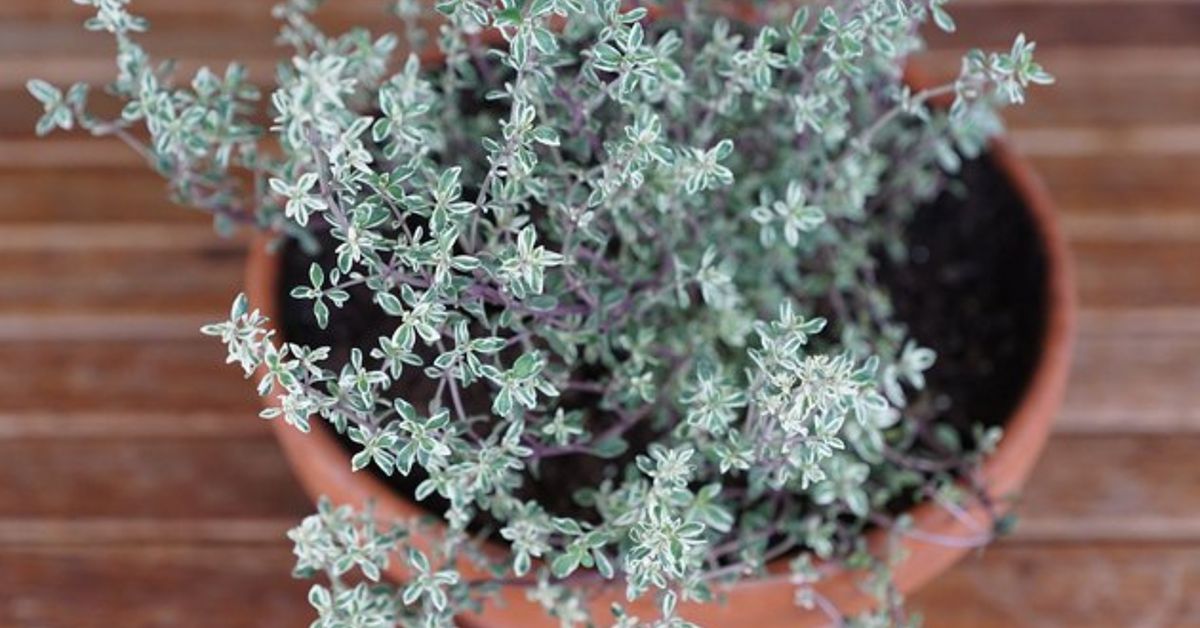
Thyme is compact, aromatic, and wonderfully practical. It does not demand much space, which makes it ideal for a small indoor herb garden. The flavor is earthy and slightly floral, perfect for cozy dishes that make your kitchen smell like you know what you are doing.
How to grow thyme indoors
Thyme prefers bright light and well-drained soil. It does not enjoy being overwatered, so let the top of the soil dry before watering again. A terra-cotta pot can be helpful because it allows moisture to evaporate more easily than plastic.
Because thyme has small leaves and woody stems, harvest by snipping short sprigs as needed. Avoid cutting deeply into old woody growth unless the plant is actively growing and healthy.
Best uses for fresh thyme
Use thyme in roasted chicken, mushrooms, potatoes, soups, beans, stews, sauces, and savory breads. It is excellent with lemon and garlic. Add whole sprigs to simmering dishes and remove the stems before serving, unless you enjoy surprising people with tiny twigs.
6. Oregano: The Pizza-Friendly Perennial
Oregano is bold, savory, and essential for anyone who cooks Italian, Greek, or Mediterranean-inspired meals. Fresh oregano tastes sharper and greener than dried oregano, so use it thoughtfully. It is powerful enough to make a simple tomato sauce taste like it has a passport.
How to grow oregano indoors
Oregano likes bright light, good drainage, and soil that dries slightly between waterings. It is more drought-tolerant than basil or parsley, so resist the urge to water it every time you walk by. Check the soil first. Your finger is the cheapest moisture meter you will ever own.
Harvest oregano by cutting stems above a leaf node. Frequent light trimming encourages new growth and keeps the plant compact. If it becomes leggy, it probably needs more light.
Best uses for fresh oregano
Add oregano to tomato sauce, pizza, roasted vegetables, grilled meats, salad dressings, marinades, and bean dishes. It also works well in herb blends with thyme, rosemary, and parsley.
7. Rosemary: The Fragrant Overachiever
Rosemary is gorgeous, aromatic, and slightly particular indoors. It rewards you with piney, resinous flavor and a fragrance that makes the whole kitchen feel cleaner than it actually is. But it needs strong light, careful watering, and good airflow to stay happy.
How to grow rosemary indoors
Rosemary wants a bright window, ideally with strong sun, and a fast-draining potting mix. Let the soil dry somewhat between waterings, but do not let the plant become bone-dry for too long. The tricky part is balance: rosemary dislikes wet roots, yet it can drop leaves if it dries out severely.
Good air circulation helps prevent problems. Avoid crowding rosemary tightly among moisture-loving herbs. Think of it as the friend who enjoys parties but still wants personal space.
Best uses for fresh rosemary
Use rosemary with roasted potatoes, chicken, lamb, focaccia, beans, olive oil, and citrus. A little goes a long way. Chop the leaves finely because whole rosemary needles can feel a bit like eating a Christmas tree with confidence issues.
8. Cilantro: Fast, Fresh, and a Little Dramatic
Cilantro is beloved in salsa, tacos, curries, noodle bowls, chutneys, and salads. It is also famous for bolting quickly, which means it may flower and go to seed faster than you expect. Indoors, cilantro is best treated as a short-term crop you replant regularly rather than a forever houseplant.
How to grow cilantro indoors
Cilantro prefers bright light and evenly moist soil. It grows quickly from seed, so succession planting is your friend. Sow a small batch every few weeks to keep fresh leaves coming. Choose a container with enough depth for its taproot, and avoid letting seedlings dry out completely.
Harvest outer leaves first, or cut small sections as needed. Once cilantro bolts, the leaf flavor changes. The good news: if it flowers and forms seeds, those seeds are coriander. That is not failure. That is a plot twist.
Best uses for fresh cilantro
Use cilantro in pico de gallo, guacamole, Thai-inspired soups, rice bowls, chutneys, curries, tacos, and fresh slaws. Add it near the end of cooking or use it raw to preserve its bright flavor.
How to Set Up Your Indoor Herb Garden for Success
Choose the right containers
Every herb pot needs drainage holes. This is not optional. A cute pot without drainage is basically a decorative bathtub for roots. If you love a container that has no hole, use it as a cover pot and place a smaller draining pot inside it.
Individual pots are often easier than one large mixed planter. Separate pots let you move thirsty basil away from dry-loving rosemary, quarantine a plant with pests, rotate herbs toward the light, and replace tired annuals without disturbing the entire garden.
Use the right soil
Use a high-quality potting mix designed for containers. Outdoor garden soil can compact indoors, drain poorly, and bring along insects or disease problems. For Mediterranean herbs like rosemary, thyme, and oregano, a faster-draining mix is helpful. For parsley, basil, chives, and mint, a mix that holds a bit more moisture works well.
Get serious about light
Light is the engine of your indoor herb garden. If your herbs look pale, stretched, weak, or floppy, they probably need more brightness. A sunny windowsill may be enough in spring and summer, but winter can be challenging. A simple grow light on a timer can turn a gloomy corner into a productive herb station.
Water like a calm person
Do not water on a strict calendar. Water based on soil moisture. Stick your finger about an inch into the potting mix. If it feels dry, water thoroughly until excess drains out. If it still feels damp, wait. Overwatering is one of the fastest ways to turn a promising herb garden into a sad science experiment.
Harvest often, but not brutally
Regular harvesting encourages compact, flavorful growth. The trick is to take enough to stimulate the plant but not so much that it cannot recover. As a general rule, avoid removing more than one-third of a healthy herb plant at one time. Young or slow-growing plants need extra patience.
Common Indoor Herb Garden Problems
Leggy growth
Long, weak stems usually mean the plant is reaching for more light. Move it to a brighter window or add a grow light. Rotate pots every few days so all sides receive light evenly.
Yellow leaves
Yellowing can come from overwatering, poor drainage, too little light, or nutrient issues. Start by checking the soil. If it is constantly wet, reduce watering and make sure the pot drains freely.
Brown crispy tips
Dry indoor air, inconsistent watering, or too much direct heat can cause crispy leaf edges. Keep herbs away from heating vents and cold drafts. Grouping plants together can slightly improve humidity around them.
Tiny pests
Indoor herbs can attract aphids, spider mites, whiteflies, or fungus gnats. Inspect leaves regularly, especially the undersides. Catching pests early is much easier than discovering a full insect convention on your basil.
Personal Experience: What Indoor Herb Gardening Teaches You
Growing herbs indoors sounds simple, and in many ways it is. But it also teaches patience, observation, and humility. The first lesson is that plants do not care about your intentions. You may water them lovingly, place them in the cutest ceramic pots, and whisper encouraging things while making pastabut if they do not get enough light, they will still stretch toward the window like they are auditioning for a rescue scene.
One of the most useful experiences with indoor herbs is learning the difference between “checking” and “fussing.” Beginners often fuss. They water too often, move pots around every day, fertilize too much, and panic over one yellow leaf. Experienced indoor gardeners check. They feel the soil, look at new growth, rotate the pot, trim a few stems, and then leave the plant alone to do plant business. That shift makes a huge difference.
Basil is often the herb that teaches confidence. It grows quickly, responds well to pinching, and gives obvious rewards. When you cut basil correctly above a leaf pair and see two new shoots appear, you suddenly understand pruning. It feels like unlocking a gardening cheat code. Basil also teaches consequences. Forget to give it enough light, and it becomes tall and floppy. Let it get cold, and it sulks. Overwater it, and the roots complain in silence until the leaves reveal the betrayal.
Mint teaches boundaries. Anyone who has grown mint knows it is not shy. In an indoor herb garden, keeping mint in its own pot is the best decision. It can be trimmed often, used generously, and allowed to grow without bullying slower herbs. A small mint plant near the kitchen sink can turn ordinary drinks, fruit bowls, and quick salads into something fresher. It is also forgiving, which makes it a nice morale booster when cilantro decides to bolt after what feels like twelve minutes.
Rosemary teaches restraint. Many people kill rosemary with kindness, usually by watering too much or placing it somewhere too dim. The plant prefers bright light, sharp drainage, and a little breathing room. Once you understand that, rosemary becomes less intimidating. The reward is enormous: one tiny sprig can perfume a whole tray of roasted potatoes. It is one of those herbs that makes the kitchen smell like dinner is going extremely well.
Parsley and chives teach everyday usefulness. They may not be as glamorous as basil or rosemary, but they earn their space again and again. A handful of parsley can wake up leftovers. Chives can rescue eggs, potatoes, soup, and toast. These herbs are not dramatic; they are dependable. In an indoor garden, dependable is underrated.
Cilantro teaches acceptance. Some herbs are not meant to sit in the same pot for a year looking lush and obedient. Cilantro grows fast, gives generously, and then often bolts. The best experience is to stop treating bolting as failure and start treating cilantro as a crop to resow. Plant a little more every few weeks, harvest while the leaves are tender, and enjoy the cycle.
The biggest practical lesson is to place herbs where you can see them. A hidden herb garden becomes a forgotten herb garden. A visible one becomes part of your cooking routine. When basil sits beside the cutting board, you use it. When parsley is within reach, you chop it into soup. When thyme is on the windowsill, roasted vegetables suddenly get more interesting. Convenience turns herbs from decoration into ingredients.
Indoor herb gardening also changes how you cook. You begin adding fresh herbs at the end of dishes instead of relying only on dried seasonings. You notice that mint brightens fruit, parsley balances rich foods, thyme deepens soups, and chives make simple eggs feel intentional. You waste less because you harvest only what you need. You also start to appreciate small amounts of freshness: three basil leaves, a teaspoon of chives, one sprig of thyme. Tiny things can change a meal.
Most of all, an indoor herb garden makes a home feel alive. It brings scent, color, and usefulness into the kitchen. It gives you something small to care for and something delicious to receive in return. Even when a plant fails, it teaches you something. And when a plant thrives, you get to casually say, “I’ll just grab some fresh herbs,” which is one of life’s smallest but finest luxuries.
Conclusion
An indoor herb garden is one of the easiest ways to make everyday cooking fresher, brighter, and more enjoyable. Start with herbs that match your light, your cooking style, and your level of gardening patience. Basil, parsley, chives, mint, thyme, oregano, rosemary, and cilantro are all excellent choices, but they do not all want the same care. Give basil and parsley steady moisture, let thyme and oregano dry a bit, keep mint contained, and offer rosemary the brightest spot you have.
You do not need a perfect setup to begin. Start with two or three herbs you actually use, plant them in draining containers, place them in strong light, and learn their habits. Before long, you will be snipping, sprinkling, and seasoning like your windowsill is a tiny green grocery store. And unlike store-bought herb clamshells, your indoor herb garden will not turn into mysterious green slime at the back of the fridge.
Note: This article is written for web publishing in standard American English and is based on practical indoor herb gardening guidance from reputable U.S. gardening and university extension resources.