A bicycle looks almost suspiciously simple. Two wheels, a frame, a chain, a pair of pedals, and a seat that occasionally reminds you it was designed by an engineer rather than a sofa manufacturer. Yet this modest machine can carry you to work, through a national park, across a state line, down a forgotten country road, or into a version of your hometown you have never noticed before.
That is the wonderful truth behind the phrase “a bicycle can take you anywhere.” It does not mean every destination is reachable without effort, planning, or the occasional argument with a hill. It means a bike gives ordinary people an unusually direct form of mobility. You provide the power, choose the pace, smell the pine trees, hear the neighborhood dogs, and discover exactly how many bakeries exist within ten miles of your house.
Whether you are interested in bicycle travel, bike commuting, weekend recreation, long-distance bike touring, or simply escaping the couch for an hour, cycling can expand both your physical world and your sense of what is possible.
Why a Bicycle Feels Like a Passport
Cars are faster, airplanes cross oceans, and trains allow passengers to drink coffee without steering. A bicycle competes differently. It removes the walls between the traveler and the journey.
On a bike, the distance itself becomes part of the destination. You notice the temperature changing near a river. You hear gravel crunch beneath the tires. You stop at a roadside stand because the peaches smell too good to ignore. Travel becomes something you participate in rather than something that happens behind a windshield.
Cycling also works on several geographic scales. A bicycle can carry you three blocks to a coffee shop, six miles to the office, forty miles through rural farmland, or thousands of miles across a continent. The equipment changes, but the essential motion remains the same: push one pedal, then the other, and allow curiosity to handle navigation.
Freedom Without a Complicated Operating Manual
Most people can learn the basics of riding a bicycle without mastering a thick instruction book. Once balance, braking, turning, and shifting become familiar, the machine feels almost like an extension of the body.
That accessibility is part of cycling’s enduring appeal. Riders do not need to be professional athletes or wear clothing covered in sponsor logos. They can ride upright city bikes, mountain bikes, folding bikes, cargo bikes, touring bicycles, recumbents, adaptive cycles, or electric bicycles. The “correct” bike is largely the one that fits the rider, works reliably, and makes them eager to leave the house.
A Bicycle Can Take You Into Better Health
Cycling is not only transportation with better scenery. It is also aerobic physical activity. Regular movement can support cardiovascular fitness, energy, mood, sleep, weight management, and long-term health. Public-health guidance emphasizes that even modest amounts of activity can be beneficial, while adults generally gain additional advantages by working toward recommended weekly levels of moderate or vigorous exercise.
The beauty of riding is that exercise can be attached to a practical task. Instead of scheduling a separate workout, you can pedal to the library, grocery store, train station, or workplace. You arrive with the errand completed and your legs fully informed about the existence of every incline along the route.
A Joint-Friendly Way to Keep Moving
Cycling is often considered a lower-impact activity because the bicycle supports much of the rider’s weight. Unlike running, it does not require the body to absorb the same repeated pounding against the ground. That can make it an appealing exercise option for many people who prefer a smoother form of aerobic movement. Riders with injuries, disabilities, balance concerns, or medical conditions should still select equipment and activity levels appropriate to their individual needs.
Movement That Can Improve the Day
A bicycle ride can change your mental scenery as effectively as it changes your physical location. Rhythmic pedaling, outdoor light, changing surroundings, and the satisfaction of moving under your own power can help interrupt a stressful routine.
Exercise is associated with improved mood, relaxation, better sleep, and reduced stress for many people. Cycling adds a playful ingredient: it is difficult to feel entirely serious while coasting downhill with the wind inflating your shirt like an unauthorized parachute.
A Practical Vehicle for Everyday Life
The phrase “bicycle adventure” may suggest mountain passes and tents strapped to handlebars, but some of the most valuable journeys are ordinary ones. A bike can make short daily trips less dependent on fuel, parking spaces, and traffic congestion.
Active transportation networks that connect homes with workplaces, schools, stores, parks, and transit stations can increase access to everyday destinations. Transportation agencies also recognize that safe, connected bicycle infrastructure can support mobility, physical activity, public health, and lower-emission travel choices.
Bike Commuting Changes the Routine
Commuting by bicycle turns travel time into active time. Instead of beginning the morning behind a line of brake lights, a rider begins with movement, fresh air, and a route that may pass through quieter streets or greenways.
A realistic bicycle commute does not need to cover the entire journey. Some riders combine a bike with a bus or train. Others drive partway, park outside a congested area, and cycle the remaining distance. A folding bike can make multimodal travel especially convenient, while secure bicycle parking helps solve the final logistical puzzle.
Successful commuting usually begins with a trial ride on a low-pressure day. That allows the rider to measure travel time, identify difficult intersections, test clothing, and discover whether the office has a safe place for the bike. It also prevents the classic first-day mistake of arriving twenty minutes early but looking as though you personally fought the weather and lost.
Errands Become Mini-Adventures
Short trips are ideal opportunities to replace a car ride with cycling when routes and conditions are safe. A backpack, basket, rack, or set of panniers can carry groceries, work supplies, library books, picnic food, or the mysterious collection of cables you promised to recycle three years ago.
Cargo bikes and electric bicycles can expand carrying capacity and make longer routes, hills, or family transportation more manageable. Electric assistance does not teleport the rider or eliminate pedaling; it simply adds support. That can make cycling practical for people who might otherwise find distance, terrain, age, fitness, or cargo requirements discouraging.
A Bicycle Can Take You Closer to Nature
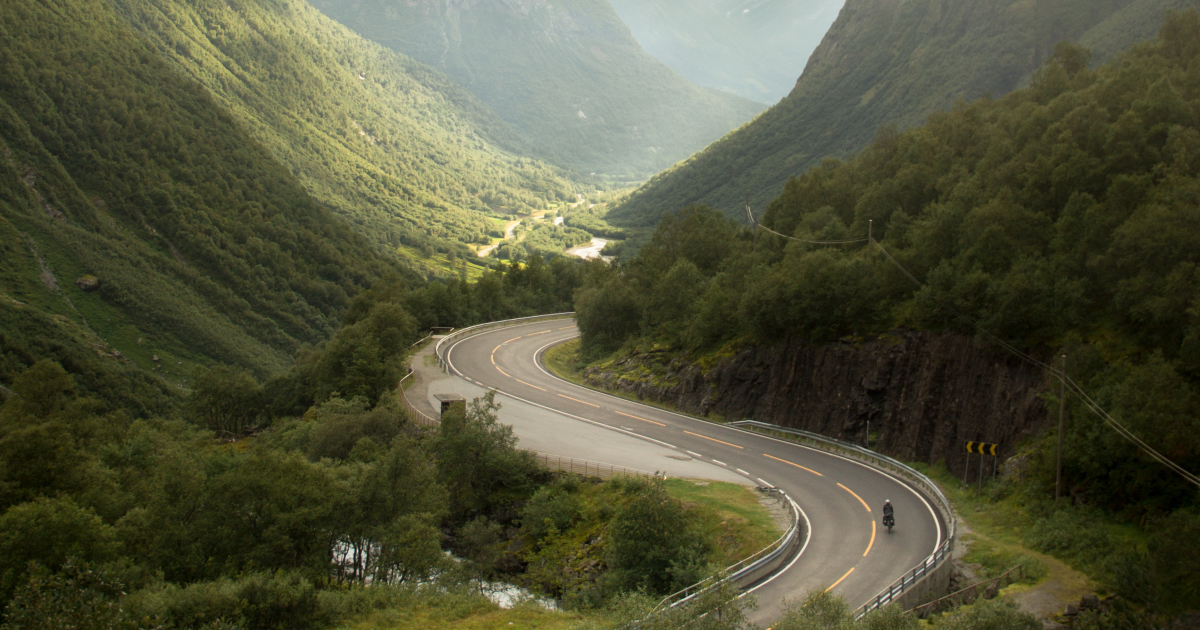
Traveling by bicycle creates a pace that is fast enough to cover meaningful distance but slow enough to notice the landscape. This middle speed is one of cycling’s greatest gifts.
National parks, public lands, rural roads, greenways, and converted rail corridors can offer memorable riding opportunities. However, bicycles are not permitted everywhere, and individual parks or trail systems may restrict riding to designated roads and routes. Weather, terrain, wildlife, seasonal closures, traffic, water availability, and local regulations should always be checked before departure.
Trails Open Doors Between Communities
Trails and greenways are more than recreational decorations. Well-connected routes can link neighborhoods, business districts, schools, parks, and public transportation. They can provide places where beginners, families, older adults, and experienced cyclists feel more comfortable riding away from heavy motor traffic.
Former railroad corridors are particularly useful because their grades are often gradual and their routes may connect towns that once depended on the railway. Today, riders can roll between those communities, stop for lunch, visit local shops, and contribute to small-town economies while enjoying a largely car-free journey.
How Far Can a Bicycle Really Take You?
The honest answer is: much farther than most new riders imagine.
The United States has a growing network of officially designated bicycle routes using roads, trails, and other facilities considered suitable for bicycle travel. Adventure Cycling Association also maintains route-planning resources for riders interested in journeys ranging from regional tours to cross-country expeditions.
Still, distance should not become a competition. The first meaningful journey might be five miles to a neighboring town. The next could be an overnight trip to a campground. Each ride teaches practical lessons about pacing, hydration, weather, equipment, confidence, and the surprisingly dramatic emotional effect of finding a convenience store after a long stretch of empty road.
Start With an Overnight Bicycle Trip
An overnight tour is an excellent bridge between everyday cycling and long-distance bike travel. Choose a destination close to home, preferably along familiar or low-traffic roads. A campground, motel, cabin, or friend’s house can serve as the finish line.
Keep the first route manageable. Carry basic repair supplies, water, food, weather-appropriate clothing, lights, navigation tools, identification, and emergency contact information. If camping, add shelter and sleeping equipment. Pack weight evenly so the bike remains stable, and test the loaded bicycle before the actual trip.
Plan the Route, Not Every Second
Good planning reduces avoidable trouble, but an itinerary should leave room for discovery. Study road conditions, elevation, traffic levels, available shoulders, trail surfaces, water sources, food stops, lodging, repair shops, and alternative routes.
Download maps for offline use because cellular service has a mischievous habit of disappearing precisely when the road signs become confusing. Share your route with someone at home, check forecasts, and avoid assuming that every thin line on a digital map is a pleasant bicycle route. It may be a peaceful lane. It may also be a gravel climb guarded by goats with strong opinions.
Safety Is What Keeps the Adventure Going
A bicycle may feel carefree, but responsible riding requires attention. In many jurisdictions, a bicycle operated on the road is treated as a vehicle. Riders should travel predictably, obey signs and signals, ride with traffic, signal before turning or changing position, and remain alert at intersections and driveways.
Visibility matters during the day and after dark. Bright clothing, reflective materials, a white front light, a red rear light, and appropriate reflectors help other road users detect a cyclist. A properly fitted helmet meeting applicable U.S. safety standards should be worn and securely fastened.
Perform a Quick Bike Check
Before riding, inspect the tires, brakes, chain, wheels, lights, and quick-release or thru-axle mechanisms. Make sure the seat and handlebars are secure. Squeeze each brake lever and confirm that it operates correctly.
For longer rides, carry a spare tube or patch kit, tire levers, a compact pump, and a basic multi-tool. Learning to repair a flat tire is one of the most useful cycling skills. It transforms a potentially ruined afternoon into a mildly annoying roadside workshop.
Choose Comfortable Routes
The shortest route is not always the best bicycle route. A slightly longer trip using calm neighborhood streets, protected bicycle lanes, or trails may feel safer and be more enjoyable.
Infrastructure also affects who feels comfortable riding. Separated facilities can reduce interactions between bicycles and motor vehicles, while connected networks help riders avoid abrupt gaps that force them into stressful traffic situations. Safer design therefore expands cycling beyond confident enthusiasts and makes it more practical for children, families, older adults, and beginners.
The Environmental Power of a Short Bike Ride
A bicycle does not require gasoline for an ordinary trip, and it occupies far less road and parking space than a car. Replacing suitable motor-vehicle journeys with cycling can reduce fuel use and transportation-related emissions while supporting quieter, more people-friendly neighborhoods.
No individual ride will solve climate change. Still, repeated choices matter. Cycling to a nearby store, combining a bike with transit, or commuting by bicycle once or twice a week can become part of a broader shift toward lower-emission transportation. Public agencies include bicycle facilities among the options communities can use to expand transportation choices and reduce environmental impacts.
Experiences From the Road: What a Bicycle Teaches You
The most memorable cycling experiences are not always the longest or most impressive. They are often small moments that would have disappeared at automobile speed.
The Familiar Road Becomes New
A rider can live in the same neighborhood for ten years and still discover it again by bicycle. The main road may have hidden a quiet parallel street lined with gardens. A trail entrance may appear behind a shopping center. A bridge crossed hundreds of times by car may reveal a river full of herons, kayaks, and sunlight.
The bicycle changes attention. Because the rider is exposed to sound, temperature, smell, and terrain, familiar places gain texture. The town stops being a collection of destinations and becomes a connected landscape.
The Hill Becomes a Negotiation
Every cyclist eventually meets a hill that looks reasonable from a distance and behaves like a personal insult up close. The first instinct may be to attack it. Experience teaches a better approach: shift early, reduce the pace, breathe steadily, and accept that walking is not a moral failure.
Reaching the top creates a satisfaction that cannot be purchased at a gas station. The climb has transformed geography into achievement. Better still, there may be a descent on the other side, which is nature’s way of apologizing.
Small Problems Build Confidence
A loose bolt, dropped chain, sudden rainstorm, missed turn, or flat tire can feel disastrous on an early ride. Later, these problems become manageable. The rider learns to carry useful tools, protect important items from rain, ask for directions, improvise, and remain calm.
This confidence often travels beyond cycling. Solving a problem miles from home reinforces a simple lesson: inconvenience is not the same as catastrophe. Sometimes the answer is a patch kit. Sometimes it is patience. Sometimes it is eating the emergency snack before making another decision.
Strangers Become Part of the Journey
Bicycle travel encourages conversation. A person at a roadside store may recommend a quieter route. Another cyclist may offer a pump. A café owner may refill water bottles. A resident may point toward a trail entrance that no navigation app has successfully understood.
Because cyclists move at a human pace, they often appear approachable. The bicycle becomes a social invitation, opening brief connections that make a place feel less anonymous.
Arrival Feels Different When You Earn It
Arriving by bicycle gives even a modest destination a sense of occasion. A lakeside picnic feels more satisfying after twenty miles of pedaling. A motel room becomes luxurious when it contains a shower, a bed, and absolutely no additional hills. Food tastes better, chairs seem more comfortable, and ordinary conveniences become worthy of poetry.
The experience is not about suffering for its own sake. It is about understanding distance through effort. The rider remembers the headwind, the farm roads, the conversations, the wrong turn, and the moment the destination finally appeared. The journey becomes a story rather than a gap between two points.
Conclusion: Anywhere Begins Outside Your Door
A bicycle cannot literally cross every ocean, climb every mountain, or replace every form of transportation. What it can do is expand the radius of everyday life. It can connect exercise with errands, link neighborhoods with trails, turn a commute into movement, and transform a blank line on a map into a personal adventure.
You do not need to begin with a cross-country tour. Ride around the block. Visit a park. Try a calm trail. Pedal to breakfast. Add a basket, pack a lunch, and travel one town farther than usual. Confidence grows through ordinary miles.
The bicycle’s greatest power is not speed. It is possibility. Once you begin pedaling, the world stops feeling like a collection of places you must drive to and starts becoming a landscape you can explore under your own power. A bicycle can take you almost anywhereand the first destination may simply be a more curious, capable, and adventurous version of yourself.