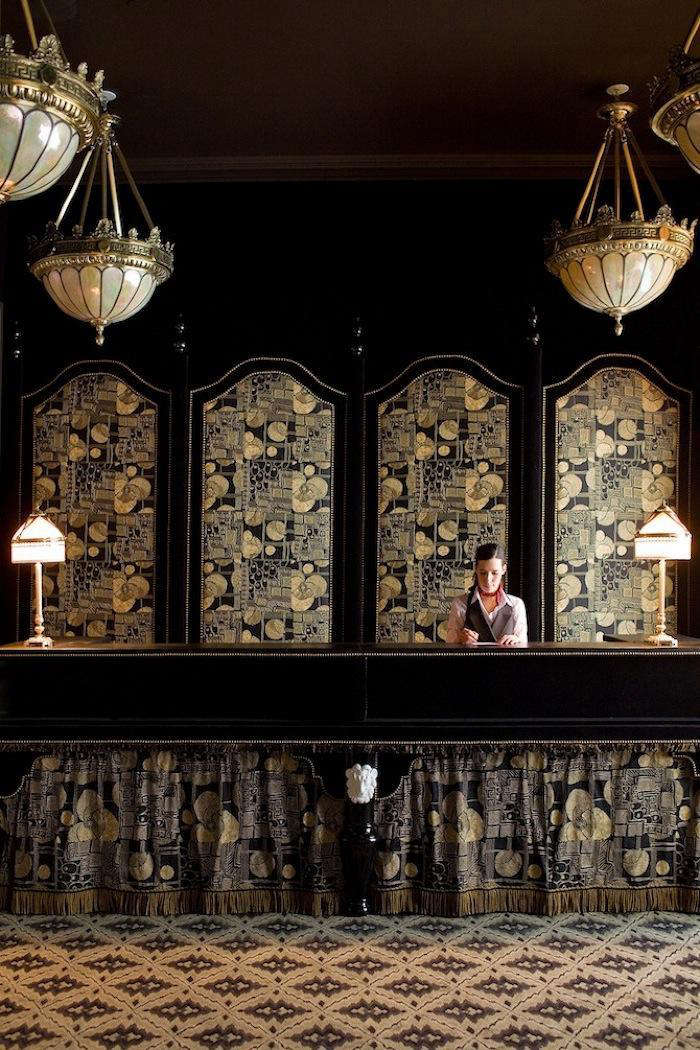
A stylish private retreat should feel like the place where important ideas are born, excellent drinks are poured, and nobody has to balance a laptop on the arm of the sofa. Inspired by the polished offices and cocktail lounges of the midcentury advertising world, this modern interpretation combines walnut furniture, tailored upholstery, dramatic lighting, and discreet technology. The result is sophisticated without becoming a museum exhibitor looking as though someone ordered the entire room from a television prop department.
The New Meaning of a Mad Men–Inspired Retreat
The phrase “Mad Men style” immediately suggests sleek suits, low-slung furniture, smoky conference rooms, and a bar cart that appears suspiciously well stocked before noon. Yet the most useful design lessons from the period have little to do with copying a fictional executive’s office. They come from the era’s emphasis on confident shapes, practical layouts, rich materials, and furniture designed to serve a clear purpose.
Midcentury modern design developed around simplicity, function, technological experimentation, and a rejection of unnecessary ornament. Furniture makers embraced molded plywood, metal, plastics, glass, and warm wood veneers, while architects favored open interiors and stronger connections between indoor and outdoor spaces. These ideas still work because they are fundamentally about making rooms comfortable, efficient, and visually balanced.
A glamorous retreat for today should preserve that confidence while leaving the period’s less charming habits firmly in the past. Think inclusive entertaining, ergonomic seating, excellent air quality, responsible materials, and technology that supports the room instead of flashing from every available surface. You want the visual charisma of a 1960s creative director, not his ashtray collection.
Begin With a Rich, Controlled Color Story
Use Warm Neutrals as the Foundation
Start with a calm architectural envelope. Warm white, putty, mushroom, camel, or pale taupe walls allow darker furniture to look substantial without making the room feel cramped. Pure gallery white can work, but a warmer undertone usually complements walnut, leather, brass, and aged textiles more gracefully.
For a moodier retreat, consider charcoal, deep navy, chocolate brown, or forest green on one or two walls. Dark paint is especially effective behind a desk, media console, or built-in bar because it creates visual depth and makes glass, metal, and artwork stand out. The secret is balancing the darkness with adequate lighting and lighter elements elsewhere in the room.
Add Color Like a Great Advertising Headline
Accent color should be memorable, not noisy. Olive green, burnt orange, mustard, oxblood, teal, and royal blue all connect naturally with midcentury-inspired interiors. Use one dominant accent and perhaps one supporting color. A rust-colored lounge chair beside an olive pillow is sophisticated. Rust, olive, mustard, turquoise, purple, and cherry red all fighting for attention is less “creative director” and more “carpet showroom after a power surge.”
Rich wood tones paired with warm walls and concentrated color accents are recurring features in successful midcentury rooms. Contemporary versions often rely on the wood itself as part of the palette rather than treating it as a neutral afterthought.
Choose Furniture With Presence, Not Bulk
Anchor the Room With One Memorable Seat
Every retreat needs a chair that signals the transition from working to unwinding. A molded plywood lounge chair, compact leather club chair, sculptural swivel chair, or deeply upholstered reading chair can become the room’s visual anchor. It should look impressive from the doorway but feel even better after an hour with a book or a carefully mixed drink.
The Eames Lounge Chair and Ottoman, introduced in 1956, famously reinterpreted the traditional club chair through molded wood shells and upholstered cushions. Its continuing influence demonstrates why a strong silhouette, honest materials, and genuine comfort matter more than decorative excess.
An original design icon is not mandatory. The important qualities are proportion, craftsmanship, and support. Look for a chair with a defined frame, a comfortable seat angle, and materials that will age attractively. Avoid buying a cheap imitation solely because it resembles a famous piece from twenty feet away. Unfortunately, you will eventually have to sit closer than twenty feet away.
Keep Sofas Low and Tailored
A low-profile sofa helps create long horizontal lines, making the room appear wider and more composed. Choose firm but comfortable cushions, slim arms, and raised legs that expose part of the floor. This visual openness is particularly useful in apartments, home offices, and converted spare rooms.
Leather brings warmth and patina, while wool, velvet, performance fabric, and textured weaves offer softer alternatives. A tobacco leather sofa can become a handsome centerpiece, but it is not the only route to a masculine interior. Deep green velvet, charcoal wool, or caramel bouclé can produce equal confidence with less boardroom formality.
Give Storage a Starring Role
A long credenza is one of the hardest-working pieces in this style. It can conceal office supplies, media equipment, cocktail tools, records, chargers, and the mysterious collection of cables that every household appears to breed after midnight.
Florence Knoll’s low credenza, designed in 1961, grew from a practical need for storage after she rethought the conventional executive-office layout. Its clean proportions illustrate an essential modernist principle: useful furniture can contribute to the architecture of a room rather than merely filling an empty wall.
For a contemporary retreat, choose a walnut, rosewood-toned, oak, or lacquered cabinet with sliding doors and minimal hardware. Ventilated compartments allow routers, game systems, and audio equipment to remain hidden. Cutouts at the back can control cords, preventing the glamorous interior from being undermined by a black plastic power strip sprawled across the floor.
Layer Materials for Grown-Up Glamour
The most convincing rooms mix finishes instead of repeating one material everywhere. Walnut may be the lead actor, but it benefits from a supporting cast of stone, glass, leather, wool, brass, chrome, and ceramics.
Use polished materials in small, strategic doses. A brass floor lamp, smoked-glass table, marble tray, or metal-framed mirror provides enough reflection to animate a dark room. Covering every fixture in shiny gold can quickly turn “glamorous retreat” into “casino elevator.”
Patinated finishes are particularly effective because they bring depth without looking precious. Aged brass, brushed stone, dark-stained wood, and reclaimed materials can make a recently completed room feel established and personal. Designers frequently use these surfaces to add warmth and history to contemporary interiors.
Texture is equally important. Pair smooth leather with a wool rug, a lacquered cabinet with linen curtains, or a glass tabletop with a rough ceramic lamp. These contrasts prevent a restrained palette from feeling flat. They also make the room more inviting, which is useful because a retreat should encourage people to staynot admire the sofa from the hallway and then quietly leave.
Create Lighting for Work, Conversation, and Atmosphere
A single bright ceiling fixture cannot perform every job. Glamorous interiors depend on layered lighting that changes with the activity.
Build Three Levels of Light
Begin with ambient light from recessed fixtures, a central pendant, or an indirect ceiling source. Add task lighting at the desk, reading chair, and bar. Finish with accent lighting directed toward artwork, shelving, textured walls, or architectural details.
Floor lamps with arched arms, globe pendants, cone-shaped shades, and compact table lamps complement midcentury furniture without overwhelming it. Minimalist fixtures and sculptural silhouettes are characteristic of the style, while a mixture of lighting heights keeps the eye moving through the space.
Put major fixtures on dimmers and use warm light during the evening. Smart bulbs and automated scenes can be helpful, but their technology should remain invisible. A voice command or wall switch that changes the room from “work mode” to “cocktail mode” feels luxurious. Opening four separate apps while guests watch in silence does not.
Design a Home Bar Without Creating a Theme Park
The home bar is the most recognizable element of a Mad Men–inspired retreat, yet it should support your actual habits. A person who prefers coffee, sparkling water, or alcohol-free cocktails does not need to display twelve bottles of whiskey for decorative credibility.
A compact bar cabinet or section of the credenza can hold glassware, a mixing vessel, a bottle opener, napkins, and a few favorite ingredients. Include a tray to organize smaller items and protect the furniture. If plumbing and space allow, a wet bar with a small sink and under-counter refrigerator can serve both everyday refreshments and larger gatherings.
Choose glassware in two or three useful shapes rather than assembling a sparkling army of specialty vessels. Rocks glasses, highballs, and versatile stemmed glasses will cover most occasions. Add a carafe, a simple ice bucket, and one interesting vintage object. The bar should look ready, not over-rehearsed.
Good hospitality is the real luxury. Keep attractive nonalcoholic options, fresh water, and proper snacks available. A glamorous host notices what guests enjoy instead of forcing everyone to participate in a historical reenactment involving bourbon.
Hide Modern Technology in Plain Sight
A contemporary retreat must handle video calls, streaming, audio, charging, and climate control. The challenge is integrating these systems without letting black screens dominate the room.
Mount a television against a dark wall or place it above a low media cabinet that matches the surrounding woodwork. Consider an art-display mode or a sliding panel if the screen is not used frequently. Speakers can be built into shelves, positioned behind perforated cabinet doors, or chosen in finishes that complement the furniture.
Provide charging inside drawers, under the desktop, and beside seating. A recessed power strip beneath the desk keeps adapters accessible but out of sight. Cable channels painted to match the wall are preferable to loose wires, though almost anything is preferable to pretending the wires are not there.
For a home office, choose an adjustable chair that supports long work sessions, even if the main lounge chair is more photogenic. The desk should provide enough depth for a monitor and writing area, while a side table can handle coffee, reference books, or a notebook. Style matters, but shoulder pain has never improved anyone’s creative direction.
Balance Midcentury Style With Contemporary Pieces
A successful room should feel collected over time. Filling it exclusively with tapered legs, starburst clocks, atomic patterns, and reproduction advertising posters can make the design feel more like a themed rental than a personal retreat.
Midcentury furniture works well with pieces from other periods because its forms are generally clear and adaptable. Designers often recommend mixing eras and balancing smaller, leggy furniture with heavier or softer elements so the room does not appear visually nervous.
Pair a vintage credenza with a contemporary sofa, an abstract painting with a traditional wool rug, or a modern desk with an antique ceramic lamp. Books, records, photography, travel objects, and personal art should reveal something about the person using the space. Personality cannot be purchased as a coordinated five-piece furniture package.
Adapt the Look to Different Rooms
The Executive Home Office
Place the desk so the user can see the entrance without blocking natural light. Add a credenza behind or beside it, a comfortable guest chair, and a small round table for informal conversations. One large artwork generally creates more authority than a scattered collection of undersized frames.
The Living-Room Retreat
Arrange seating around conversation rather than around the television alone. A sofa, two movable lounge chairs, and a central table provide flexibility. Use a large rug to connect the grouping, and leave clear paths between doors and seating. Midcentury architecture and renovation projects frequently emphasize open, flexible spaces and visual connections to the outdoors, principles that remain valuable in modern living areas.
The Bedroom Hideaway
Choose a low wooden bed, compact nightstands, layered bedding, and focused reading lights. Keep the palette quieter than in the entertaining spaces. Warm wood, soft neutrals, and one deep accent color can create a restful environment without sacrificing character.
Common Design Mistakes to Avoid
The first mistake is confusing darkness with sophistication. A room painted charcoal, furnished in black leather, and lit by one amber bulb may look dramatic for several minutes. After that, people begin searching for a flashlight.
The second mistake is buying too many recognizable reproductions. One iconic silhouette creates focus. Seven famous chairs in the same room suggest the furniture showroom accidentally locked its doors for the night.
Also avoid sacrificing comfort for appearance, placing every piece against a wall, using a rug that is too small, and leaving windows untreated. Curtains, woven shades, or simple panels soften hard surfaces and improve privacy. Finally, resist excessive accessories. A few substantial objects look more confident than dozens of tiny items arranged with the intensity of a forensic investigation.
Experiencing a Glamorous Retreat for Modern Mad Men
The true test of a retreat is not how it appears in a photograph. It is how the room changes the rhythm of an ordinary day.
Imagine entering late on a Friday afternoon. The door closes, muting the noise from the rest of the house. Daylight stretches across the walnut credenza, catching the edge of a brass lamp and the textured surface of a framed print. The room smells faintly of wood, coffee, and the leather chair that has finally started developing a proper patina.
A single switch activates the evening scene. The overhead lights fade while the desk lamp, shelf lighting, and floor lamp warm into view. Nothing blinks. No exposed device announces that it requires an update. Soft music begins through speakers hidden among books and ceramics.
The first experience is relief. This room does not demand constant productivity, even though it contains a capable workspace. The desktop is wide enough for a notebook and laptop, but the computer can disappear into a drawer. The chair near the window is clearly intended for reading, thinking, or doing absolutely nothing with unusual professionalism.
Before friends arrive, the bar cabinet opens. A tray holds two glasses, citrus, ice, and ingredients for both a classic cocktail and an alcohol-free alternative. Because everything has a designated place, preparing drinks feels simple rather than theatrical. There is no frantic search for the bottle opener, which has somehow become the most powerful object in the house by virtue of always being missing.
Guests naturally spread through the room. One person settles onto the sofa, another turns the swivel chair toward the conversation, and someone studies the records near the media cabinet. The furniture supports interaction because it was arranged for people rather than for a photograph. Nobody must shout across an oversized coffee table or twist sideways to join the discussion.
As the evening progresses, the retreat reveals smaller pleasures. The wool rug softens footsteps. A side table sits exactly where a glass needs to be placed. The lighting makes everyone look better without making the room too dim to identify the snacks. The dark green wall creates depth behind the artwork, while warm white surfaces prevent the space from feeling heavy.
The room also avoids becoming a costume. There is no fake rotary telephone, no collection of novelty advertising signs, and no attempt to reproduce a fictional office down to the stapler. Instead, vintage forms coexist with modern conveniences. The desk chair is ergonomic. The air is clean. The sound system is wireless. The cabinet contains charging ports and a router rather than decades of confidential client files.
Later, after the guests leave, the room becomes quiet again. Glasses go onto the tray, cushions return to their places, and the music drops to a lower volume. The lounge chair and reading lamp create a small pool of light. This is where the design earns its keep: not during the party, but during the peaceful hour afterward.
A well-designed retreat creates a subtle sense of ceremony around everyday activities. Reading a magazine feels deliberate. Writing a note feels more appealing. Listening to an album becomes an event instead of background noise. Even answering an email seems slightly more dignified, though the email itself may continue to be nonsense.
That experience is the real appeal of modern Mad Men style. It offers confidence without stiffness, nostalgia without imitation, and glamour without requiring a penthouse or a corner office. The best version is not reserved for executives, collectors, or people who own suspiciously expensive decanters. It is simply a personal room designed with enough care to make time spent there feel valuable.
Conclusion: Confidence Is the Best Finishing Touch
A glamorous retreat for modern Mad Men begins with the disciplined elegance of midcentury design but becomes successful through personal choices. Warm wood, tailored furniture, layered lighting, moody color, tactile fabrics, and carefully integrated technology create the framework. Art, books, music, hospitality, and daily rituals give the room its identity.
Choose fewer pieces and choose them well. Leave enough space for people to move comfortably. Hide what is visually distracting, display what is meaningful, and make sure every handsome chair is actually pleasant to sit in. The goal is not to recreate the past. It is to borrow its strongest design ideas and build a retreat suited to the way people live, work, entertain, and relax now.