
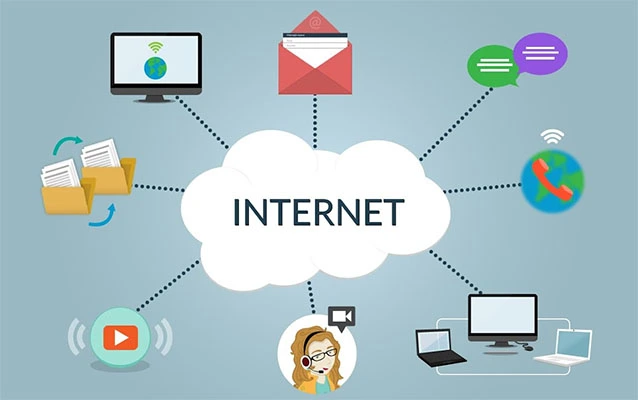
Digital health was supposed to make care easier. No traffic. No waiting room magazines from 2014. No hunting for parking while your blood pressure politely climbs into the rafters. For older adults, tools like telehealth visits, patient portals, prescription refill apps, remote monitoring devices, and secure messaging can be a lifelineespecially for people managing chronic conditions, mobility challenges, caregiving needs, or long drives to the nearest clinic.
But a new digital divide is keeping many older adults from accessing digital health. This divide is not simply about who owns a smartphone. Many older adults are online, texting, streaming, using maps, shopping, and even testing AI tools. The problem is more complicated: digital health systems often assume that every patient has reliable broadband, a modern device, steady vision and hearing, strong digital literacy, English fluency, privacy confidence, and the patience of a saint when a portal password reset arrives by email, text, and possibly carrier pigeon.
In other words, the future of health care has arrivedbut not everyone received the login instructions.
What Is the New Digital Divide in Health Care?
The old digital divide was mostly about access: who had an internet connection, a computer, or a smartphone. That still matters. Home broadband can be expensive, rural connections can be weak, and some older adults live on fixed incomes where an internet bill competes with groceries, medication, and utilities. However, the new digital divide goes beyond being “online” or “offline.” It includes whether older adults can actually use digital health tools confidently, safely, and meaningfully.
Digital health now includes a growing list of services: video visits, online medical records, lab results, appointment scheduling, wearable devices, medication reminders, remote blood pressure monitoring, mobile health apps, and caregiver access to patient portals. These tools can improve convenience and support better chronic disease management, but only when they are designed for real peoplenot imaginary patients with perfect Wi-Fi, perfect eyesight, and unlimited free time.
Older Adults Are Not Anti-Technology
One of the laziest myths in health technology is that older adults simply do not want to use digital tools. That assumption is not just wrong; it is actively harmful. Many adults over 50 use smartphones, tablets, wearables, social media, video calls, streaming services, online banking, and health record apps. National research shows that technology adoption among older adults has grown sharply, and many older patients are willing to use digital health when the tools are useful, understandable, and supported.
The issue is not that older adults are allergic to technology. The issue is that too many digital health systems are built as if “user-friendly” means “the button is somewhere on the screen; good luck.” A patient portal may technically be available, but if the sign-up process is confusing, the text is tiny, the verification code expires too quickly, and the help desk is open only during the same hours as the doctor’s office, access becomes a maze.
Why Digital Health Matters More for Older Adults
Older adults are more likely to manage multiple chronic conditions, take several medications, coordinate care among specialists, and rely on family caregivers. That makes digital health potentially powerful. A portal can help a patient review test results, request prescription refills, message a clinician, schedule appointments, and share information with a caregiver. Telehealth can reduce travel for routine follow-ups. Remote monitoring can help track blood pressure, glucose levels, weight, oxygen saturation, or symptoms between visits.
For an older adult with arthritis, a 20-minute telehealth visit may prevent a painful trip across town. For someone in a rural area, it may save hours of driving. For a caregiver balancing work and family responsibilities, proxy access to a patient portal can make medication management less like detective work with pill bottles.
Yet the same systems that promise convenience can create barriers when they are not inclusive. A digital-first health system can unintentionally become a digital-only health system, and that is where equity starts to wobble like a shopping cart with one bad wheel.
The Main Barriers Keeping Older Adults from Digital Health
1. Broadband and Device Access
Reliable internet is the front door to digital health. Without it, telehealth visits freeze, patient portals fail to load, and remote monitoring devices cannot transmit data. Many Medicare beneficiaries have internet access, but not all use it daily, and some still do not use the internet at all. Even when access exists, quality varies. A smartphone-only connection may work for texting a grandchild, but it may not be ideal for reviewing lab charts, downloading records, or joining a video visit with three specialists and a spinning loading wheel.
Cost is another barrier. The end of broadband subsidy support has raised concerns for low-income households, including older adults on fixed incomes. When internet service becomes unaffordable, digital health access becomes unstable. Health care cannot assume that every patient has a paid, high-speed connection at home.
2. Digital Literacy and Confidence
Digital literacy is not just knowing how to tap an icon. It includes understanding how to create secure passwords, recognize official health system messages, download an app, join a video visit, upload insurance information, interpret portal notifications, and avoid scams. That is a lot to ask from anyone, especially when the app updates overnight and moves everything around like a mischievous house elf.
Some older adults are comfortable with everyday technology but less confident with health technology because the stakes feel higher. Accidentally liking the wrong vacation photo is embarrassing. Accidentally sending a private medical question to the wrong place feels frightening. Confidence matters.
3. Portal Overload
Patient portals are useful, but many people now have multiple portals: one for a primary care doctor, one for a specialist, one for a hospital, one for imaging, one for pharmacy, and one mysterious portal that sends emails but refuses to recognize the password created yesterday. For older adults managing complex care, portal fragmentation can turn convenience into clutter.
When health records are spread across different systems, patients may struggle to find the right lab result, message the right office, or share information with a caregiver. The tool exists, but the experience feels like trying to assemble a puzzle while someone keeps removing the corner pieces.
4. Usability Problems
Usability is one of the most overlooked parts of the digital health divide. Small fonts, low contrast, crowded menus, confusing icons, medical jargon, multiple verification steps, and unclear error messages can make digital health difficult for older adults with vision changes, hearing loss, tremors, arthritis, memory changes, or cognitive impairment.
Good design helps everyone. Larger text, plain language, clear navigation, captioned video, voice options, fewer clicks, and simple instructions do not “dumb down” technology. They make it human. If a portal requires a patient to click through seven screens to request a refill, the problem is not the patient.
5. Language and Cultural Barriers
Older adults with limited English proficiency face additional obstacles. A portal may be available only in English or may translate basic menus while leaving instructions, medical terms, or help content unclear. Telehealth platforms may not integrate interpreters smoothly. Clinics may rely on work-arounds that require extra staff time, which can create inconsistent experiences.
Digital health equity must include language access. A Spanish-speaking patient should not need a bilingual granddaughter, a magnifying glass, and heroic determination just to request a prescription refill.
6. Privacy, Security, and Scam Concerns
Older adults are often warned about online scams, and those warnings are valid. But fear can also discourage people from using legitimate digital health services. Patients may worry about clicking the wrong link, sharing sensitive information, or giving a caregiver too much access. Two-factor authentication can protect accounts, but it can also confuse users when codes go to an old phone number or expired email address.
Health systems need to explain privacy and security in plain language. “Your portal is HIPAA-compliant” may be accurate, but it is not always reassuring. Better communication sounds like: “This is the official message system from your clinic. Here is how to tell it is real. Here is what we will never ask you for.”
Who Is Most at Risk of Being Left Behind?
The new digital divide does not affect all older adults equally. Higher risk groups include people with low income, limited education, rural residence, mobility limitations, cognitive impairment, limited English proficiency, disability, social isolation, and limited caregiver support. Older adults who are homebound may benefit the most from digital health, yet they may also face some of the steepest barriers to using it.
This is the cruel irony: the patients who could gain the most from digital health are often the ones asked to climb the highest digital staircase.
How the Digital Divide Affects Real Health Outcomes
Digital barriers are not just annoying. They can affect care. When older adults cannot access digital health tools, they may miss appointment reminders, struggle to view test results, delay prescription refills, lose access to telehealth, or rely on phone lines that are already overwhelmed. They may also miss educational materials, preventive care reminders, and chronic disease support programs.
For example, an older adult with high blood pressure may be asked to track readings at home and send them through a portal. If the portal is confusing, the doctor may not receive timely data. A patient with diabetes may need medication adjustments, but app-based glucose sharing may be too complex. A caregiver may want to help manage appointments but may not know how to set up proxy access. These are not minor glitches; they are gaps in care.
Telehealth Is Helpfulbut It Must Stay Flexible
Telehealth became widely used during the COVID-19 pandemic, including among older adults. It remains valuable for follow-up visits, medication reviews, mental health care, chronic disease management, and consultations that do not require a physical exam. However, telehealth should not become a one-size-fits-all replacement for in-person care.
Some older adults prefer phone visits. Others need video. Some need in-person care due to hearing, vision, cognition, physical examination needs, or personal comfort. The best health systems offer multiple doors into care: phone, video, in-person, portal, mail, and caregiver-supported access. Choice is not old-fashioned. Choice is patient-centered.
The Role of Caregivers in Digital Health Access
Caregivers are often the invisible tech support team of modern health care. They help download apps, remember passwords, interpret lab results, schedule appointments, and sit beside older adults during telehealth visits. Caregiver or proxy access to patient portals can be extremely helpful when it is secure, easy to set up, and respectful of the patient’s privacy.
But health systems should not assume every older adult has a caregiver available. They also should not force families into awkward password-sharing arrangements. Shared access should be built into portal design, explained clearly, and supported by staff who understand both privacy rules and real-life caregiving.
How Health Systems Can Close the Digital Health Divide
Design for Aging From the Start
Digital health tools should be tested with older adults before launch, not after complaints pile up. Designers should consider vision, hearing, motor skills, memory, health literacy, language, and caregiver involvement. Features like large fonts, high contrast, plain-language instructions, captions, simple menus, and voice support should be standard, not special requests.
Offer Digital Navigators
Health technology navigators can help patients enroll in portals, prepare for telehealth visits, set up proxy access, and practice common tasks. This support works best when it is culturally competent, language-accessible, and available before the patient is already frustrated. A five-minute setup lesson at check-in can prevent five months of portal avoidance.
Keep Phone Support Strong
Digital access should expand care, not erase traditional access. Many older adults still rely on phone calls for scheduling, refills, questions, and follow-up. A health system that says “just use the portal” may unintentionally exclude patients. The phone may not be flashy, but it worksand it does not require remembering whether the password had a capital letter, a number, and one symbol from an ancient keyboard prophecy.
Make Telehealth Instructions Simple
Before a video visit, patients should receive plain instructions: what device to use, how to test audio and video, what to do if the connection fails, how to invite a caregiver, and what phone number to call for help. Backup plans should be automatic. If video fails, the visit should not vanish into the digital fog.
Invest in Broadband and Community Training
Libraries, senior centers, Area Agencies on Aging, community health centers, faith-based organizations, and local nonprofits can play a major role in digital inclusion. Training should be hands-on, respectful, and practical. Older adults do not need abstract lectures about “digital transformation.” They need to know how to refill a prescription, join a visit, read a message, avoid scams, and recover a password without feeling embarrassed.
What Older Adults and Families Can Do Now
Older adults and caregivers can take several practical steps. Ask the clinic to help set up portal access during an in-person visit. Write down official website names and support phone numbers. Use a password manager or a secure written system kept in a safe place. Request proxy access instead of sharing passwords. Test telehealth software before the appointment. Ask whether phone visits are available when video is not realistic. Keep devices updated, but do not click unexpected links claiming to be from a health provider.
Most importantly, ask for help early. Digital health tools are now part of medical care, and needing support is normal. Nobody is born knowing how to navigate a hospital portal. Even the portal probably gets confused by itself sometimes.
Digital Health Equity Requires More Than Apps
The health care industry often celebrates innovation: artificial intelligence, remote monitoring, wearable sensors, personalized apps, and virtual care platforms. These tools can be valuable. But innovation without inclusion can widen disparities. A shiny new app does not help a patient who cannot afford broadband, cannot read the instructions, cannot see the buttons, or cannot get a human being on the phone.
Digital health equity means building systems that work for people with different incomes, abilities, languages, locations, and comfort levels. It means measuring not only how many portals exist, but who uses them, who stops using them, and who never makes it past the sign-up screen. It means recognizing that access is not achieved when technology is available. Access is achieved when people can use it to get care.
Experience-Based Reflections: What This Divide Looks Like in Everyday Life
One of the clearest lessons from real-world digital health experiences is that older adults often do not reject technology; they reject being made to feel foolish by it. Imagine an older patient named Margaret. She is 74, sharp, independent, and perfectly capable of texting her daughter pictures of the dog wearing seasonal sweaters. But when her clinic tells her to “check the portal” for lab results, she freezes. She has three portals, two usernames, one email address she rarely uses, and a password notebook that has become a historical archive. Her doctor thinks the results are easy to access. Margaret thinks the results are hiding in a digital basement.
Now imagine Robert, 81, who lives in a rural county. Telehealth sounds perfect because the clinic is 45 minutes away and winter roads are no joke. But his internet connection drops whenever the weather gets dramatic, which is often. During one video visit, the doctor’s face freezes mid-sentence, creating the unsettling impression that medical advice now comes from a haunted portrait. Robert gives up and asks for a phone call next time. That is not resistance to care. That is a rational response to unreliable infrastructure.
Caregivers experience the divide too. A daughter may manage appointments for her mother while working full time. She wants proxy portal access but cannot find the form. The clinic says her mother must approve it online, which is exactly the task her mother needs help completing. This is where digital systems can become circular: you need access to get access. It is like needing a key to open the drawer where the key is stored.
Digital health can also create emotional friction. Some older adults worry that online results will arrive before the doctor explains them. Others feel anxious when they see abnormal flags in lab reports without context. A portal may display “high” or “low” in bold red letters, but not explain whether the result is urgent, expected, or mildly off because the patient ate breakfast. Transparency is good, but transparency without interpretation can feel like being handed a smoke alarm and no map to the exit.
The most successful experiences tend to include human support. A front-desk staff member who says, “Let’s set this up together.” A nurse who checks whether the patient prefers phone or video. A community class that lets older adults practice joining a telehealth visit before they are sick. A portal that uses plain language and offers caregiver access without making families feel like hackers. These small design and workflow choices can turn digital health from a barrier into a bridge.
There is also a dignity issue. Older adults have spent decades learning new systems: ATMs, microwaves, remote controls, insurance forms, smartphones, and the mysterious art of canceling cable. They do not need lectures about adapting. They need tools that respect their time, bodies, privacy, and experience. The goal is not to force every older adult into the same digital lane. The goal is to make health care reachable through multiple routes.
In practice, the best digital health experience feels calm. The patient knows where to click. The text is readable. The help number works. The caregiver can assist appropriately. The doctor has a backup plan. The portal does not behave like a puzzle designed by a committee of raccoons. When digital health works this way, it can reduce isolation, improve follow-up, support chronic disease care, and give older adults more control. When it fails, it becomes one more locked door in a system already full of them.
Conclusion
A new digital divide is keeping older adults from accessing digital health, but the problem is solvable. The answer is not to slow innovation or pretend telehealth, patient portals, and remote monitoring do not matter. They do matter. The answer is to design digital health around real older adults: people with different levels of income, mobility, vision, hearing, language, confidence, caregiver support, and internet access.
Digital health should make care easier, not turn medical access into a tech support obstacle course. When health systems invest in age-friendly design, digital navigators, broadband access, language support, caregiver tools, and strong non-digital alternatives, older adults can benefit from modern care without being left behind. The future of health care should not require every patient to become an IT specialist. It should require health technology to become more human.
Note: This article is written for general educational and editorial purposes and should not replace professional medical, legal, or policy advice.














