A saucepan is the kitchen’s backstage crew: not flashy, not loud, and somehow responsible for everything going right.
It boils pasta water, coaxes rice into submission, melts butter without drama, and turns a random fridge-mystery into
soup that tastes like you planned your life. So when a saucepan earns a loyal following, it’s usually because it
quietly nails the unglamorous stuffheat control, comfortable handling, easy pouring, and cleanup that doesn’t feel like
a punishment.
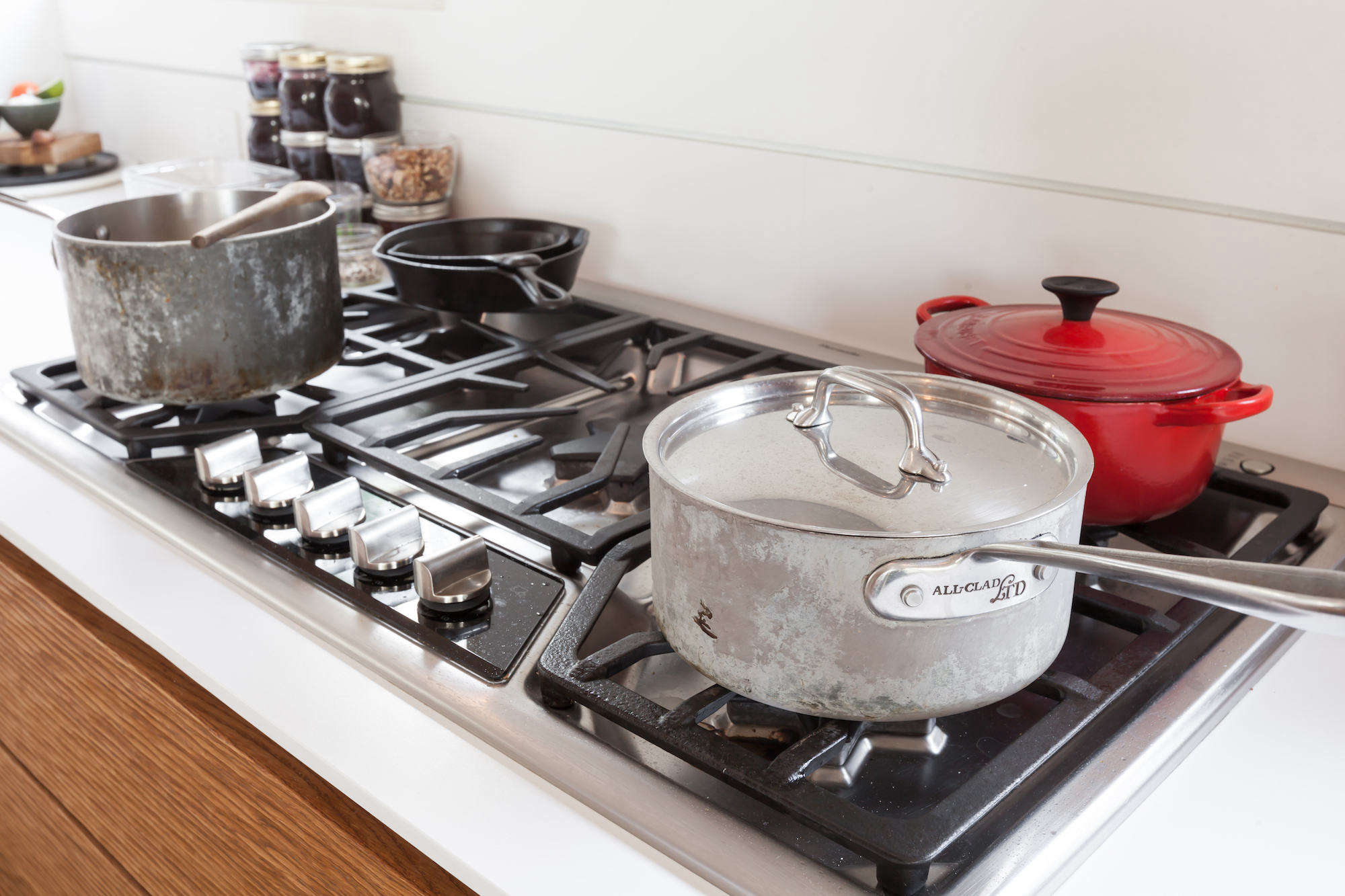
Enter the All-Clad LTD saucepan, a bit of a cult favorite in the All-Clad universe. It’s not the line most people
talk about at dinner parties (unless your dinner parties are… extremely cool), but it has a specific appeal: the
durability and cooking feel of stainless steel, paired with the speed and even heating of an aluminum core, wrapped in
a tough, dark hard-anodized exterior that looks like it belongs in a pro kitchen. In other words, it’s the “wear black,
do work” saucepan.
What Is the All-Clad LTD Saucepan, Exactly?
The All-Clad LTD cookware design is best understood as a performance sandwich. In common LTD pieces, you’ll see a
stainless-steel cooking surface on the inside, a thick aluminum core doing the heat-conducting heavy lifting,
and a hard-anodized aluminum exterior on the outside for extra toughness and scratch resistance. The stainless interior
is what you actually cook onso you can brown, reduce, simmer, whisk, and deglaze like you would in classic All-Clad
stainless. The aluminum core helps the pan heat quickly and distribute heat more evenly than straight stainless.
And the hard-anodized exterior is there to take the daily bumps, burner grates, and “oops I stacked it under the cast iron”
moments without looking like it lost a street fight.
Many LTD sets included 2-quart and 3-quart covered saucepans, which are the sweet-spot sizes for most households:
big enough for grains, soups, and sauces, but not so big that reheating a cup of broth feels like lighting a bonfire to toast a marshmallow.
LTD saucepans are also typically designed with flared rims for cleaner pouring and stainless lids for heat retention.
Some versions include etched capacity markings for quick IDbecause nothing says “I cook often” like refusing to guess whether
the pot is 2 quarts or “vaguely medium.”
Why the LTD Build Matters: Stainless Interior + Aluminum Core + Hard-Anodized Exterior
1) The stainless cooking surface is the grown-up choice for sauces
Stainless steel is honest. It doesn’t hide what’s happening the way nonstick can. If your butter is browning too fast, you see it.
If your onions are getting that perfect golden edge, you see it. That visibility is especially helpful in a saucepan, where
small temperature swings can turn “silky” into “scorched” in a hurry (ask any béchamel that has ever met an impatient cook).
Stainless also lets you build fondthose tasty browned bitsthen dissolve them with stock, wine, or cream for deeper flavor.
2) The aluminum core brings speed and evenness
Aluminum conducts heat extremely well compared with stainless steel, which is why clad cookware uses aluminum layers in the first place.
In practical terms, that means the LTD saucepan tends to heat quickly and respond faster when you lower the flame.
This matters for sugar work, custards, and reductions, where control is everything and “just wait” is not a personality type most of us have.
3) The hard-anodized exterior is built for real life
Hard anodizing creates a tougher outer layer on aluminum. The LTD line’s dark exterior doesn’t just look sleekit’s designed to resist
wear and keep its appearance longer than plain aluminum. If you like cookware that doesn’t require emotional support after one busy week,
this is a strong selling point.
Cooking Performance: What the LTD Saucepan Does Best
Steady simmering without babysitting
A good saucepan should simmer gently and consistently. The LTD build is well-suited for this because the aluminum core helps smooth out
hot spots that can make sauces “blip” aggressively in one area while barely moving in another. When you’re reducing tomato sauce, simmering
stock, or cooking oatmeal, that steadiness is the difference between “comforting” and “why is the bottom burnt?”
Clean reductions and glossy sauces
Reduction is basically controlled evaporation with a side of patience. With the LTD saucepan, you can reduce wine, stock, or cream-based
mixtures and get a tighter, more concentrated sauce while keeping an eye on color and thickness. The stainless interior also handles whisking
and stirring tools without worrying about “did I just scratch a coating?” anxiety.
Pouring that doesn’t turn your stovetop into a Jackson Pollock
Pouring matters more than people admit. A flared rim helps guide liquids into a bowl or jar without dribbling down the outside of the pan.
This becomes a daily quality-of-life upgrade when you make soup, boil pasta, or strain grains. Is it glamorous? No. Is it satisfying? Absolutely.
Where the All-Clad LTD Saucepan Shines in a Real Kitchen
Quick sauces and weeknight wins
- Pan sauce starter: Deglaze browned bits from roasted meat juices, then reduce with stock and finish with butter.
- Simple marinara upgrade: Simmer canned tomatoes with garlic, basil, and a parmesan rind for a deeper flavor.
- “I’m tired” gravy: Make a roux, whisk in broth, and pretend you planned this all day.
Grains, beans, and the “why is rice so emotional?” category
A 2–3 quart saucepan is ideal for rice, quinoa, couscous, lentils, and small batches of beans. The lid helps trap heat and moisture,
while the pan’s responsiveness makes it easier to correct course if you need to drop from a boil to a gentle simmer quickly.
Reheating without scorching
Stainless can scorch if you blast heat, but the LTD saucepan’s conductivity can make gentle reheating easierespecially if you use
medium-low heat and stir occasionally. Soups, chili, leftover curry, hot chocolate, and even a single serving of mac and cheese can reheat
smoothly without turning into a science experiment.
The Trade-Offs: What to Know Before You Fall in Love
It’s usually not induction-compatible
Many LTD pieces are designed for most cooktops but not induction. If induction is your daily driver, this is a deal-breaker.
For induction households, All-Clad’s stainless lines (like D3 or D5) or induction-ready nonstick lines are typically a safer bet.
Stainless cooking means stainless learning
If you’re moving from nonstick to stainless, expect a short adjustment period. The trick is managing heat and using enough fat for certain foods.
Stainless rewards good technique with better browning and deeper flavor, but it does not forgive “I cranked it to high and walked away.”
It may be discontinued or harder to find
Depending on the exact LTD version you’re shopping for, availability can be limited compared with All-Clad’s current flagship lines.
That doesn’t mean it’s a bad choiceit just means you may encounter it more often through older inventory, secondhand listings, or resellers.
Translation: you might have to hunt a little. (And yes, cookware hunting is a thing. Welcome.)
How to Cook Like a Pro With an LTD Saucepan
Preheat with intention, not chaos
For most saucepan tasks, medium to medium-low is your friend. Let the pan warm briefly, add your fat or liquid, and then adjust.
A saucepan is rarely a “max heat” situation unless you’re bringing water to a boiland even then, once it boils, you usually reduce.
Use the “simmer switch” method for grains
- Bring liquid to a boil.
- Add grains and stir once.
- Return to a boil briefly.
- Drop to the lowest simmer and cover.
- Rest off heat for a few minutes before fluffing.
For dairy sauces, slow down and stir more than your ego wants to
Cream sauces and custards require lower heat and more attention. Use a whisk, keep the heat gentle, and don’t multitask your way into scrambled
custard. If you’re prone to distraction, set a timer as a “stir reminder.” It’s not dramatic. It’s strategy.
Cleaning and Care: Keeping the LTD Saucepan Looking Sharp
Daily cleanup
Warm water, mild soap, and a non-abrasive sponge usually do the job. If food sticks, soak for a bit before scrubbing.
Stainless interiors can handle more vigorous cleaning than nonstick, but it’s still smart to avoid extremely abrasive pads that can dull the finish.
Stuck-on messes and burnt bits
For stubborn residue, try a soak, then use a paste of baking soda and water and let it sit briefly before scrubbing.
For discoloration or “rainbow” heat tint, a stainless cleaner is often helpful. The good news: stainless may look imperfect sometimes,
but it’s usually cosmeticnot a performance issue.
Dishwasher safe… but consider hand-washing anyway
Some LTD listings note dishwasher-safe construction. Still, hand-washing tends to preserve finishes longer over the yearsespecially if you’re
the type of person who wants your cookware to age gracefully instead of developing “vintage dishwasher patina.”
LTD vs. Other All-Clad Options: A Quick Reality Check
LTD vs. D3 Stainless
D3 is a classic tri-ply stainless line with broad availability and induction compatibility. If you want the most straightforward “buy once, cry once”
All-Clad saucepan experience on any cooktop, D3 is hard to argue with. LTD offers a different exterior finish and a slightly different identity,
but D3 is generally easier to find and match with other pieces.
LTD vs. D5 Stainless
D5 is often praised for beautiful performance and a premium feel, though it can be heavier and pricier. If you want All-Clad’s most “luxury saucepan”
vibe, D5 is the usual recommendation in cookware roundups. LTD can feel like the under-the-radar alternative for people who want performance with a more
rugged exterior style.
LTD vs. All-Clad nonstick lines
Nonstick All-Clad options are convenient for delicate foods, but they’re a different tool for a different job. LTD’s stainless interior is better for
browning, deglazing, and high-heat versatility. If you mostly cook eggs, crepes, or sticky fish, a dedicated nonstick pan still earns its keepbut a
stainless saucepan is often the better “do-everything” workhorse for sauces, grains, soups, and reductions.
Should You Buy an All-Clad LTD Saucepan in 2026?
If you cook frequently and want a saucepan that can handle everything from quick weeknight sauces to slow simmering without feeling flimsy,
the All-Clad LTD saucepan can be a smart, satisfying choiceespecially if you find one in great condition at a good price.
The big questions are:
- Do you need induction compatibility? If yes, consider D3/D5 instead.
- Do you like stainless cooking? If you want browning and deglazing, you’ll love it. If you want “nothing ever sticks,” you won’t.
- Is the piece complete? If it comes with the correct lid and sits flat without wobble, you’re in good shape.
- Does it fit your real cooking habits? A 2-quart is great for small households; a 3-quart is often the most versatile daily size.
The bottom line: the LTD saucepan is for cooks who want performance and durability more than trendy aestheticsand who enjoy cookware that feels like it
was designed to be used, not displayed.
Quick FAQ
Is the LTD saucepan good for sauces like béchamel or caramel?
Yeswith technique. For béchamel and other dairy sauces, use medium-low heat and whisk often. For caramel, keep the heat controlled and watch color closely.
The stainless interior is excellent for visibility and whisking, but it will punish distractions.
Will food stick?
It can, especially with high heat or insufficient fat. That’s normal for stainless cookware. The upside is better browning and flavor development.
Is it “worth it” compared with other All-Clad saucepans?
If you find it at a price close to mainstream All-Clad stainless and you don’t need induction, it can be a great value. If pricing is close to D5,
you’ll want to compare weight, cooktop needs, and availability before choosing.
Kitchen Experiences: 10 Real Moments With an All-Clad LTD Saucepan (About )
The first time you use an LTD saucepan, you notice it doesn’t behave like bargain cookware. Water comes to temperature quickly, and the pan feels steady
not “lightweight” in the flimsy sense, but balanced. That balance matters when you’re doing the classic one-hand pour into a bowl while your other hand
tries to keep a spoon from falling into the sink like a tragic movie scene.
Moment #1: The weeknight marinara. You sauté garlic in olive oil, add crushed tomatoes, and the simmer settles into a calm, steady rhythm.
The sauce reduces without scorching, and the rim pours cleanly into a jar. Small victory. Big mood.
Moment #2: Rice redemption. If rice has ever betrayed you, a responsive saucepan helps you fight back. Bring to boil, drop to low, cover.
No frantic burner-hopping. No scorching at the center while the edges stay undercooked. The LTD’s heat control makes the “simmer switch” feel less like
a gamble and more like a plan.
Moment #3: Hot chocolate that tastes like childhood. Milk can scorch fast, but the pan’s even heating plus a patient medium-low flame means
you can melt chocolate smoothly. Stir, breathe, stir again. The stainless interior lets you see when chocolate is fully melted instead of guessing like you’re
defusing a bomb.
Moment #4: The béchamel test. You make a roux, slowly whisk in milk, and the sauce thickens into glossy perfection. The corners of a saucepan
mean you have to whisk more diligently than in a saucier, but it’s absolutely doable. The key is scraping the bottom and edges consistently. When it works,
you feel like you deserve a tiny chef hat.
Moment #5: Lemon curd (aka “don’t blink”). Curds demand attention. Low heat, constant stirring, watching for the moment it coats the spoon.
The LTD saucepan is helpful here because it responds quickly when you reduce the heat, and the stainless surface makes it easier to judge texture.
Moment #6: Butter browning without panic. Browning butter in a saucepan is a rite of passage. You can see the milk solids toast, smell the nutty aroma,
and pull it right at the edge of perfection. The pan’s conductivity means it moves fastso your reward for paying attention is flavor.
Moment #7: The cleanup reality. Some nights, things stick. That’s not a failure; it’s stainless doing stainless things. A soak and a baking-soda paste
usually handle it. And honestly, the moment you realize stuck bits aren’t permanent is the moment stainless cookware stops feeling intimidating.
Moments #8–#10: The everyday grind. Reheating soup, blanching vegetables, warming stock, making ramen broth taste fancythis is where the LTD saucepan
earns its keep. It’s not trying to be cute. It’s trying to be reliable. And for a saucepan, that’s basically the highest compliment possible.