
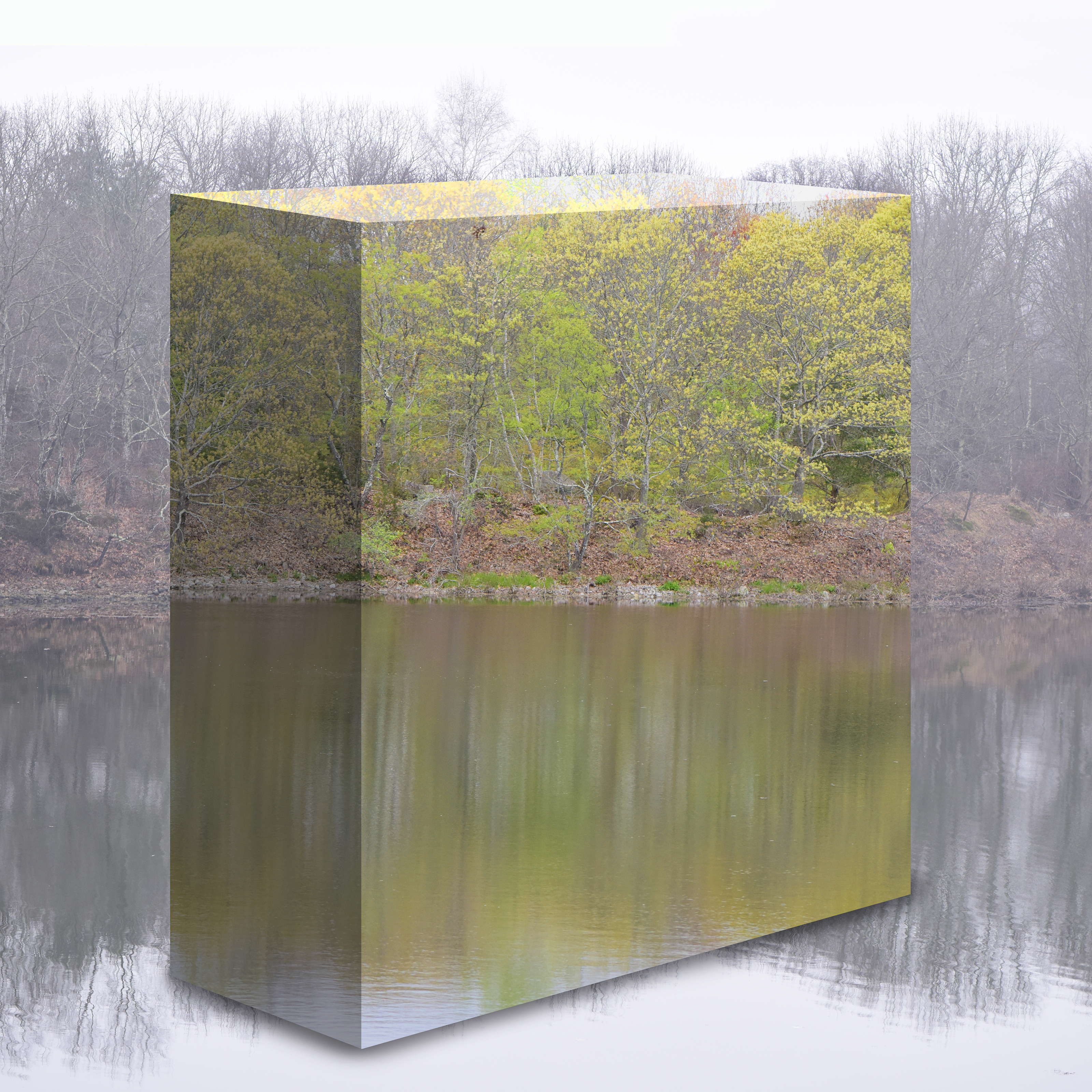
Most photographs behave like tiny time capsules: one shutter click, one fraction of a second, one frozen expression, one pigeon caught looking suspiciously like it pays rent. But some artists look at that rule and politely say, “Cute. Now let’s fit an entire afternoon in here.” That is the magic behind time-slice photography, a visual technique in which an artist combines photos of the same scene taken at different times into one fascinating image.
The result can look like a city breathing, a sky changing its mind, or a landmark wearing every outfit it owns in one picture. Morning, noon, golden hour, twilight, and night all appear together, not as a video, not as a slideshow, but as a single carefully built photograph. It is part photography, part collage, part patience marathon, and part “please do not kick the tripod.”
This style has been explored by several notable photographers, including Stephen Wilkes with his celebrated Day to Night series, Singapore-based artist Fong Qi Wei with Time Is a Dimension, and Richard Silver with his architectural Time Slice work. Each artist approaches the same basic idea differently: take repeated photos from a fixed viewpoint, choose moments that reveal how light and life change, and blend them into one image that makes time visible.
What Is Time-Slice Photography?
Time-slice photography is a photographic composite technique that shows the passage of time inside one still image. Instead of choosing a single best frame, the artist takes many photos of the same scene over minutes, hours, or even a full day. Later, they digitally combine selected parts of those images into a unified composition.
Think of it as a time-lapse that decided to become a painting. A traditional time-lapse shows change through motion. A time-slice photo shows change through structure. The viewer’s eye travels across the image and experiences different moments at once: bright sky on one side, deep blue evening on the other; empty streets in one slice, glowing windows in another; clouds, shadows, traffic, and people all arranged like chapters in a visual novel.
The main keyword here is simple: same scene, different times. The magic lies in repetition. The camera usually stays locked in one place, while the world does what the world does best: changes constantly and pretends it has everything under control.
The Artists Who Made Time Visible
Stephen Wilkes and the Grandeur of “Day to Night”
Stephen Wilkes is one of the best-known artists working with this idea. His Day to Night project turns iconic places into sweeping visual narratives. In many of these works, Wilkes photographs from a fixed vantage point for long stretches of time, sometimes capturing more than 1,000 images. He then selects key moments and blends them into a single panoramic photograph.
His images often include famous locations such as city squares, parks, monuments, beaches, and natural landscapes. What makes them powerful is not only the technical skill but also the emotional layering. A single Wilkes image might show morning joggers, afternoon crowds, sunset glow, and evening lights all sharing one impossible space. It feels realistic and impossible at the same time, like your calendar accidentally became a landscape.
Wilkes’ work is especially interesting because he treats time almost like a character. In a normal photograph, people and buildings are the stars. In Day to Night, the true star is the day itself. The light shifts, people come and go, shadows lengthen, and the scene becomes a story about public life, memory, and movement.
Fong Qi Wei and “Time Is a Dimension”
Fong Qi Wei approaches the concept with a more visibly sliced and painterly style. His Time Is a Dimension series often features landscapes, seascapes, and cityscapes photographed over several hours. He divides the images into strips, wedges, or geometric shapes, then arranges them so viewers can see different times of day flowing across one scene.
Where Wilkes often hides the seams to create a seamless dream, Fong lets the structure become part of the art. The slices are not a mistake to cover up; they are the point. They remind us that time is layered, fragmented, and constantly moving. One piece may show sunrise melting into afternoon, or a city skyline shifting from warm orange to cool blue. It is orderly, but not boring. It has the energy of a very well-behaved kaleidoscope.
Fong’s work also raises a clever question: why should a photograph only show one moment? Painting can imply time. Film can display time. But a single photograph is usually treated as a frozen instant. His work challenges that habit by turning time into a visible design element.
Richard Silver and Architectural Time Slices
Richard Silver’s Time Slice photography focuses strongly on architecture and famous landmarks. His images often show buildings at sunset, with slices arranged from daylight to dusk to evening. The result is a dramatic view of structures that no visitor could see with the naked eye in one glance.
Architecture is perfect for this technique because buildings stay still while light transforms them. A cathedral, stadium, bridge, or monument can look completely different as the sun drops. Silver’s work captures that transformation in a clean, graphic way. The building remains the anchor, while the sky and lighting conditions tell the story.
For viewers, these images are satisfying because they reveal something familiar in an unfamiliar way. We know a landmark can look different at sunset, but seeing those differences compressed into one image makes the transformation more obvious, more theatrical, and much easier to appreciate without standing in one spot for six hours with a snack bag and a questionable folding chair.
How Artists Combine Photos of the Same Scene
Step One: Choose a Scene That Changes
The best time-slice images begin with a scene that has visual range. A blank wall at noon and the same blank wall at 6 p.m. may technically change, but unless the wall has a secret life, the result may be underwhelming. Artists look for places where light, activity, weather, color, and movement create variety.
Great subjects include city skylines, busy plazas, coastlines, bridges, mountains, markets, temples, streets, and historic landmarks. The scene needs a stable structure, such as buildings or a horizon, plus changing elements, such as people, clouds, vehicles, waves, shadows, or artificial lights.
Step Two: Lock the Camera in Place
A fixed camera position is essential. Even a tiny movement can make the final composite harder to align. Photographers usually use a tripod, remote shutter release, and careful framing. In more elaborate shoots, especially for large public scenes, the artist may work from an elevated platform or carefully planned vantage point.
This is where time-slice photography becomes less glamorous than it looks. The final image may feel poetic, but the process often involves waiting, checking batteries, guarding the tripod, monitoring weather, and silently negotiating with clouds that refuse to behave.
Step Three: Photograph Across Time
Depending on the concept, the artist may shoot for two hours, four hours, 15 hours, or longer. Some projects capture sunrise to sunset. Others focus on the golden hour or the transition from day to night. The number of photos can range from a handful to hundreds or thousands.
The key is not simply taking many pictures. The key is noticing meaningful change. A good time-slice photo is not a pile of random frames. It is a curated selection of moments that work together visually and emotionally.
Step Four: Select and Blend
After the shoot, the artist reviews the images and decides which sections belong in the final work. This editing stage can take far longer than the shoot itself. The photographer must balance color, exposure, composition, and rhythm. Too much contrast can make the image look chaotic. Too little contrast can make the time effect disappear.
The final blend may be seamless, as in many Day to Night compositions, or deliberately segmented, as in many time-slice collages. Either way, the artist is not merely stacking pictures. They are designing the viewer’s journey through time.
Why These Images Feel So Mesmerizing
Time-slice photography appeals to us because it shows something we understand but cannot normally see. We know a day changes gradually. We know cities wake up, glow, rush, relax, and light themselves after dark. But our eyes experience those changes moment by moment. A composite image compresses that experience into one view.
There is also a quiet emotional pull. These artworks remind us that places are never just places. A street corner at 8 a.m. is not the same street corner at midnight. A beach at sunrise feels like a promise; the same beach at night feels like a secret. A city square during lunch hour has one personality, and under streetlights it has another. Time-slice photography lets all those personalities attend the same family reunion.
The technique also gives viewers permission to slow down. In a world of fast scrolling, disposable images, and “I’ll look at it later” folders that become digital graveyards, these works reward attention. The longer you look, the more details appear. A tiny figure, a passing vehicle, a changing reflection, a glowing window, or a shift in cloud shape can become part of the story.
Is It Photography, Collage, or Digital Art?
The honest answer is yes. Time-slice photography sits at the intersection of photography, collage, digital art, and visual storytelling. Purists may debate where photography ends and manipulation begins, but that debate is part of what makes the genre interesting.
The source material is photographic. The scene is real. The light is real. The people, streets, buildings, clouds, and shadows existed. But the final image is not a single instant. It is a constructed truth, not a documentary snapshot. It tells us what a place felt like across time rather than what it looked like in one fraction of a second.
That distinction matters. A time-slice photograph is not trying to trick viewers into believing day and night literally happened side by side. It is asking viewers to imagine time as something visible, flexible, and layered. In that sense, the work is deeply honest. After all, our memories are composites too. We do not remember a vacation as one frame. We remember sunlight, meals, footsteps, weather, colors, sounds, and the one friend who insisted on taking 47 photos of the same sandwich.
Examples of Scenes That Work Beautifully
City skylines are natural candidates because they change dramatically between daylight and night. Glass towers reflect clouds in the afternoon and become glowing grids after sunset. Bridges work well because their structure remains steady while traffic, water, and sky shift around them.
Historic landmarks also benefit from the technique. A monument can look formal in bright daylight, romantic at sunset, and theatrical after dark. Parks and public squares add human rhythm: walkers, cyclists, tourists, vendors, families, commuters, and the occasional dog who clearly believes the entire park exists for personal branding.
Natural landscapes can be equally powerful. Mountains catch changing light in slow, majestic ways. Coastlines transform with tide and color. Forests shift from sharp green to shadowy blue. In these scenes, time-slice photography becomes less about human activity and more about atmosphere.
Why This Topic Matters in Modern Visual Culture
We live in an age of instant images. Phones make photography easy, which is wonderful, but also overwhelming. Billions of pictures are made quickly, viewed quickly, and forgotten quickly. Time-slice photography pushes in the opposite direction. It requires planning, patience, and attention.
That slower process feels refreshing. These images remind viewers that photography can still surprise us. A camera does not have to capture only what happens in front of it at one moment. In the hands of a thoughtful artist, it can gather time, organize it, and turn it into a visual experience that feels new.
For SEO readers searching for “artist combines photos of the same scene taken at different times,” the answer is not only one artist or one project. It is a broader creative movement within composite photography. Stephen Wilkes, Fong Qi Wei, and Richard Silver are major examples, but the concept continues to inspire photographers who want to explore the boundary between stillness and motion.
Experience: What It Feels Like to Make a Time-Slice Photo
Trying this technique yourself is both exciting and humbling. At first, it sounds simple: put a camera on a tripod, take photos over time, combine them later. Easy, right? That confidence usually lasts until the first gust of wind, the first dead battery, or the first stranger who stands directly in front of the camera to check a text message with the seriousness of a surgeon.
The first experience often teaches one important lesson: time is messy. Light changes faster than expected. Clouds appear at inconvenient moments. Shadows move like they have appointments. People enter the frame, leave the frame, return with coffee, and somehow become part of the visual rhythm. Instead of fighting every change, the photographer learns to observe. The scene is not a problem to control; it is a story to collect.
A good beginner project might be a street corner, balcony view, school courtyard, garden, beach, or city skyline. The goal is not to create a museum masterpiece on the first attempt. The goal is to understand how a place transforms. Set the camera in one position and shoot every five or ten minutes during sunset. Later, compare the images. The surprise is how different the same scene can feel within a short period. One frame may look ordinary. Another may glow. Another may feel quiet, dramatic, or slightly mysterious, depending on the light.
The editing stage is where patience becomes the real art supply. Choosing slices is not only a technical decision. It is emotional. Which part of the sky has the best color? Which building edge creates a natural division? Should the image move from morning to night left to right, or should time radiate from the center? Should the seams be smooth or visible? There is no single correct answer, which is both freeing and mildly annoying, like being told to “just be creative” while staring at 300 files named IMG_4827.
What makes the experience rewarding is the final reveal. When the pieces begin to align, the image suddenly becomes more than a record. It becomes a memory map. You remember the exact moment the clouds turned pink, the minute the first lights came on, the way the street became quieter after sunset. The finished photo does not just show the scene. It carries the experience of waiting there.
That may be the greatest lesson of time-slice photography: looking longer changes what you see. Many people pass through beautiful places without noticing them deeply. This technique forces attention. It turns waiting into discovery. It makes the photographer aware of small transitions that usually slip by unnoticed. And yes, it may also make the photographer very protective of the tripod, because one accidental bump can turn three hours of careful work into a modern tragedy.
Conclusion
When an artist combines photos of the same scene taken at different times, the final image does more than look clever. It changes how we think about photography. Instead of treating a photo as one frozen instant, time-slice photography treats it as a container for many moments. It compresses hours into one frame, showing how light, people, weather, architecture, and atmosphere transform a place.
Artists like Stephen Wilkes, Fong Qi Wei, and Richard Silver prove that time can be shaped visually. Their work blends patience with precision, observation with imagination, and technical skill with a sense of wonder. The result is a style of composite photography that feels both modern and timeless.
In a culture that often rushes from one image to the next, these artworks invite us to stay. They ask us to look again, then again, and maybe once more for the tiny detail we missed. That is the real beauty of the technique: it does not just combine photographs. It combines moments, moods, and memories into one scene that feels alive.














