
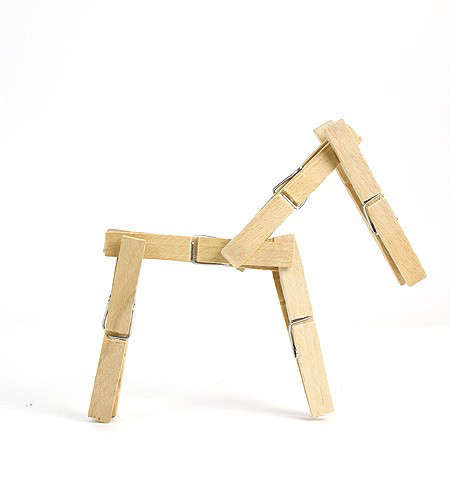
A bag of clothes pins may not look like the superstar of the laundry room. It does not beep, spin, steam, connect to Wi-Fi, or demand a software update before helping you hang a towel. Yet this humble little bag can quietly save energy, organize a home, rescue snack bags, decorate party tables, hold craft projects, and keep socks from escaping into the suburban wilderness. In a world full of complicated gadgets, clothes pins are gloriously simple: squeeze, clip, done.
Whether you call them clothes pins, clothespins, clothesline clips, laundry pegs, or “those tiny wooden things hiding in the junk drawer,” they remain one of the most useful household basics. A well-stocked clothespin bag turns air drying into an easier routine, keeps pins within reach, and prevents that classic laundry-day scavenger hunt where half the pins are in the garage, three are in a craft box, and one is somehow clipped to a bag of tortilla chips.
This guide explores what makes a good bag of clothes pins worth buying, how to choose between wood, plastic, and stainless steel options, how many pins most households need, and why these simple clips still deserve a permanent spot in modern homes.
What Is a Bag of Clothes Pins?
A bag of clothes pins is exactly what it sounds like: a storage bag filled with clips designed to fasten garments, towels, sheets, and household fabrics to a clothesline, drying rack, hanger, or temporary indoor drying setup. But the phrase also describes a complete laundry helper system. The bag keeps the pins clean, dry, portable, and easy to grab; the pins do the gripping, clipping, sorting, and holding.
Most clothespin bags are made from canvas, cotton, polyester, mesh, or weather-resistant fabric. Some hang directly on a clothesline with a hook. Others attach to a belt loop or laundry cart. The best versions have a wide opening so you can reach inside with one hand while holding wet laundry with the other. Anyone who has tried to pin a queen-size sheet in a breeze knows that one-handed access is not a luxury. It is a survival feature.
The pins inside the bag may be classic wooden spring clips, plastic soft-grip pins, heavy-duty wax-coated wooden pins, or stainless steel clips. Each type has strengths. Wooden pins feel traditional, look charming, and work well for everyday laundry. Plastic pins resist staining and may be gentler on delicate fabrics. Stainless steel pins are durable, weather-resistant, and especially useful outdoors where sun, rain, and wind can be unkind to weaker clips.
Why Clothes Pins Still Matter in Modern Laundry
Modern dryers are convenient, but air drying remains valuable for cost, fabric care, and household flexibility. Dryers use heat and tumbling action, which can be tough on elastic, lace, activewear, wool blends, bras, swimwear, and printed garments. A clothesline or drying rack lets clothing dry more gently. A bag of clothes pins makes the process less annoying, which is important because nobody sticks with a laundry habit that feels like wrestling damp spaghetti.
Clothes pins also give you control. You can hang shirts by the hem to reduce shoulder bumps, pin socks in pairs, spread towels for better airflow, clip pillowcases by the corners, or secure small items that would otherwise slide off a rack. For families, renters, dorm residents, campers, RV travelers, and anyone with limited laundry space, a bag of clips can turn almost any safe line, rack, rod, or hanger into drying real estate.
There is also the old-fashioned satisfaction factor. Line drying has a slow, practical rhythm. You shake out a shirt, smooth it, clip it, and move on. The process feels less like operating an appliance and more like participating in the household. It is domestic, useful, and surprisingly calmingunless the wind steals a pillowcase, in which case it becomes cardio.
Types of Clothes Pins You’ll Find in a Good Bag
Wooden Clothes Pins
Wooden clothes pins are the classic choice. They are usually made from birch, pine, maple, or hardwood and held together with a metal spring. Good wooden pins have smooth edges, strong springs, and enough bite to hold jeans, towels, and cotton shirts. Many heavy-duty wooden pins are wax-coated or treated for moisture resistance, helping them last longer when exposed to damp fabrics.
The charm of wooden clothespins is hard to beat. They look good in a laundry room, work well for crafts, and feel sturdy in the hand. Their main weakness is maintenance. If left outside in rain or harsh sun, cheaper wooden pins can crack, darken, stain, or develop rough spots. To avoid that, store them in a clothespin bag indoors or under cover when not in use.
Plastic Clothes Pins
Plastic clothes pins are lightweight, colorful, and often designed with soft-grip edges. They do not absorb moisture the way wood can, and many are marketed as non-staining or rust-resistant. For delicate fabrics, plastic pins can be a smart choice because their edges are often smoother and less likely to leave deep marks.
However, plastic quality varies widely. Thin plastic pins may become brittle after sun exposure or snap under pressure. If you choose plastic, look for thick construction, strong springs, textured grips, and UV-resistant claims when available. A cheap plastic pin that breaks during the first windy towel test is not a bargain; it is confetti with ambitions.
Stainless Steel Clothes Pins
Stainless steel clothes pins are popular with people who want durability and weather resistance. They do not splinter, absorb water, or rely on wooden arms that can warp. They are excellent for outdoor lines, camping, beach towels, heavy garments, and households that leave drying supplies near humid spaces.
The downside is that metal pins can feel firmer on fabric, and some designs may leave marks if clipped too tightly on thin material. For towels, jeans, rugs, and outdoor gear, stainless steel clips are tough and reliable. For silk camisoles, you may want a gentler pin or a hanger.
How Many Clothes Pins Should Be in the Bag?
The right number depends on how much laundry you hang at once. A small apartment household may get by with 24 to 50 pins. A family that line-dries towels, jeans, shirts, and sheets may want 100 or more. If you hang large bedding, plan for extra pins. Sheets need support at multiple points, especially outdoors where wind can turn laundry into a backyard sailboat.
As a practical rule, keep at least two pins per shirt, two to four per towel, two per pair of pants, and four to eight for a large sheet or blanket. Socks and underwear can share pins if you overlap corners, but do not crowd everything together. Air drying works best when air can move freely around each item.
A bag that holds around 100 to 150 clothes pins is ideal for many homes. It gives you enough clips for a full load, a few household uses, and the inevitable missing pins that migrate to craft projects, pantry bags, children’s forts, and mysterious places known only to the house itself.
Choosing the Best Clothespin Bag
A good clothespin bag should be easy to open, easy to hang, and sturdy enough to handle frequent use. Canvas and cotton bags look classic and breathe well, while polyester or synthetic blends may resist moisture better. Mesh bags allow airflow, which helps pins dry if they are placed inside slightly damp. If the bag will live outdoors, choose a weather-resistant material and bring it inside during storms.
The hanger matters. A metal or plastic hook lets the bag slide along the clothesline as you work. This is much better than placing pins in a basket on the ground, where you must bend down repeatedly and eventually question all your life choices. Some bags include belt attachments, which are handy for large yards or long lines.
Look for reinforced seams, a wide mouth, and enough depth to prevent pins from spilling. A bag that is too shallow will drop clips every time it swings. A bag that is too deep may force you to dig around like you are searching for treasure in a laundry cave. The sweet spot is roomy but reachable.
Smart Ways to Use Clothes Pins for Air Drying
Shake First, Clip Second
Before hanging wet laundry, shake each item out. This separates folds, reduces wrinkles, improves airflow, and helps garments dry more evenly. A shirt that goes onto the line twisted like a pretzel will usually come off looking like it has been through a tiny fabric tornado.
Pin Shirts by the Bottom Hem
For T-shirts and casual tops, pinning by the side seams near the bottom hem can help avoid shoulder bumps. If you dry shirts on hangers, use a clothespin to keep the hanger from sliding along the line in the wind.
Give Towels Breathing Room
Towels dry best when they are spread out, not folded heavily over the line. Use two pins at the corners and leave space between towels. If towels feel stiff after line drying, give them a brief fluff in the dryer with no or low heat, or shake them well before folding.
Turn Dark Clothes Inside Out
Sunlight can naturally brighten whites, but it may fade dark or vivid colors over time. Turn dark garments inside out before pinning them outside. It is a small habit that protects color and keeps black shirts from slowly becoming “vintage charcoal.”
Clip Small Items Together
Socks, washcloths, cloth napkins, and children’s clothes can share pins when space is limited. Pair socks before hanging so they do not break up dramatically between the washer and the drawer.
Indoor Drying: Useful, But Use Common Sense
A bag of clothes pins is not just for outdoor lines. Indoors, pins can secure laundry to folding racks, shower rods, hangers, and retractable lines. This is especially helpful in apartments, rainy climates, winter months, or neighborhoods where outdoor line drying is limited.
Indoor drying does require attention to moisture. Wet laundry releases humidity into the room. Without ventilation, that moisture can collect on walls, windows, and cool surfaces. Keep drying racks away from exterior walls, leave space between garments, use a fan if needed, and open a window when weather allows. In humid homes, a dehumidifier can help. The goal is dry clothes, not a surprise mushroom farm behind the dresser.
Bathrooms with exhaust fans, laundry rooms with ventilation, and open areas with good airflow are usually better than closed bedrooms. If clothes remain damp for too long, they can develop musty odors. Rewash anything that smells sour; perfume sprays and wishful thinking will not fix mildew.
Beyond Laundry: Household Uses for a Bag of Clothes Pins
The beauty of clothes pins is that they refuse to stay in one category. They are laundry tools, yes, but also tiny household problem solvers. Use them to close bread bags, cereal liners, frozen vegetable bags, coffee bags, and snack packages. Label them with a marker for pantry organization. Clip receipts together, hang children’s artwork, secure tablecloths at outdoor meals, or hold gift tags on baskets.
Wooden pins are especially useful for crafts. They can become photo clips, ornaments, place-card holders, wreath decorations, chore chart markers, classroom tools, or rustic wedding accents. Mini wooden clothespins are popular for banners and scrapbooking, while standard pins are strong enough for everyday display projects.
In the garage, clothes pins can hold lightweight cords, seed packets, sandpaper pieces, or small instruction sheets. In the office, they can work as paper clips with personality. In the garden, they can attach plant labels to stakes. In the kitchen, they can keep a recipe card upright if your cookbook stand has gone missing.
Care and Storage Tips
To make clothes pins last, keep them dry when not in use. Even weather-resistant pins benefit from storage. Empty the bag occasionally and remove lint, dust, pollen, or broken clips. If wooden pins feel rough, lightly sand the edges before using them on delicate garments. If springs become rusty, weak, or sharp, retire those pins from laundry duty and use them for non-fabric tasksor let them go with dignity.
Wash the clothespin bag if it becomes dirty. A dusty bag can transfer grime to clean laundry, which is the laundry-room equivalent of stepping backward on a moving sidewalk. Canvas bags can often be spot-cleaned or gently washed, while synthetic bags may wipe clean with a damp cloth. Always let the bag dry completely before refilling it.
Buying Tips: What to Look For
When shopping for a bag of clothes pins, focus on three things: grip, material, and storage. Strong springs matter more than cute colors if you plan to hang wet towels outdoors. Smooth edges matter if you dry delicate blouses. Rust resistance matters in humid climates. A wide, durable bag matters if you line-dry frequently.
For most households, a mixed setup works best: heavy-duty wooden or stainless steel pins for towels, jeans, and sheets; plastic or smooth wooden pins for shirts and delicate items; and a canvas or weather-resistant bag that keeps everything together. This approach gives you flexibility without turning your laundry room into a clothespin museum.
Price is usually affordable, but value depends on lifespan. A bargain pack that snaps, stains, or loses spring tension quickly is not really cheap. Good pins should feel firm when squeezed, align evenly when closed, and hold fabric without slipping. If the pin feels flimsy in your hand, it will not suddenly become heroic on a windy clothesline.
Common Mistakes to Avoid
One common mistake is leaving wooden clothes pins outside all season. Sun and rain can shorten their life. Another is pinning delicate fabrics too tightly, which may leave marks. Use hangers, padded clips, or pin less visible seams for delicate pieces. Also avoid overcrowding the line. Air needs space to move, and damp clothes packed together will dry slowly.
Do not use dirty pins on clean laundry. Outdoor pins can collect pollen, dust, sap, and grime. If a pin looks questionable, wipe it before use. Finally, do not assume every garment should be air-dried vertically. Sweaters and heavy knits often need to dry flat so they do not stretch. Clothes pins are helpful, but gravity is still undefeated.
Final Thoughts: Small Bag, Big Household Value
A bag of clothes pins is a modest item with impressive range. It supports energy-conscious laundry habits, protects delicate fabrics from unnecessary heat, organizes drying supplies, and handles dozens of small household jobs. It is affordable, portable, low-tech, and strangely satisfying to use.
The best clothespin setup is not complicated. Choose durable pins, store them in a practical bag, keep them clean, and match the pin type to the task. Wooden pins bring classic charm, plastic pins offer gentle convenience, and stainless steel pins deliver outdoor toughness. Together, they make laundry easier and home organization a little more cheerful.
In other words, a bag of clothes pins is not just a bag of clips. It is a tiny toolkit for laundry day, pantry chaos, craft afternoons, camping trips, breezy backyards, and those moments when you need something to hold something else right now. Not bad for an object that costs less than dinner and never asks for batteries.
Experience Notes: Living With a Bag of Clothes Pins
The first thing you notice after keeping a real bag of clothes pins near the laundry area is how often you reach for it. At first, it seems like a single-purpose item. You hang a few shirts, clip a towel, maybe secure a bedsheet. Then slowly, almost suspiciously, the pins begin appearing in every corner of daily life. One closes the coffee bag. Two hold a birthday banner. Another keeps a half-used packet of rice from spilling in the pantry. A wooden pin becomes a bookmark. A plastic pin holds a phone charging cord near the desk. Suddenly, the bag of clothes pins has become the household assistant nobody officially hired.
For laundry, the biggest improvement is convenience. When pins are loose in a drawer, they disappear. When they live in a proper clothespin bag, they are ready. The bag slides along the line, hangs from a rack, or rests beside the washer. That small bit of organization makes air drying feel less like a chore and more like a system. On busy mornings, the difference matters. You can move quickly from washer to line without hunting for clips under lint rollers and lost buttons.
There is also a learning curve. The first few times, you may use too many pins on light garments and too few on heavy ones. A damp towel clipped with one weak pin will teach you physics very quickly. Jeans need stronger pins and more space. Sheets need patience. Socks need pairing unless you enjoy solving textile mysteries later. After a few loads, you develop a rhythm: shake, smooth, clip, space, repeat. It becomes almost automatic.
Outdoor drying adds personality to the experience. A sunny day can make laundry feel fresh and efficient. A windy day tests your equipment and your optimism. This is where heavy-duty clothes pins prove their worth. Strong springs keep towels from sliding, while a good bag keeps extra pins close when a corner starts flapping like it has urgent travel plans. If you live in a dusty area, storing the bag indoors between uses keeps clean laundry cleaner.
Indoor drying is quieter but still benefits from clothes pins. Pins keep small garments from slipping off racks and help create more hanging space on hangers. In apartments, they are especially helpful because every inch counts. You can clip socks along a hanger, secure cloth napkins to a rack, or hold lightweight items on a shower rod. The key is airflow. Clothes dry better when they are not bunched together, and pins help arrange them neatly.
Over time, preferences become personal. Some people love the look and feel of wooden pins. Others prefer plastic pins because they are colorful and easy to clean. Anyone who dries heavy laundry outdoors may become loyal to stainless steel clips. The best bag often contains a mix. Like kitchen knives or screwdrivers, different clips handle different jobs.
The most surprising experience is emotional. A bag of clothes pins brings a little old-school practicality back into the home. It slows laundry down just enough to make it feel intentional. It saves dryer time, protects certain garments, and creates a small sense of order. Plus, there is real satisfaction in seeing clean clothes lined up neatly, held in place by simple clips that do exactly what they promise. No app. No blinking light. No drama. Just a bag of clothes pins doing honest work.














